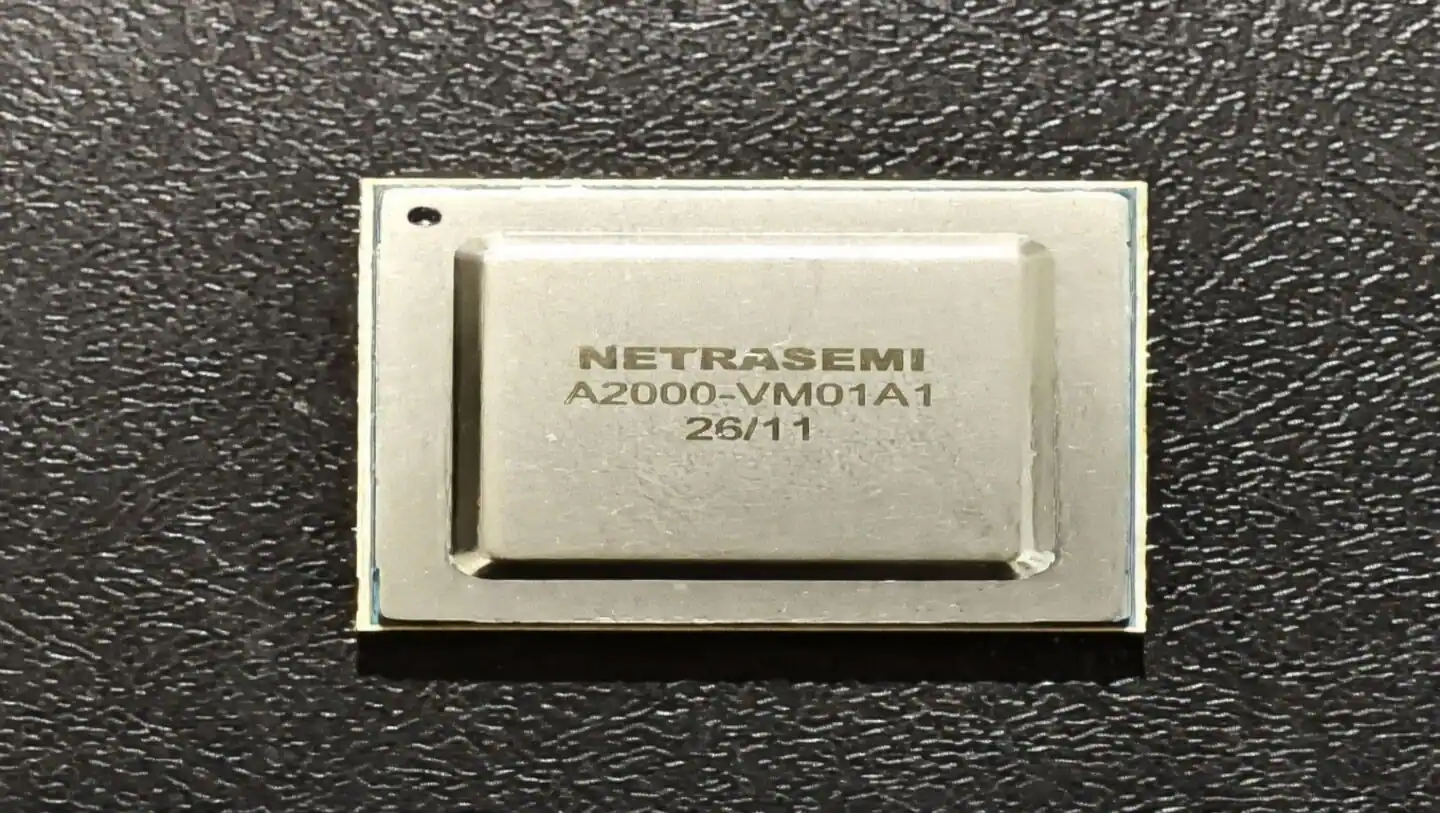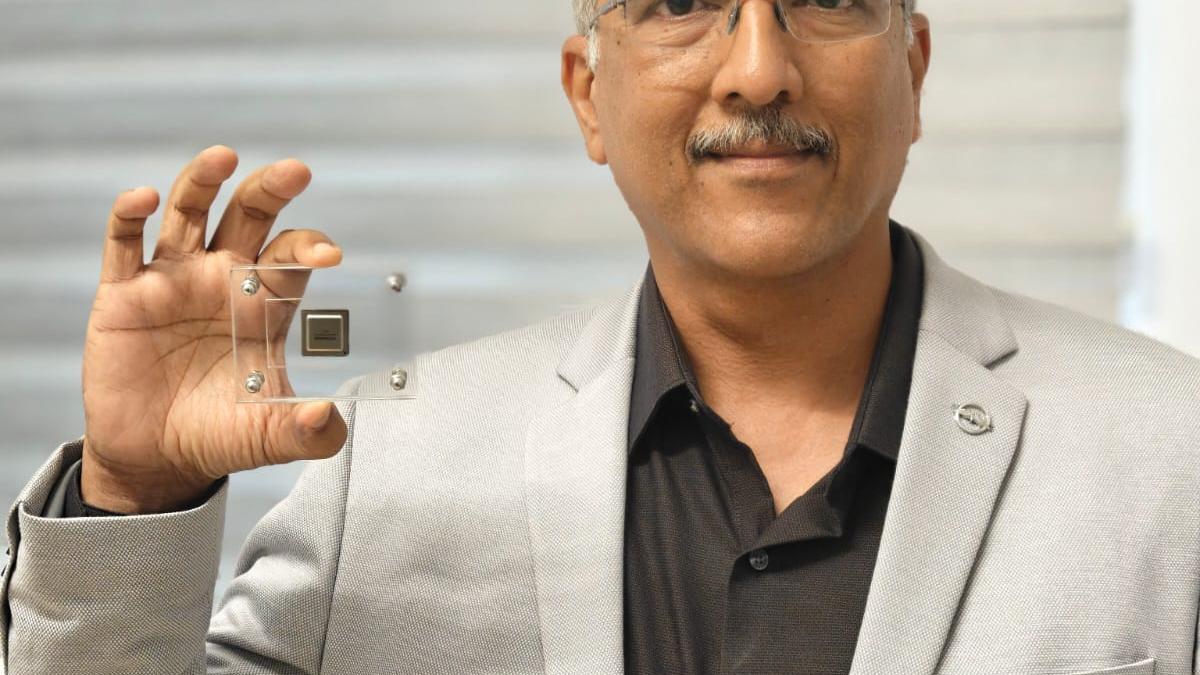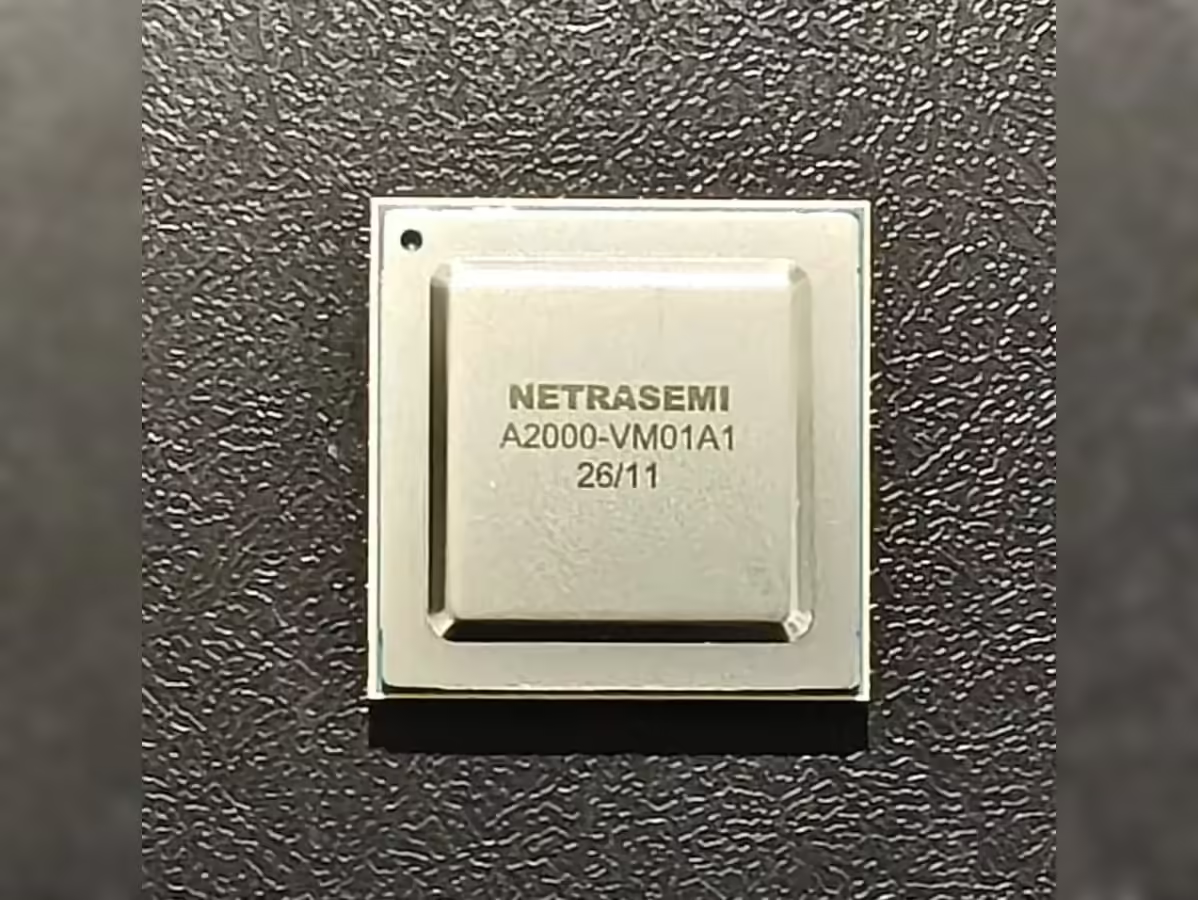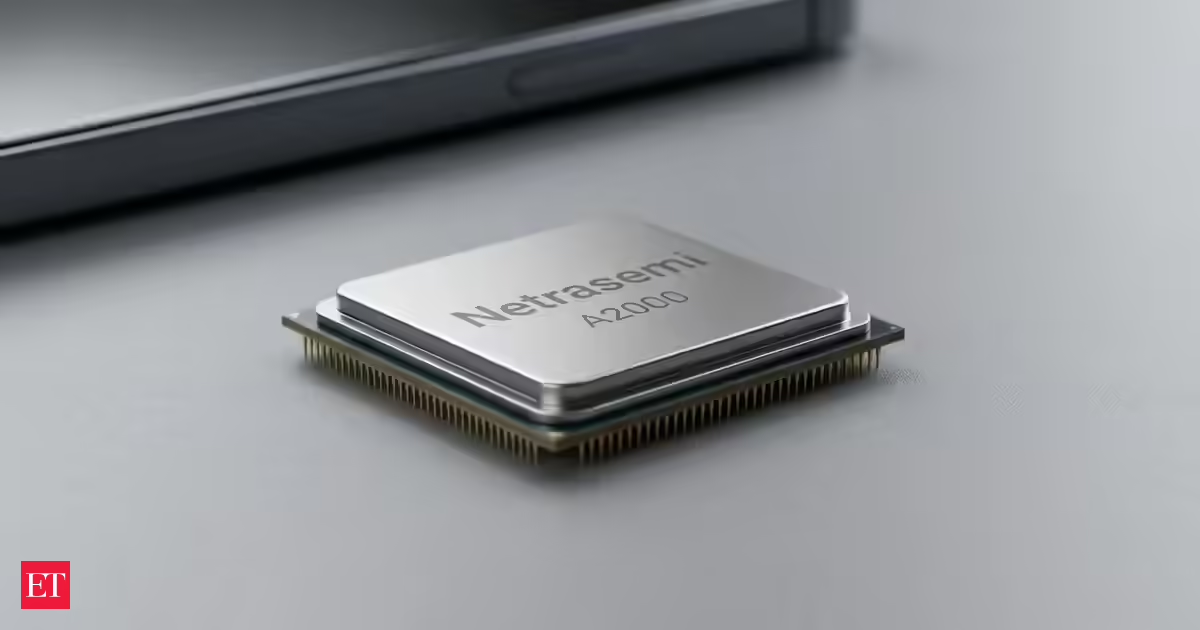
Something significant just happened for India's semiconductor and AI space. Alumni from the College of Engineering Trivandrum, working hand in hand with researchers and engineers at Kerala based semiconductor startup Netrasemi, have built an AI capable chip designed specifically for edge computing. It's called the CNVR1K, short for CET Netrasemi Vision SoC R1000, and it was developed under the Union government's Chips to Startup programme, which exists to help academic institutions build up India's homegrown chip design capabilities.These aren't just the claims from those that built it either - the chip is designed for on-device AI processing rather than relying solely on the cloud and could lead to use cases in smart surveillance, medical, robots, industrial control, and IoT devices. On a broader level, it's another welcome addition to the growing efforts by Indian research organizations and start-ups to carve out a niche in the country's burgeoning semiconductor sector.About The AuthorHey there, i am a technology enthusiast with a deep passion for gadgets, consumer electronics, emerging technologies, and the fast-paced world of digital innovation. Constantly exploring the latest tech trends, product launches, and industry developments, I enjoy translating complex technological advancements into engaging and accessible stories for readers. My interests span smartphones, wearables, artificial intelligence, smart devices, and the broader technology ecosystem. As I begin my journey as a Tech Journalist at Gadgets Now, I am excited to contribute to a platform that informs millions of readers, combining my passion for technology with storytelling to deliver insightful, accurate, and timely tech coverage.How the AI-Capable Chip Was DevelopedThis chip is the product of nearly three years of close collaboration between CET faculty, alumni, students and Netrasemi's own engineers. According to those involved with the project, it got around ₹4.7 crore in funding through the Ministry of Electronics and Information Technology's Chips to Startup programme, which is specifically meant to push higher education institutions toward designing real semiconductor solutions right here in India.Instead, the research group went on to build a practical, on-chip commercial application that was an outgrowth of the academic project. The participants explain that it integrated chip design, architecture, hardware development, AI tuning, and software-effectively bringing chip architecture, hardware, AI tuning, and software development together all at the same time, proving the collaborative impact industry and academia can achieve in modern semiconductor development.Why Edge AI Chips Matter for India's Technology SectorRegular processors typically lean on remote cloud servers to crunch through AI computations, but edge AI chips flip that around, letting devices process data locally instead. According to the team, that means faster response times, better privacy, and a lot less strain on internet bandwidth.This kind of chip really shines in places where you can't count on a steady internet connection, or where decisions genuinely need to happen in real time. Industry experts point out that edge computing keeps becoming more important across autonomous systems, industrial automation, medical devices and smart cameras. As AI adoption keeps growing across the board, chips designed and built locally could help cut down India's reliance on imported tech, while also feeding into the country's bigger push toward semiconductor self reliance.How This Could Give India's AI Startups A Real BoostHaving a genuinely indigenous AI capable processor on the table opens up real opportunities for Indian startups building AI powered products.The alternative for start-ups would be to look at solutions that fit what India needs at a lower cost and offer more design freedom. The tech industry is experiencing a growing demand for AI hardware that processes information immediately, says tech experts.More articles by AuthorTrending StoriesAI hardware which processes information instantly is becoming crucial for several sectors including agriculture, healthcare, logistics, smart city and manufacturing. Moreover, with hardware designed locally, developers would have the opportunity to fine tune their software for Indian circumstances and accumulate Intellectual Property.That kind of momentum could push startups, academic institutions and manufacturing partners to collaborate even more closely going forward.Why Academic Institutions Are Becoming Innovation HubsIndian engineering colleges are clearly moving past just textbook teaching these days, increasingly taking on advanced research that actually has commercial weight behind it. According to people in education circles, programmes like C2S push students and faculty toward full, end to end semiconductor design work rather than keeping everything confined to lab exercises.What CET pulled off here is a solid example of universities directly contributing to strategic sectors like electronics and AI. By getting students hands on with real chip development, these institutions are also building up a genuinely skilled workforce ready to tackle whatever the industry needs down the line. Collaborations like this strengthen India's broader research ecosystem while giving startups a direct line to engineering talent and academic know how.Potential Applications Across Multiple IndustriesAccording to its developers, this chip has been built with a genuinely wide range of AI powered applications in mind. In healthcare, it could power smart diagnostic devices that process medical data right there on the device. These smart surveillance systems would need to analyze video feeds without the need for sending off the data to the cloud all the time, robotic companies may use chips like this for navigation of the robots and on the spot decision making of robots.Industrial facilities could build it into automation systems that need fast responses with barely any lag. And IoT devices out in the field, whether that's agriculture, transportation or smart infrastructure, stand to benefit from doing their AI processing on device too, which should mean better efficiency and lower communication costs across the board.Why Building Chips At Home Actually Matters StrategicallyIndia still imports a large chunk of what it needs semiconductor wise, which makes building up real domestic design capability increasingly important, both economically and strategically. Industry observers say homegrown chip development helps strengthen tech sovereignty while cutting down dependence on global supply chains that haven't exactly been reliable in recent years.Government programmes pushing semiconductor research, design and manufacturing are all aimed at helping India become a genuinely competitive player in global electronics. Projects coming out of universities and startups like this one add real weight to those national efforts, creating actual intellectual property, training up skilled engineers, and encouraging more innovation along the way. Over time, developments like this could help build a much stronger domestic semiconductor ecosystem capable of supporting whatever AI applications come next.What Lies Ahead for the ProjectGetting this chip built and working is a genuinely important milestone, but what happens next will really decide how much commercial impact it ends up having. According to the team, future work could involve software optimization, building out the surrounding ecosystem, forming industry partnerships, and actually getting the chip deployed in real commercial products.Experts point out that semiconductor innovation doesn't stop at design, it also needs serious support around manufacturing, packaging, testing and application development. If this chip does make it to commercialization successfully, it could encourage even more academic institutions and startups to jump into India's growing semiconductor space. At its core, this project is a pretty clear sign of where collaborative innovation is headed, especially across AI, embedded computing and edge intelligence.end of article
CET Alumni Develop India's First AI-Capable Campus-Built Chip, Marking a Milestone for Indigenous Semiconductor Innovation
The innovative CNVR1K chip, developed by Indian researchers, represents a significant leap in edge computing with its AI capabilities. By processing data at the edge, this chip significantly enhances user privacy while alleviating the burden on internet infrastructure. It offers exciting prospects for Indian startups venturing into AI, signaling a strengthening of India's tech ecosystem and spotlighting academic institutions as vital centers for semiconductor innovation.
1,176 words~5 min read