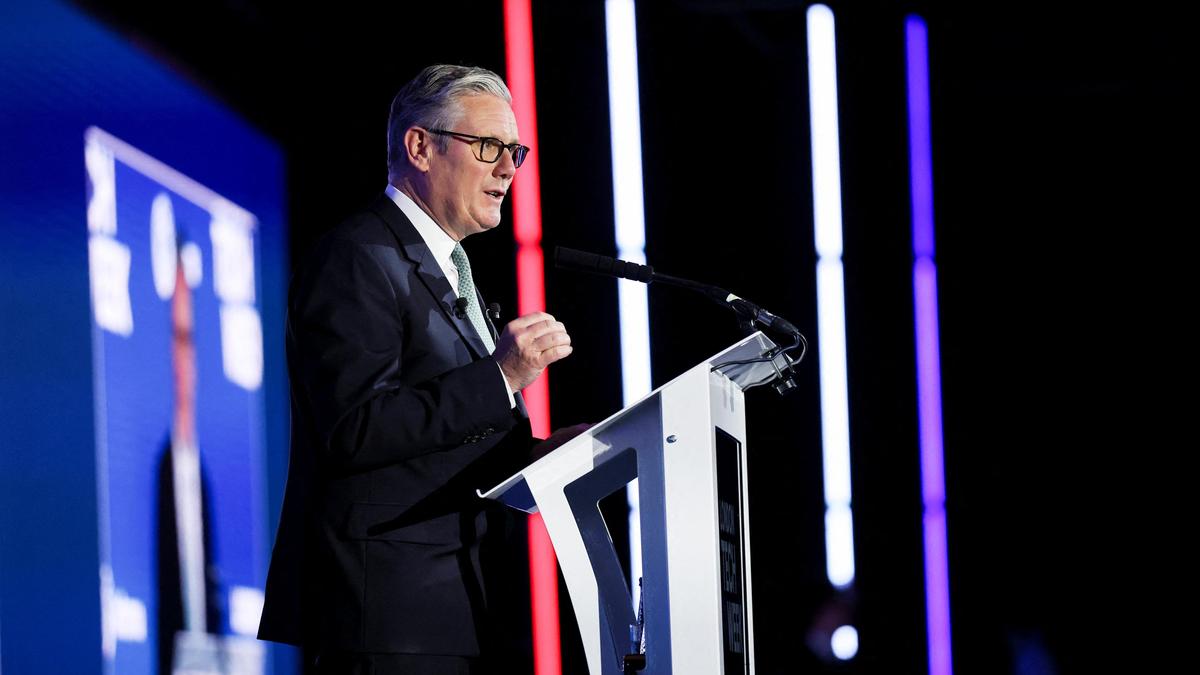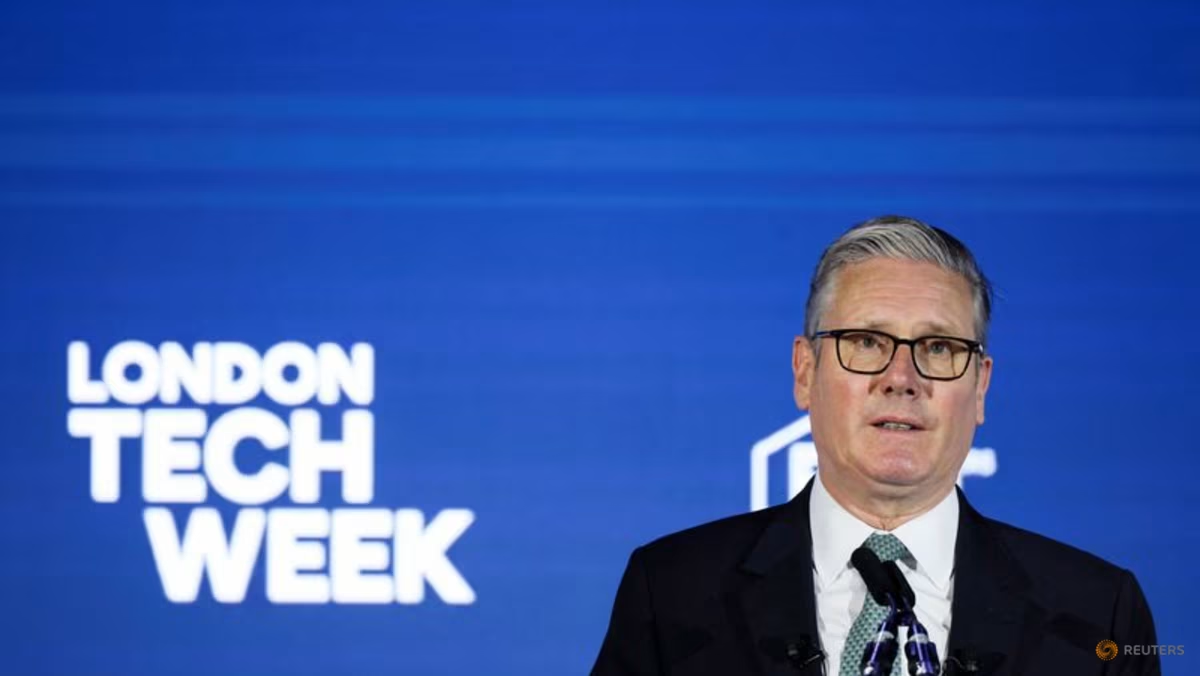
Signal insists that plans to compel tech companies to scan devices for nude images of children announced by UK Prime Minister Keir Starmer on Monday at London Tech Week "will not keep children safe.""It endangers us all," the encrypted messaging platform said, adding that the mechanism required to implement it would be "dangerous." And it wouldn't be a pro-privacy statement without calling it "dystopian."Signal argues that the proposed technology could at some point be repurposed to enable state-sponsored surveillance of all citizens' comms, or used as a mass censorship tool.
"Forcing all UK residents to prove their age and/or have all their content scanned, simply to exercise their fundamental right to communicate, is a perilous proposition," Signal stated.
"We know that mass surveillance and censorship capabilities, however sincere-sounding the promises of those who initiate them are, never remain narrowly scoped. Once created, they will be expanded, forming a dangerous tool that will be wielded both in the UK and abroad to censor and surveil whatever they might consider 'threats' or 'harmful content.'"Similar accusations have been leveled against the UK government in response to its various attempts to improve online safety via legislation.For example, the government has long presented the Investigatory Powers Act as a way to enshrine in law necessary powers available to law enforcement and UK intelligence to intercept communications for the sake of preventing terrorist attacks.More recently, the Online Safety Act was introduced to impose new obligations on digital platforms to prevent children from accessing online harms.However, privacy proponents have shunned both. Rather than simply providing powers to prevent terror attacks, critics say the IPA enables public bodies to spy on people's calls or texts. It's colloquially known as "The Snooper's Charter."Digital rights organizations have also claimed the OSA is more about online censorship than it is about restricting the types of content children are allowed to view on the web.The PM's proposals are not law yet. Instead, Starmer's speech amounted to a three-month ultimatum to tech companies: make the changes the UK wants to see or the government will legislate.