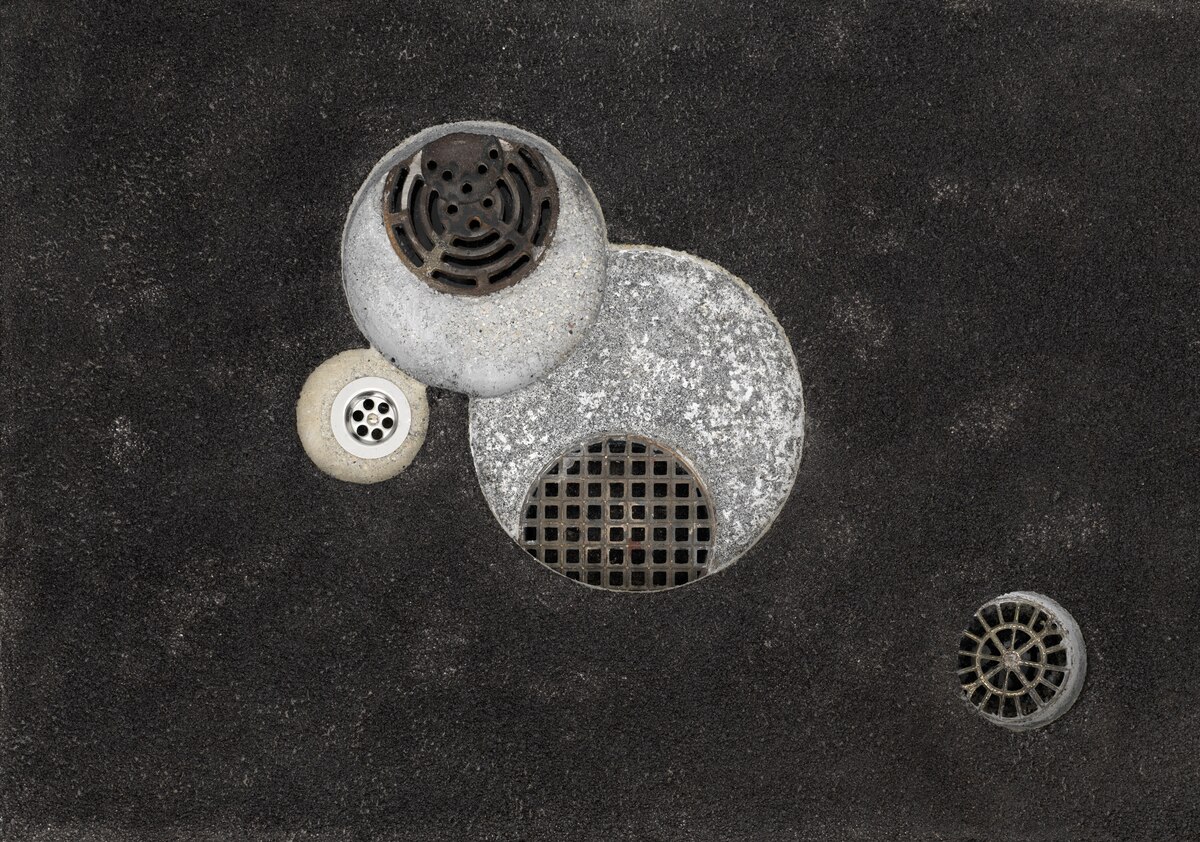
I am a painter, but I have always had a special affection for photography. Not because I see it as an alternative to painting, but because so many of my paintings begin with a photograph. A fleeting shadow, an unexpected reflection on a window, the particular way light settles on a face, a landscape captured almost accidentally during a journey, or even an image stored and forgotten for years on a phone can later become my foundation of an entire series. Painting and photography, especially in the modern era, have never existed as isolated disciplines. They have evolved through a continuous conversation, borrowing from one another, challenging one another and ultimately expanding each other’s possibilities.
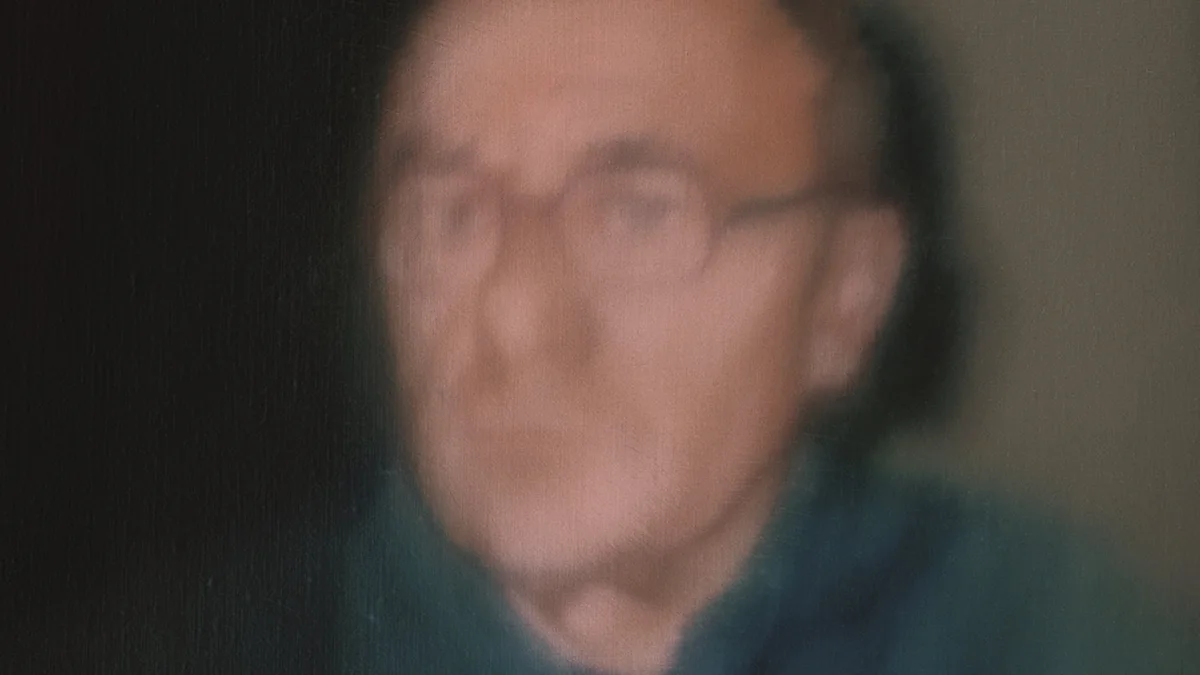
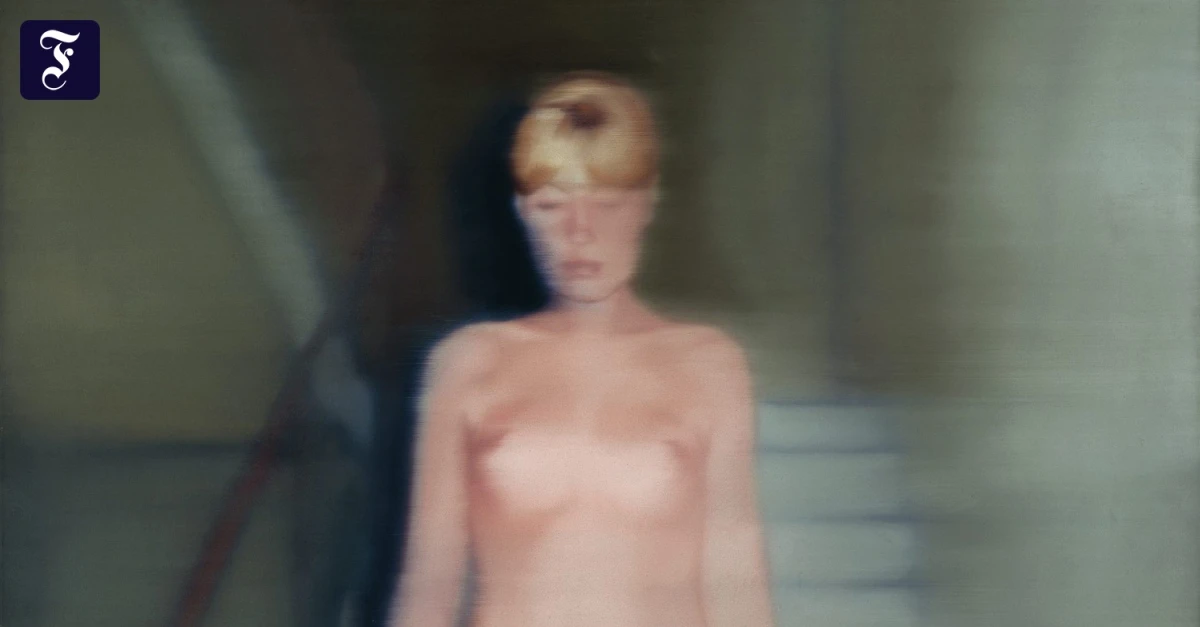
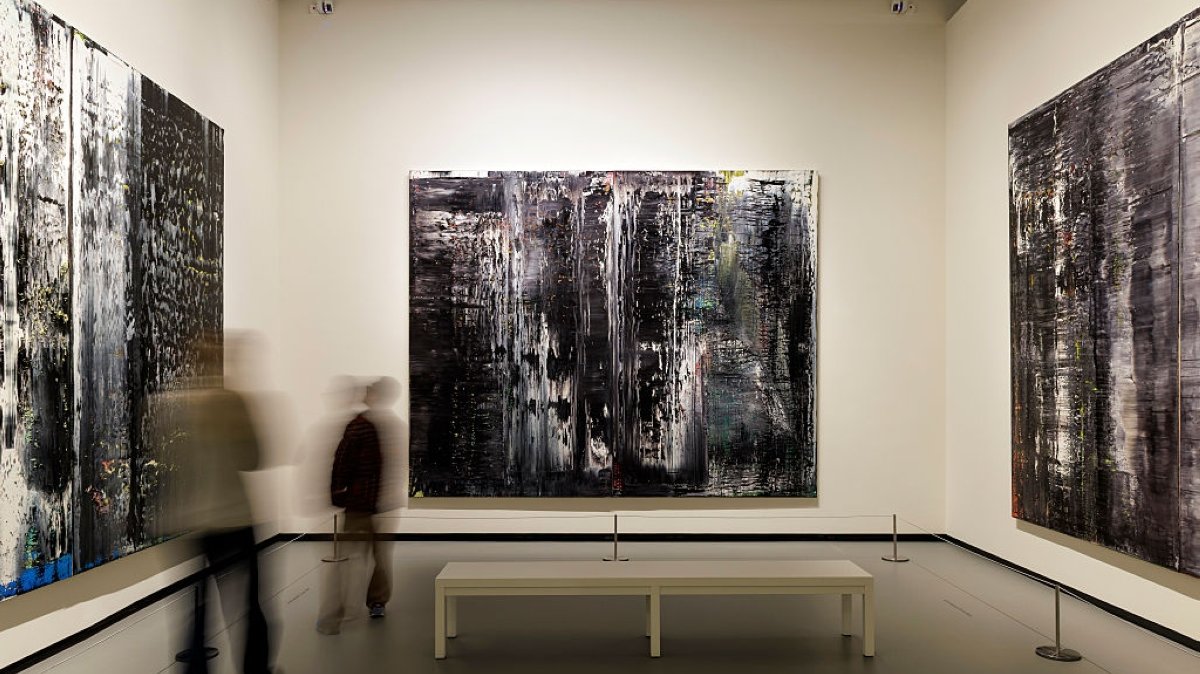
Among photographic techniques, long exposure has always fascinated me the most. There is something deeply poetic about a photograph that refuses to freeze a single instant and instead records the passage of time itself. The resulting image exists somewhere between presence and absence, certainty and dissolution. It captures not only what was there, but also what was disappearing.
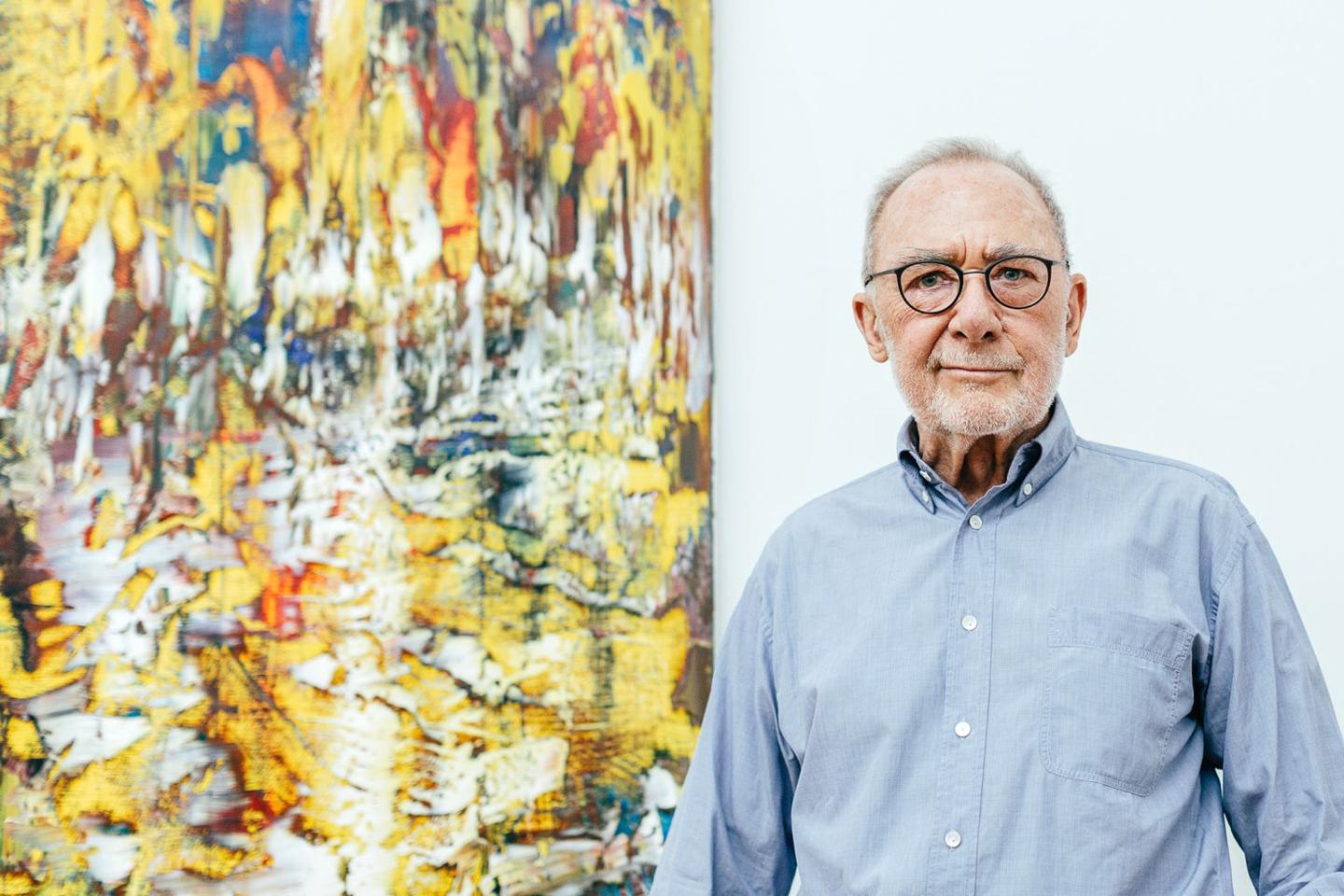
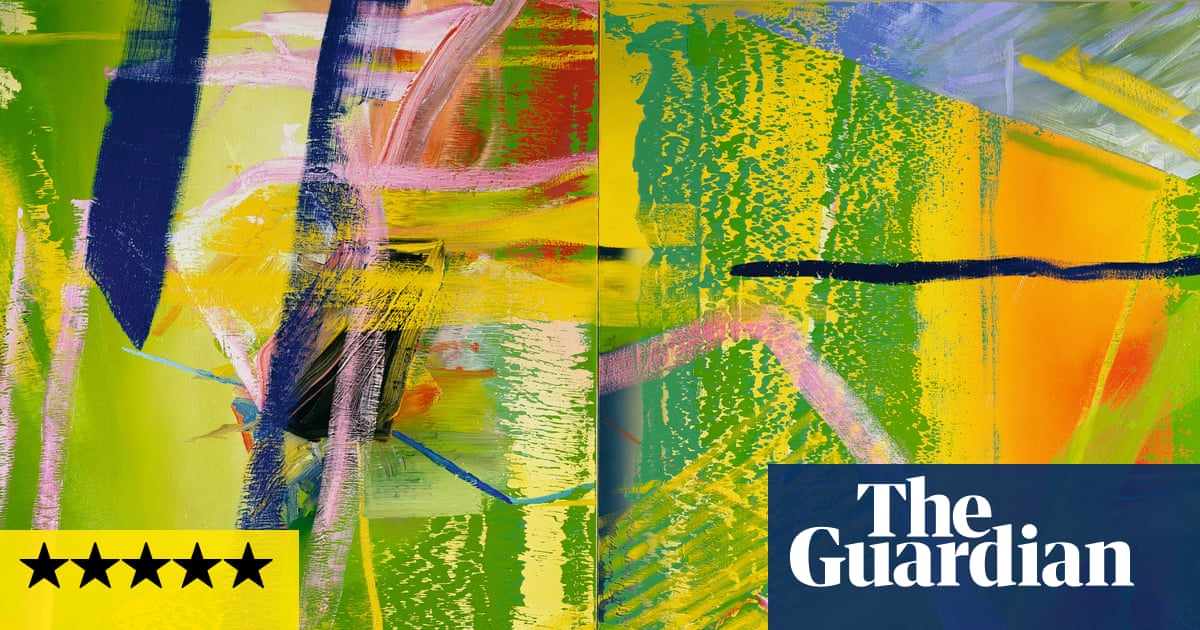
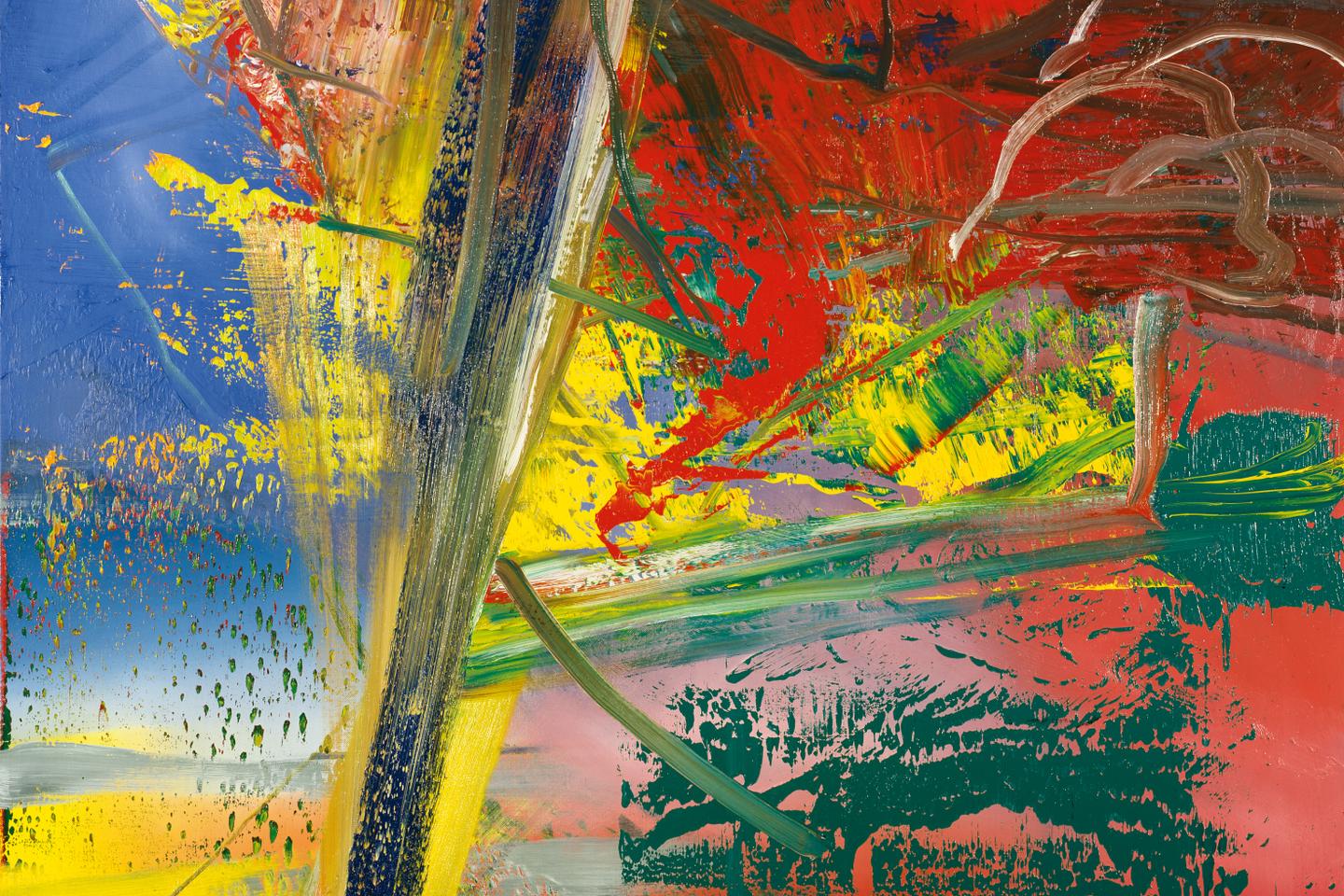
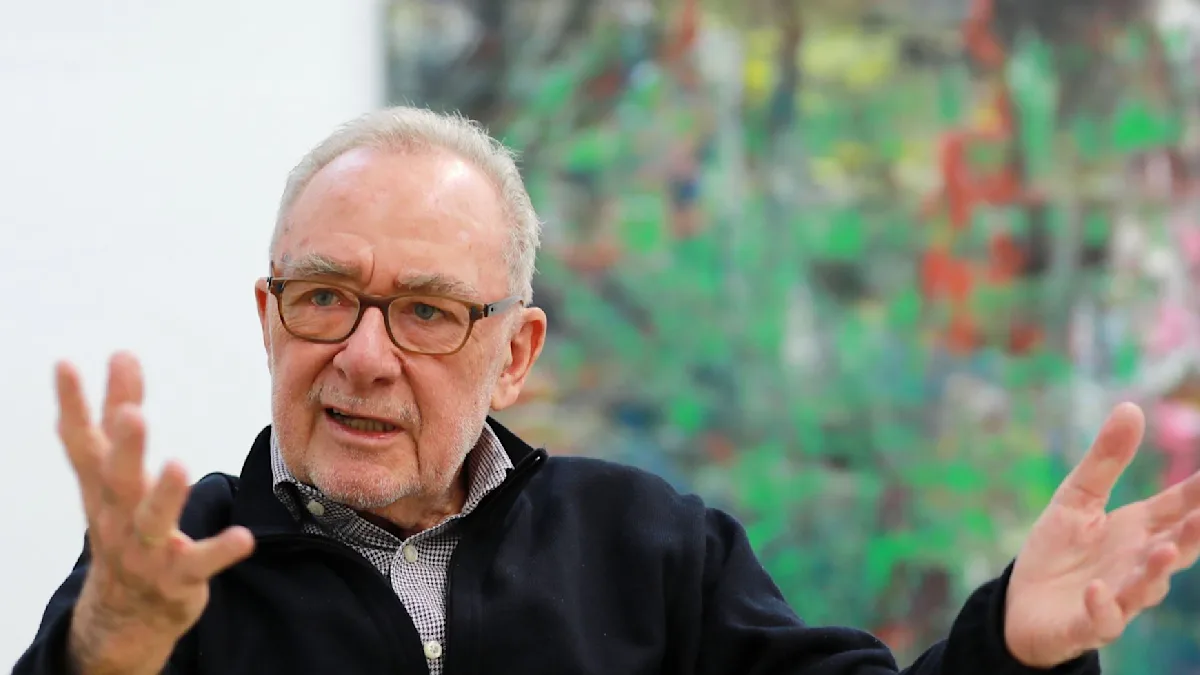
When I first encountered the work of Gerhard Richter, I felt as though I had discovered a painter who had somehow translated that very sensation into oil paint. I fell in love with his art almost immediately.