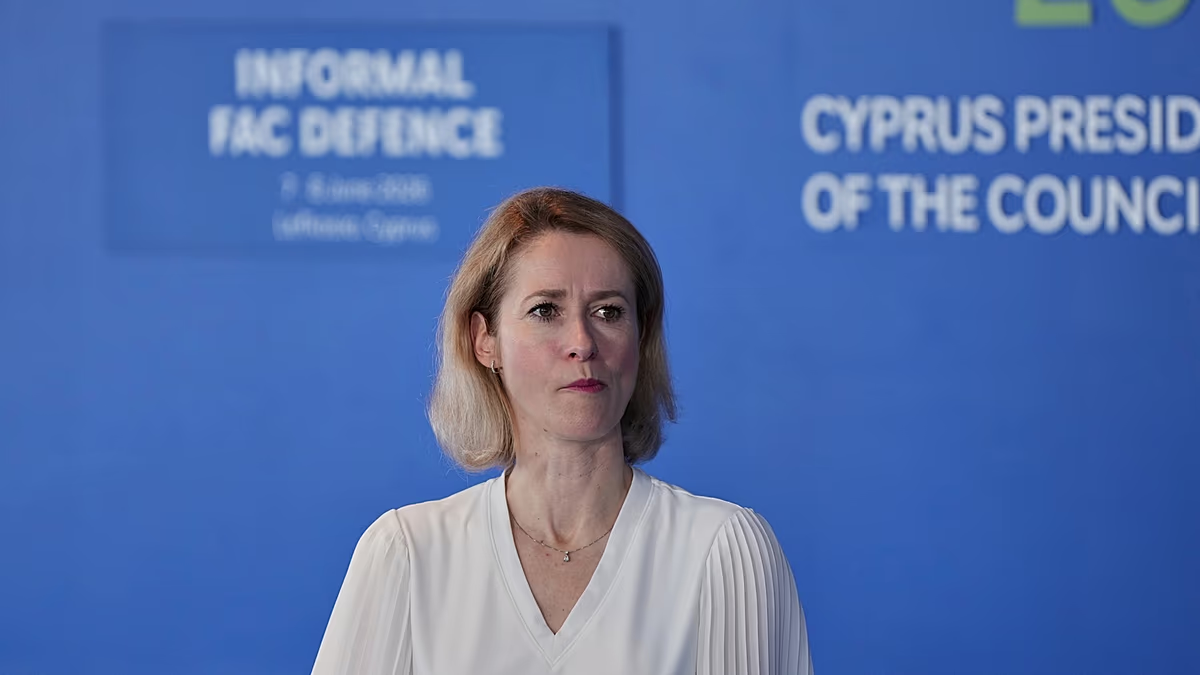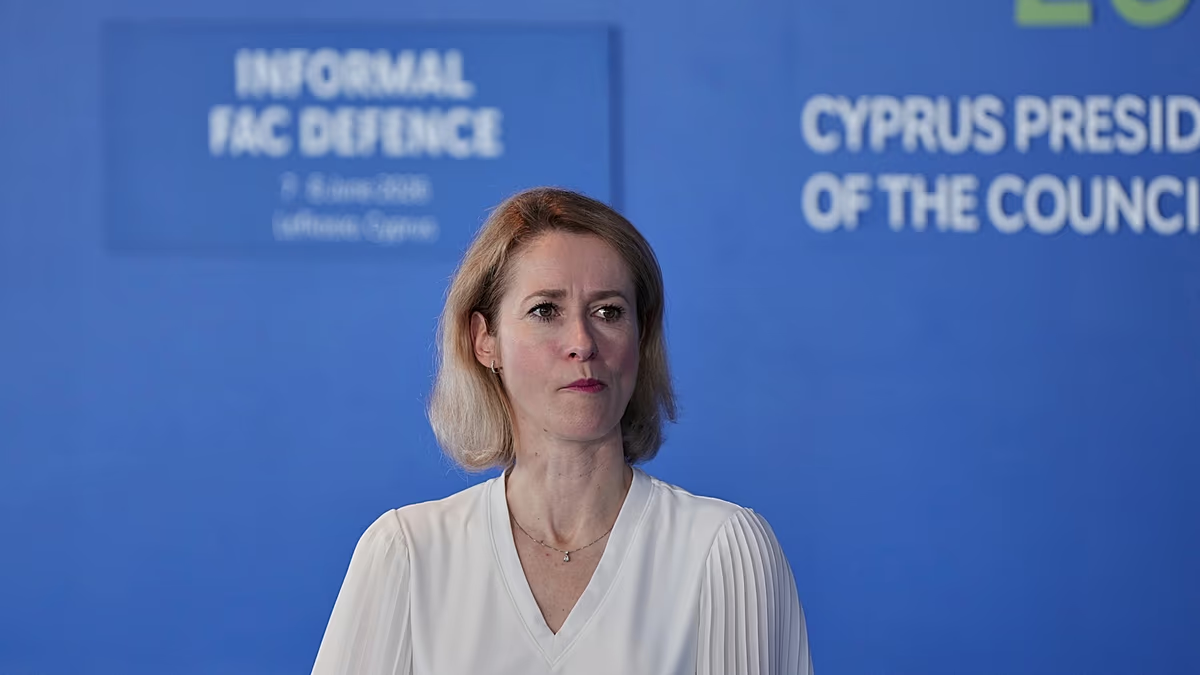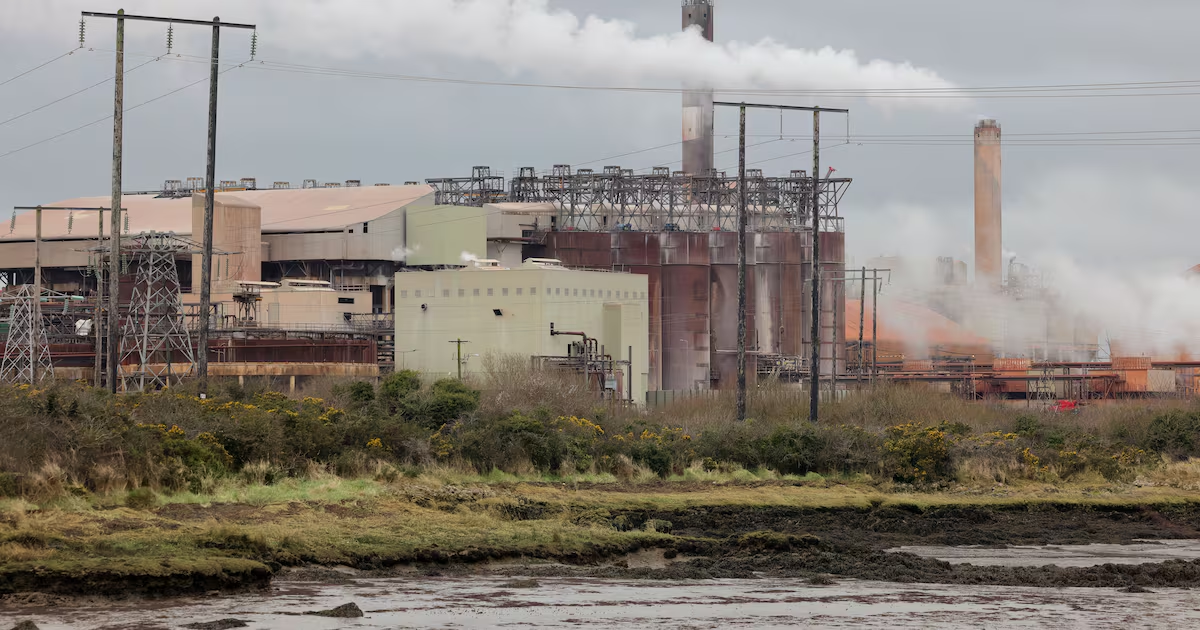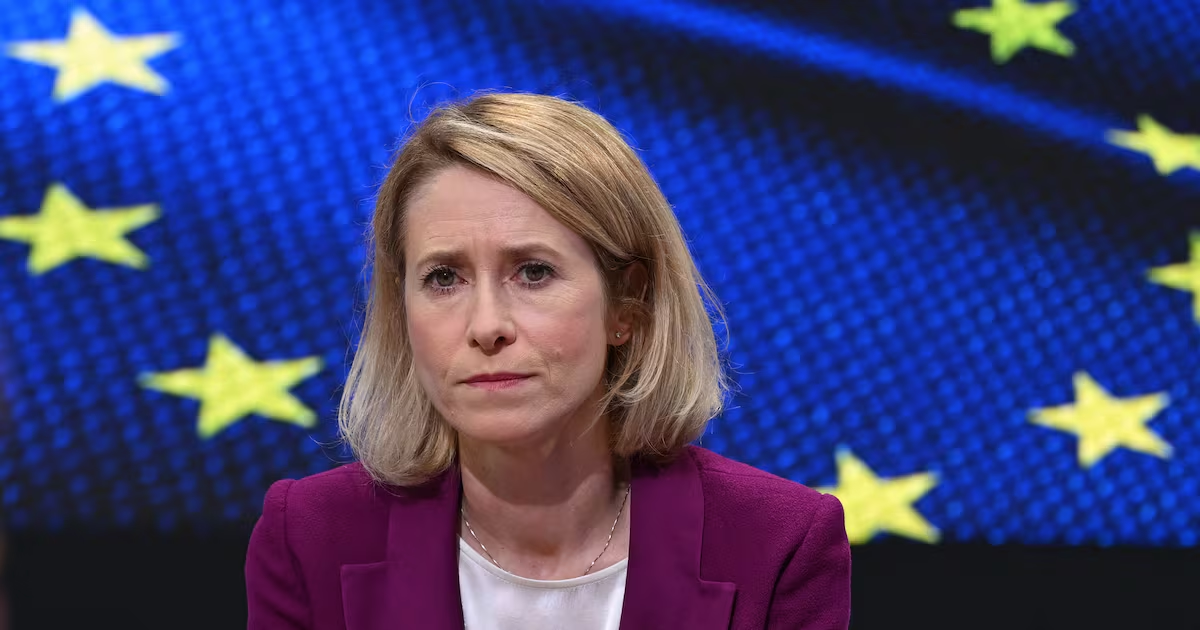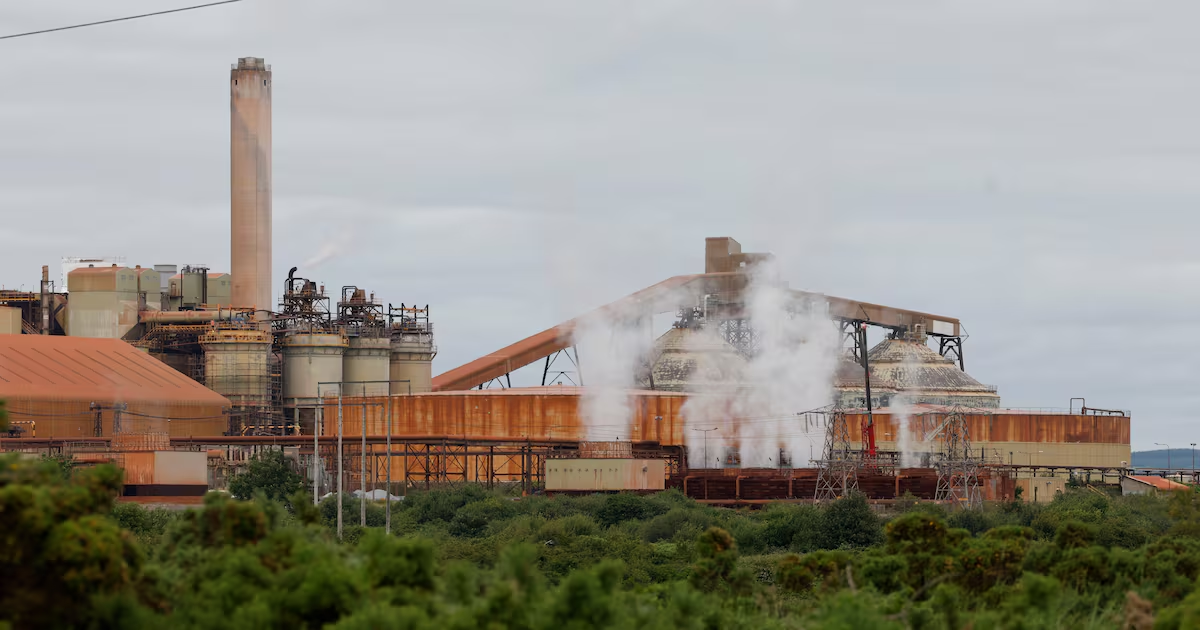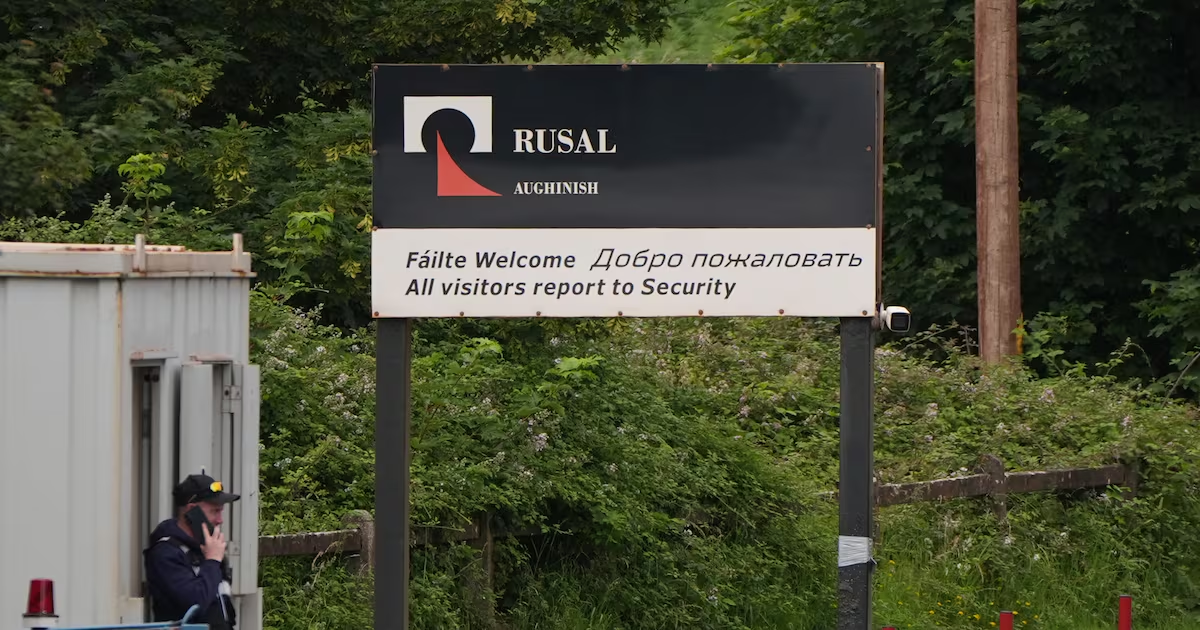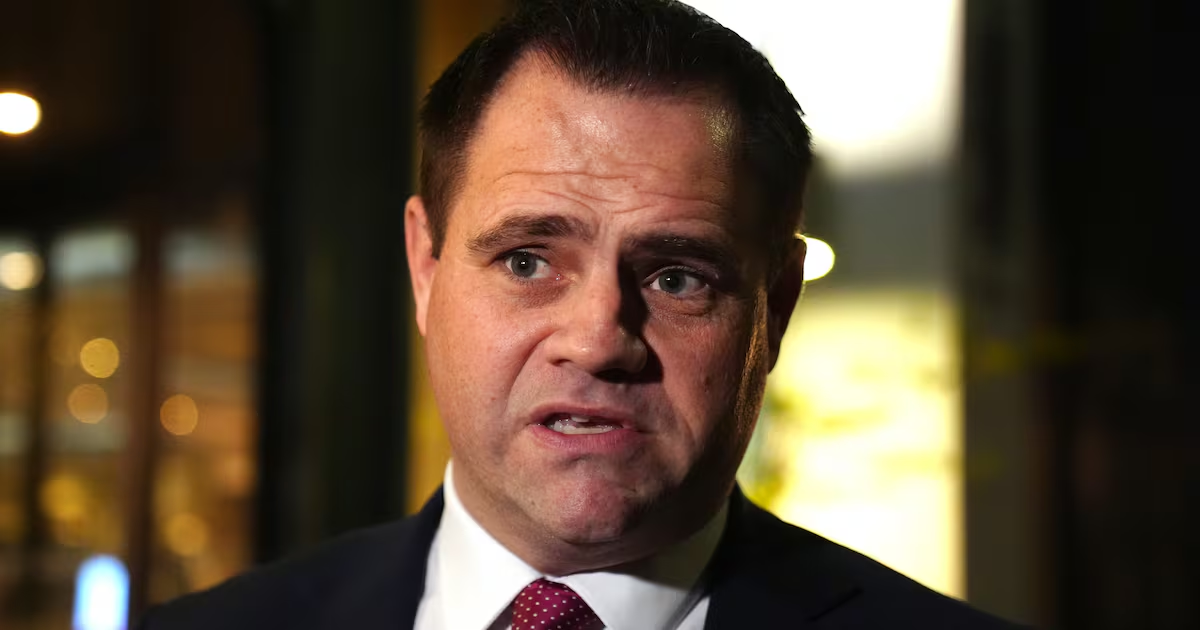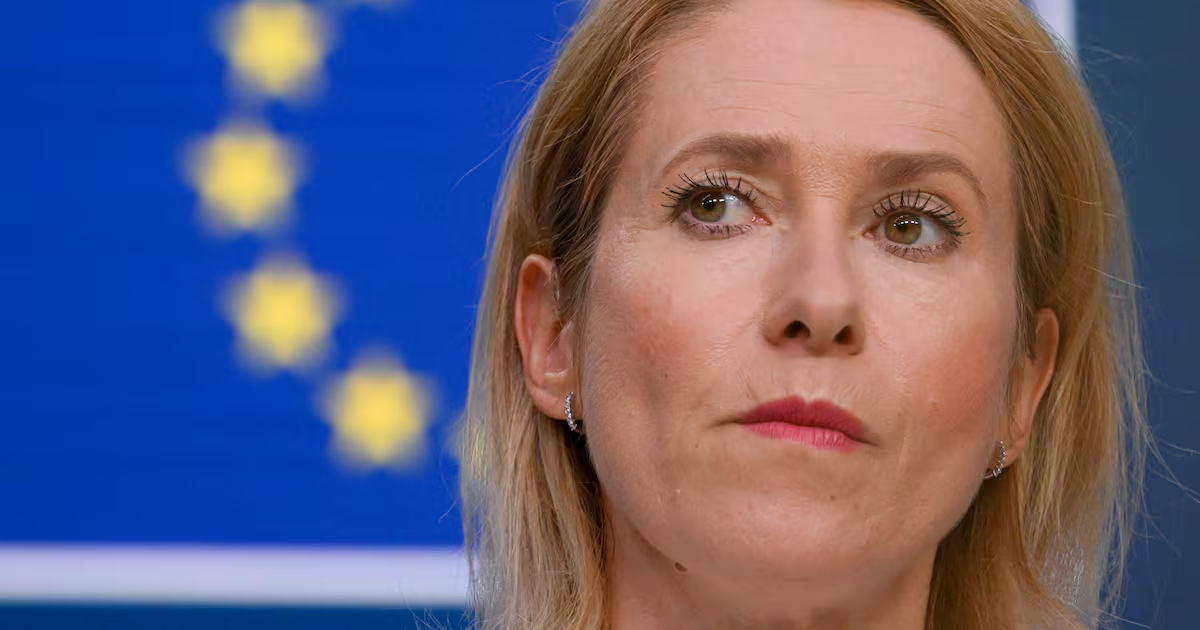
The investigation launched by the State after reports that alumina from the Aughinish Alumina plant in Co Limerick was feeding the Russian military supply chain will be discussed at today’s meeting between Taoiseach Micheál Martin and the European Union’s foreign policy chief Kaja Kallas.Speaking in advance of the meeting, Martin said it would be discussed in the context that sanctions against Russia were an “EU competence”.Kallas, a commission vice-president and Europe’s high representative for foreign affairs, will be in Dublin for talks in advance of Ireland’s upcoming European Union presidency, which begins next month.In March, an Irish Times investigation, carried out in co-operation with the Organised Crime and Corruption Reporting Project, found that Aughinish’s Co Limerick plant was shipping vast amounts of alumina to smelters in Russia, where it is used to make aluminium, which is then sold to a trading company, ASK, that supplies dozens of Russian arms manufacturers.The company has insisted it complies with “all applicable European Union laws, including sanctions, export control measures and trade regulations”.Trade in alumina is not included in the EU’s sanctions against Russia. An investigation being carried out by the Department of Enterprise into Aughinish Alumina is expected to be completed this month.Martin spoke to reporters on his way into Cabinet, where ministers are due to discuss Ireland’s priorities for the upcoming European Union presidency.He said the “three key pillars” of Ireland’s presidency would be “competitiveness, values and security". Of the meeting with Kallas, he said: “We’ll fundamentally be discussing obviously the presidency and our objectives.” Martin said the Department of Enterprise’s work on the Aughinish Alumina investigation was not finished but “we will obviously discuss that and other matters because obviously sanctions are an EU competence and that’s the context in which we’ll discuss it”. Separately, Martin was asked about any renewed concerns in the United States over the Occupied Territories Bill. The Bill – which is aimed at banning trade in goods between Ireland and illegal Israeli settlements in occupied Palestinian land – is due to be debated in the Dáil on Wednesday. Martin said: “There hasn’t been any increased tempo or anything like that in terms of any communications in respect of it other than what we had over the last number of years. “It’s quite clear that quite a number of people in the US will not be at one mind with us in respect of the Occupied Territories Bill.“But we’ll communicate the rationale behind it, that it is confined to the Occupied Territories, but also it’s largely, let’s be honest, a symbolic act because the amount of trade between the Occupied Territories in goods and Ireland is very, very, very low.”He added: “This is more a symbolic act and I think what would be perhaps more telling is if we could, at European Union level, push for a suspension of the trade association agreement between Israel and the European Union. “That perhaps will have a greater impact internationally on Israel.”Last year a group of 16 members of the US House of Representatives wrote to treasury secretary Scott Bessent requesting he consider adding Ireland to a list of countries boycotting Israel in the event of the proposed legislation being passed.They suggested the Occupied Territories Bill would fall foul of 1986 legislation that requires the US treasury department to maintain a list of countries that implement what the letter called “an unsanctioned international boycott”.Inclusion on this list imposed specific tax reporting requirements and potential penalties for US individuals and businesses engaged in certain activities in those countries, their letter said.
Micheál Martin to discuss Aughinish Alumina investigation with EU foreign policy chief
Occupied Territories Bill represents as ‘symbolic act’ and suspension of the EU’s trade association agreement would be ‘more telling’, Taoiseach says
590 words~3 min read