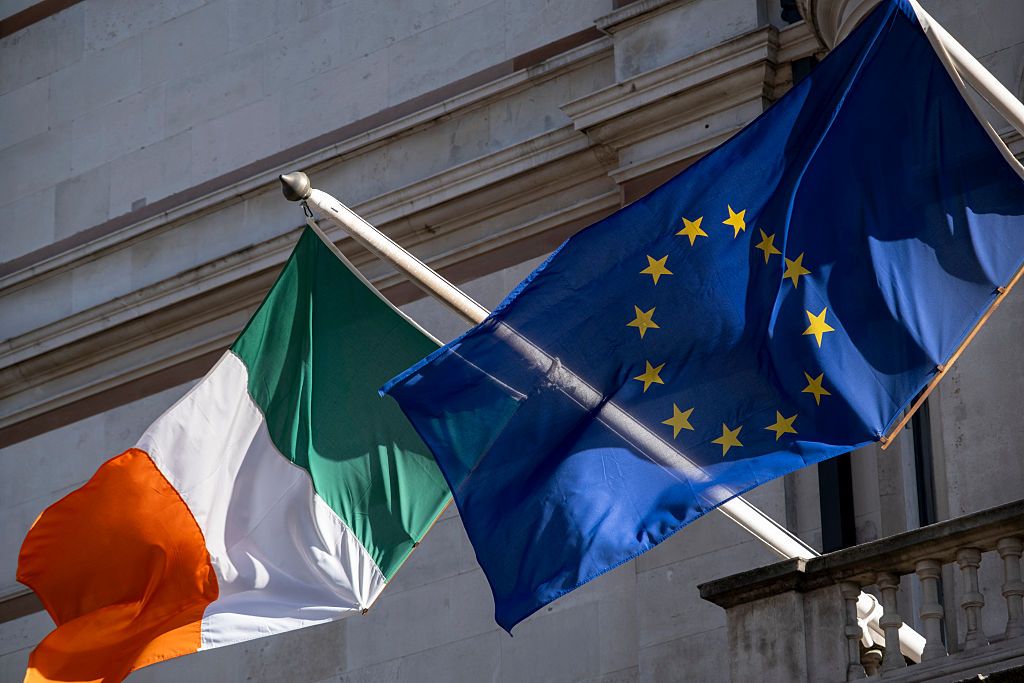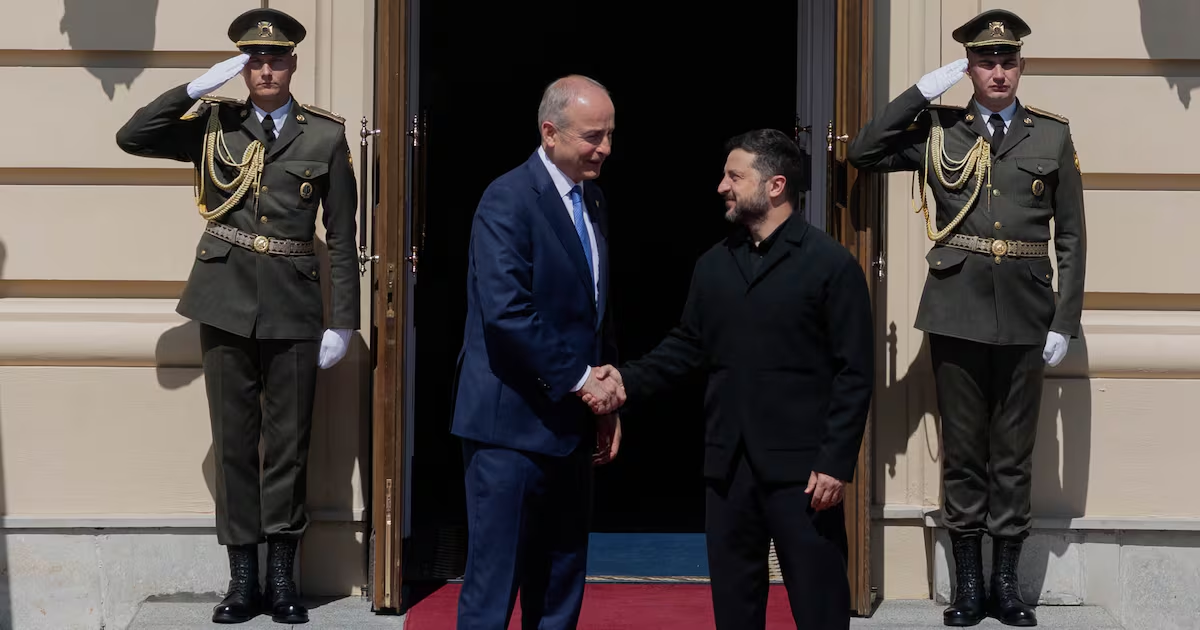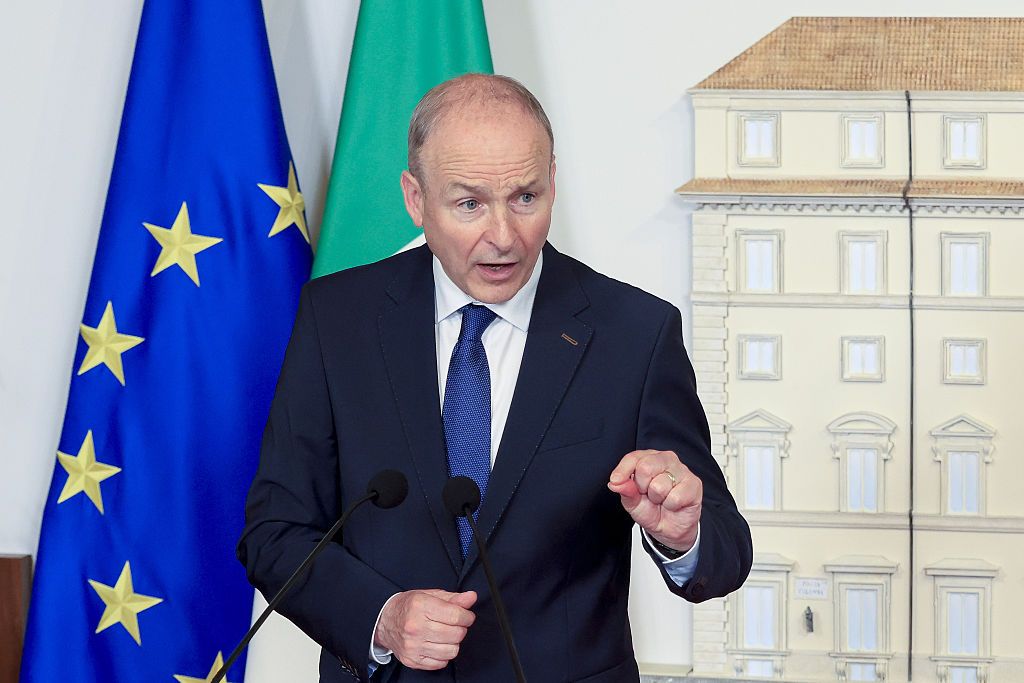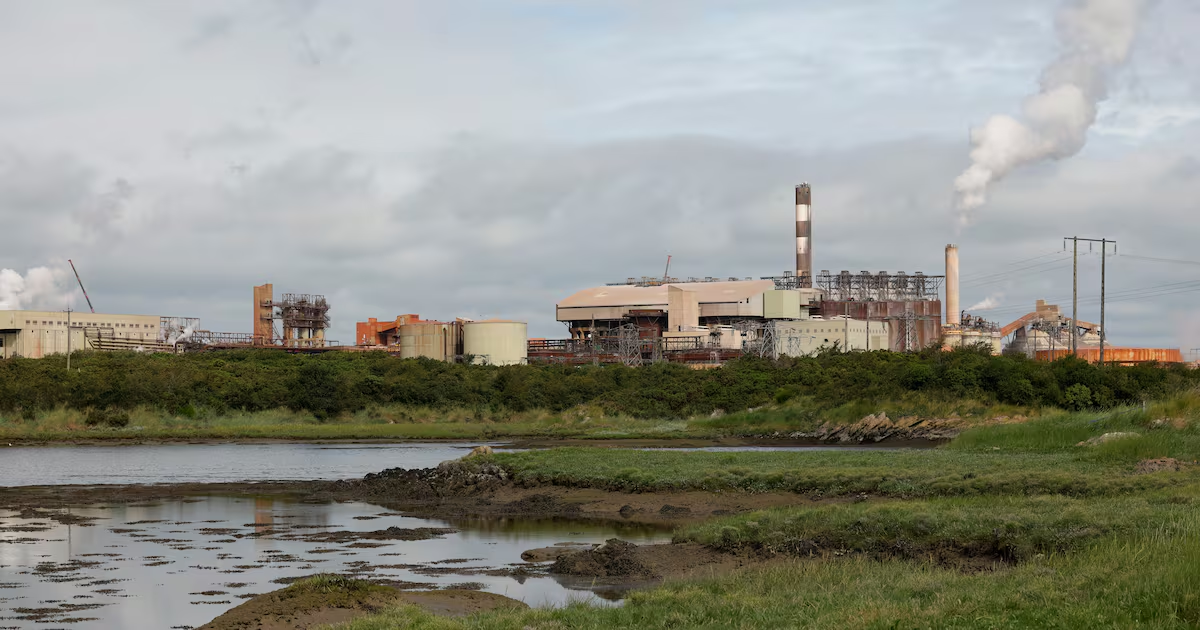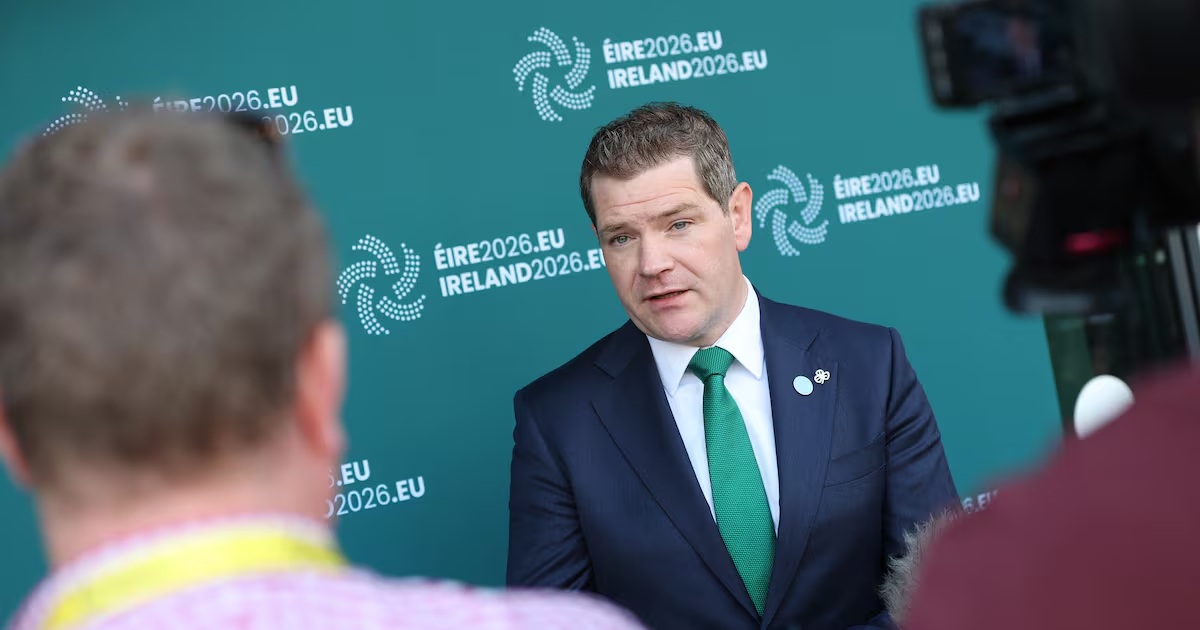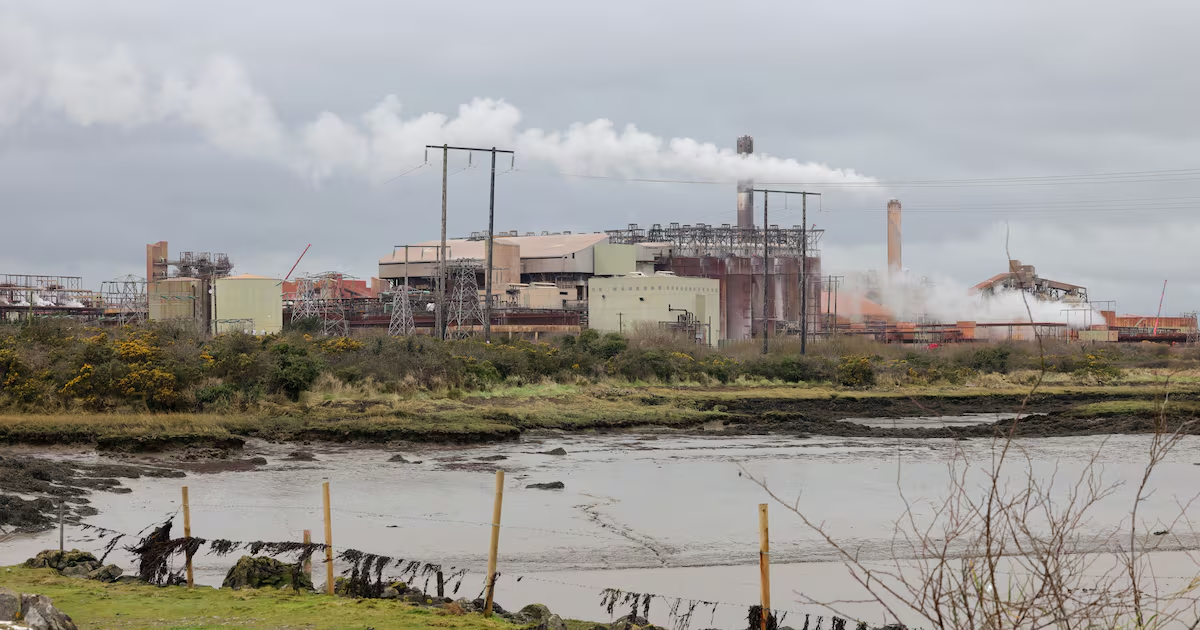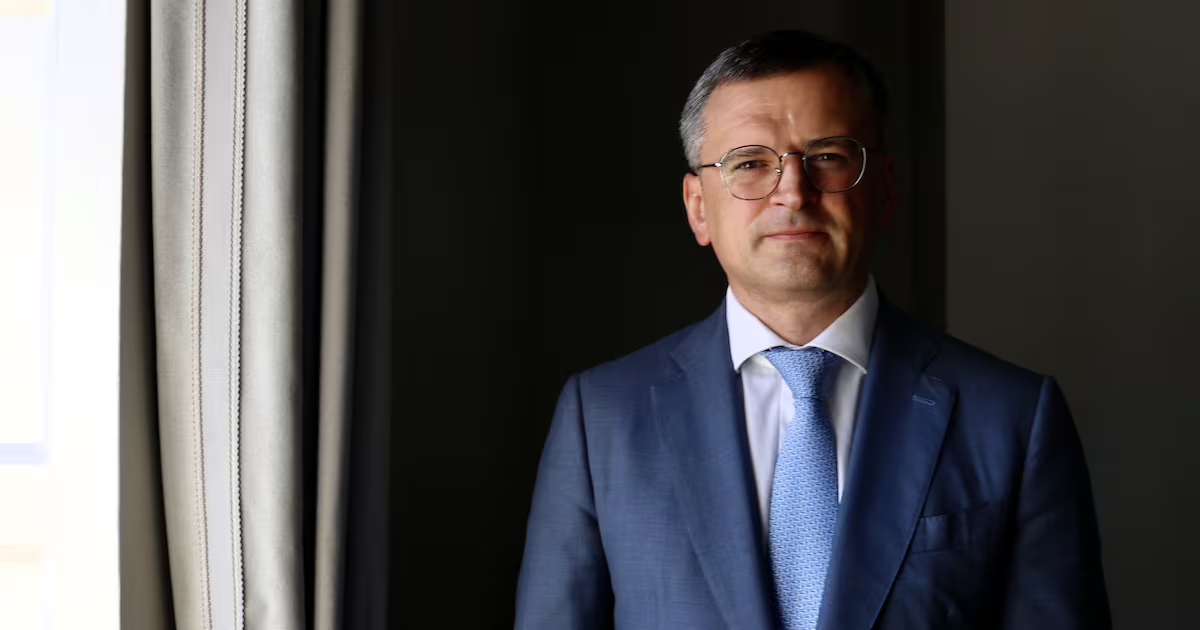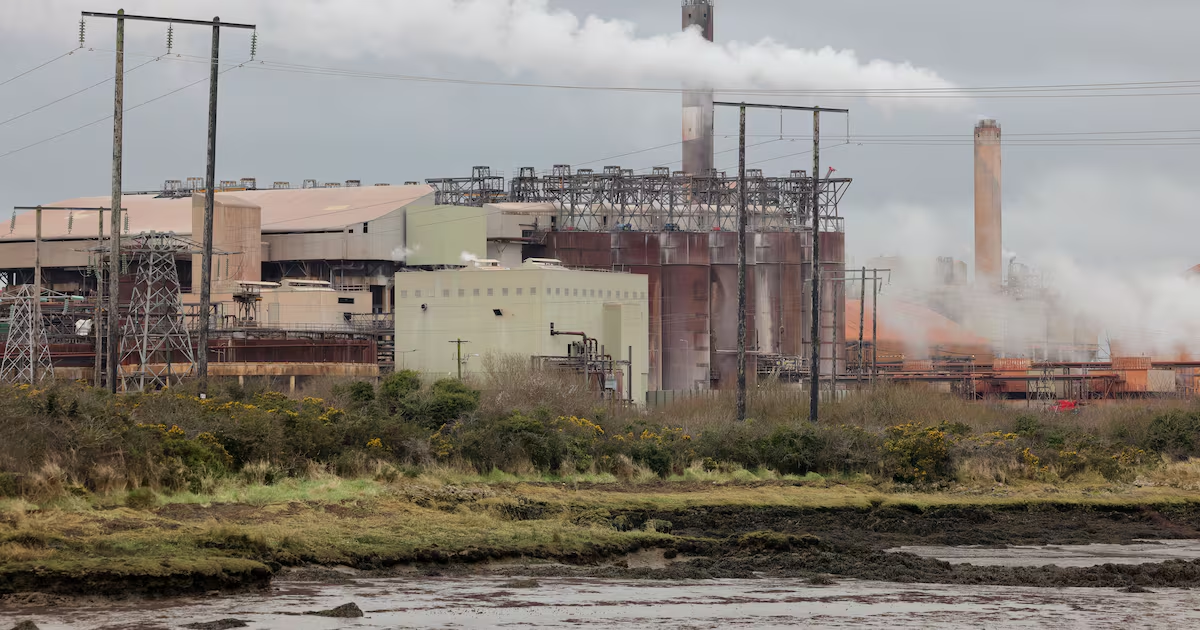
The Republic did not want to have any “hand” in the supply of material for producing weapons that were doing “brutal” damage to Ukraine, Taoiseach Micheál Martin has said. The Government is under pressure to respond to revelations the Aughinish Alumina plant in Co Limerick is shipping vast amounts of alumina to smelters in Russia, where it is used to make aluminium later supplied to dozens of Russian arms manufacturers.The Irish Times on Friday reported that sanctioned Russian oligarch Oleg Deripaska continues to control Rusal, the company that owns the Co Limerick industrial plant, citing a confidential report by Swedish tax authorities. “I would have concerns if material from Aughinish was being used in the war against the Ukrainian people, and particularly in terms of the brutality of that war and the attacks on infrastructure and civilians,” Martin told reporters in Tivat, Montenegro. The plant was a “significant employer” and a lot of livelihoods in the midwest region depended on the facility, he said. “But on the other hand, we don’t want to in any shape or form have product that ends up as weapons or as explosives that impact on Ukraine,” said Martin. An Irish Times investigation in March, carried out in co-operation with the Organised Crime and Corruption Reporting Project, detailed the downstream role the alumina plant plays in the supply chain of the Russian military effort, prompting growing calls for exports of alumina to Russia to be curtailed by EU economic sanctions. Sanctions aimed at hobbling Russia’s ability to continue its war in Ukraine are proposed by the European Commission, the union’s powerful executive arm, and need to be unanimously approved by all 27 national governments. It is understood the bloc’s 21st round of economic sanctions, which are being drawn up, do not include restrictions targeting alumina or the Aughinish plant. Speaking on Friday, the Taoiseach said the Government would “engage” with the commission, on the findings of an ongoing Department of Enterprise investigation into the Aughinish revelations. Rotunda row pits public against private health care Listen | 54:57Any sanctions, which bar exports of certain products to Russia, had to take account of the impact they would have on the supply chains of European industries as well, said Martin. “Alumina as a product hasn’t been sanctioned to date,” he added. “The situation has evolved here in terms of the current export of [Aughinish] products … Our understanding is [it] has shifted over the last two to three years, in terms of the destination of that product,” he said. “It’s something that we clearly are going to examine in terms of having the full facts, and engage with the commission on that,” the Taoiseach added. Russian customs data shows the amount of Irish alumina shipped to Russian smelters had significantly increased between 2020 and 2024. In a recent warning to the Government, the company running the plant said sanctions would harm the supply of alumina to Europe and possibly lead to job losses in the midwest. The company said Aughinish directly employs 475 staff and supports about 400 on-site contractors, with some 1,000 further jobs supported in the wider region. The company has said 45 per cent of the alumina material it produces was exported to Russia last year, while 55 per cent of the output went to European and global industries.
Ireland does not want to have any ‘hand’ in supplying weapons damaging Ukraine, says Taoiseach
Government will discuss findings of investigation into Aughinish Alumina with European Commission, Taoiseach says
554 words~3 min read