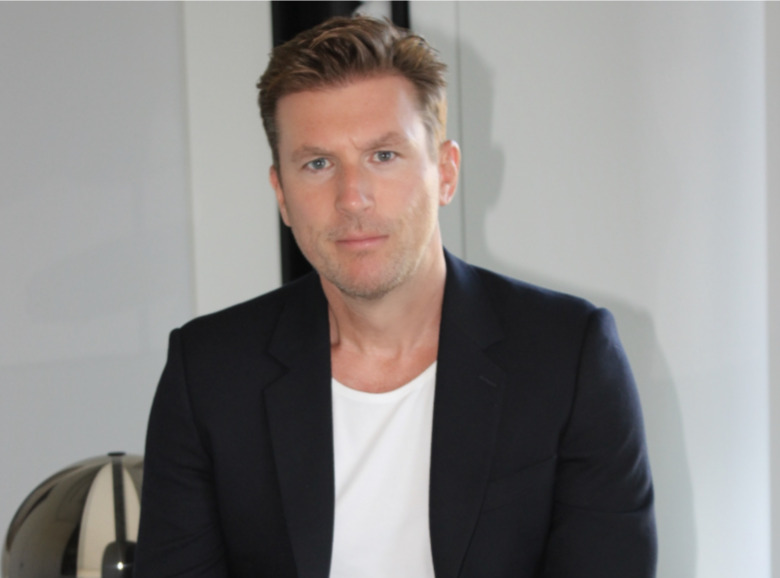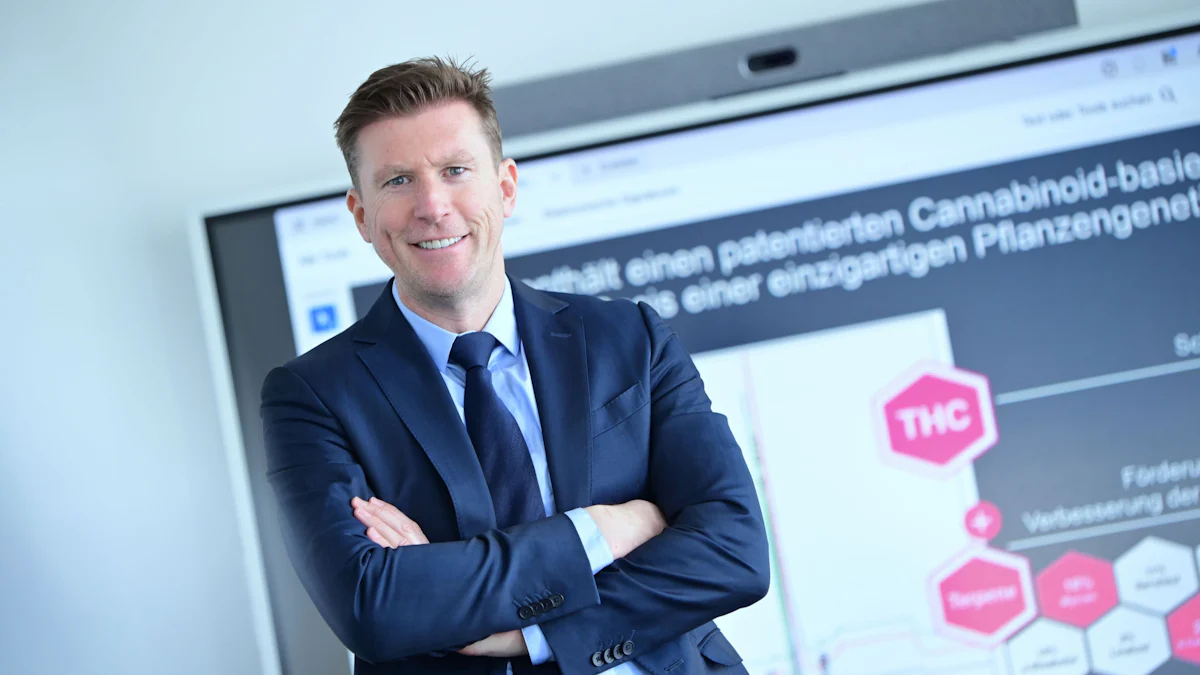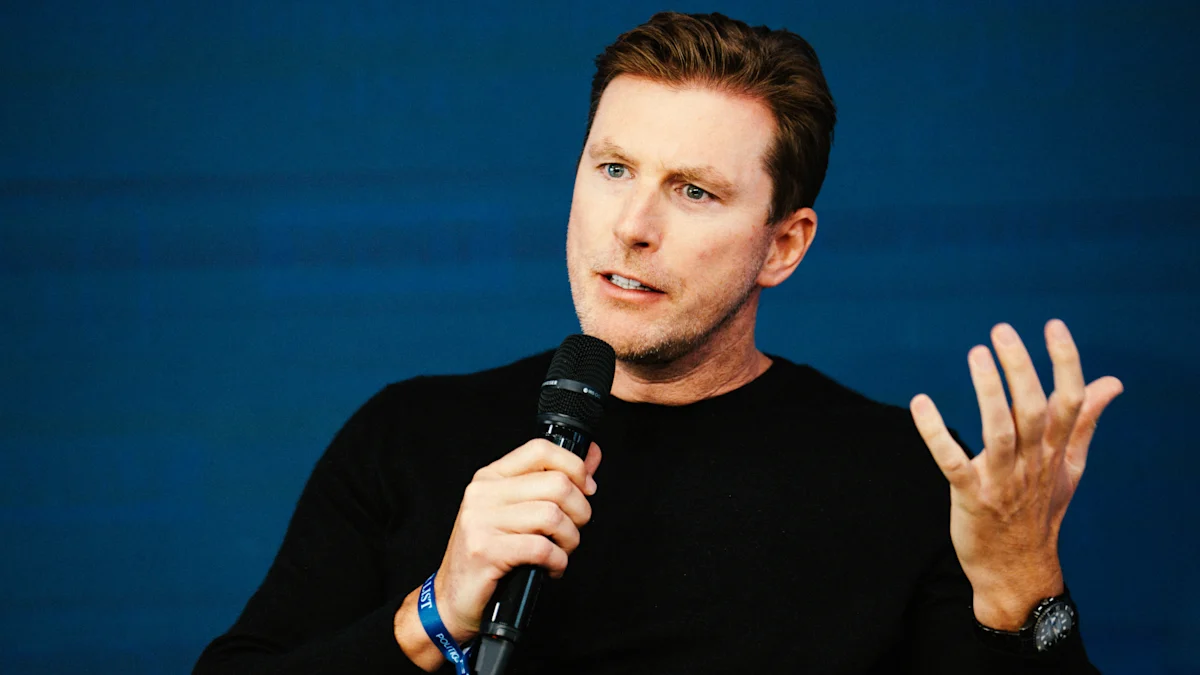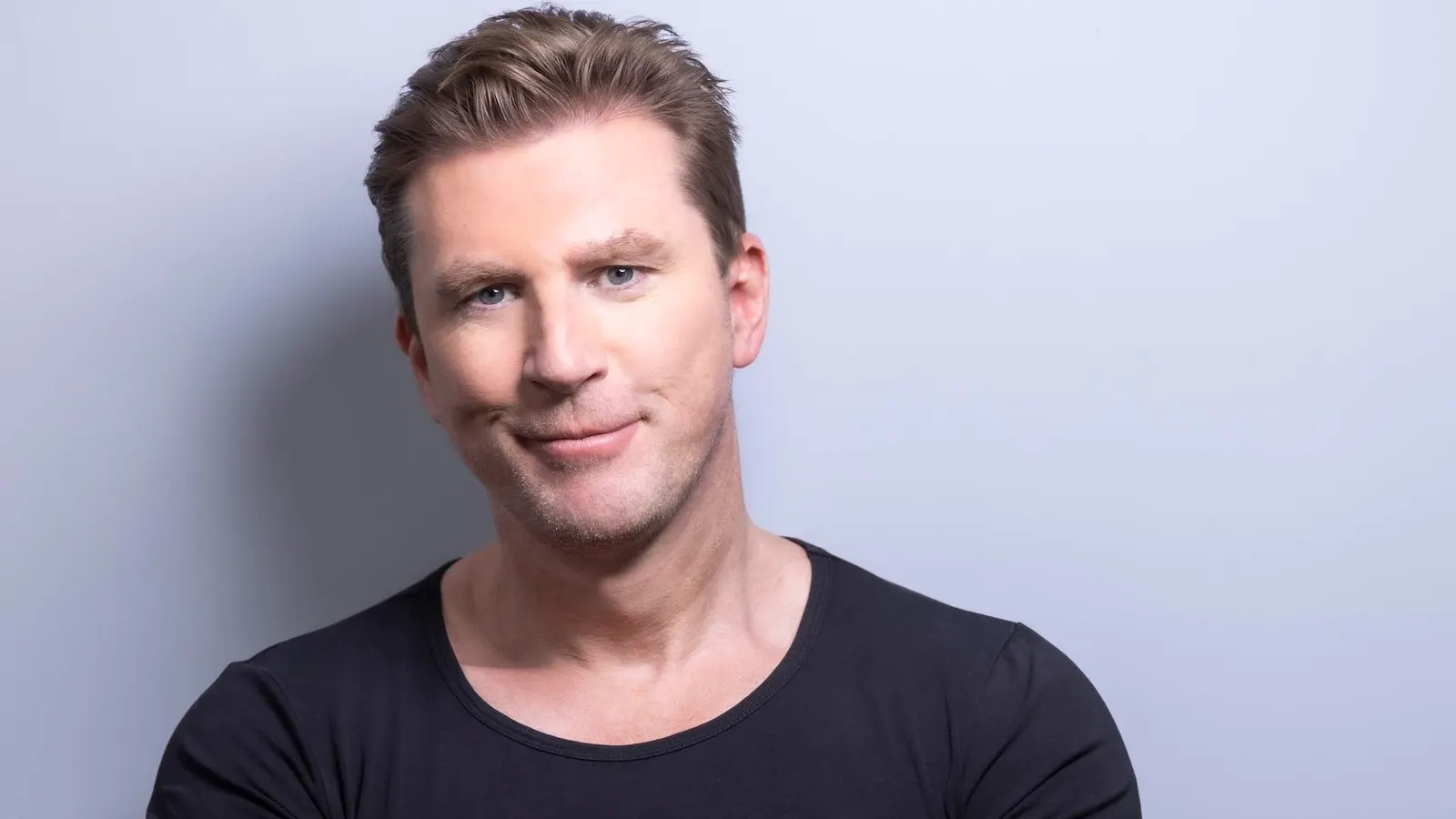
A new botanical drug derived from marijuana has been approved in Germany to treat chronic pain, ushering in a new future for the medical applications of cannabis. In late May, Germany's Federal Institute for Drugs and Medical Devices, which is similar to the U.S. Food and Drug Administration, granted marketing approval for Exilby, an oral tincture derived from marijuana made by German pharmaceutical company Vertanical. Exilby is expected to hit the market this fall. “It was a hard, hard fight, I tell you,” says Clemens Fischer, 50, the billionaire CEO and cofounder of Vertanical. “We are the first company worldwide that has repeatedly shown our drug, our extract, works better than placebo and better than opioids.” Exilby is the first cannabis-derived medication specifically approved to treat chronic pain. The market is potentially huge: there are about 20 million opioid prescriptions written in Germany each year with between 6 million and 7 million potential patients. Last year, Exilby was found to be more effective than opioids, as well as a placebo, during clinical trials in Europe. Exilby was also granted marketing approval in Austria, and the company will be applying for approval in the United Kingdom and throughout the European Union. Fischer’s goal is for it to become the leading medication for chronic pain in the EU, replacing opioid prescriptions, which are highly addictive, unlike Exilby. “We really want to replace opioids; [Exilby] is a new class,” says Fischer. “We want to have at least a 10% share of the opioid market. I think that's more than realistic.”Vertanical’s ultimate goal is to get its drug approved in the U.S., which is home to an even bigger market where about 120 million opioid prescriptions are written a year and the opioid epidemic claimed 44,564 lives last year. In May, the FDA granted Vertanical breakthrough therapy designation for its investigational drug. The company is slated to launch phase III clinical trials in the U.S. this summer. If approved in the U.S., Exilby will likely become a blockbuster drug thanks to the fact that 24% of American adults report chronic pain, according to the CDC. “The U.S. market is by far the most important market and where the demand should be highest in our eyes and the patient need,” says Fischer. Fischer, a former medical doctor, is a serial pharmaceutical entrepreneur, who was born in Weilheim, Germany, and currently runs a mini-empire through the Futrue Group, a Munich-based holding company with a collection of about 20 drug and R&D companies. Over the last two decades, he has built and sold a series of companies in the over-the-counter drug and supplement space, ranging from sleep aids to treatments for irritable bowel syndrome, amassing a $1 billion fortune. In 2017, Fischer was reading news about the burgeoning cannabis industry in the U.S., and something caught his attention: medical marijuana patients were using it to treat chronic pain. He took a trip to California and Nevada and met with more than a dozen companies to do research and find out the best growing methods and looked for strains that could be effective in pain management. Back in Europe, Fischer ordered 500 marijuana seeds and transformed a Danish greenhouse built to grow roses into a 215,000 square foot cannabis nursery and got to work phenohunting, a term marijuana breeders use to find the best cultivar for a specific purpose, whether that is to get someone stoned or medicated. Cannabis in a Bottle: Exilby is a tincture derived from a proprietary marijuana strain grown by Vertanical.Courtesy of VertanicalFischer landed on a strain he calls DKJ-127, which is high in THC, CBD and another cannabinoid called CBN, best known as a sleep aid. Vertanical has received patents in the U.S. and around the world for this strain and its specific use to treat chronic pain, and he believes the company will eventually be his most successful venture. Fischer has invested more than $300 million of his own money in Vertanical, with his business partner Madlena Hohlefelder. After FDA-approved drugs like OxyContin, made by Purdue Pharma, fueled the opioid epidemic in the U.S., medical professionals have been searching for a better option—an effective pain reliever without the risks of addiction, overdose and death. Journavx, a non-opioid drug that dampens the pain signals sent to the brain, was approved by the FDA for acute pain in January 2025. Vertex, the drug’s manufacturer, reported $59.6 million in sales during its first year on the market. Pennsylvania-based Viatris is also trying to get its pain-relief medication, Meloxicam, approved by the FDA.The U.S. opioid market is worth about $20 billion in annual sales, according to Precedence Research, meaning there is a lot of opportunity for alternative drugs. There are more individual prescriptions written in the U.S. for acute pain, but chronic pain is a bigger market. Chronic pain patients are prescribed medication for much longer at higher doses, resulting in higher revenue per patient. Keonhee Kim, an analyst at Morningstar who covers pharmaceutical companies that manufacture opioids, says “even a small share [of the market] could be meaningful.” The societal benefit for an effective, non-opioid treatment for chronic pain cannot be overstated. Caleb Alexander, a professor of epidemiology and medicine at John Hopkins Bloomberg School of Public Health, says the benefits of a drug like Exilby will all depend on how it is used, which will take a while once patients start being prescribed. “It’s a product to watch closely, it’s a first in class, a novel drug,” says Alexander, who is not involved with Vertanical or its clinical trials. “It could be another tool in the toolbox. Pain remains a devastating condition for millions of Americans, and we have learned the hard way that in most cases opioids are not the answer.” Vertanical is not alone in its quest to transform marijuana into an FDA-approved medicine. The Stanley Brothers, known for popularizing CBD with their groundbreaking company Charlotte’s Web a decade ago, are currently developing a hemp-derived drug to treat several symptoms associated with autism. The botanical tincture of CBD and THC, extracted from a patented strain of Charlotte’s Web hemp plants, passed FDA Phase I trials and was cleared to enter Phase II to study the drug’s efficacy and side effects last year. (Typically, only 33% of drugs make it through Phase II trials.)As with The Stanleys’ experimental medication, Vertanical’s Exilby is also following the FDA’s botanical drug pathway, meaning it is wholly derived from the plant and not a synthetic single molecule drug, like most pharmaceuticals on the market. With the green light to start its Phase III trial in the U.S., Vertanical will now enter the most challenging part of the process which monitors adverse reactions and efficacy in a larger patient population. Historically, more than 70% of medications fail in Phase III.Botanical drugs can often be more difficult to get approval than single molecule drugs due to the sheer number of active compounds in plants. Exilby, for instance, contains more than 100 compounds. Currently, there are only four FDA-approved botanical drugs, including sinecatechins, a topical cream for genital warts made from green tea leaves and marketed as Veregen.It is not, however, an impossible task to transform marijuana’s active compounds into medicine. In 1985, the FDA approved Marinol, a synthetic form of THC called dronabinol, for cancer and AIDS patients. Marinol’s sales are estimated at around $250 million annually. The current cannabis-derived blockbuster is Epidiolex, a CBD tincture that has been FDA approved for children and adults with Lennox-Gastaut syndrome, Dravet syndrome and other rare epilepsy seizure disorders. With a small patient population hovering around 100,000 people globally, Epidiolex, owned by Ireland-based Jazz Pharmaceuticals, has managed to surpass $1 billion in sales last year. Fischer believes if Exilby is approved in the U.S., its sale will dwarf that of Epidiolex. “They have just a few thousand patients in the world, right? In comparison, how many patients do you know with chronic back pain?” he says. “Our patient population is a few hundred times bigger than theirs.” Fischer is also fortunate that the federal government has officially changed its attitude towards cannabis. In April, the Department of Justice reclassified medical marijuana from a banned Schedule I drug—alongside heroin and LSD—to a Schedule III drug, a much less restrictive category that includes steroids, ketamine and Tylenol with codeine. This movement could signal that the FDA will be more receptive to pharmaceutical drugs containing cannabinoids. Peter Grinspoon, a primary care physician at Massachusetts General Hospital and an instructor in medicine at Harvard Medical School, says rescheduling cannabis will likely make getting through the FDA process easier. “I think it's an extremely big deal because 90% of Americans support legal access to medical marijuana,” says Grinspoon, who has specialized in medical cannabis for more than 25 years and recently published a book, Aging Well With Cannabis. “Many people are much more comfortable getting it from their doctor and they're much more comfortable if it's wrapped up as a medicine.”Fischer’s audacious, and impossible goal, is to usher in a “world free from chronic pain,” which he says he believes he can achieve. But he will settle for creating a new class of drugs that becomes a blockbuster. “I spent all my money,” says Fischer. “There is no plan b for me; I must make it a success.” More from ForbesForbesThis Pharma Billionaire Is Developing A Cannabis Painkiller To Replace Dangerous OpioidsBy Will YakowiczForbesThe Kings Of CBD Are Now Cooking Up Plans To Make Billion-Dollar Meds From Cannabis And MushroomsBy Will YakowiczForbesMeet The Cannabis Industry’s Trump WhispererBy Will Yakowicz
The Inside Story Of The World’s First Cannabis-Based Painkiller
Now that Vertanical’s Exilby has been approved in Germany to treat chronic pain, Clemens Fischer, the pharma billionaire behind it, has set his sights on the U.S. market.
1,592 words~7 min read