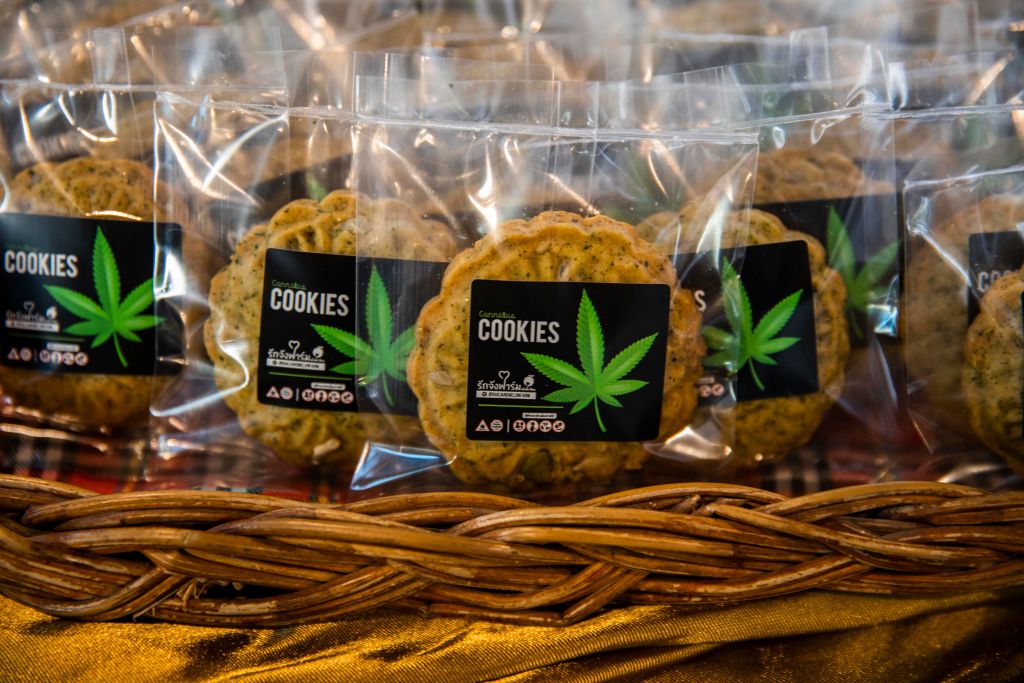
As countries go hard on products, Brussels goes softer on the crop
The market for non-psychoactive cannabis products – from cookies to tea bags – is in trouble as EU countries impose fresh restrictions.
The Cannabis sativa plant has long been in policymakers’ crosshairs. Beyond its psychoactive component, tetrahydrocannabinol (THC), the plant is prized for its fibres, which are used in everything from textiles to bioplastics and construction material. Meanwhile, the flower-derived compound cannabidiol (CBD), widely considered non-intoxicating because it contains only trace THC, has also grown in popularity.
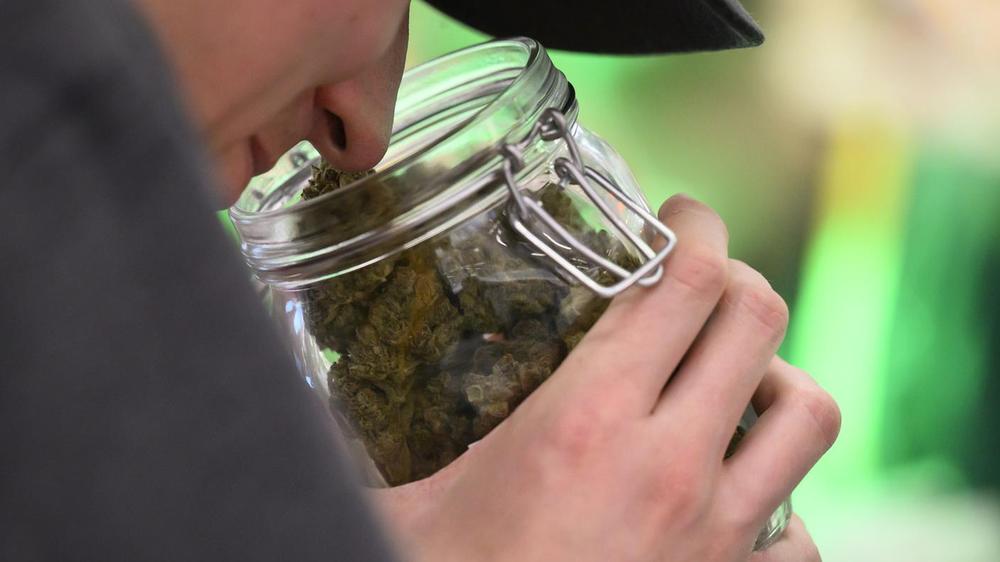
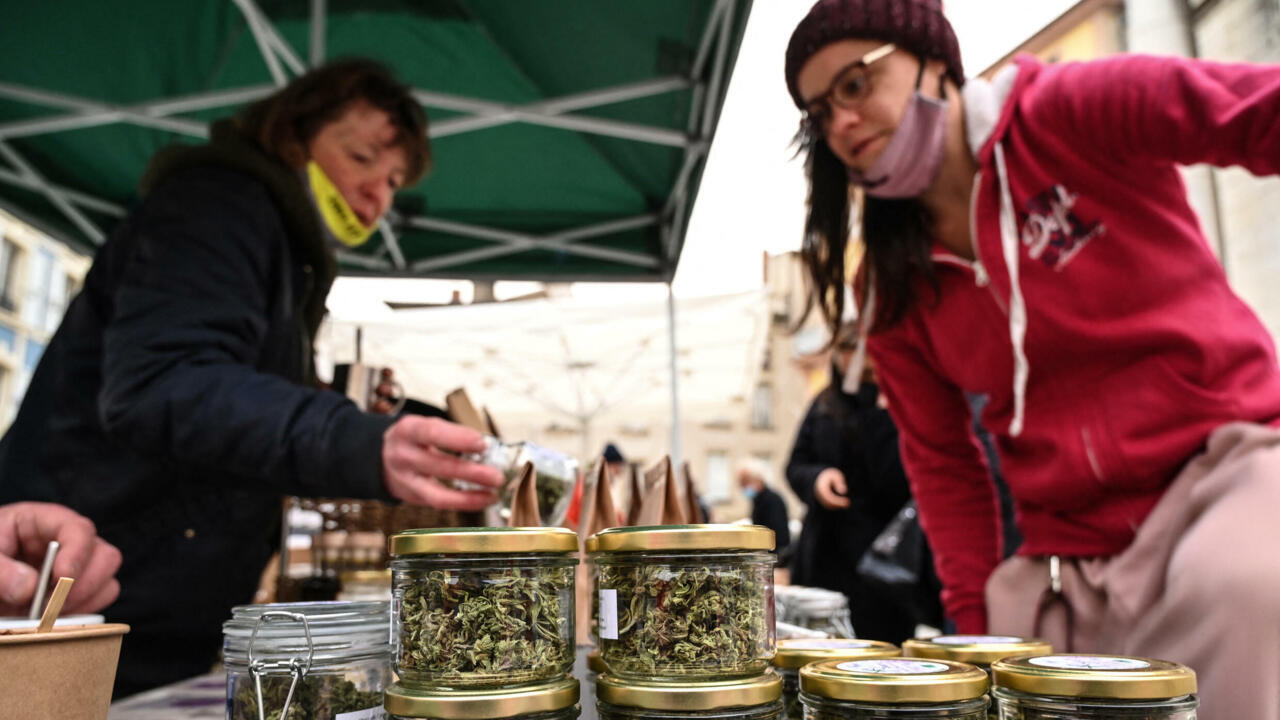
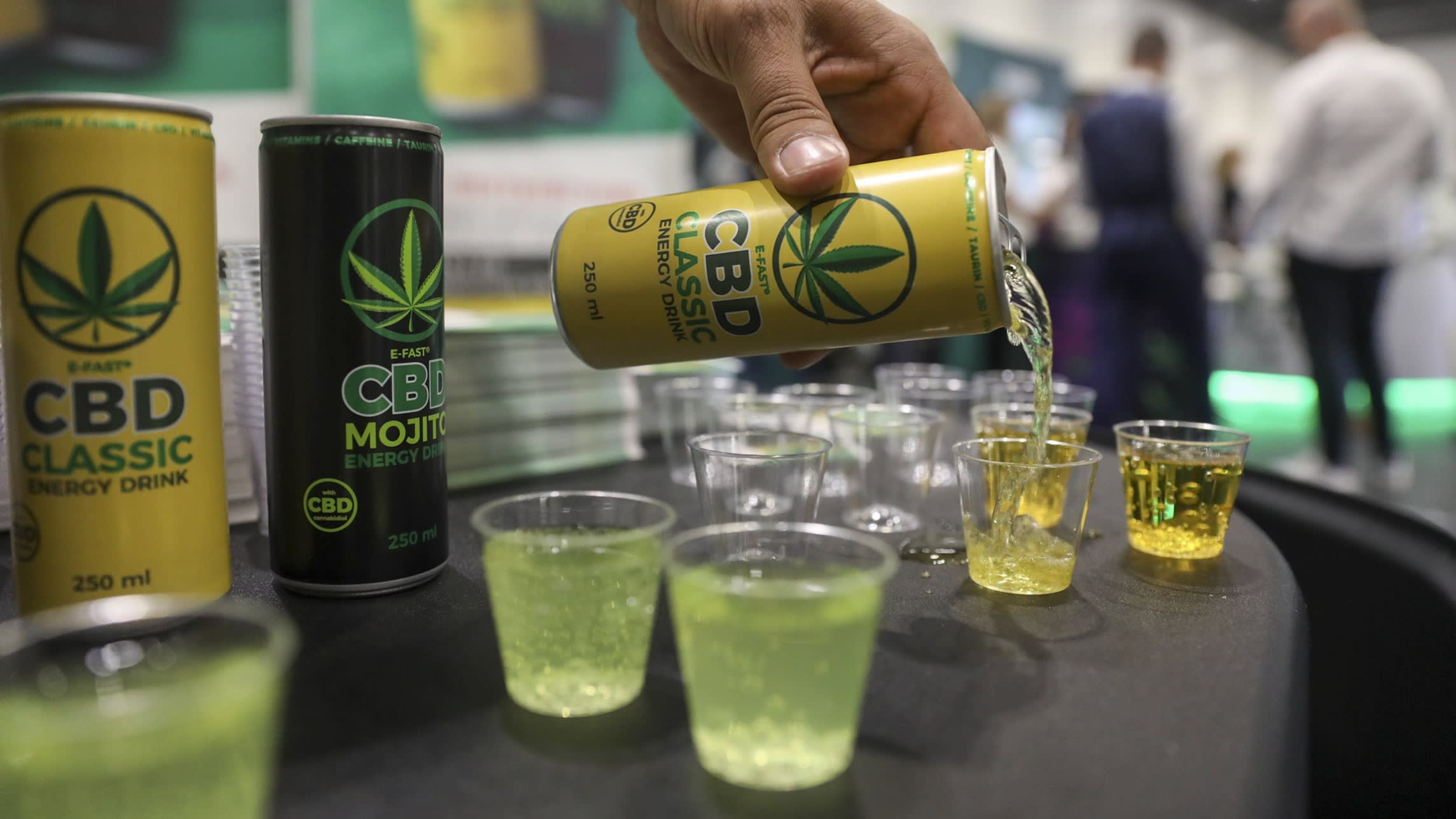
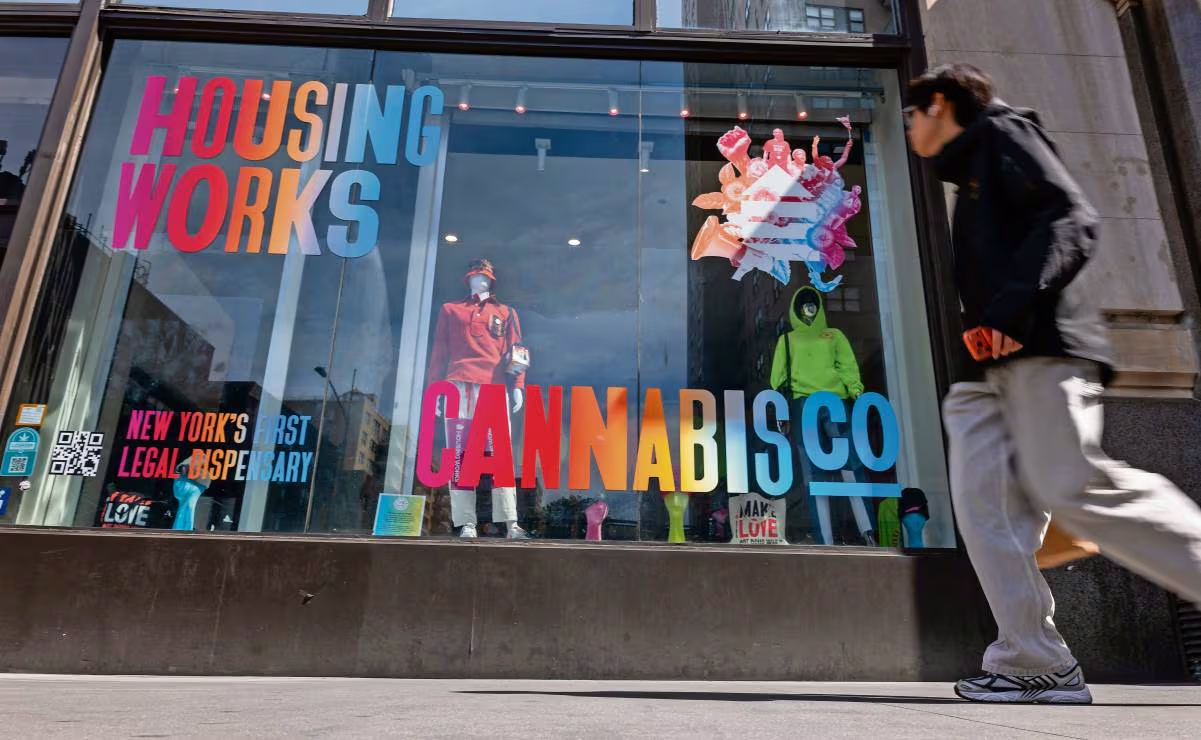
Famous for its relaxing and alleged medicinal properties, CBD is increasingly featured in edibles like sweets, chocolates, and oil-based food supplements, sold in accessible online stores or even eye-catching shops in the heart of Paris and other European capitals. While the EU Court of Justice ruled in 2020 that CBD should not be treated as a narcotic drug, it is still associated with health hazards.
Log in to continue reading for free