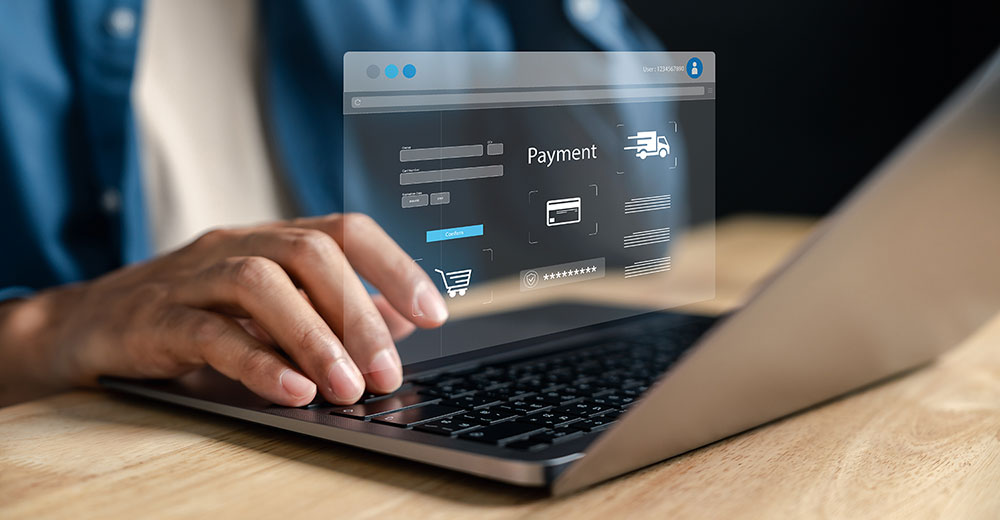
When you make a payment online, transfer funds, or open a new financial account, a set of invisible but powerful processes springs into action behind the scenes. Know Your Customer (KYC) and Anti-Money Laundering (AML) protocols are the backbone of modern payment security, designed to verify who you are and ensure that the money moving through financial systems is clean, traceable, and legitimate. Understanding how these frameworks work helps you appreciate why identity checks are not just a regulatory formality – they are a frontline defense for everyone who participates in the financial ecosystem.
What KYC Actually Means for You
KYC refers to the process by which financial institutions and payment processors verify your identity before allowing you to transact. When you open a bank account, sign up for a payment platform, or apply for a great debt collection merchant account, you are asked to submit identifying documents – a government-issued ID, proof of address, and sometimes biometric data. This is not bureaucratic overreach. It is a structured process designed to ensure that the person or business on the other side of a transaction is who they claim to be. KYC requirements vary by jurisdiction and industry, but the core objective is consistent: establish identity, assess risk, and create an auditable record.