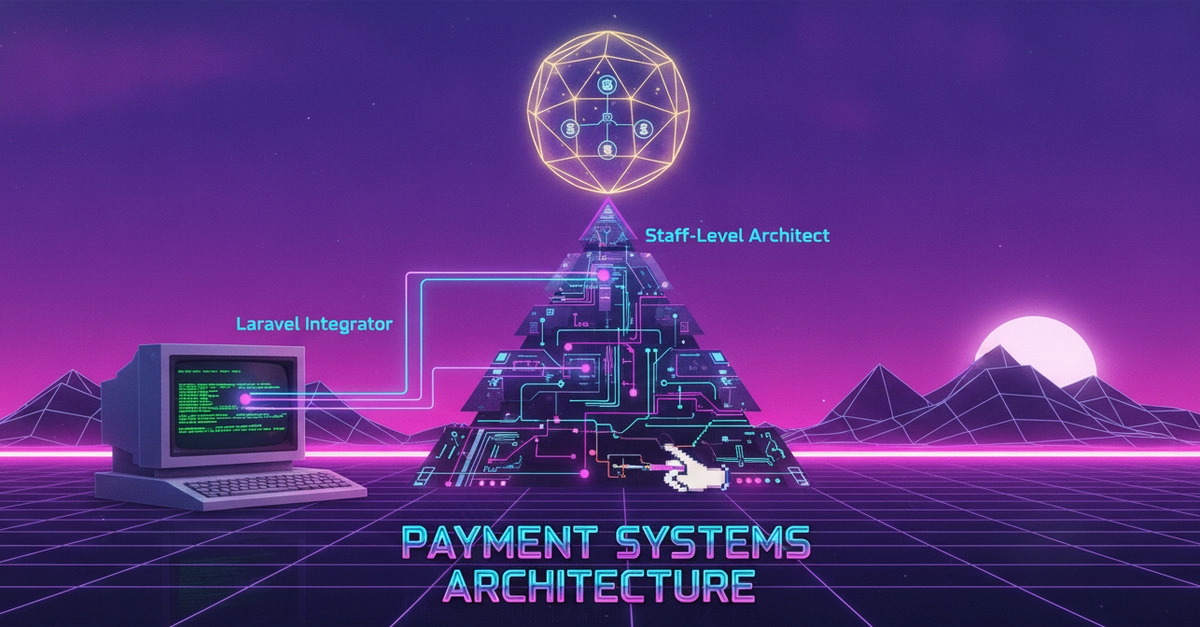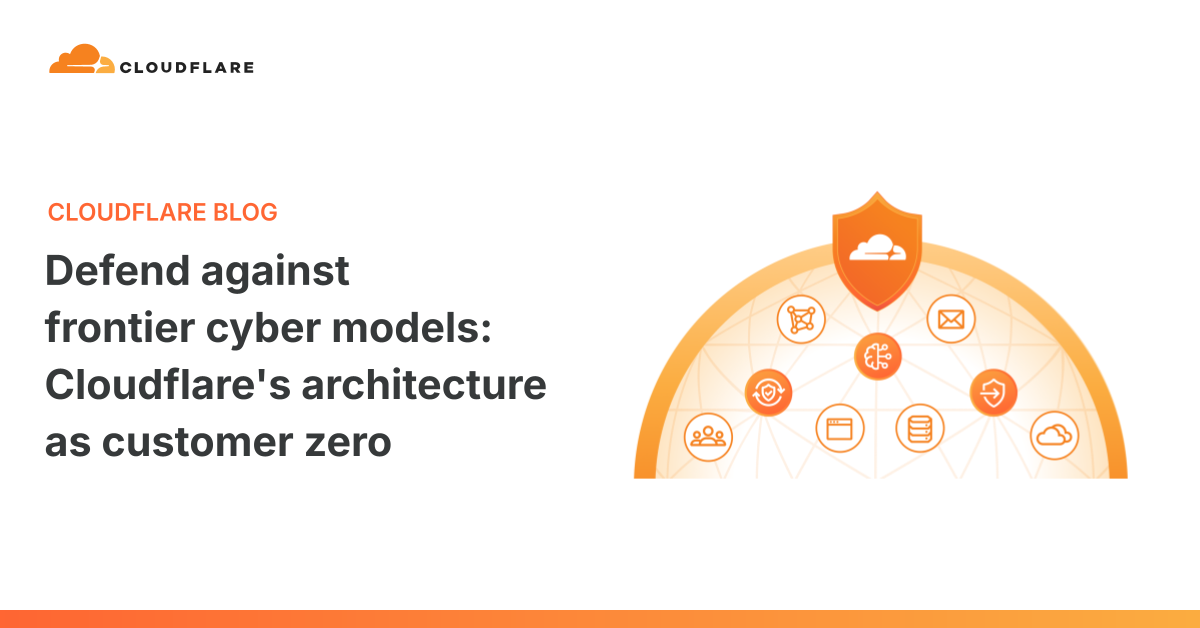
In most systems, security is a layer you add. In payment infrastructure, it's the constraint the architecture is built around. The difference shows up in every decision: where data lives, how it moves, who can reach it, and how much of the system is in scope when the auditor arrives. You don't bolt security onto a payments platform — you start from the threat model and let it shape the topology.
This is security-first infrastructure from the operator side of a high-volume digital payments platform in a regulated environment. Not a checklist of controls, but the architectural logic behind them: why the highest-risk data gets the smallest blast radius, why keys live in hardware, and why the most important security metric is how little of your system the auditor has to look at.
Quick definitions. CDE (Cardholder Data Environment) is the set of systems that store, process, or transmit sensitive payment data — the part under the strictest controls. HSM (Hardware Security Module) is a tamper-resistant device that generates and uses cryptographic keys so they never exist in plaintext on a general-purpose server. Tokenization replaces sensitive data (a card number) with a useless stand-in (a token). PCI DSS is the payment-card security standard; "Level 1" is the tier for the highest transaction volumes, with the most rigorous assessment. Scope reduction is the practice of shrinking the CDE so fewer systems fall under those controls.