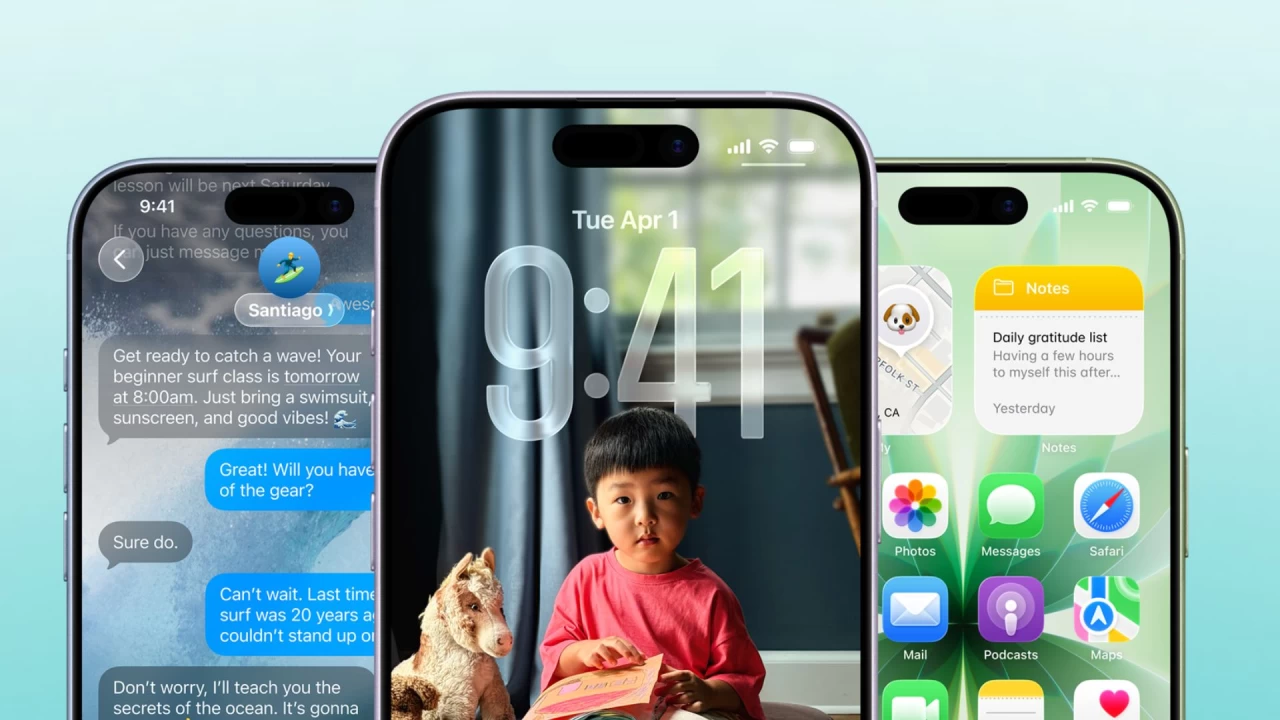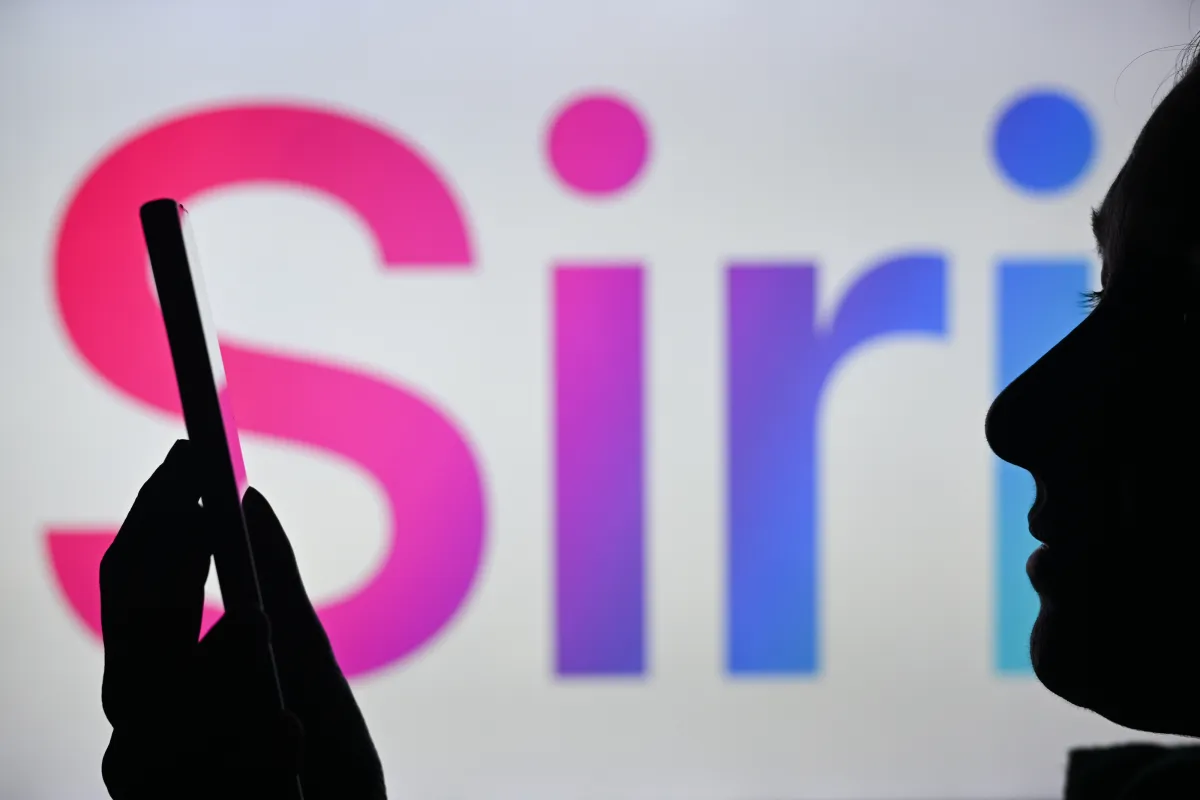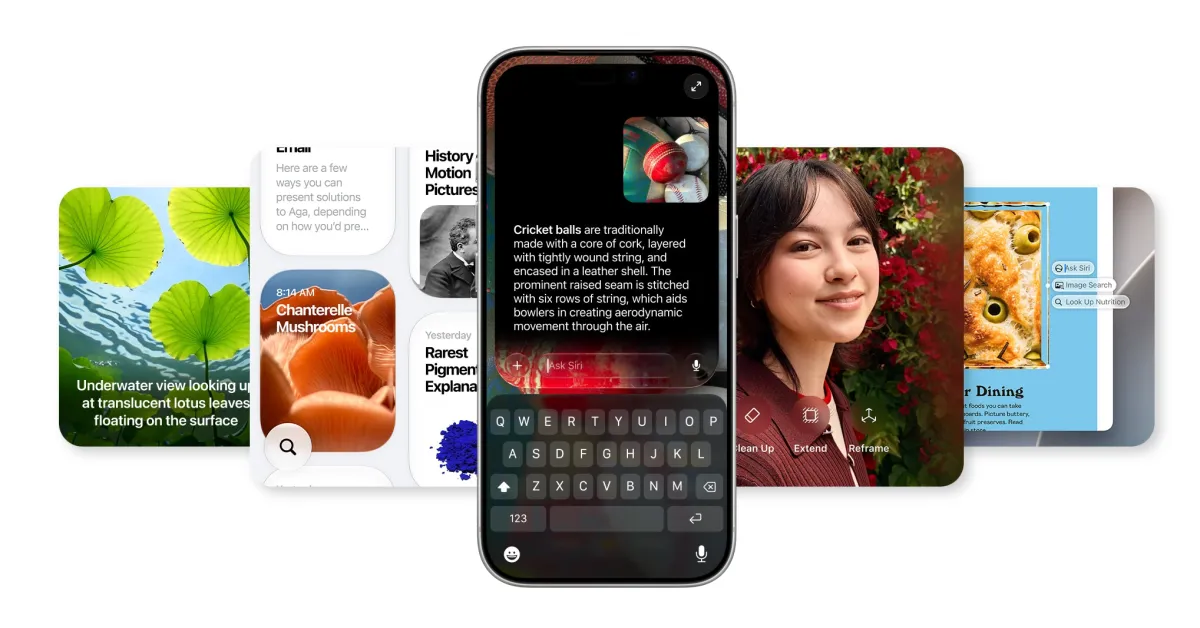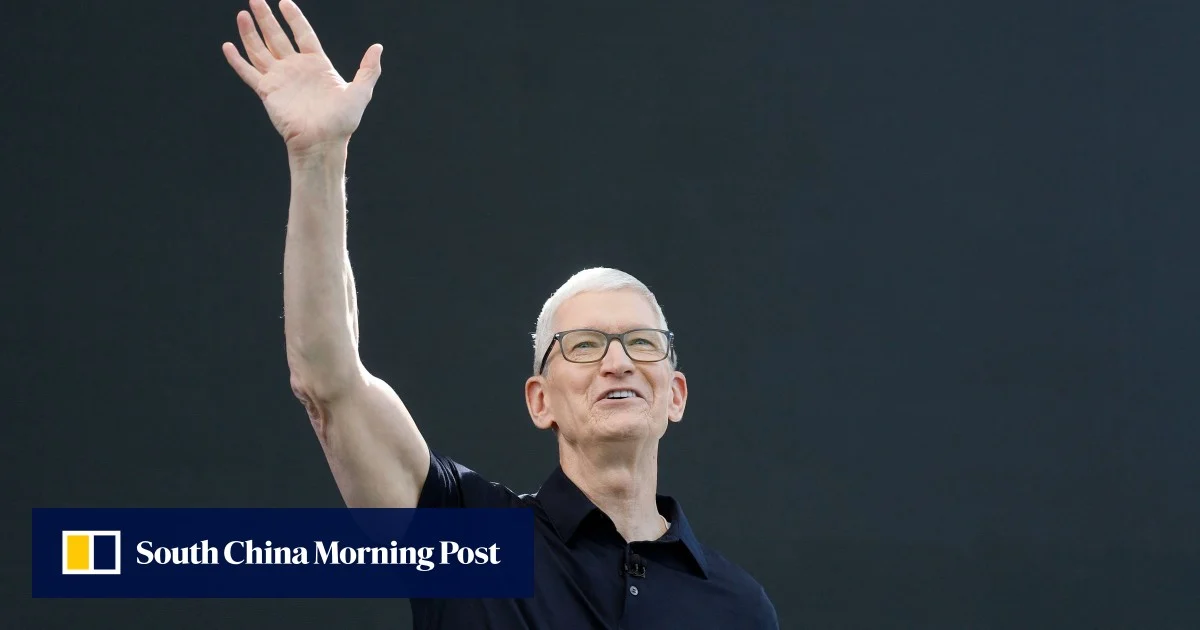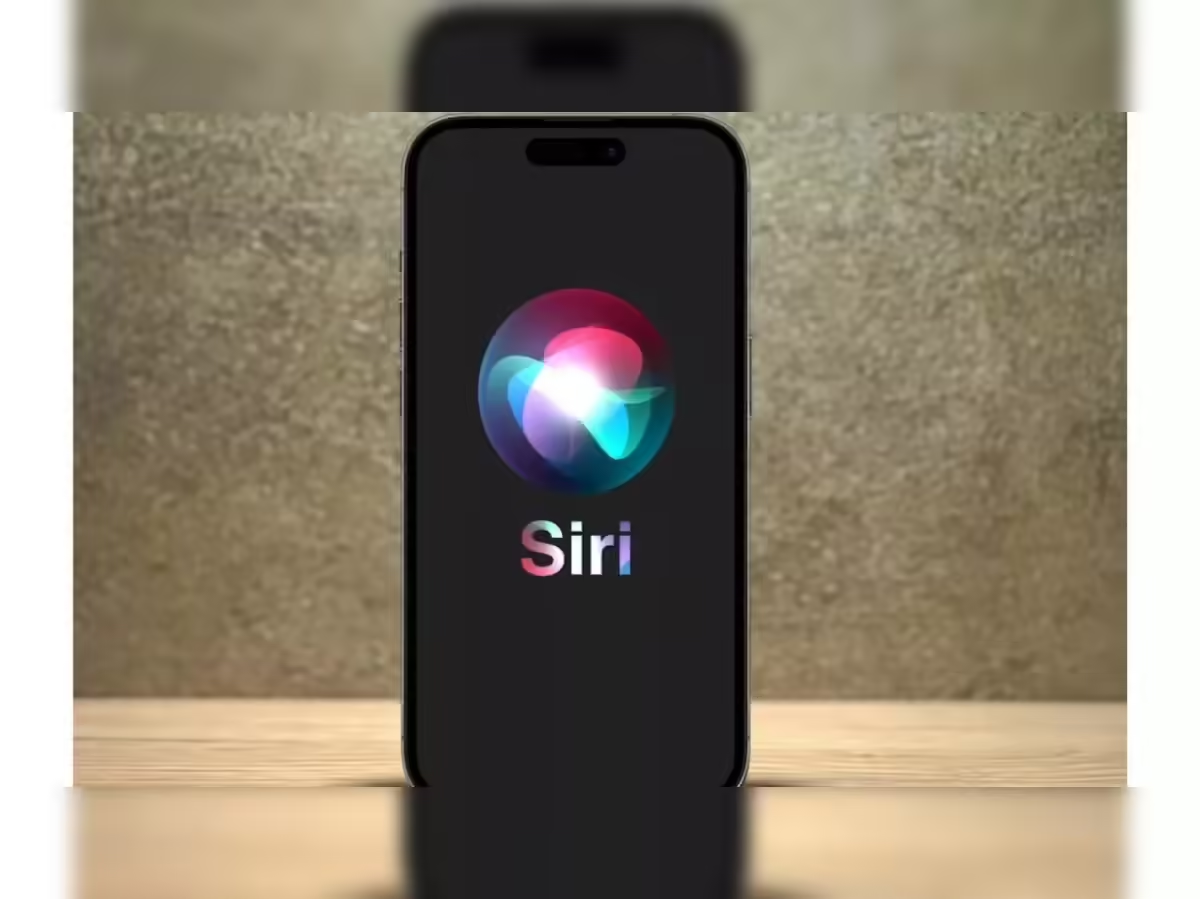
Apple is finally releasing the long-promised smarter version of its Siri digital assistant, but iPhone and iPad users in the EU face a delay. The tech giant debuted Siri AI, which uses Apple Intelligence to make it more conversational and useful, at its developer conference on Monday, delivering on promises it made two years ago. Apple plans to launch a beta version of the software later this year, but the company said it would not yet introduce Siri AI for its phones and tablets in the EU, blaming the Digital Markets Act for the delay. In a statement, Apple said EU regulators had not accepted any of its proposed solutions that would bring Siri AI to the EU while also “safely supporting” other virtual assistants.“We’re deeply disappointed that our EU users won’t have Siri AI on iPhone or iPad when we share our new software releases later this year,” said Craig Federighi, Apple’s senior vice president of software engineering. “Our hope is to eventually bring Siri AI to the EU, and we will continue to engage with EU regulators on a path forward. However, their refusal to engage constructively on solutions that preserve privacy and security means we do not currently have a timeline for Siri AI’s availability on iOS and iPadOS in the EU.”Apple will make Siri AI available for its Mac and Vision Pro products in the EU. The new assistant is more conversational and will be able to understand personal context, use visual intelligence to analyse on-screen content, and complete tasks across apps. Its dedicated Siri AI app will also let users refer back to previous conversations. The company has lagged its rivals on the introduction of AI capabilities to its devices. However, this year’s Worldwide Developer Conference saw Apple announce a slew of new features powered by its Apple Intelligence software. One of the key announcements was the upgraded Apple Intelligence based on the latest Apple foundation models that have been integrated into the platform. That brings new editing capabilities to the Photos app, the ability to organise tabs by topic in Safari, and upgraded security protection in the Passwords app. Apple also introduced a new photorealistic imagery into the Image Playground app. “The company must now prove that its privacy-led, integration-first approach can translate into a meaningfully better everyday experience, not just parity with rivals. Whether it has succeeded or not will come down to user reaction when new capabilities are in their hands,” said FDM CCS Insight analyst Ben Wood. “Having acknowledged its shortcomings at last year’s event, there was no margin for error. Many of the new AI-powered capabilities are similar to those offered by rivals, but Apple has a strong history of integrating such features in ways that make them more accessible to users across its deeply integrated hardware, software and services. It is also clearly seeking to differentiate through its privacy promises. This looks like a step in the right direction, but there is no room for complacency, and Apple still has a long AI journey ahead.”Apple also revealed new child safety measures for its platforms, and improvements to its operating systems that will make the software more reliable and perform better, particularly with older devices. Parents will have access to improved Screen Time capabilities, including schedules for access to apps, automatically enabled age-based safeguards, and expanded Communication Safety features to warn about violent content. Access to new websites can be limited with an ‘ask to browse’ feature that requires parental approval. “This is definitely a step in the right direction; however, I believe that stronger cross-industry safeguards need to be built into operating systems at a deeper platform level that deliver protection not only in native apps but for every interaction a child has with a device. Apple is well-positioned to be a driving force in this area.This year’s WWDC was also a milestone for Apple as current chief executive Tim Cook prepares to hand over the reins to hardware boss John Ternus. “The Ternus era starts with Apple needing to show that its unique blend of hardware, software, silicon and services can deliver a more intelligent and more personal ecosystem. If Apple lands this well, Cook leaves with a strong final chapter, and Ternus inherits a clear path forward. If progress feels too incremental, the narrative will remain that Apple is still carrying unfinished business in the most important technology shift of the decade,” said PP Foresight analyst Paolo Pescatore. “Apple now needs to show that its AI strategy is not simply catching up, but laying the foundations for the next era of personalised computing.”
EU customers to miss out on Apple’s new smarter Siri
Tech giant’s plan to infuse its voice assistant with AI is being closely watched
766 words~3 min read