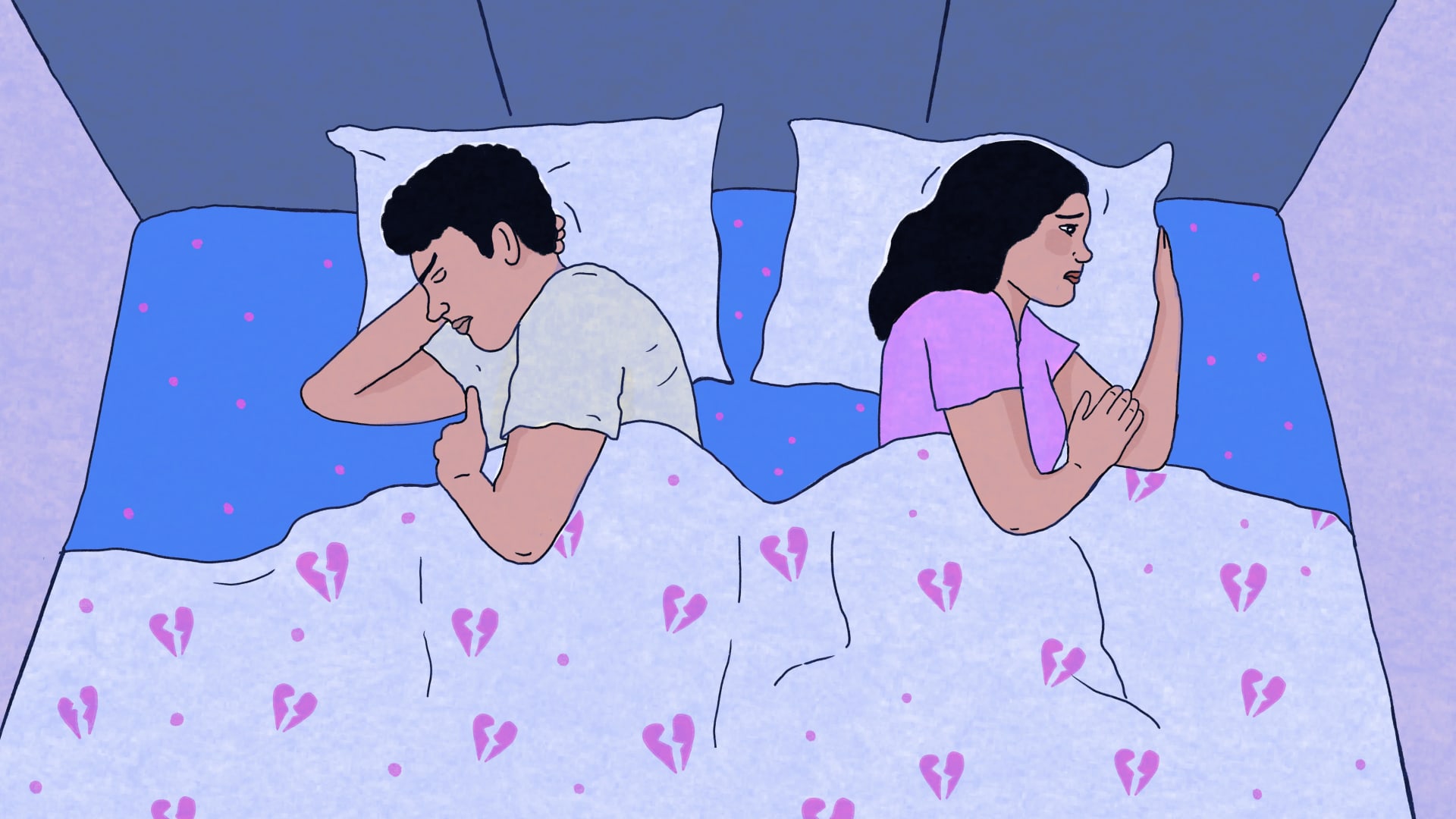
Most people believe they would leave a relationship if it became unhealthy. Yet in reality, many stay far longer than they intended. They tolerate constant arguments, emotional neglect, manipulation, or a lack of respect—not because they are happy, but because they are afraid of what comes next. Psychology suggests that one of the strongest forces keeping people in unhealthy relationships is not love. It is the fear of being alone.This idea connects closely to the work of Carl Jung, the famous Swiss psychiatrist who believed that many of our decisions are driven by unconscious fears and unresolved emotional needs. According to Jung's theories, people often seek relationships not only for companionship but also to avoid confronting parts of themselves they find uncomfortable.As a result, some individuals choose familiar unhappiness over the uncertainty of solitude.You Might Also Like:Psychology by Carl Jung: Why loneliness feels so threateningOne of Jung's most influential ideas was the concept of the Shadow Self. The shadow represents the parts of ourselves we avoid, suppress, or refuse to acknowledge.When people are constantly surrounded by a partner, they may never have to face these uncomfortable emotions directly. Being alone removes that distraction.Psychology says people stay in toxic relationships for these 5 reasons: Carl Jung explains whyImagine a fictional example. Emma has been dating her boyfriend for six years. The relationship has become emotionally draining, and they argue almost every week. Despite this, she stays.You Might Also Like:Why?The thought of being alone forces her to confront feelings of insecurity and self-doubt she has avoided for years. Remaining in the relationship feels safer than facing those emotions. According to Jungian psychology, people often fear what solitude might reveal about themselves.Psychology by Carl Jung: The comfort zone trapPsychologists frequently discuss the concept of status quo bias, the tendency to prefer familiar situations even when they are harmful. Jung's theory of individuation the process of becoming one's authentic self, suggested that personal growth often requires discomfort.In a fictional scenario, Michael knows his relationship is unhealthy. His partner frequently dismisses his opinions and rarely shows appreciation. Yet he stays because the relationship feels predictable. Leaving would mean entering an uncertain future.Human beings are naturally wired to avoid uncertainty. Research in behavioral psychology shows that people often choose known discomfort over unknown possibilities because uncertainty activates anxiety.The result is a psychological trap: the relationship becomes painful, but the fear of leaving feels even worse.Psychology by Carl Jung: Emotional dependency and identityAnother lesson that can be derived from Jung's work involves identity. Jung believed people often project unmet needs onto others. Instead of developing inner confidence, they may rely on relationships to provide validation and self-worth.Consider a fictional woman named Sarah. Over time, she begins defining herself entirely through her relationship. Her social life, goals, and confidence become dependent on her partner's approval.When the relationship deteriorates, leaving feels impossible because she fears losing not only the relationship but also her identity.This aligns with modern attachment theory, which suggests that people with anxious attachment styles often fear abandonment and become overly dependent on relationships for emotional security.Psychology by Carl Jung: Why people mistake attachment for loveOne of the most important psychological lessons from Jung's ideas is that attachment and love are not the same thing. Attachment is often driven by fear. Love is ideally driven by choice.In a fictional example, Daniel remains with a partner who repeatedly breaks promises. When friends ask why he stays, he says he cannot imagine life without her.Psychologists would argue that Daniel may be describing emotional attachment rather than a healthy form of love. Jung believed genuine emotional growth occurs when people develop a strong relationship with themselves first. Without that foundation, relationships can become emotional shelters rather than healthy partnerships.Psychology by Carl Jung: The lesson hidden inside solitudeJung often emphasized self-discovery and inner development. From this perspective, solitude is not something to fear. It can become an opportunity for growth.Many people discover new strengths, interests, friendships, and goals only after leaving relationships that no longer serve them. While the transition may feel uncomfortable, it often creates space for greater emotional independence.Psychology says people stay in toxic relationships for these 5 reasons: Carl Jung explains why Modern psychologists refer to this as post-traumatic growth, the positive psychological changes that sometimes emerge after difficult life experiences. In other words, the loneliness people fear may actually become the catalyst for personal transformation.Carl Jung's psychological theories suggest that many people remain in unhealthy relationships not because they are deeply in love, but because they are afraid of confronting loneliness, uncertainty, and parts of themselves they have long avoided.The lesson is not that relationships are harmful. Rather, it is that healthy relationships should be built on connection, not fear. Sometimes the greatest act of self-growth begins when a person realizes that being alone is not the same as being lost.FAQs:Why do people stay in unhealthy relationships?Psychologists suggest that fear of loneliness, emotional dependency, uncertainty, and attachment patterns are common reasons.What did Carl Jung say about relationships?Jung believed relationships often reflect unconscious needs and that personal growth requires understanding oneself before seeking fulfillment through others.
Psychology says people stay in toxic relationships for these 5 reasons: Carl Jung explains why
According to the psychological ideas of Carl Jung, many individuals stay in unhealthy relationships not necessarily because of profound love, but because they fear facing loneliness, uncertainty and aspects of themselves they have spent years avoiding or suppressing.
848 words~4 min read