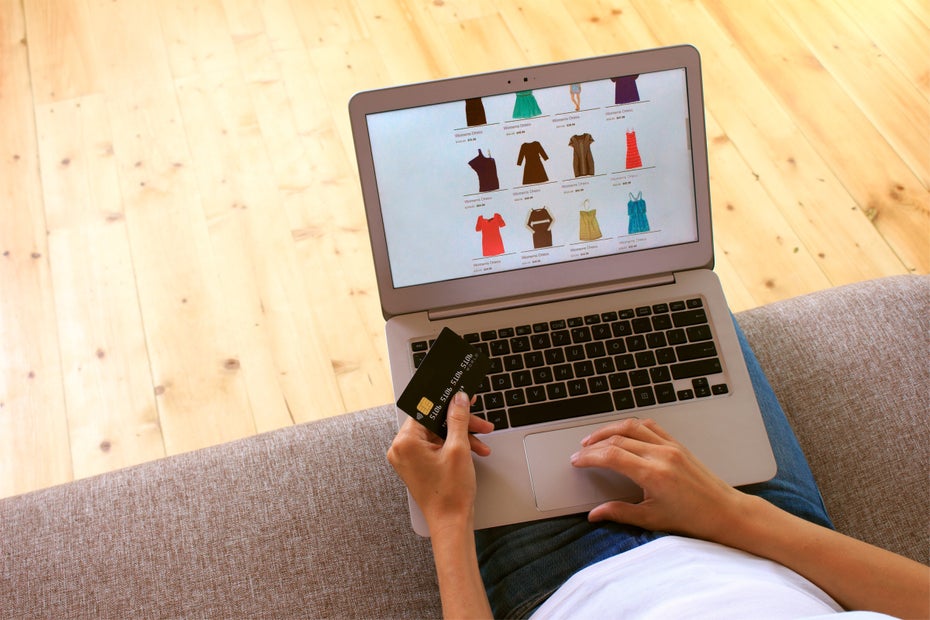
(Image credit: Getty Images/Alistair Berg)
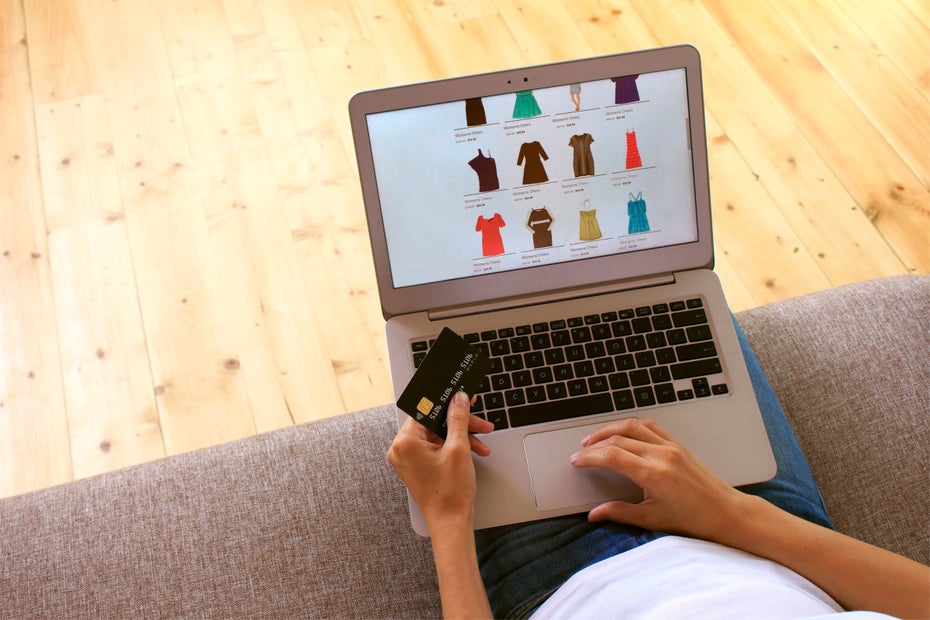
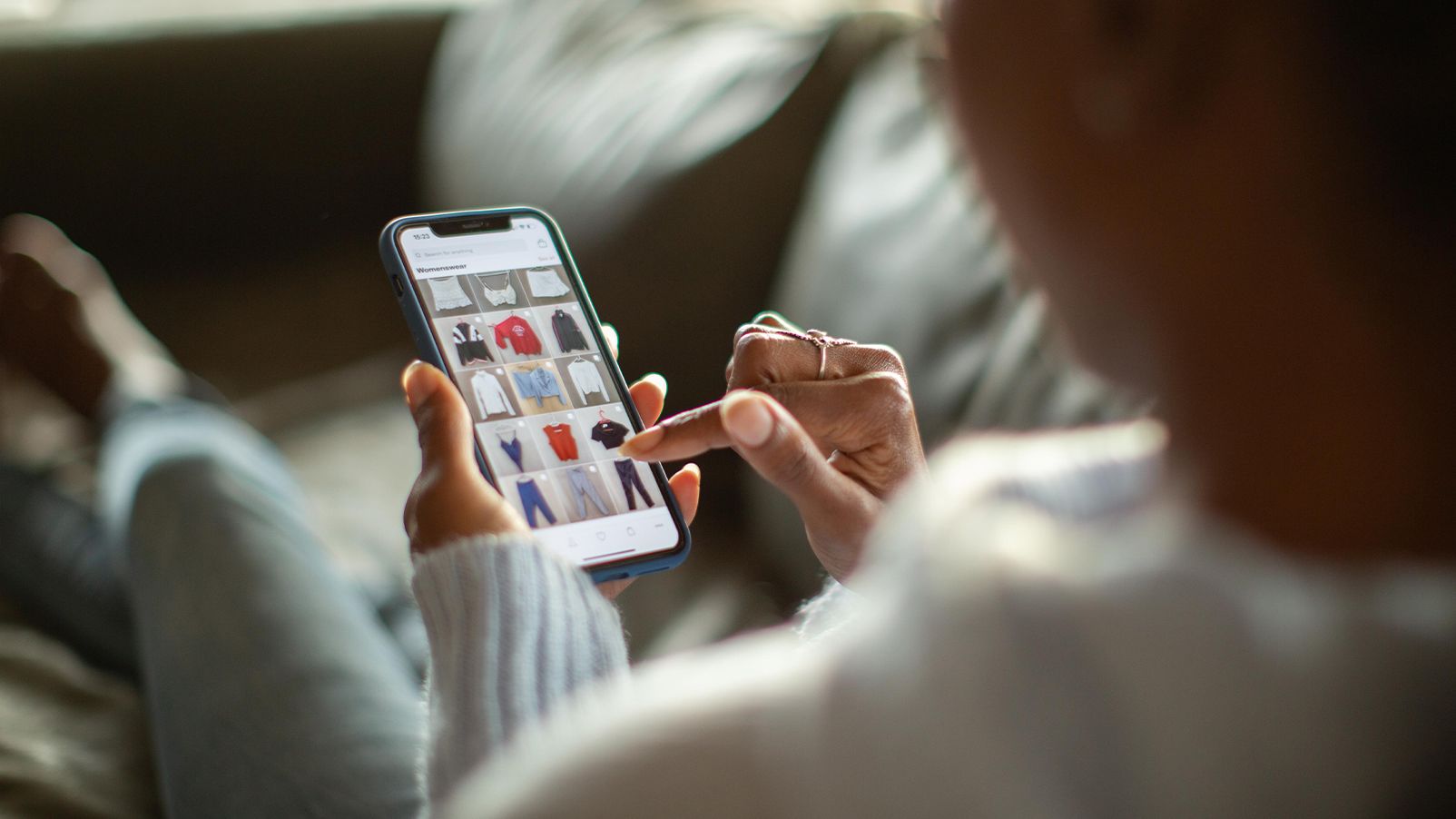
Like many people, I've started using ChatGPT for shopping. I'm already using the chatbot throughout the day, and when it started recommending products and retailers, it felt like an easy way to save time. Instead of opening a dozen browser tabs, I could compare products, find alternatives and track down the best deals in a single conversation.At first, it worked surprisingly well. Then I got scammed.I thought I was buying from a real store What I thought was the official website of a popular swimsuit company turned out to be a fake store. The site looked legitimate and the branding matched, even the product photos looked authentic. I had no idea scams like this existed so I placed an order for a swimsuit and a pair of shorts and waited for them to arrive. But, when they never came, I contacted the real company and I learned they had never received my order.That's when I realized that just because ChatGPT recommends a retailer doesn't mean that retailer is legitimate.To be clear, this is largely a web problem rather than an AI problem. ChatGPT is pulling information from the internet, and scammers have become remarkably good at creating websites designed to look trustworthy. Some fake stores copy branding, product photos, customer service information and even entire website layouts from legitimate businesses. In fact, I've previously covered how easy it has become to clone a website using AI tools and a simple prompt.That experience changed the way I shop online. Now, whenever ChatGPT, Gemini or another AI assistant recommends a retailer I've never used before, I spend a few extra minutes verifying it's real before I buy anything.Here are the seven warning signs I look for now.Get instant access to breaking news, the hottest reviews, great deals and helpful tips.1. The URL doesn't match the brand