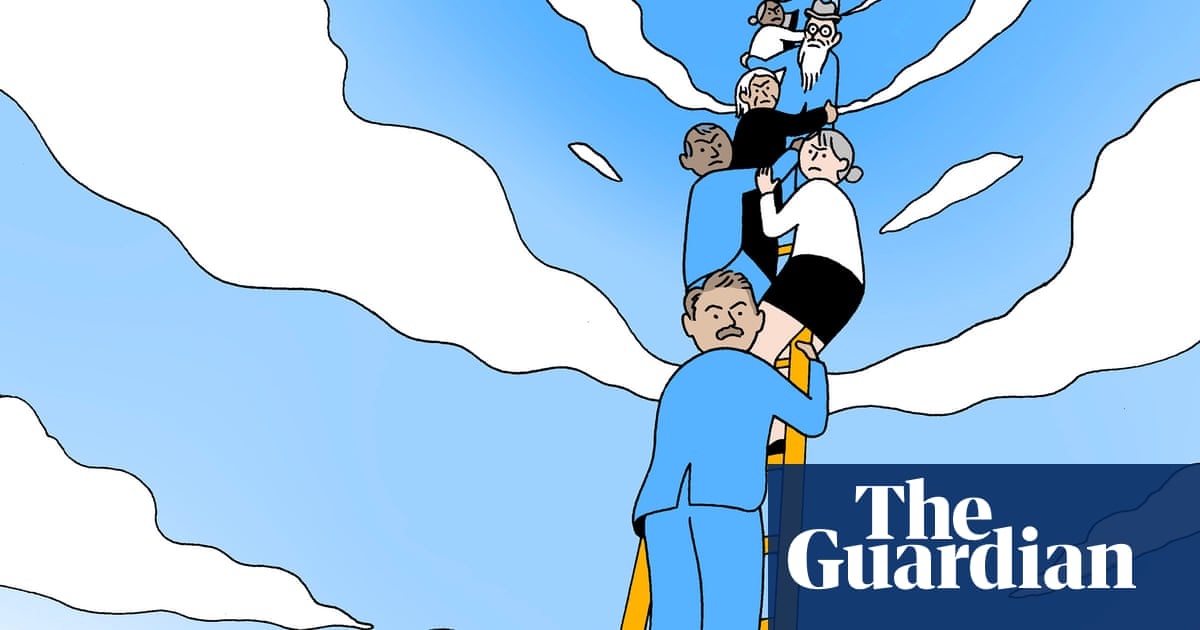
It’s common to hear that younger employees are harder to manage — different expectations, less patience, more questions.Across boardrooms, leadership meetings and workplace conversations, these observations are often repeated as evidence of a growing generational divide. Many organisations describe challenges in attracting, engaging and retaining younger talent. The conclusion is frequently the same: younger employees have changed.
But this framing misses the point. The issue isn’t generational, it’s structural.
Workplaces were designed for a different time: clear hierarchy, linear careers, limited access to information.
For decades, organisations operated within relatively stable environments. Information flowed from the top down. Expertise was concentrated among a small group of decision-makers.
Career progression followed predictable paths, often measured by tenure and experience. Employees were expected to trust the process because they had limited visibility into how decisions were made.