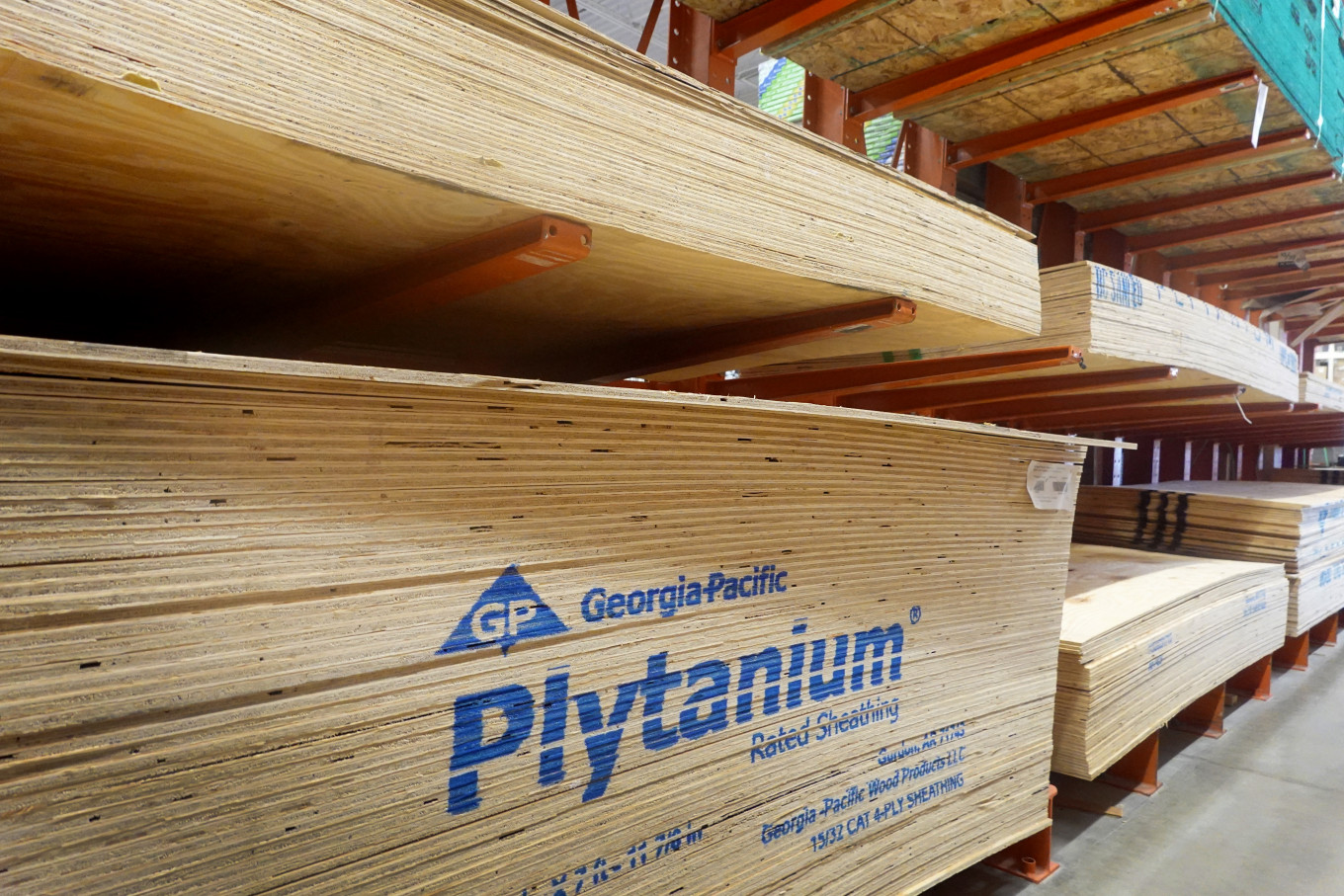
Amid global challenges, Indonesia's non-oil and gas exports still grew by 7.7 percent in 2025, with one of the key contributors being plywood exports (Harmonized System Code 4412). Plywood is an engineered wood product made up of multiple thin layers of wood veneer. These layers are glued together, with the wood grain of adjacent layers rotated at right angles to one another. Plywood products are widely used in interior design and furniture manufacturing.From 2021 to 2025, plywood exports averaged US$2 billion, making Indonesia the world's second-largest plywood exporter, while global plywood imports reached $17.3 billion in 2025. Furthermore, plywood is Indonesia's largest export among all wood-product categories. The United States is Indonesia’s primary export destination, accounting for 29.4 percent of total national plywood exports, followed by Japan at 26.3 percent, a market in which Indonesia is the largest exporter. In addition, Indonesia possesses one of the largest tropical forest areas in the world with a remarkable diversity of commercial timber species. This performance demonstrates the enormous potential of Indonesia's plywood industry.
Despite this great potential, Indonesia’s plywood industry faces numerous challenges. One of the most significant is the growing global demand for wood products that are certified as legal and sustainable. One of the latest regulations introduced by the European Union is the EU Deforestation Regulation (EUDR), a policy that requires certain commodities entering the European market to be proven deforestation-free, legally produced and fully traceable to their origin. Similar regulations have been implemented in other major export destinations for Indonesian plywood, including the United States, Japan and South Korea. Increasingly intense competition from other plywood-producing countries, such as China, Vietnam and Brazil, is also placing pressure on Indonesia's position in the global market.