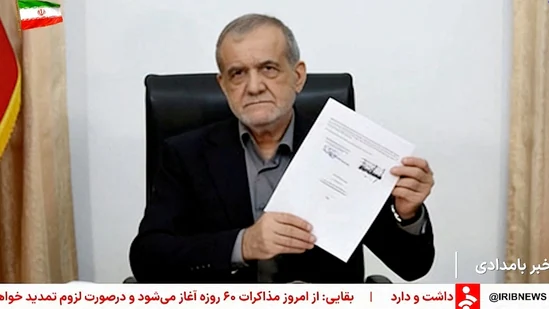
Armenian Prime Minister Nikol Pashinyan has successfully defended his mandate, but the narrow arithmetic of his electoral victory threatens to stall the South Caucasus peace process indefinitely. Official results from the Central Electoral Commission show Pashinyan’s Civil Contract party securing 49.81% of the vote. While this gives him the simple majority needed to form a government and retain the premiership, it falls critically short of the supermajority required to reshape Armenia’s constitutional and geopolitical landscape.JOIN US ON TELEGRAMFollow our coverage of the war on the @Kyivpost_official. The results also cement a formidable, Moscow-backed opposition bloc within the new parliament. Powerful Armenia, led by pro-Russian oligarch Samvel Karapetyan, surged to 23.29% (projected to hold 29 seats), while former President Robert Kocharyan’s faction secured roughly 10% (around 12 seats). Together, this hardline opposition wields enough power to block fundamental legal and structural shifts in Yerevan. The constitutional cul-de-sac In an interview with Kyiv Post, political analyst and conflict expert Arif Yunus explained why Pashinyan’s political survival does not automatically translate into a diplomatic breakthrough with Azerbaijan. Throughout the campaign, Pashinyan framed the election as a existential referendum on foreign policy. “He consistently told voters that a ballot for him was a vote for peace, while a ballot for his opponents was a vote for war,” Yunus argued.
Armenia’s Pashinyan Victory Leaves Azerbaijan Peace Deal in Limbo
Nikol Pashinyan’s victory keeps the peace track alive, but a Moscow-backed opposition bloc may block the constitutional changes Baku demands.
878 words~4 min read