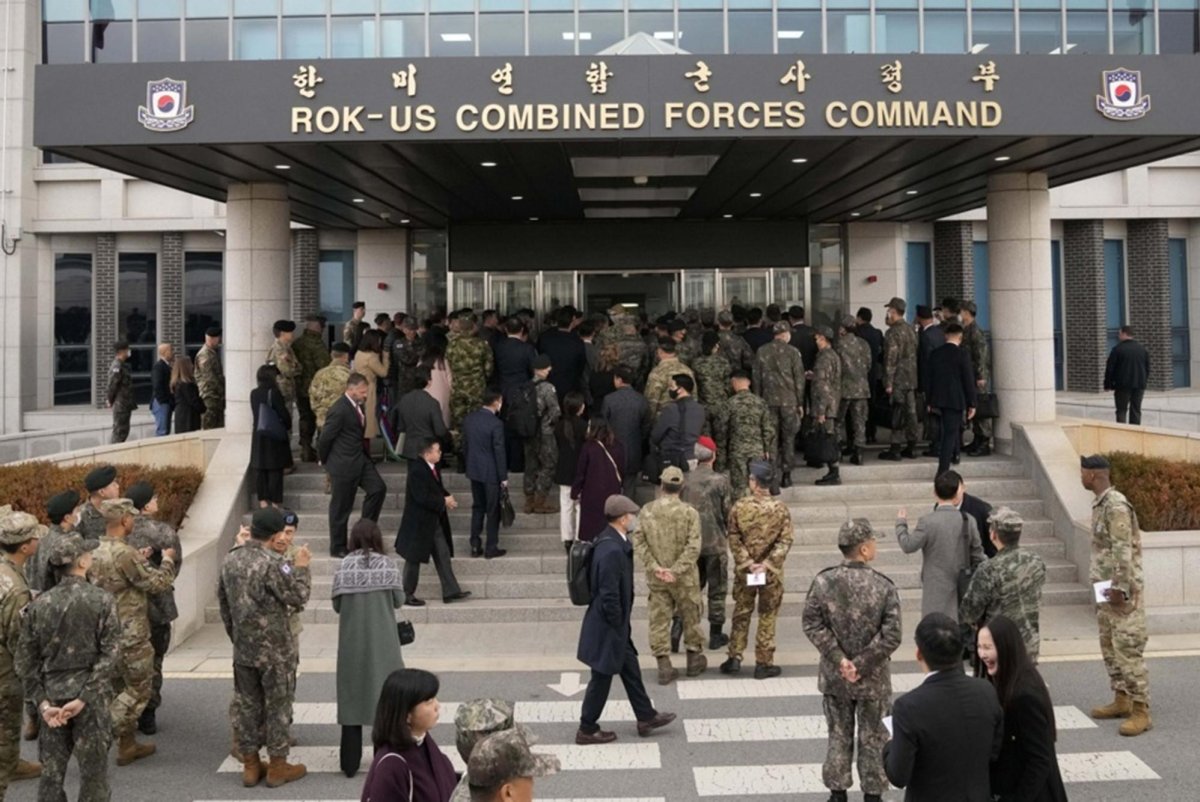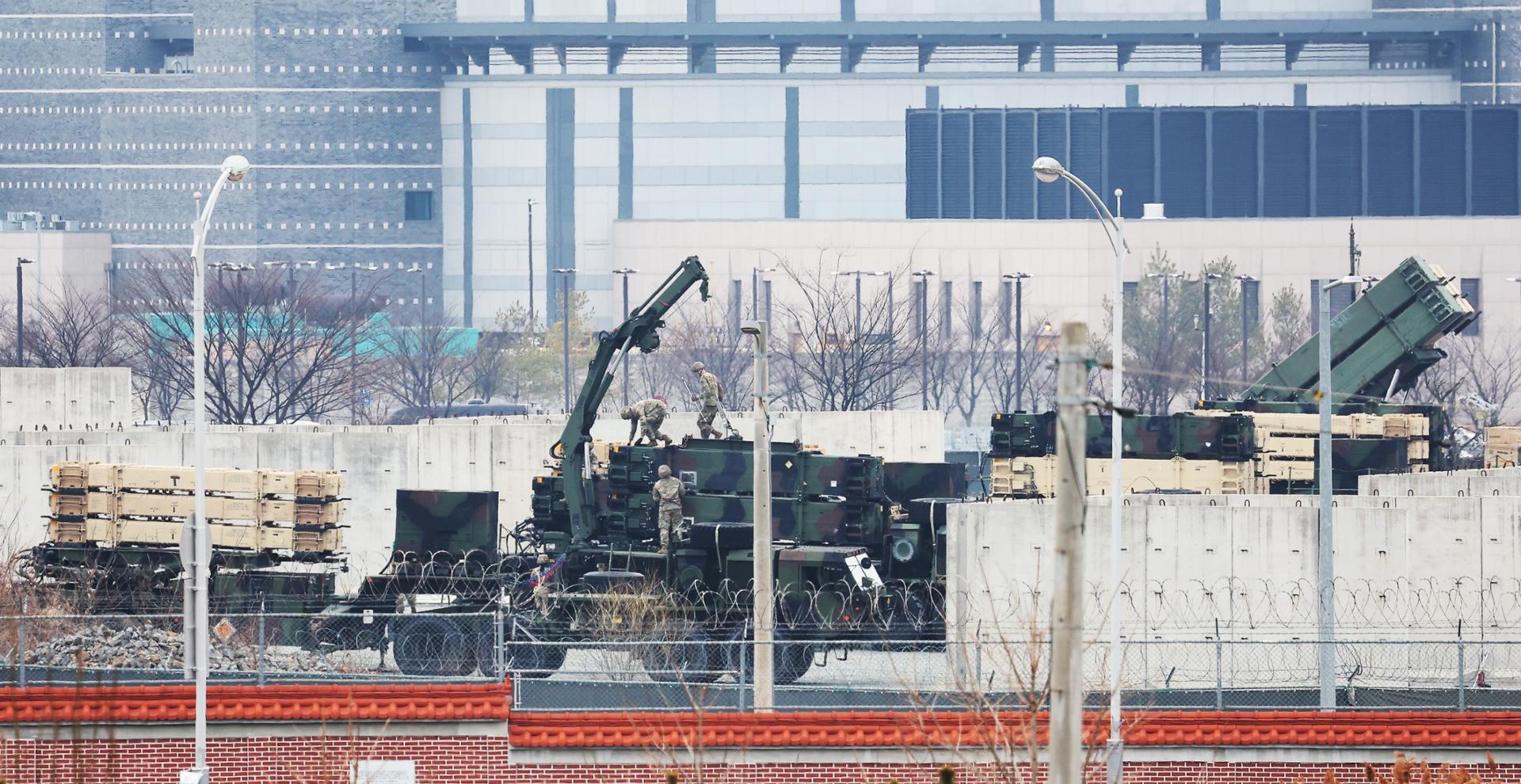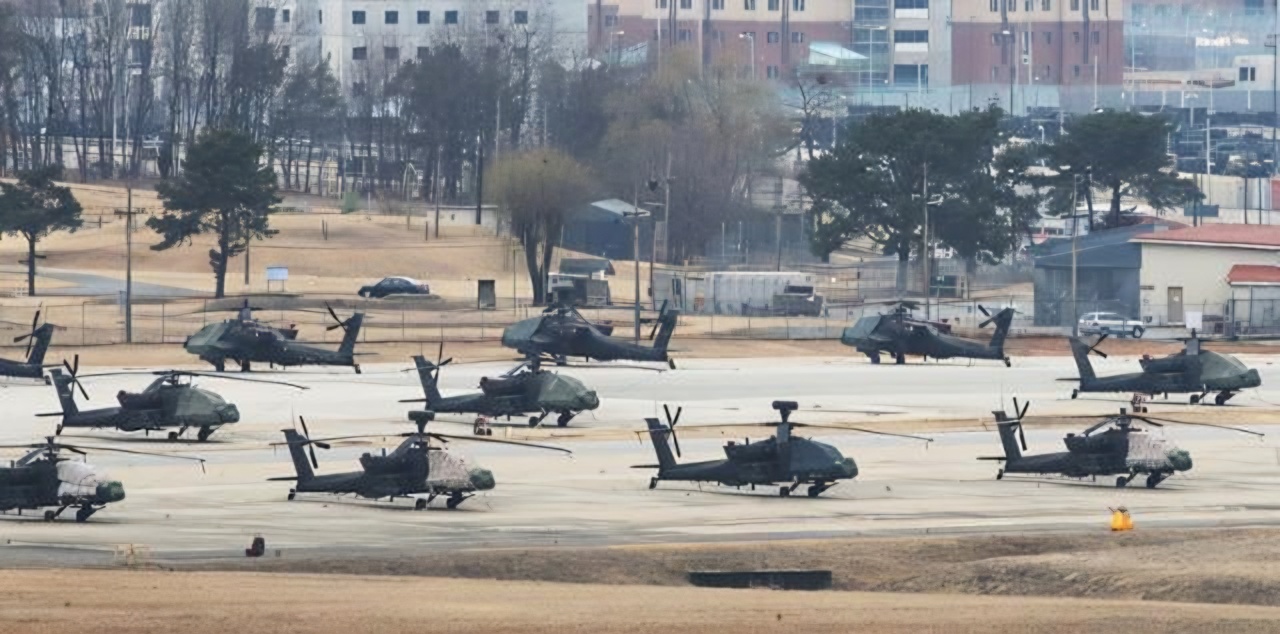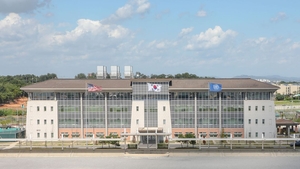
Headquarters building for US Forces Korea, the Combined Forces Command and the United Nations Command at Camp Humphreys in Pyeongtaek, Gyeonggi Province (US Army) South Korea has extended a special law supporting areas affected by the relocation of US Forces Korea bases to Pyeongtaek, Gyeonggi Province, through the end of 2030, the Ministry of National Defense said Tuesday, in a move aimed at completing remaining relocation-related projects and support measures.The ministry said a partial revision to the Special Act on Support for Pyeongtaek City and Other Areas Following the Relocation of US Military Bases was promulgated Tuesday after being approved at a Cabinet meeting on June 2.The revision extends the law’s validity by four years, from Dec. 31 this year to Dec. 31, 2030. The ministry said the extension would help sustain momentum for the remaining parts of the Yongsan Relocation Plan.The special law was enacted in 2004 to support the relocation of US military bases, secure related funding and provide assistance to local residents in Pyeongtaek, where Camp Humphreys has become the centerpiece of the US military presence in South Korea.Camp Humphreys, located about 65 kilometers south of Seoul, has grown into the largest US military installation overseas, following years of efforts to move key US military commands and facilities out of the capital region.Based on the law, the US Forces Korea Base Relocation Project Office completed the relocation of many US military facilities to Camp Humphreys in October 2022, including the headquarters of the South Korea-US Combined Forces Command.The relocation has been seen as a major step in reshaping the US military footprint in South Korea, reducing the long-standing concentration of US facilities in Seoul while expanding the strategic role of Pyeongtaek.The law had previously been extended three times to support resident consultations, facility construction, financing and regional support projects connected to the relocation.But the need for another extension had been raised as some regional development projects in Pyeongtaek remain unfinished. The ministry also cited the need to stably complete projects related to remaining facilities in Yongsan, central Seoul, environmental cleanup of returned US military sites and revenue generation through land sales.Returned US military sites have drawn public attention because they involve not only defense and alliance issues, but also environmental cleanup, urban redevelopment and the future use of land previously restricted for military purposes.The project office said the revision would allow it to respond to public interest in the return of former US military sites while completing the relocation project in a way that supports coexistence with local communities.“The extension of this law is an important bridge toward bringing the USFK base relocation project to a successful conclusion,” said Jeong Cheol-jae, head of the US Forces Korea Base Relocation Project Office.
S. Korea extends Pyeongtaek support law for US base relocation
South Korea has extended a special law supporting areas affected by the relocation of US Forces Korea bases to Pyeongtaek, Gyeonggi Province, through the end of
455 words~2 min read