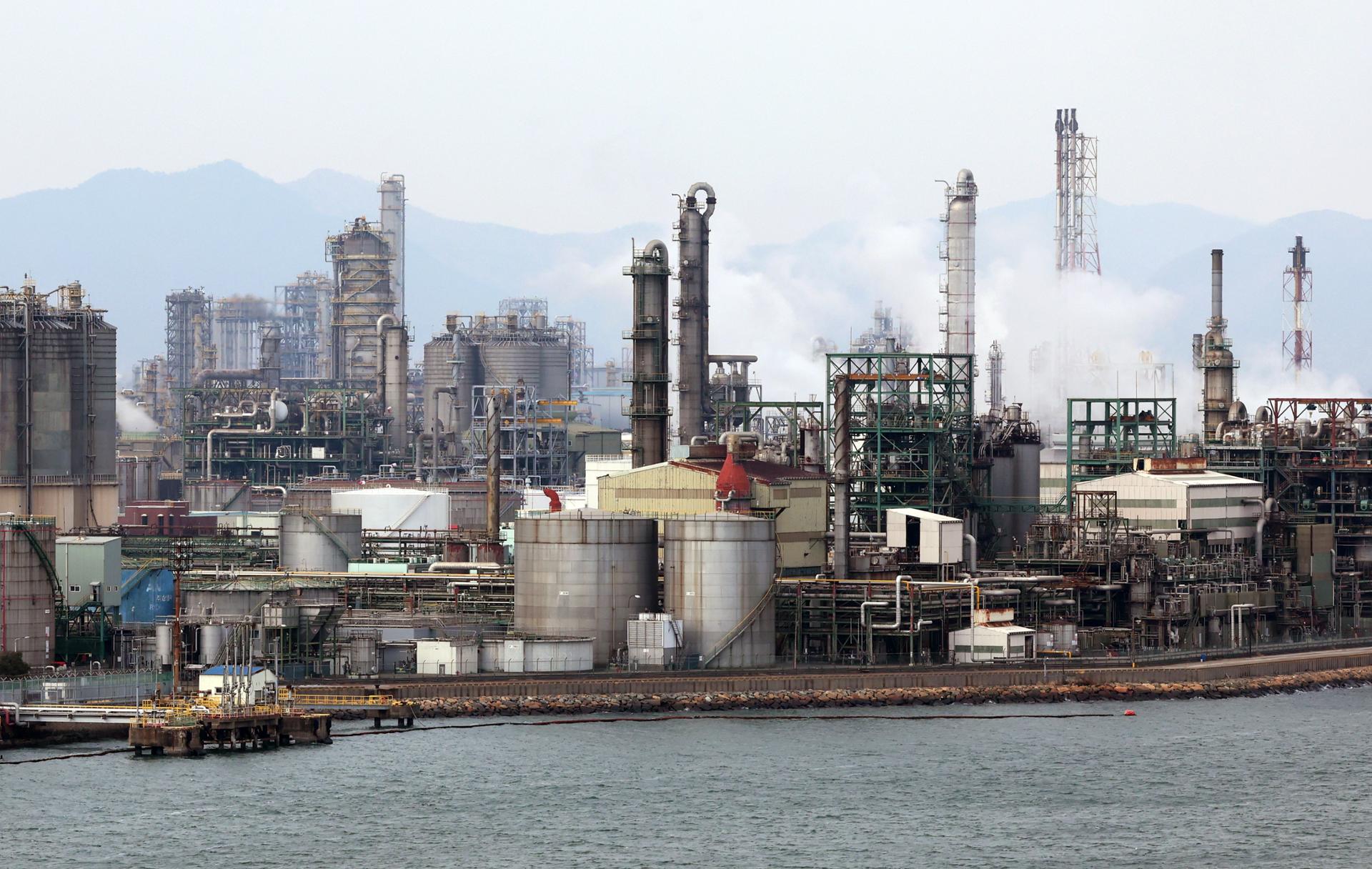
When JG Summit president and CEO Lance Gokongwei announced his company’s exit from the petrochemical business, many took the line as a sobering assessment of economic reality.
His statement that the country might possibly only be globally competitive in services could be interpreted as a surrender. It signals that one of the country’s major conglomerates no longer thinks Philippine manufacturing can sustainably compete at scale.
That makes JG Summit Holdings Inc.’s decision more than just another step in its portfolio. It turns the sale into a referendum on the country’s industrial strategy itself. For decades, petrochemicals were the sort of industry that the government said it wanted to make — capital-intensive, job-creating, strategically integrated, capable of creating a whole series of downstream manufacturing environments. Plastics, packaging, automotive parts, consumer products, building materials, and industrial chemicals all rely on the back-end of a working petrochemical network. Countries that industrialized successfully rarely skipped this stage. South Korea did not. Taiwan did not. China certainly did not.
But the Philippines seems to be pushing back against it. The irony is hard to lose sight of. The Gokongwei group was one of only a few Philippine conglomerates prepared to make the massive long-term bets needed to develop industrial capability.