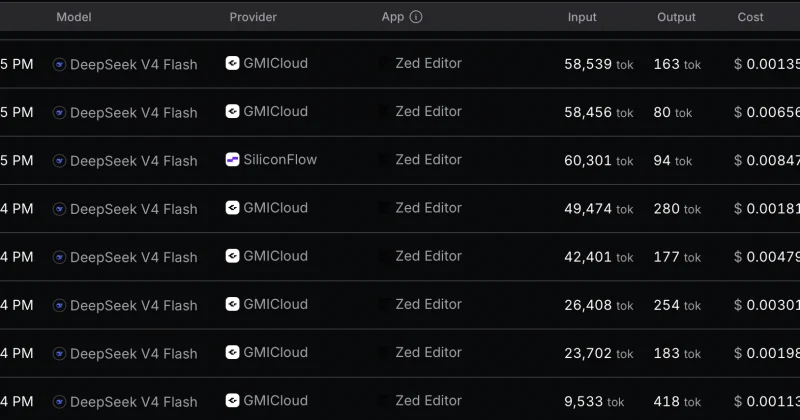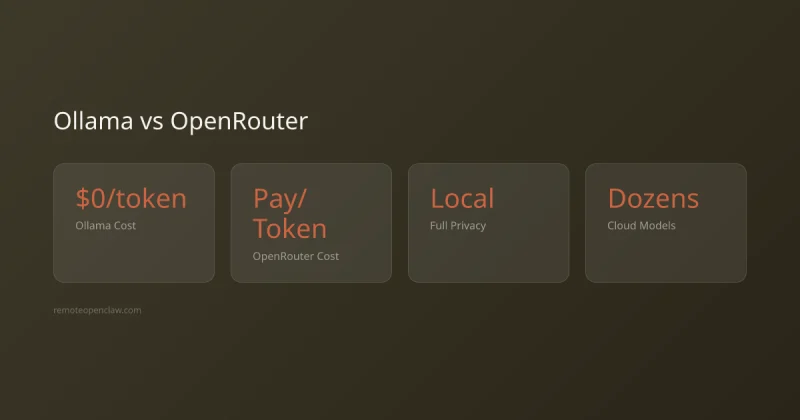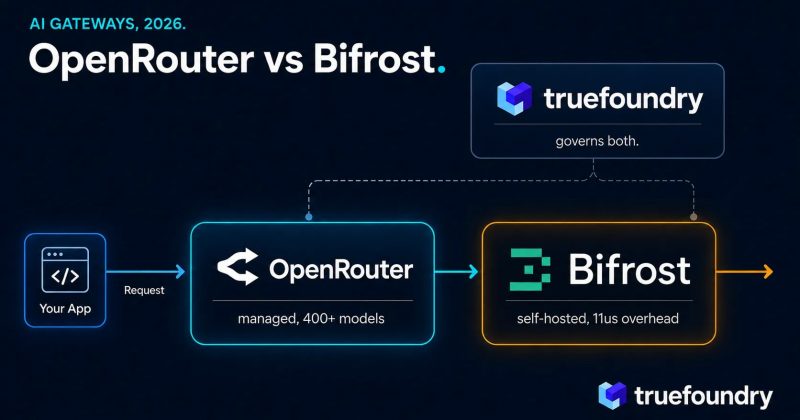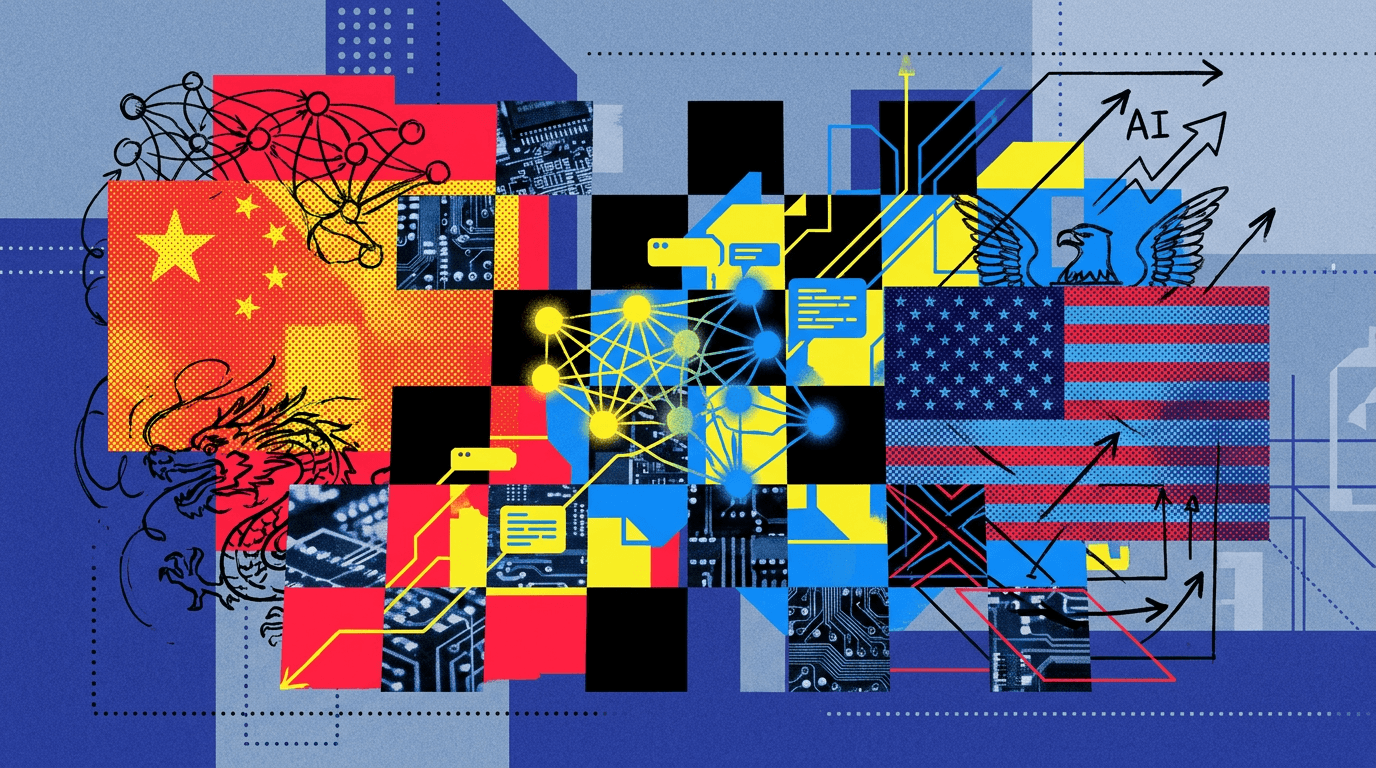
Here’s a number that should make Silicon Valley uncomfortable: Chinese-developed language models now account for roughly 61% of token consumption among the top 10 models on OpenRouter, the popular API routing platform used by thousands of AI startups. That’s not a typo. The majority of compute flowing through one of America’s key AI infrastructure layers is being routed to models built in Beijing, Hangzhou, and Shenzhen.
The shift didn’t happen overnight, but it accelerated fast. In late 2024, Chinese open-weight models represented less than 1.2% of weekly token consumption on OpenRouter. By 2025, that figure had surged to nearly 30% at peak moments, averaging about 13% for the full year. By April 2026, select snapshots showed Chinese provider traffic hitting 51% of all tokens processed on the platform.
The models driving the shift
The names leading this migration are becoming familiar to anyone paying attention to the global AI race. Alibaba’s Qwen series, DeepSeek’s family of models, Moonshot AI’s Kimi, Zhipu AI’s GLM, and MiniMax have all carved out significant presence on OpenRouter’s leaderboard.
The share of programming and agentic workloads on OpenRouter climbed from about 11% to over 50% through 2025. American startups aren’t just experimenting with Chinese models for chatbot demos. They’re building their core products on them, with code generation and autonomous agents increasingly being handled by models developed outside the US.