The 11th U.S. Circuit Court of Appeals says the amount of time it takes an inmate to die with the nitrogen gas method is 'intolerable' but stopped short of staying anexecution this week.Show Caption
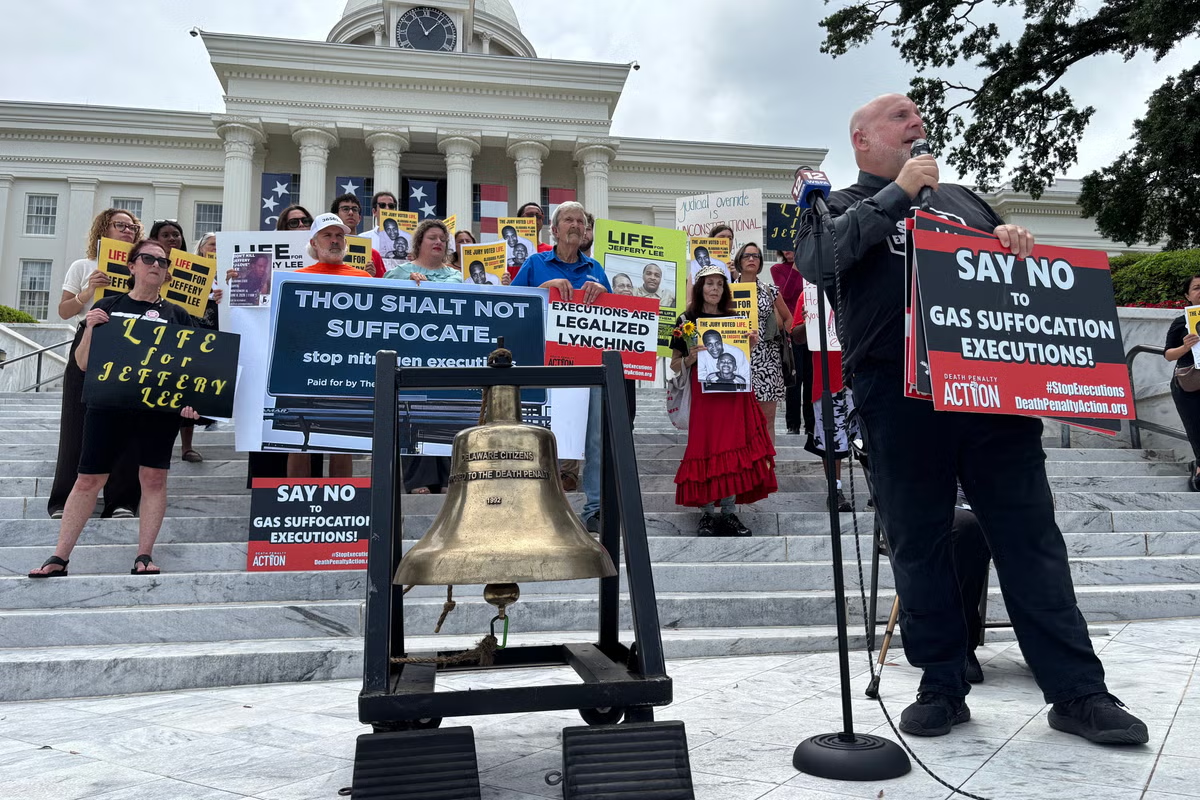
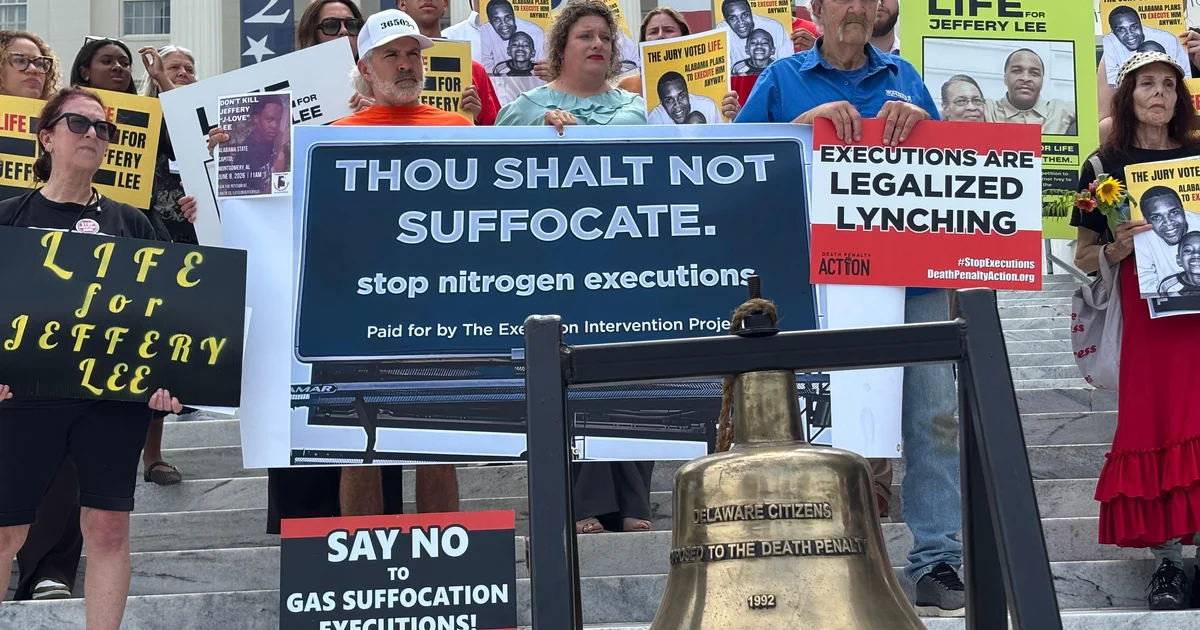
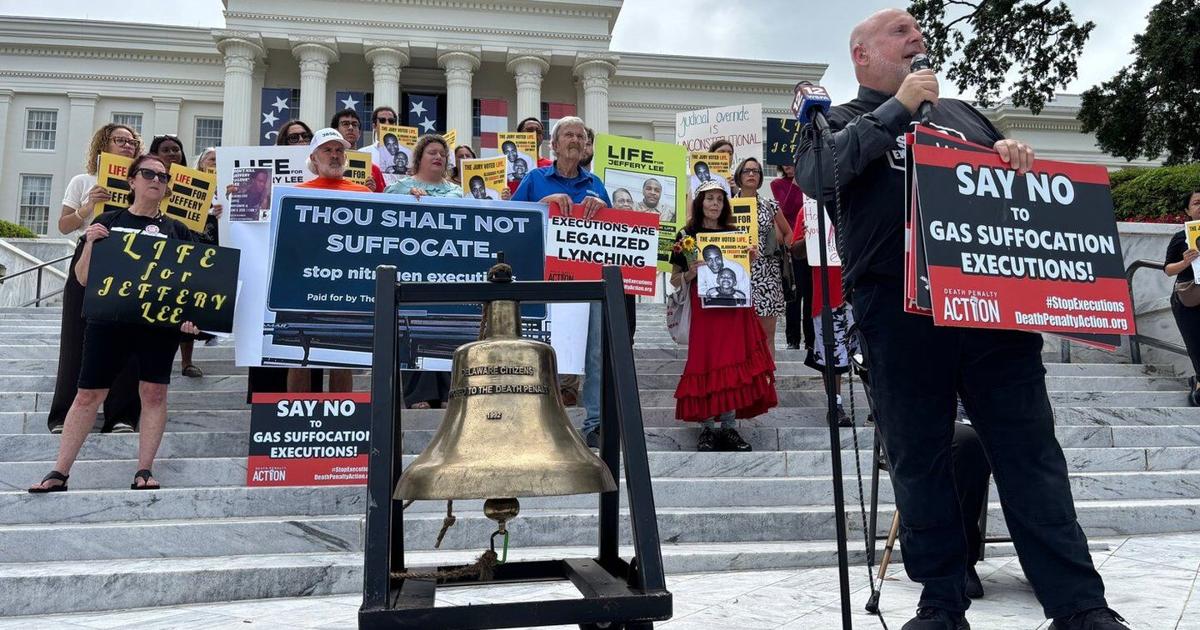
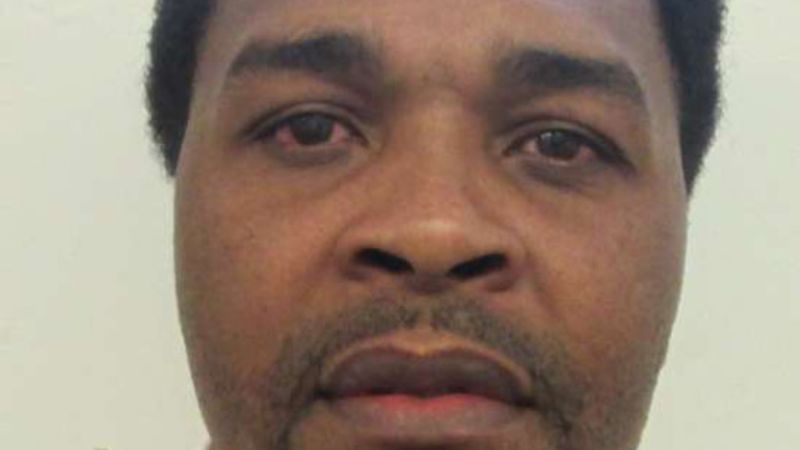
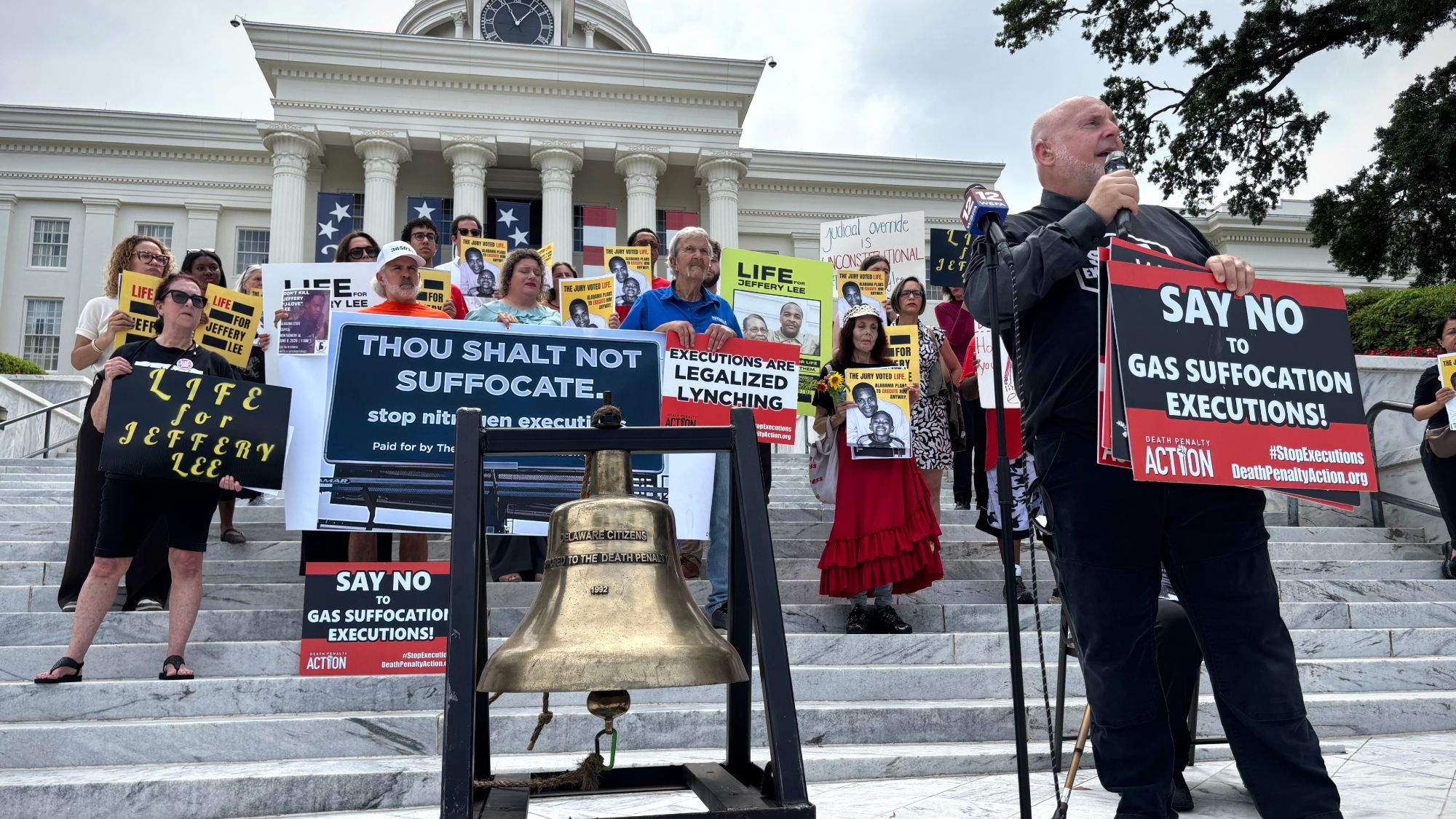
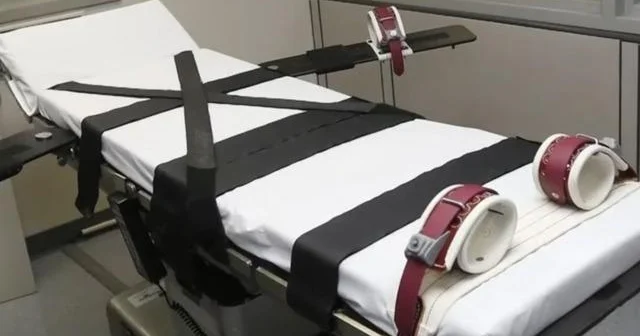
Alabama's relatively new nitrogen gas execution method could inflict a cruel amount of pain and suffering on a death row inmate who says that he'd rather be killed by a firing squad, a federal appeals court has ruled.The nitrogen gas method causes inmates “severe air hunger and corresponding emotional distress, anxiety, physiological stress, and physical discomfort" for up to three minutes, the 11th U.S. Circuit Court of Appeals said in a ruling on Monday, June 8, citing a lower court finding.Such "suffering ... presents a substantial risk of serious harm over and above death itself," the appellate court found. "Counting to 60 or 180 seconds is not a quick exercise, and constitutionally speaking, that timeframe is intolerable given the suffering that would likely take place under Alabama’s nitrogen hypoxia protocol."The ruling stems from an appeal filed by death row inmate Jeffrey Lee, who is set to be executed by nitrogen gas in Alabama on Thursday, June 11, for a double murder during a pawn shop robbery in 1998.While the ruling was a win for death penalty opponents fighting against the use of nitrogen gas, the court stopped short of granting Lee a stay of execution or attempting to banish the method altogether. Instead, the court sent the case back to a district judge to address the feasibility of executing Lee by firing squad, per his request.Here's what you need to know.Why can't an execution method be cruel?Though death row inmates aren't guaranteed a pain-free death, the U.S. Constitution requires that their executions be free of "cruel and unusual punishment." While that means pain can be involved, it shouldn't be needlessly excessive, the law says.Defense attorneys, anti-death penalty advocates, and some witnesses to nitrogen gas executions argue that it amounts to torture and therefore is a clear constitutional violation.Alabama was the first state in the nation to carry out a nitrogen gas execution, that of Kenneth Eugene Smith in 2024. Since then, the state has executed six other inmates with the method, and Louisiana has used it once.Under the method, executioners strap inmates to a gurney with chest and shoulder harnesses and attach a mask to his face. Ultra-high purity nitrogen gas flows into the mask and that displaces breathable air until there is none left. The inmate loses consciousness and dies.Witness accounts from the first four Alabama executions describe "suffering, including conscious terror for several minutes, shaking, gasping, and other evidence of distress," Louisiana Chief District Judge Shelly Dick wrote last year when addressing the method in her state. The witnesses saw inmates "writhing" under their restraints, "vigorous convulsing and shaking for four minutes," heaving, spitting, and a "conscious struggling for life," she wrote.Last week, an Alabama judge agreed that Lee showed he was likely to experience pain during his execution this week but not to an unconstitutional degree.What happens now?The Execution Intervention Project, an anti-death penalty group that has been fighting against nitrogen gas executions, called Monday's ruling "the most significant legal development in the fight against this method of killing."The group called on Alabama to halt Lee's execution and for Gov. Kay Ivey "to recognize that her state is employing a method that a federal court has now found likely produces conscious suffocation for minutes on end.""Most urgently, we pray this ruling is enough to save Jeffrey Lee’s life," the group said.Neither Ivey's office nor Lee's attorneys immediately responded to USA TODAY's request for comment.Lee's execution would be the first in Alabama this year. Another inmate, Charles Lee “Sonny” Burton, had been set to be executed by nitrogen gas in March but Ivey commuted his death sentence to life just two days before the execution. The decision had nothing to do with the execution method. Ivey said it would be "unjust" to take Burton's life when he wasn't the triggerman in an AutoZone robbery gone bad in 1991.It was the second time the Republican governor has commuted an inmate's sentence in her nine years in office. She has presided over 25 executions.Amanda Lee Myers is a senior crime reporter who covers the death penalty, cold cases and breaking news for USA TODAY. Follow her on X at @amandaleeusat.