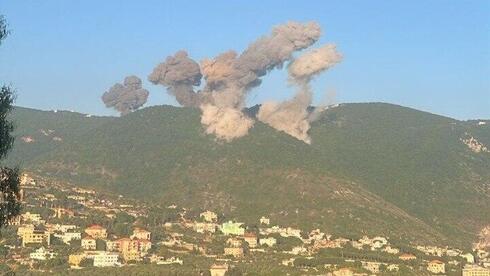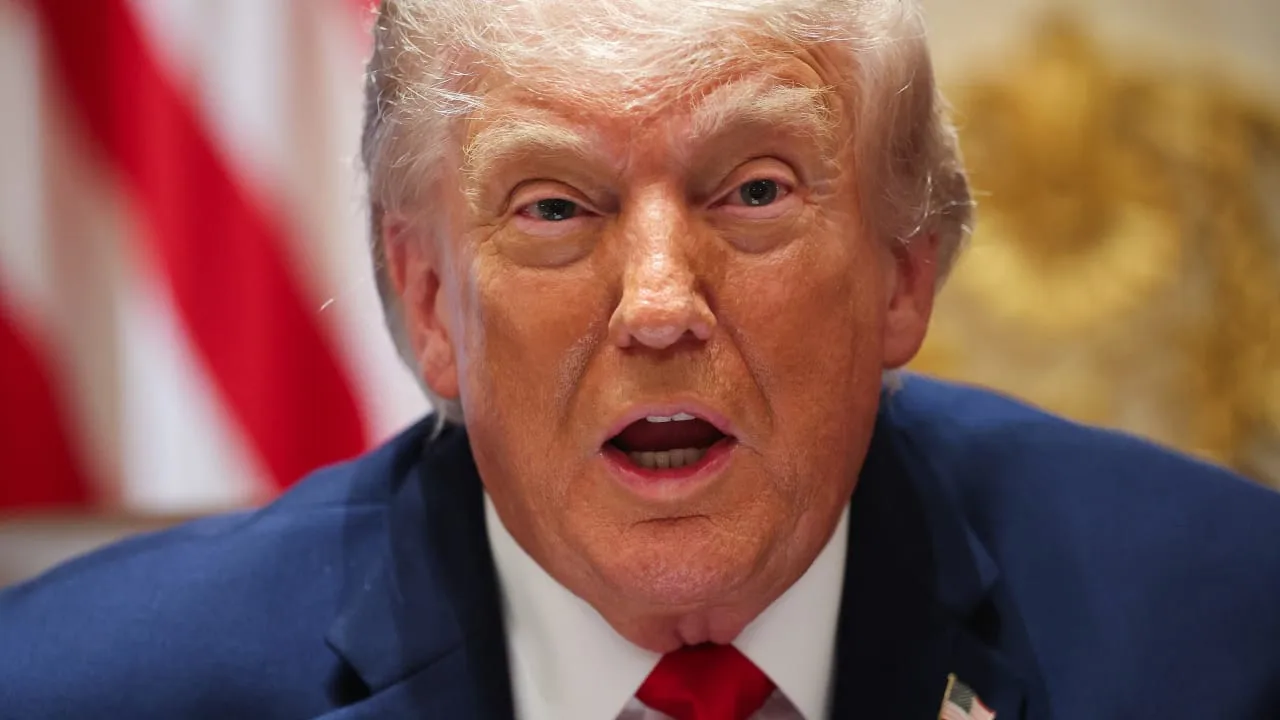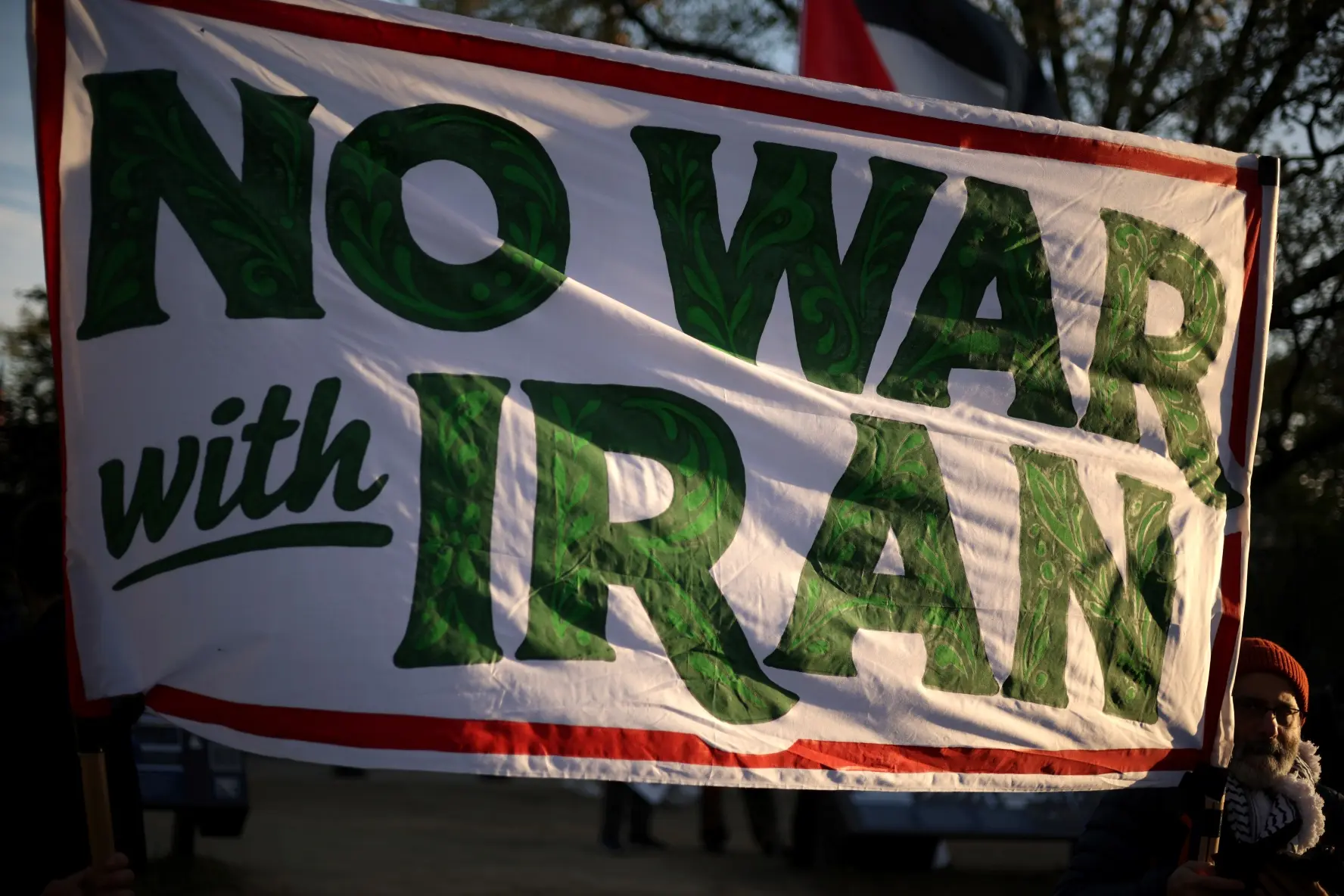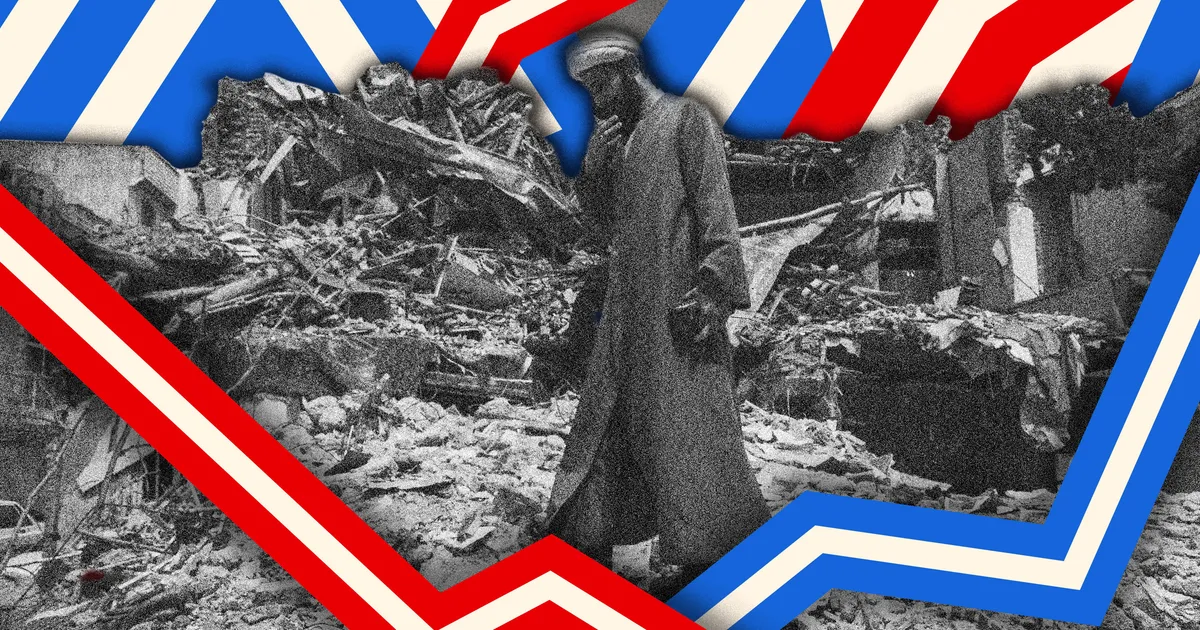
If Robert Kagan and other early opponents of the war in Iran are right, the conflict will end in defeat for the United States, an outcome that will irreversibly weaken America’s global standing and will “set off a chain reaction around the world as friends and foes alike adjust to America’s failure.” Even when a war begins with popular support, as many do, failing to achieve its key objectives can affect public sentiment in ways that constrain the ability of leaders to undertake future military action. And when wars are undertaken without initial public support, as the latest conflict with Iran was, the public reaction against those who started and supported it can be harsh.
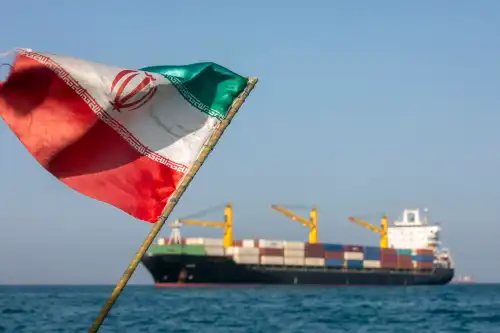
It is too early to predict the outcome of the war with certainty, but the United States is farther away from achieving its objectives than the Trump administration has been willing to admit. Although the president and senior officials insist that Iran’s military has been destroyed, classified intelligence assessments have concluded that Iran can still field about 75% of its mobile launchers and retains about 70% of its prewar missile stockpile. The evidence suggests that Iran has rebuilt access to 30 of its 33 missile sites along the Strait of Hormuz, which would make it dangerous for the U.S. Navy to escort cargo vessels through the strait. If the assessment is correct, the Iranians have been able to reopen most of their underground storage facilities and repair at least some damaged missiles.