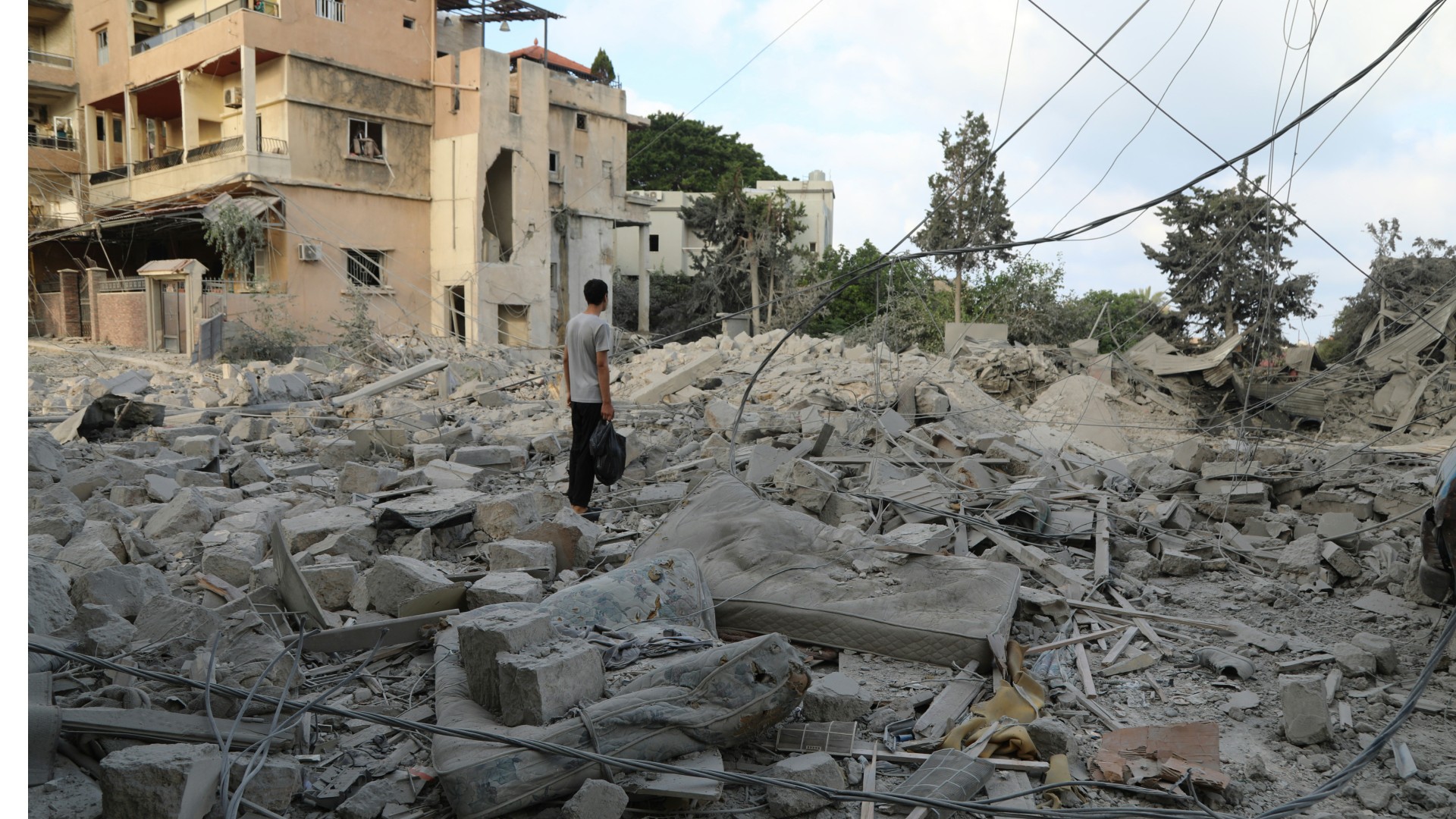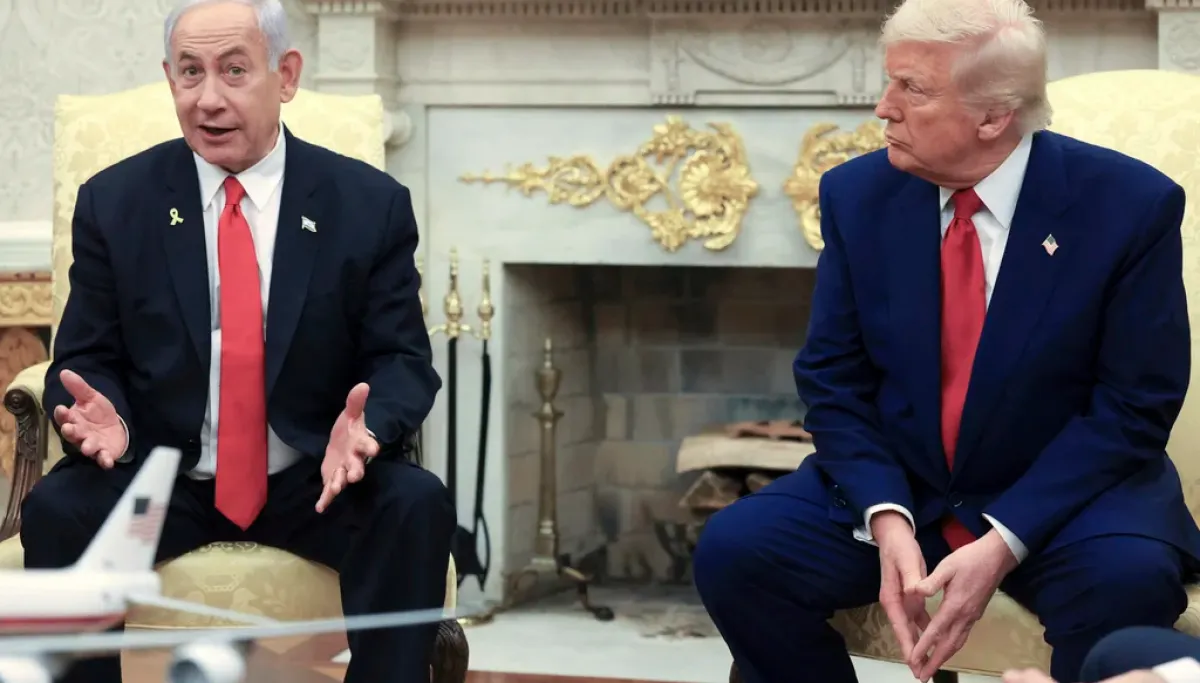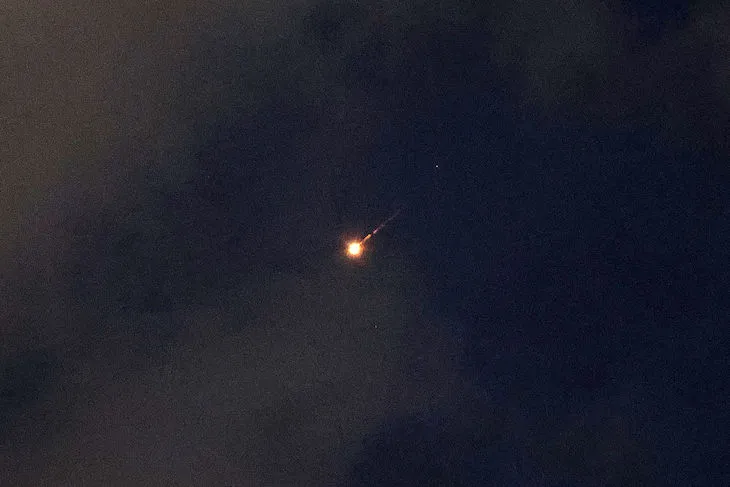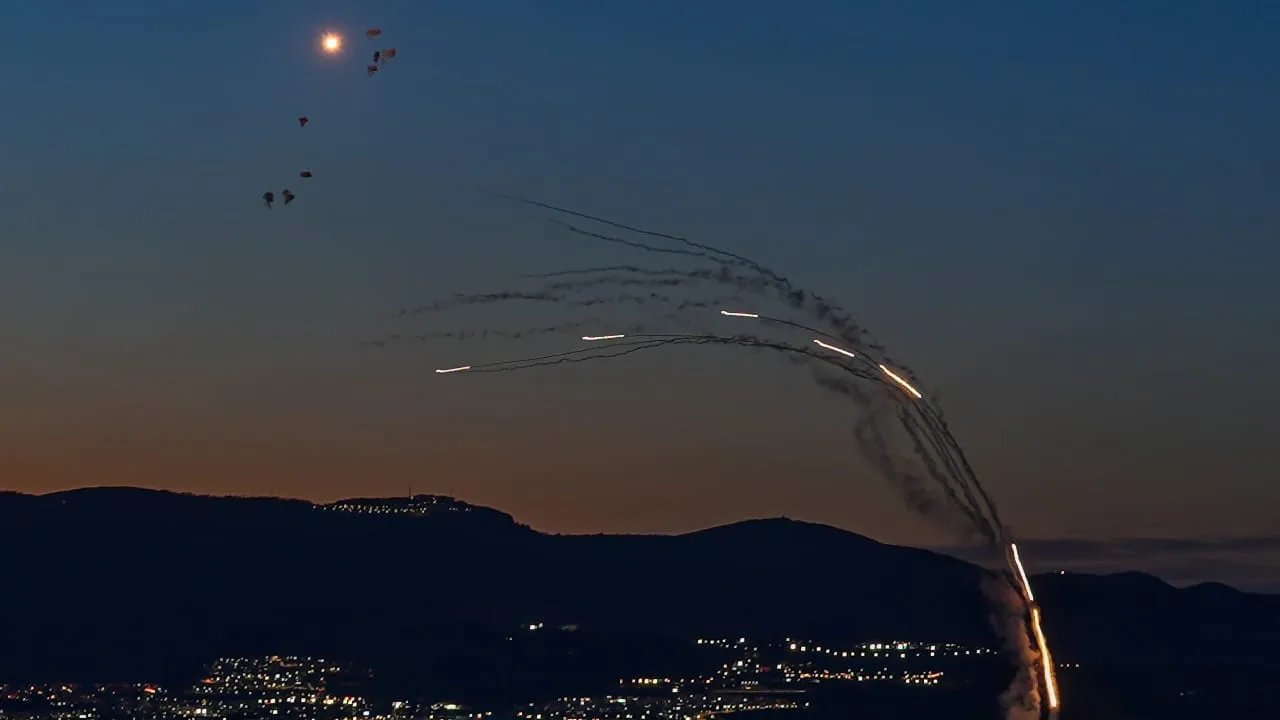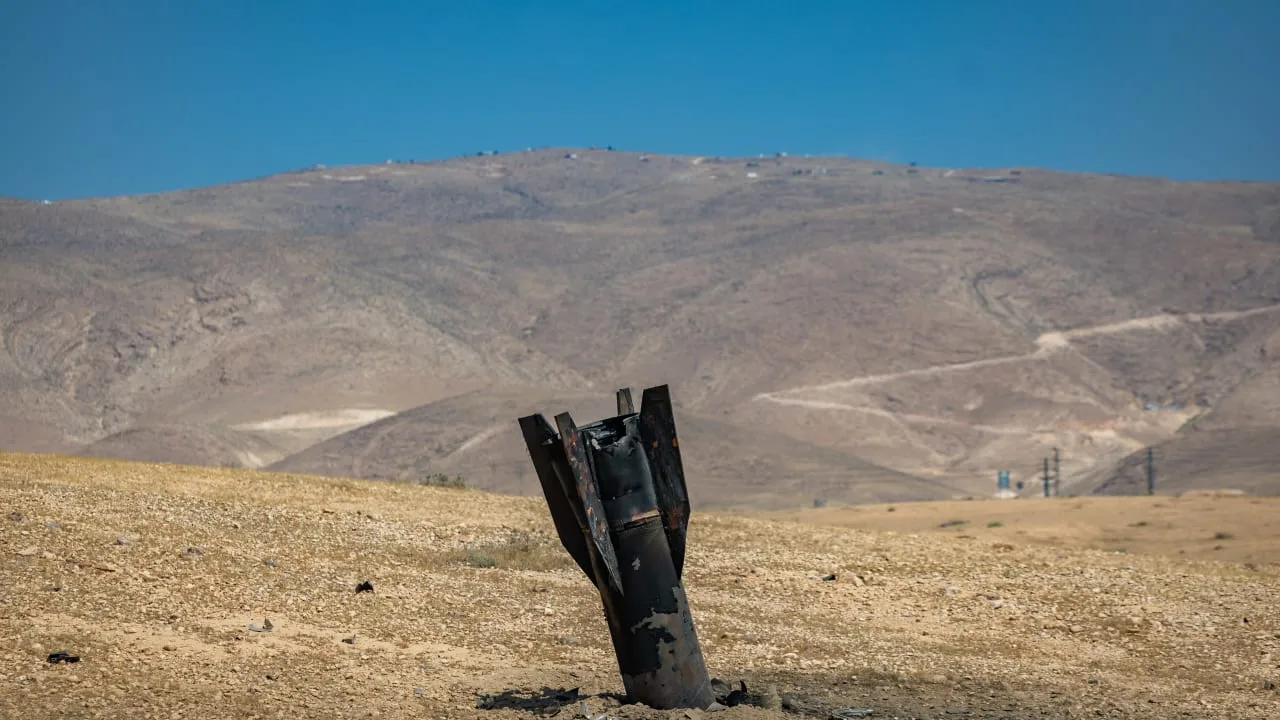
ByJPOST EDITORIALJUNE 9, 2026 06:00For a few hours on Sunday night, it seemed entirely possible that Israel would do what much of the international community wanted it to do, which is absorb an Iranian missile attack and move on.After all, there were no casualties. The missiles triggered sirens across northern Israel and sent millions of Israelis once again toward protected spaces, and there were no reports of deaths or serious injuries. Just another exchange in the Middle East, and another mini-crisis to be managed.Yet by the early hours of Monday morning, the Israel Air Force had struck targets in western and central Iran, defying what the Americans were publicly demanding they not do. It is important to note that Israel struck selected targets and refrained from launching its full potential on Iran.The question is why.Israel unwilling to accept a new reality in the Middle EastIt is not that Israel was desperate to restart the conflict with Iran on the more drastic scale we witnessed from February through April. Quite the opposite. Israel is still dealing with the aftermath of October 7, fighting on multiple fronts, which increased yet again when the Houthis joined the fray on Monday. Reserve duty has stretched families and businesses to their limits, and a population exhausted by nearly three years of instability.Smoke billows from southern Lebanon, following Israeli strikes, as seen from Nabatieh, Lebanon, June 8, 2026. (credit: REUTERS/STRINGER)But Israel was unwilling to accept a new reality in the Middle East.It began in Lebanon on Sunday afternoon, when the IAF struck Hezbollah targets in Dahiyeh, the Beirut stronghold of the Iranian-backed terror proxy group. The strike followed repeated Hezbollah violations of the ceasefire announced only days earlier.Iran, however, chose to respond directly against Israel with ballistic missiles, taking it upon themselves to defend Hezbollah and strike the Jewish state. For a country that the US president claims is willing to sit down and negotiate peace, it was a demonstration of the opposite.For decades, the Islamic Republic has invested enormous resources in building a network of proxies across the Middle East. Hezbollah remains the crown jewel of that strategy, especially since the fall of the Assad regime. The group’s value to Tehran lies in its proximity and ability to attack Israel while allowing Iran to remain one step removed from the battlefield.Had Israel absorbed the missile attack without responding, a new and dangerous equation in the region would have begun to emerge. Hezbollah could violate ceasefires and attack northern Israel. Israel could respond. Iran could then fire directly at Israel in defense of its proxy. And Jerusalem would be expected to absorb that attack quietly and stand down in deference to the Americans.No country can operate under such conditions, and full credit should be given to Prime Minister Benjamin Netanyahu for taking the steps necessary to deal with Hezbollah once and for all.Washington urges Israel to refrain from retaliationUS President Donald Trump made clear that he wanted the exchange to end. According to reports, he urged Netanyahu not to retaliate. His administration is pursuing negotiations with Iran and understandably wants to avoid another regional escalation that could jeopardize those talks.From Washington’s perspective, that is understandable. Trump noted that the Iranian missiles did not kill anyone and argued that there was no reason for the latest exchange to spiral further. America has global interests to manage. It is trying to prevent another war in a region that has consumed decades of diplomatic and military attention.But what appears manageable from Washington can look very different from Jerusalem, and again, credit is due to Netanyahu. Trump may write on social media about “fun” and “shooting.” Constant barrages of rockets and drones look very different on the ground – ask those who live in the North.But the Iranian regime understands how the geopolitical game works. It knows that as long as it plays the double face of attacking Israel while still reaching out to Trump, it can continue to test the boundaries, probe for weaknesses, and shift the balance day by day.That is why Israel’s response to the Iranians was necessary. If Iran can fire missiles at Israel every time Hezbollah suffers a setback, then Hezbollah is in effect granted impunity to do as it pleases. Every Israeli reaction would carry the threat of direct Iranian retaliation.Israel’s enemies throughout the region are watching closely. So are America’s allies in the Gulf, many of whom have spent recent weeks dealing with Iranian threats, missile attacks, and growing uncertainty about Tehran’s intentions. The lesson from Sunday and Monday is that if aggression carries no consequences, more aggression usually follows. It is something Israel understands all too well and dealt with appropriately.Follow us on Google
Why Israel’s response to Iran's missile attack was necessary | The Jerusalem Post
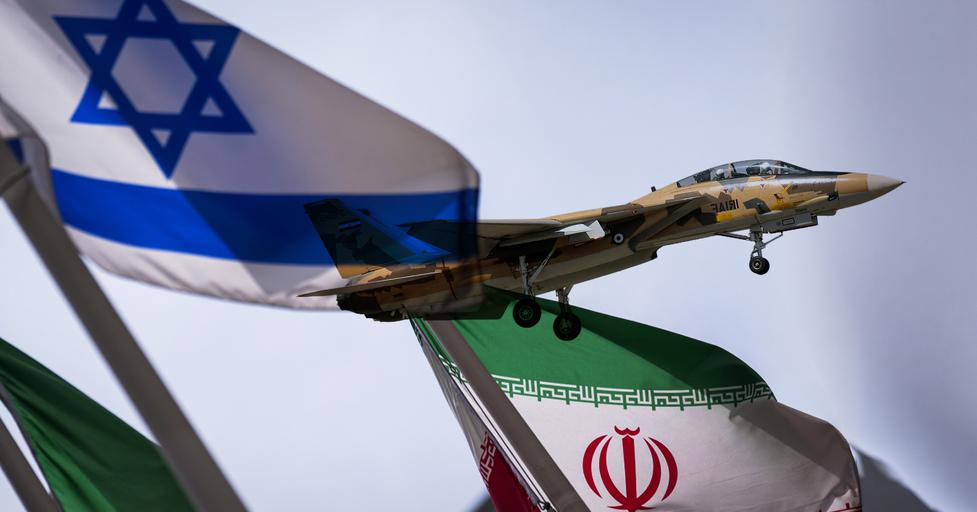
Had Israel absorbed Iran's latest missile attack without responding, a new and dangerous equation in the region would have begun to emerge.
782 words~4 min read