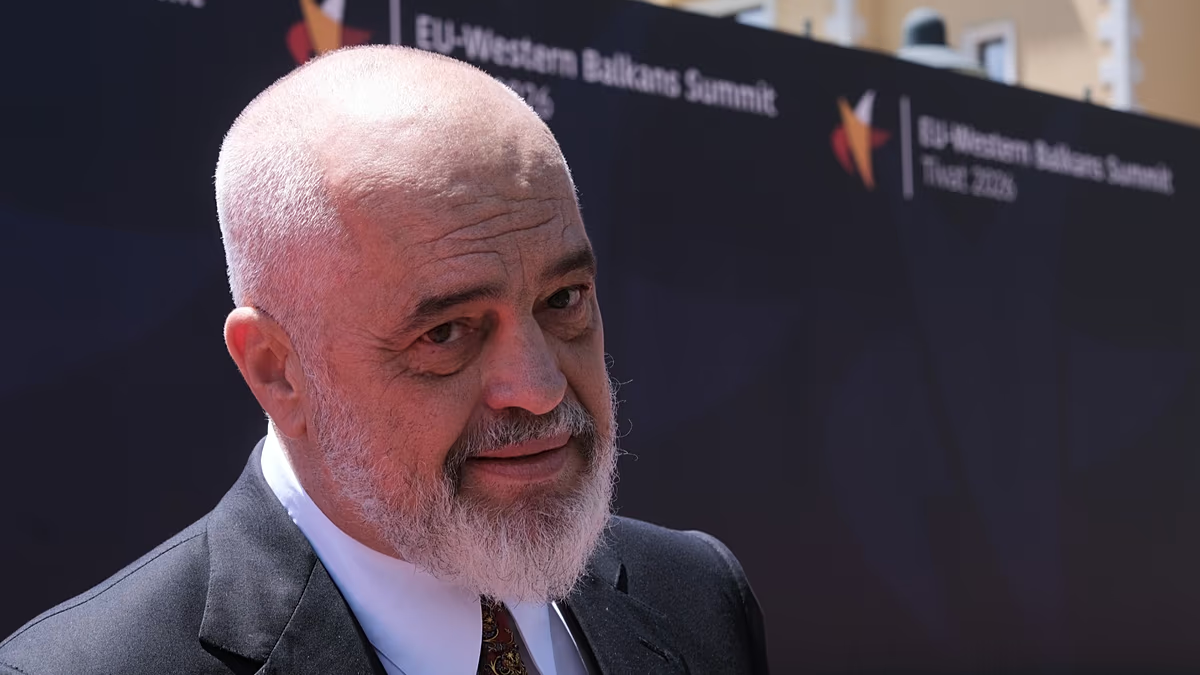
Western admirers speak about Rama as if he were not merely governing Albania but personally dragging it into the twenty-first century. That is precisely the problem
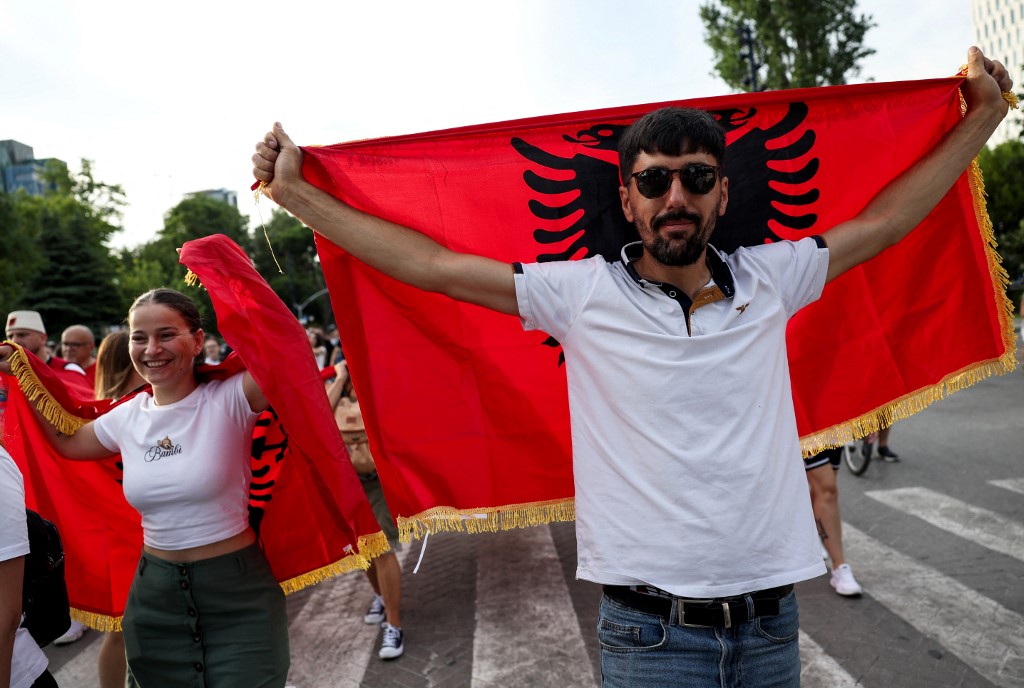
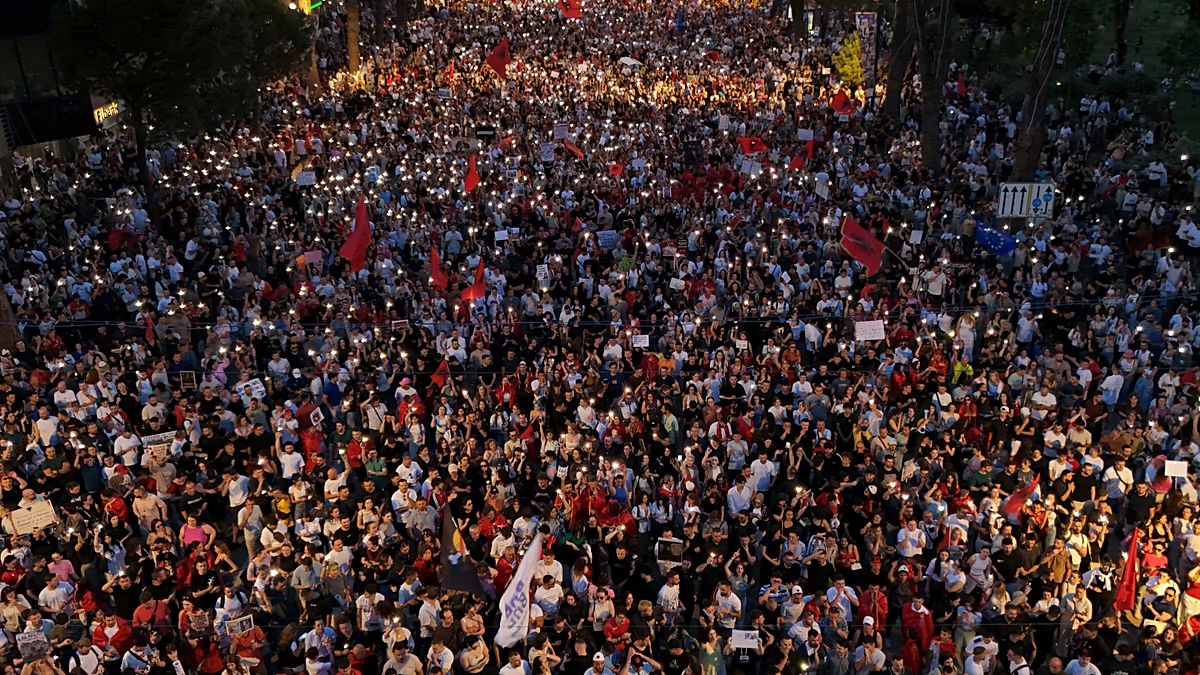
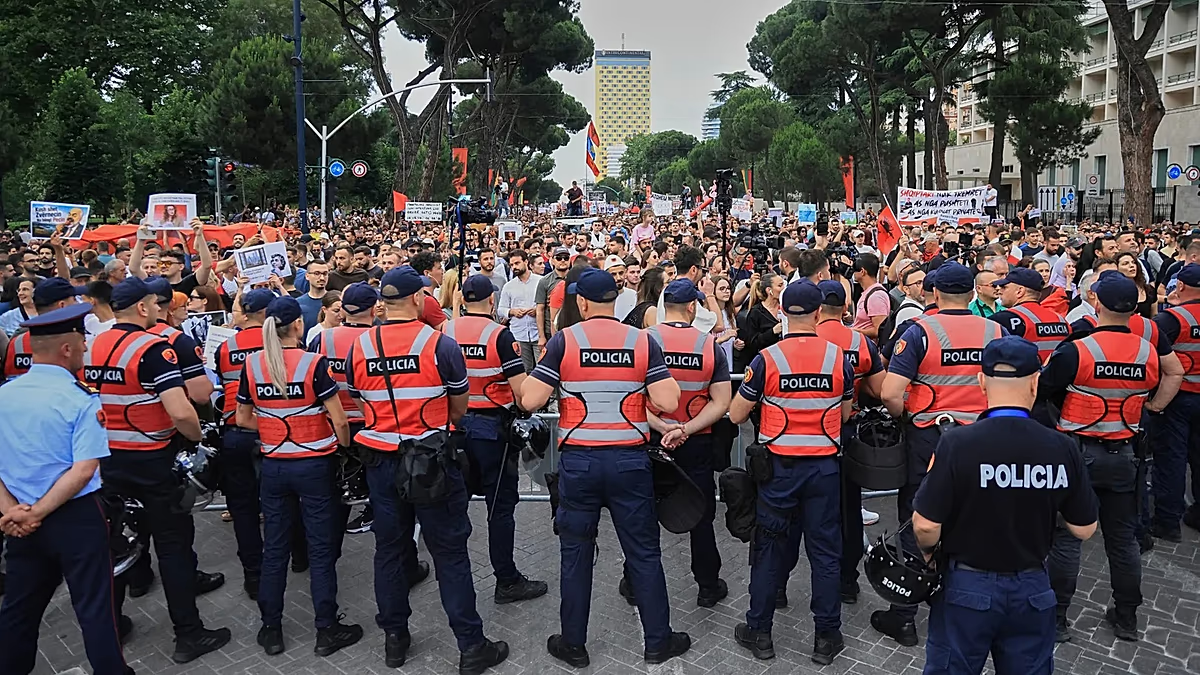
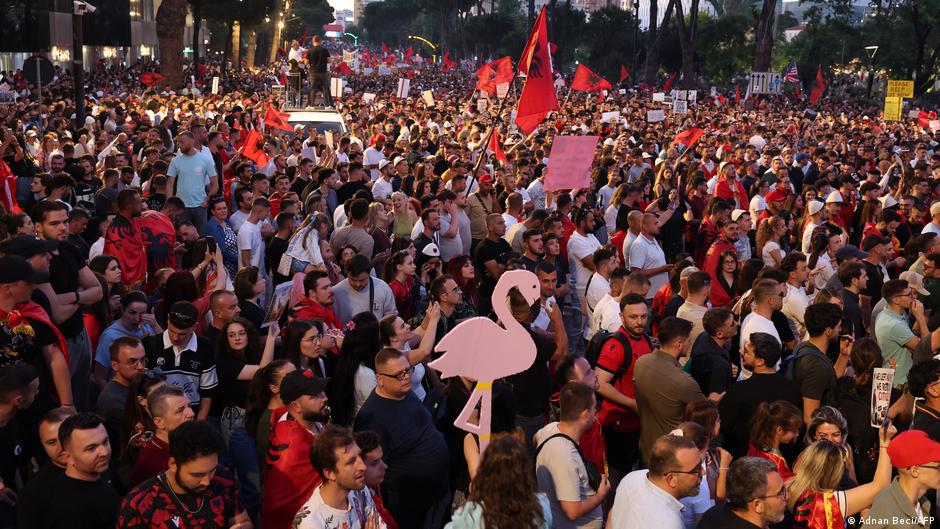
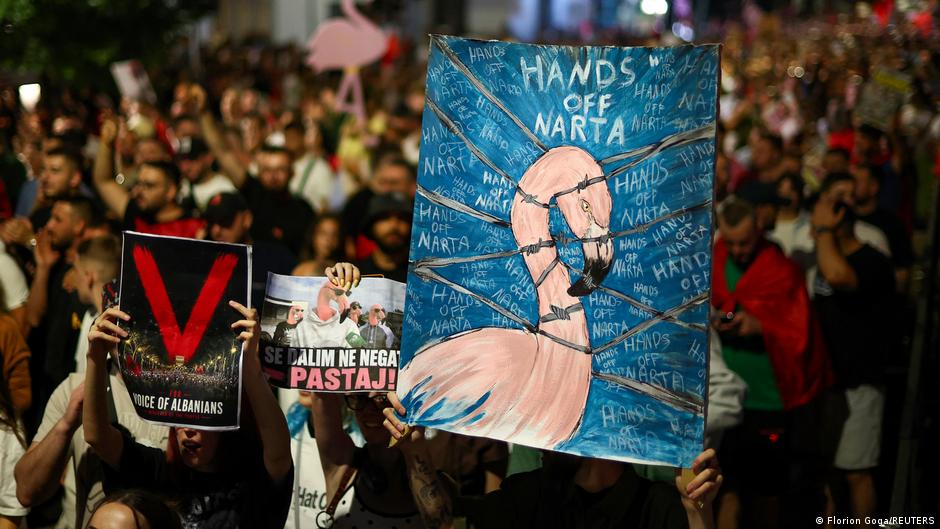
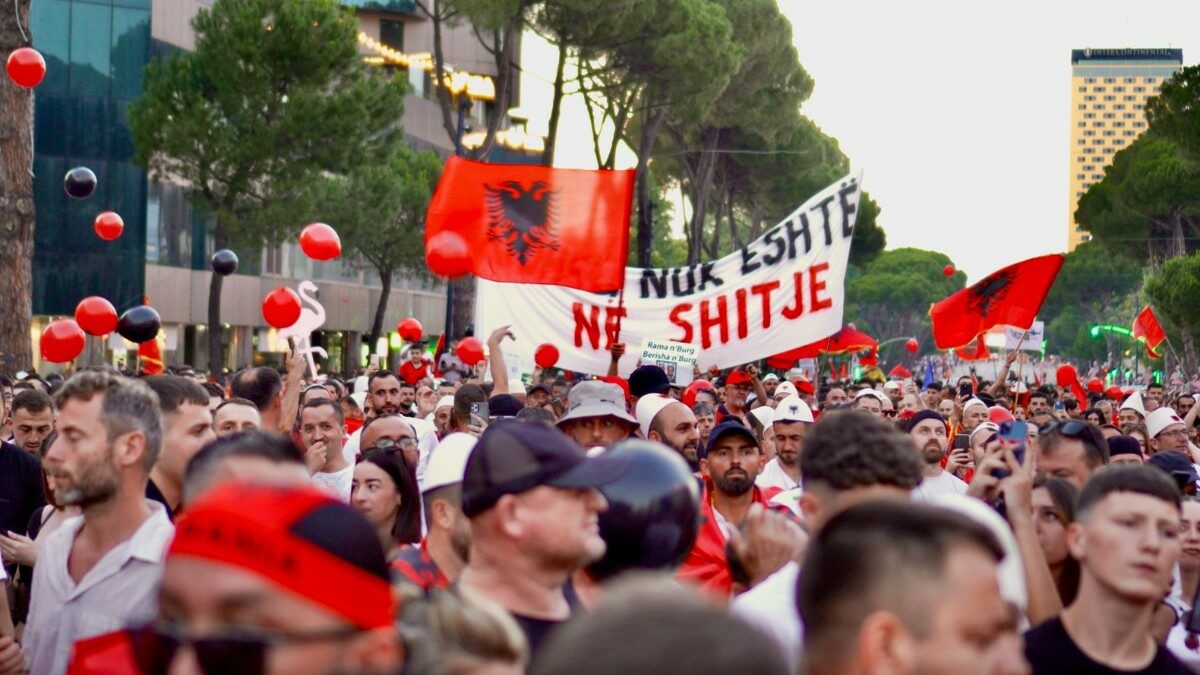
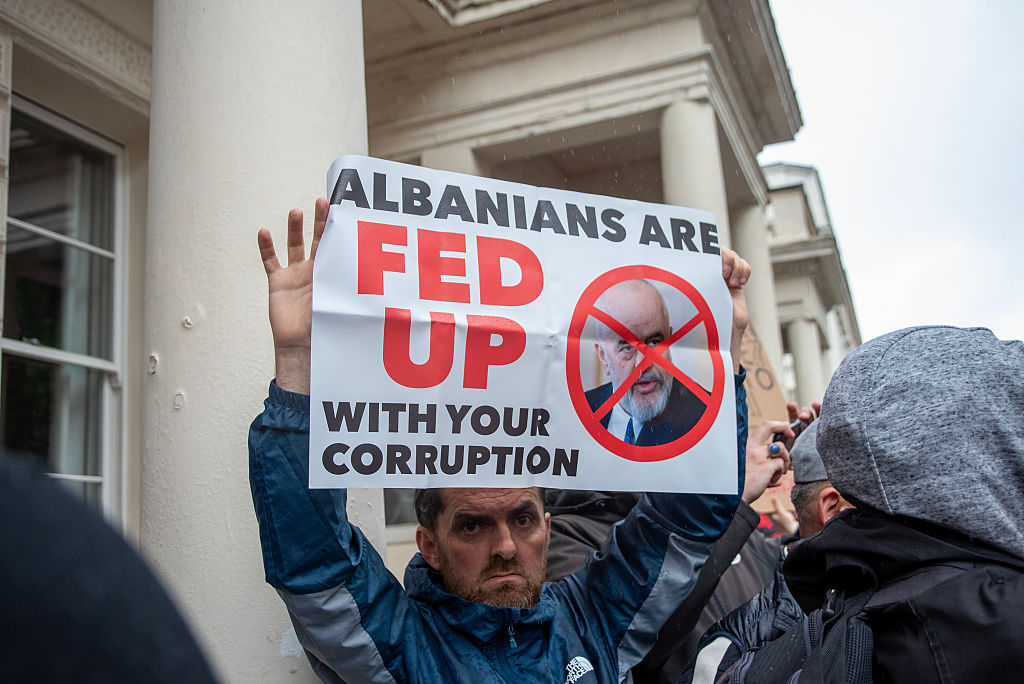
The protests in Albania – dubbed the ‘Flamingo Revolution’ – may have captured international attention, but they are unlikely to end Prime Minister Edi Rama’s grip on power. Not because Albanians are satisfied. Not because corruption has disappeared. Not because Albania’s institutions are stronger than ever. Rama remains secure because the official opposition has spent years destroying its own credibility.
As long as the Democratic Party remains tethered to Sali Berisha, Rama sleeps comfortably. For many Albanians, the choice is not between a government and an opposition. It is between two political eras they have grown tired of. Berisha, burdened by decades of controversy, remains a symbol of a political class that refuses to leave the stage. The Democratic Party increasingly resembles a family business masquerading as a political movement, more interested in protecting its own legacy than building Albania’s future.
This is Rama’s greatest political insurance policy. But his most serious challenge is emerging not from Parliament but from civil society. The Flamingo movement is not merely anti-Rama – it is anti-Berisha as well. It rejects the false choice that has dominated Albanian politics for a generation and represents citizens who are exhausted by the permanent political war between men who have ruled Albania directly or indirectly for much of the post-communist era.