For analysis on how the latest escalation in the Middle East will affect a host of issues in the region, Amna Nawaz speaks with Miad Maleki at the Foundation for Defense of Democracies and David Makovsky at the Washington Institute for Near East Policy.Notice: Transcripts are machine and human generated and lightly edited for accuracy. They may contain errors.
Amna Nawaz:
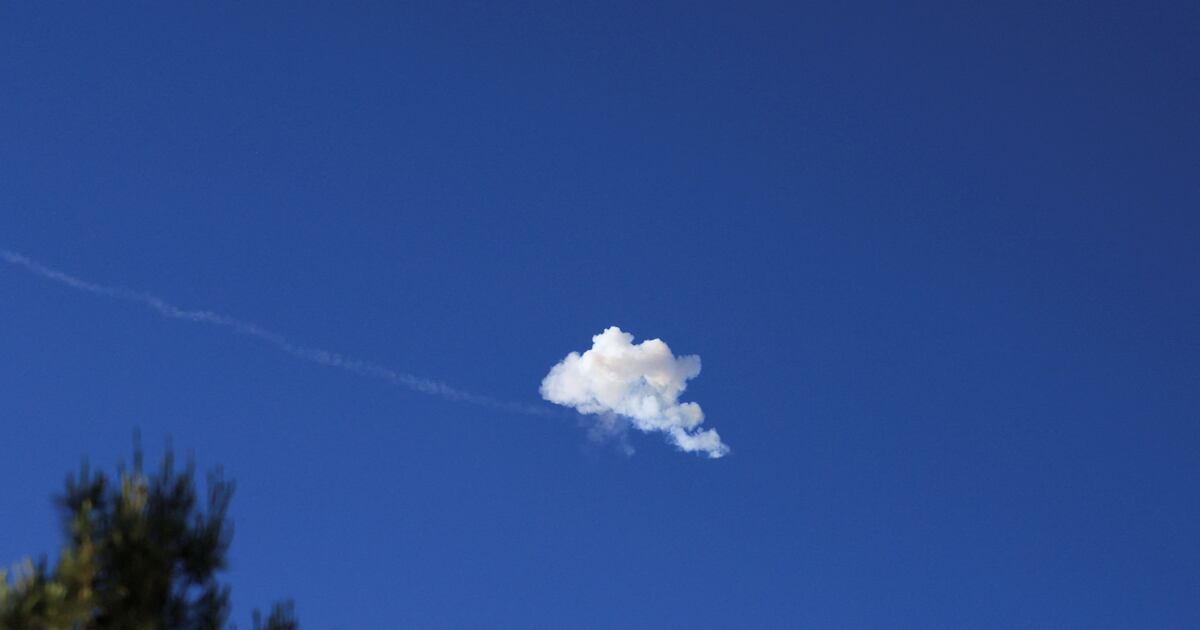
And a short time ago, the Israeli military said it had intercepted what it called a -- quote -- "suspicious aerial element" in the far south of Israel. The IDF said the incursion was from Yemen, where an Iran-backed proxy group is based.To help us understand how this latest escalation will affect a host of issues, I'm joined now by Miad Maleki. He's a senior fellow at the Foundation for Defense of Democracies and previously served as a senior U.S. sanctions strategist in both the first Trump and Biden administrations.And, from Jerusalem, David Makovsky, he is a distinguished fellow at the Washington Institute for Near East Policy and host of the podcast "Decision Points."Gentlemen, welcome to you both.And, Miad, I will start with you.It's fair to say Iran has long said a cease-fire in Lebanon is a condition to peace talks. The shift from words to action is a big deal. Why would Iran choose to strike Israel now?