The negative impact of the original Industrial Revolution fell most heavily on the working class.
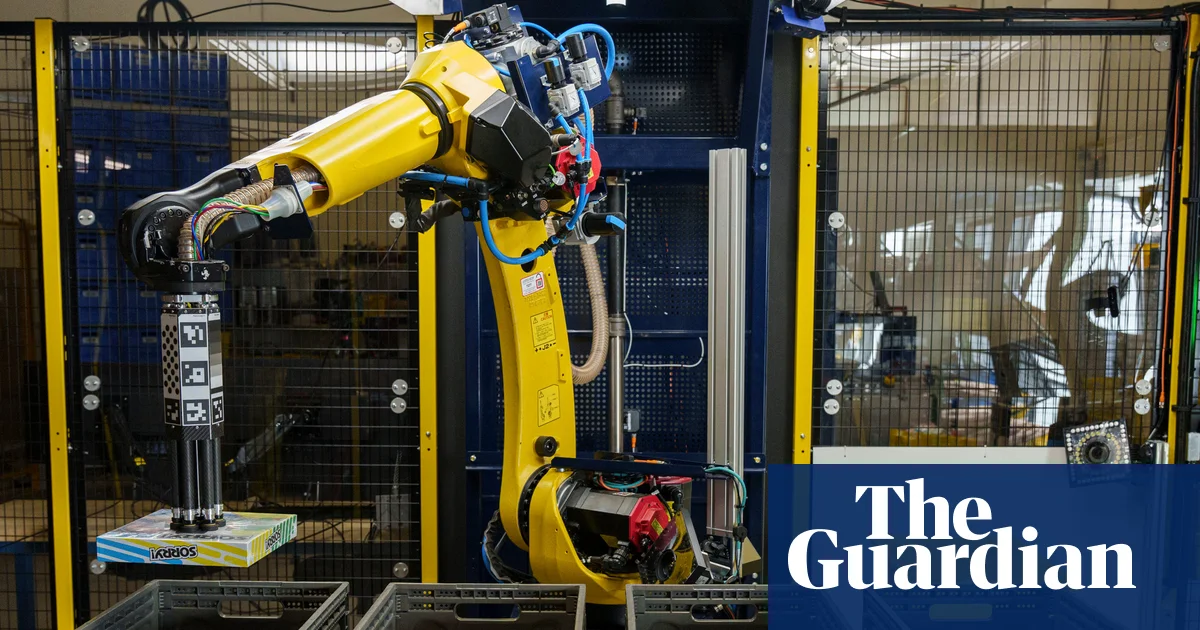
Through the 18th and 19th centuries, as machines took over the roles of humans, it was manual and semi-skilled workers who bore the brunt of the job losses.
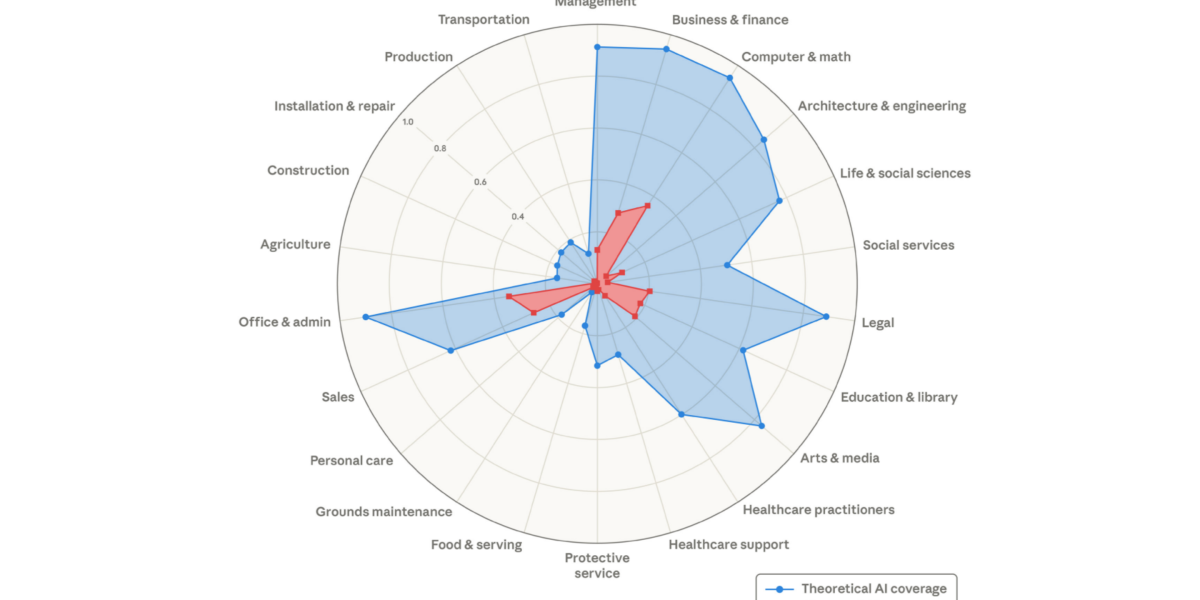
Today, we are at the start of a very different – but no less seismic – revolution in the world of work. This time it’s white-collar staff and the educated young whose futures are most threatened.
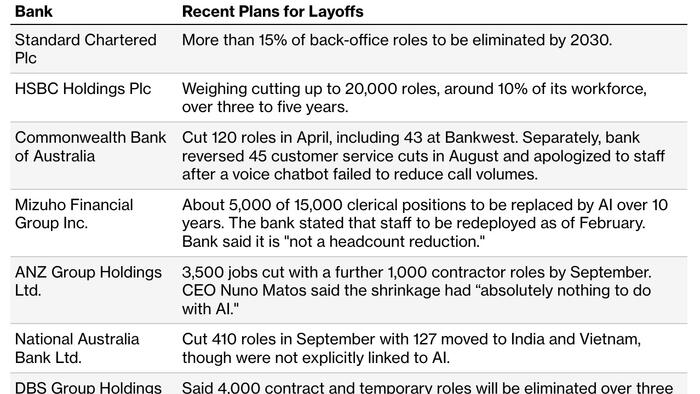
Owing to the rapid spread of artificial intelligence, entry-level jobs are disappearing fast, as company bosses ask themselves: Why bother to have juniors carrying out basic research, reviewing documents or drafting standard letters when AI can do it faster and at a fraction of the cost?
The landscape looks particularly bleak for graduates coming into the workplace, with James Reed, chairman of multi-national recruiter Reed Employment, warning that automation is wiping out the lower rungs of their career ladders.