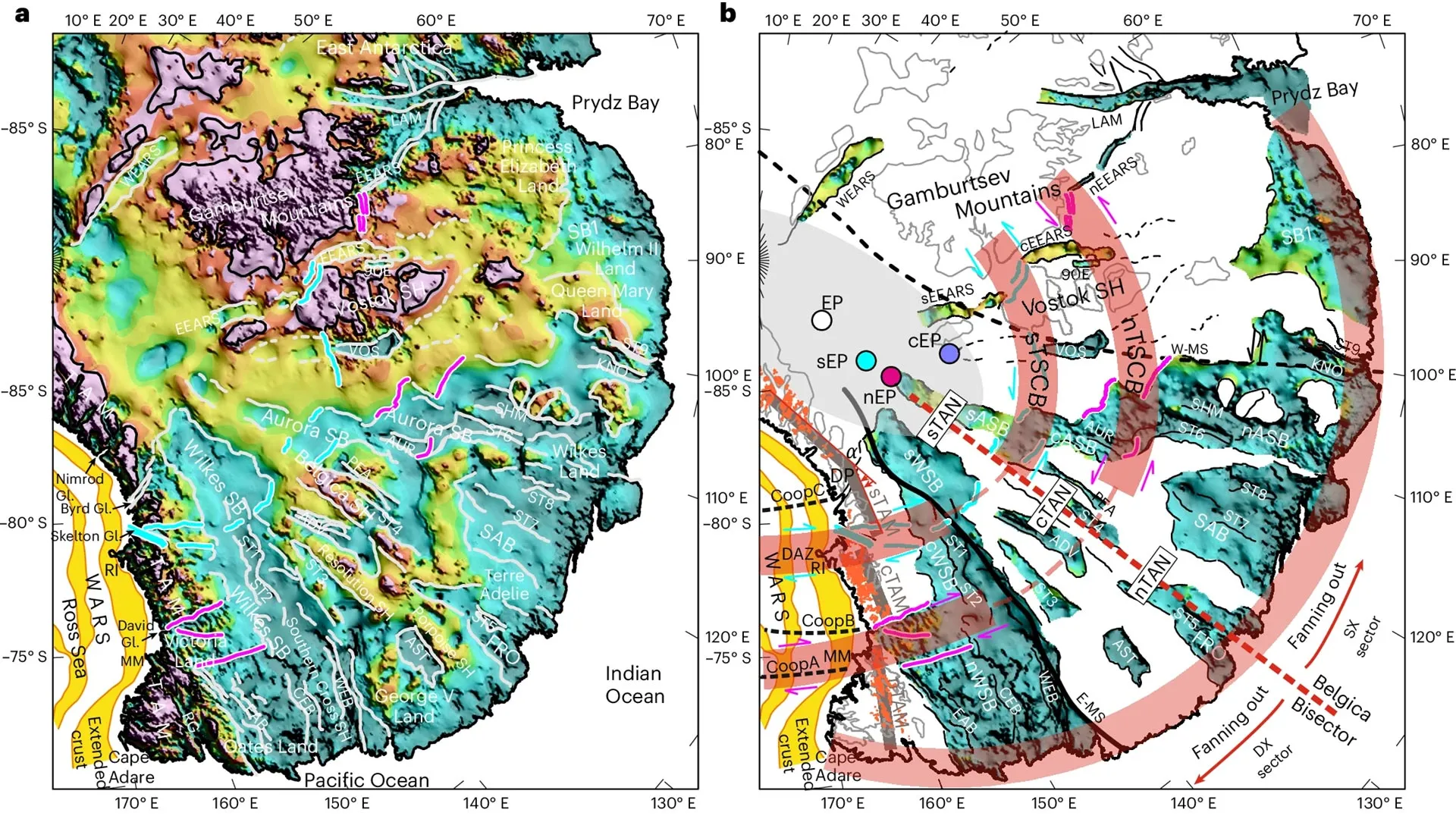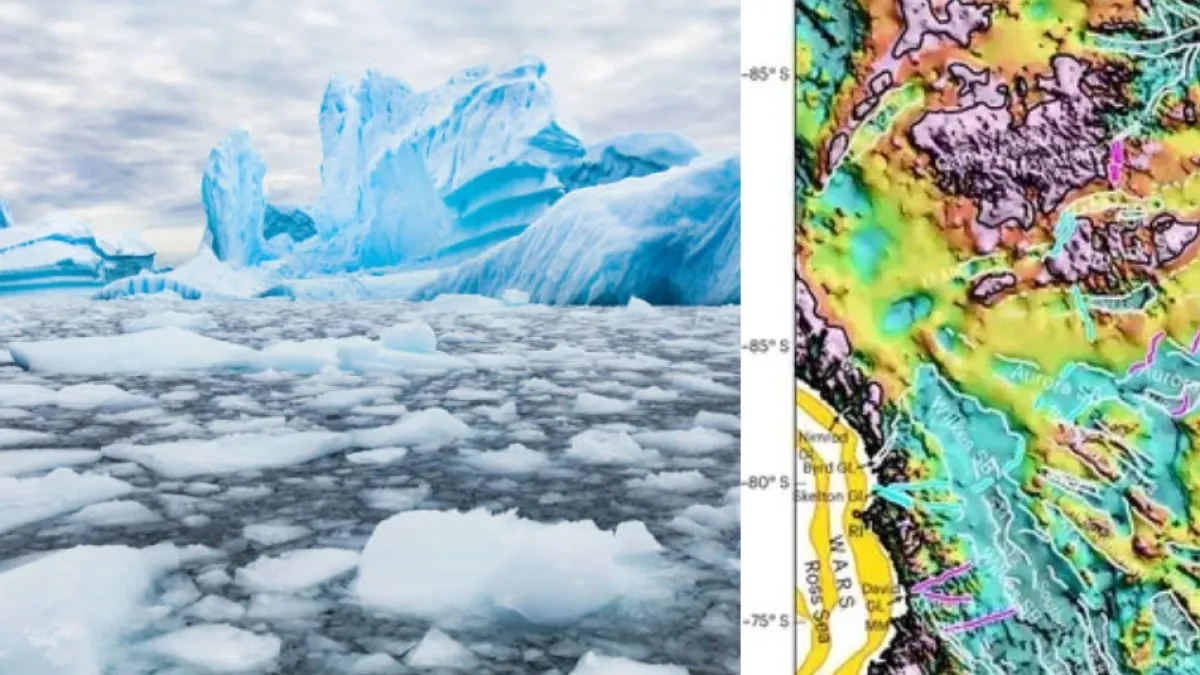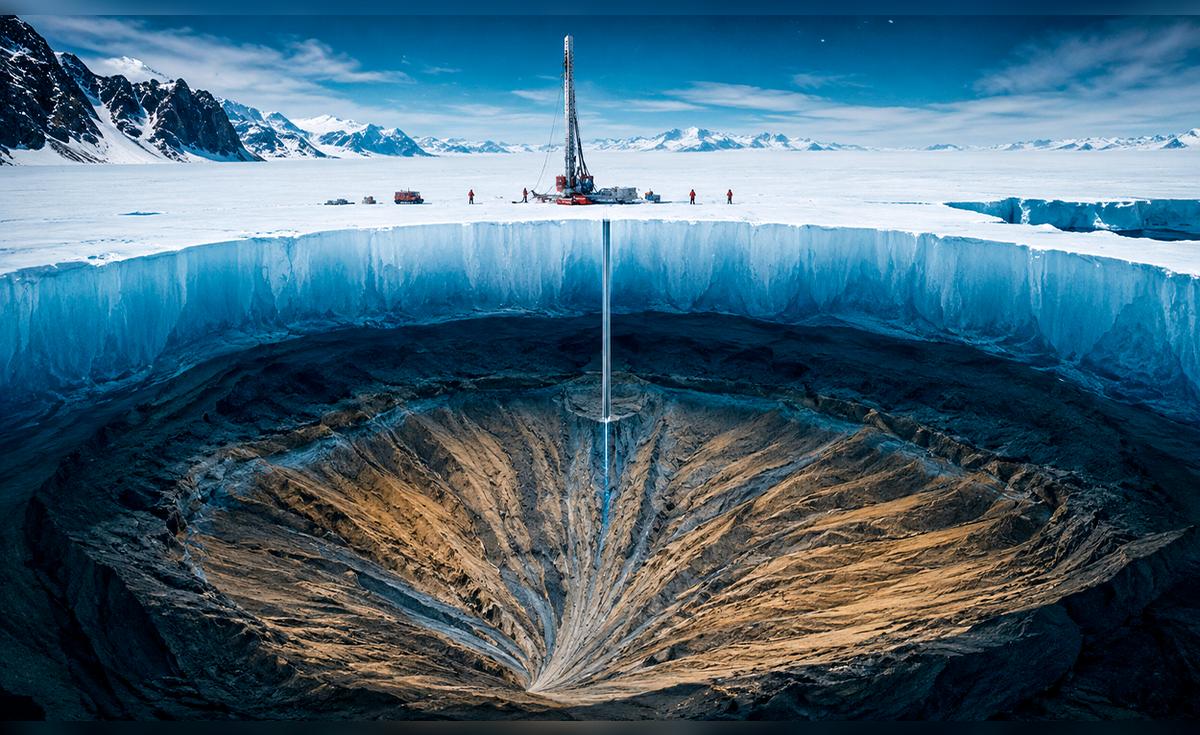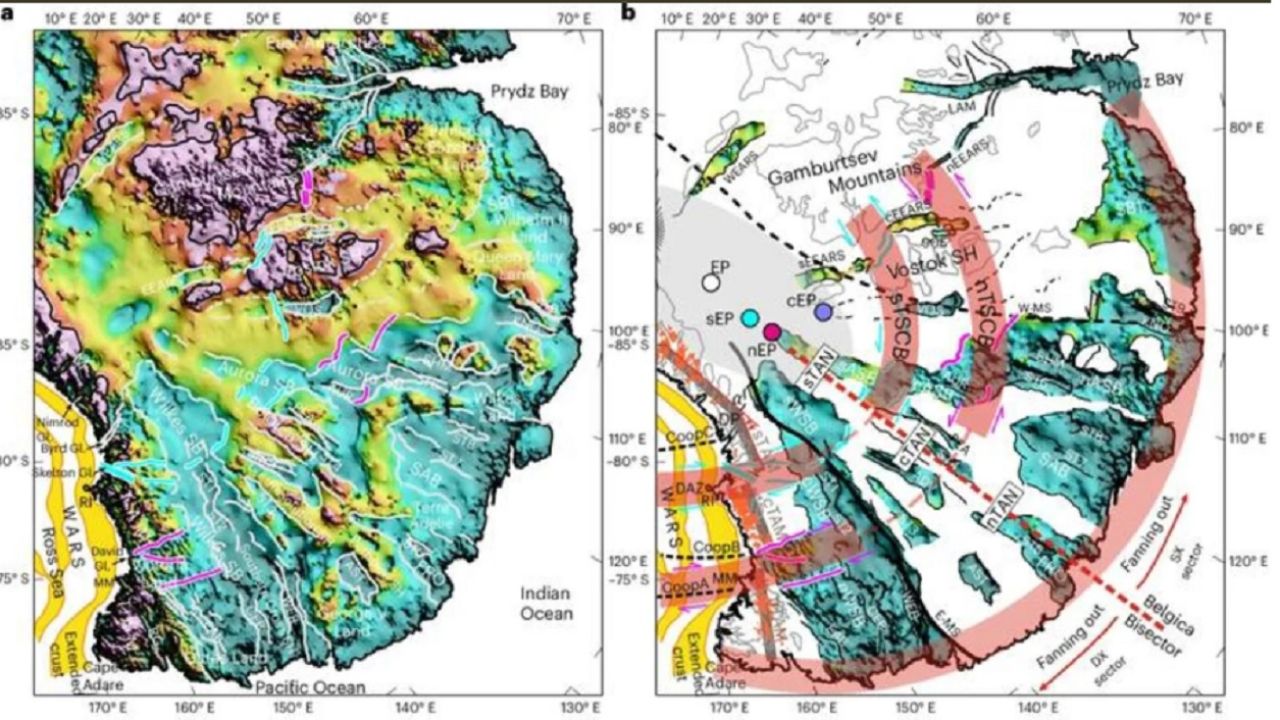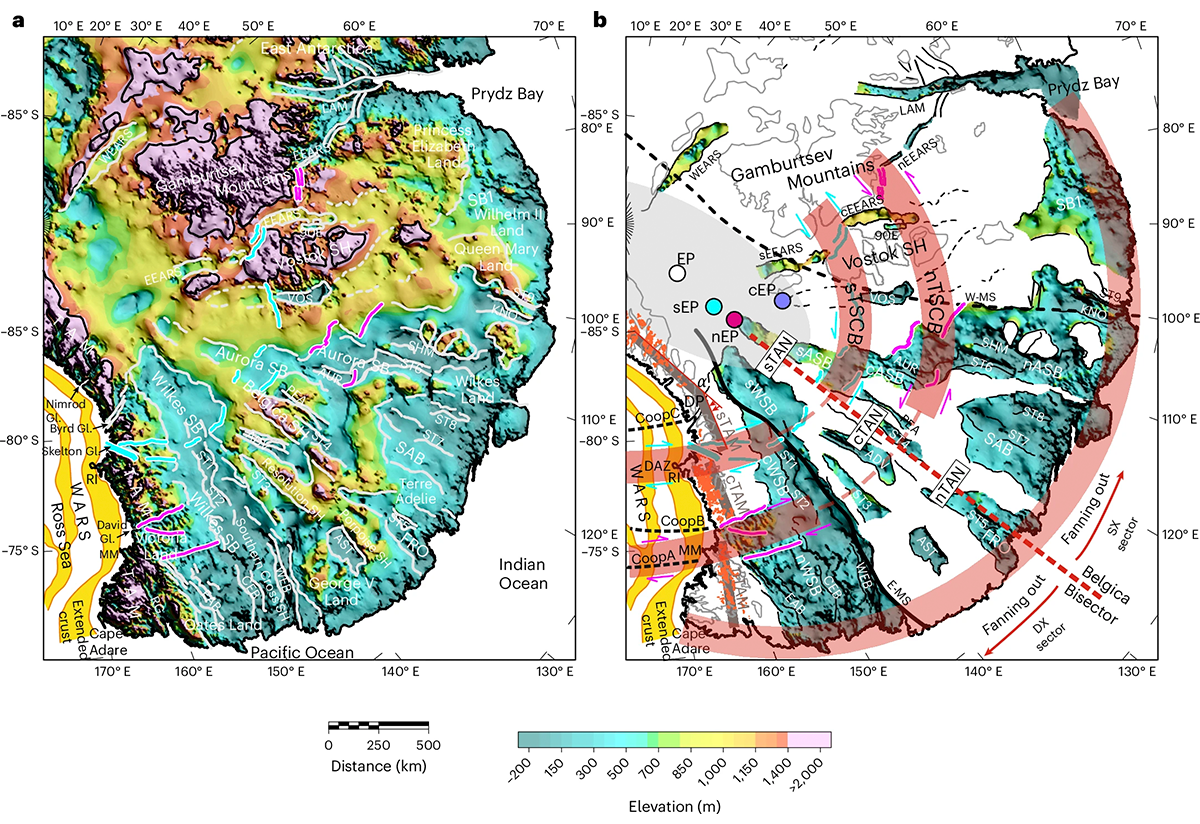
There’s a vast hidden structure buried deep beneath Antarctica. It’s not the ruins of a lost ancient civilization, though; it’s a nearly continent-sized network of hidden basins two miles beneath the surface. Featured VideoAn international team of geoscientists discovered the superstructure by combining observations from a variety of sources, including gravity measurements, magnetic data, and subglacial topography. The complex, which they’ve named the East Antarctic Fan-shaped Basin Province in a study published recently in Nature, comprises a number of smaller basins. It now includes the Wilkes and Aurora basins as well as the largest subglacial lake, Lake Vostok. Independently, these geological features were the subjects of research, but this is the first study to describe them as features of the same megabasin. Read more: “So Much Depends Upon Antarctica”As its new name suggests, the structure is shaped like a fan. Researchers say it was formed by the Earth’s crust spreading out from a focal point near the South Pole, similar to the fingers spreading apart on a hand. This spread occurred before the breakup of the supercontinent Gondwana, and may have influenced the separation of the landmass into the modern continents we know today (particularly the split between Antarctica and Australia). According to the research team, this unique formation directly influences the movement of Antarctica’s massive sheet of ice. The network of hidden geological features determines where the glaciers overlaying it will flow, which makes studying it crucial for predicting how climate change will change the southern ice cap. After billions of years, the Earth still has some (continent-size) surprises. Enjoying Nautilus? Subscribe to our free newsletter.Lead image: Armadillo et.al., Nature Geoscience
Vast Hidden Structure Discovered Beneath Antartica
Vast Hidden Structure Discovered Beneath Antartica: The massive formation is older than the continents
272 words~1 min read