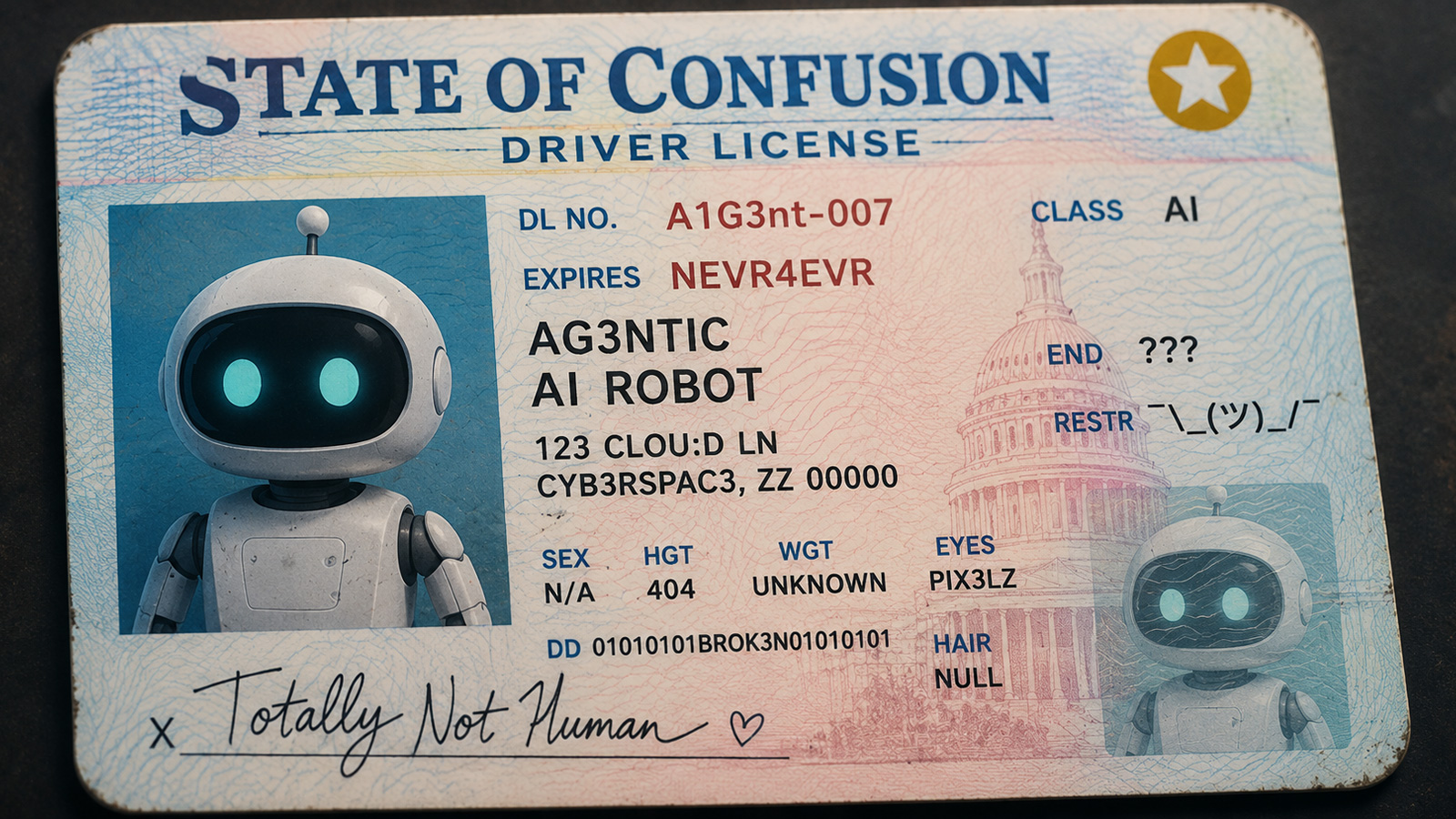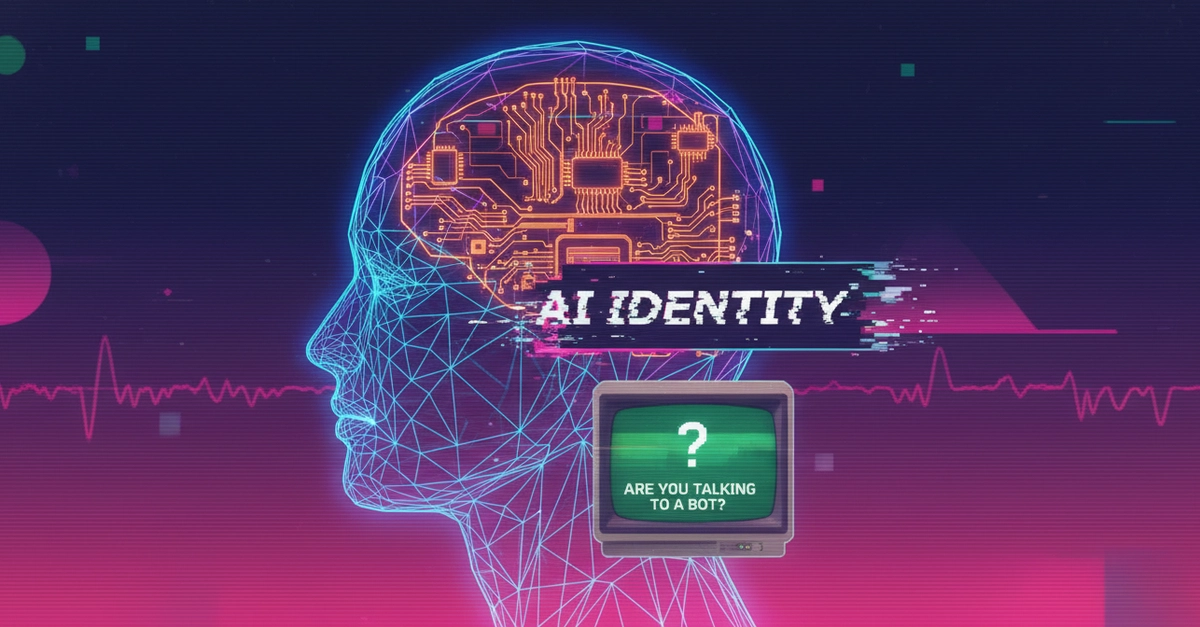
As developers, we're building agentic systems faster than ever. But this rapid deployment brings up a huge, often overlooked challenge: AI identity.
When a user interacts with a system, they need to know who—or what—they're talking to. If the identity is ambiguous, users might share sensitive data or trust automated advice a bit too much. This "Identity Ambiguity Gap" is a real security risk for both enterprise and consumer apps.
Recently, researchers introduced the RealityTest framework to see how AI models actually handle identity questions in the messy real world, rather than just in controlled benchmarks. Let's dive into what they found.
Where Does Identity Ambiguity Happen?
The study highlights three main scenarios where the line between human and machine gets blurry: