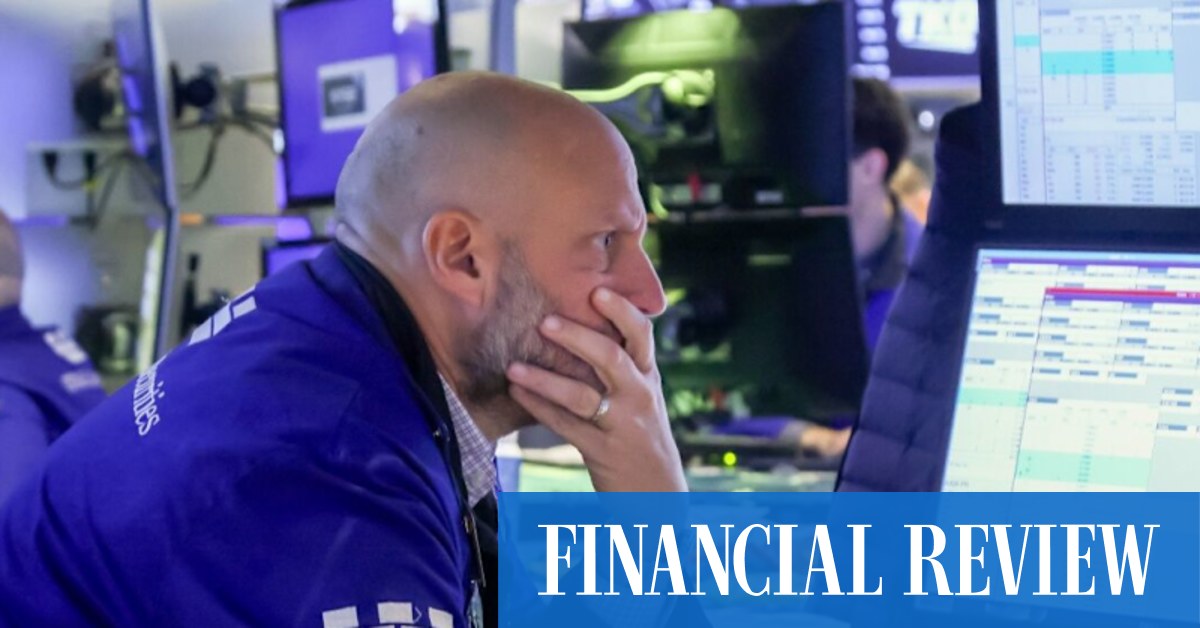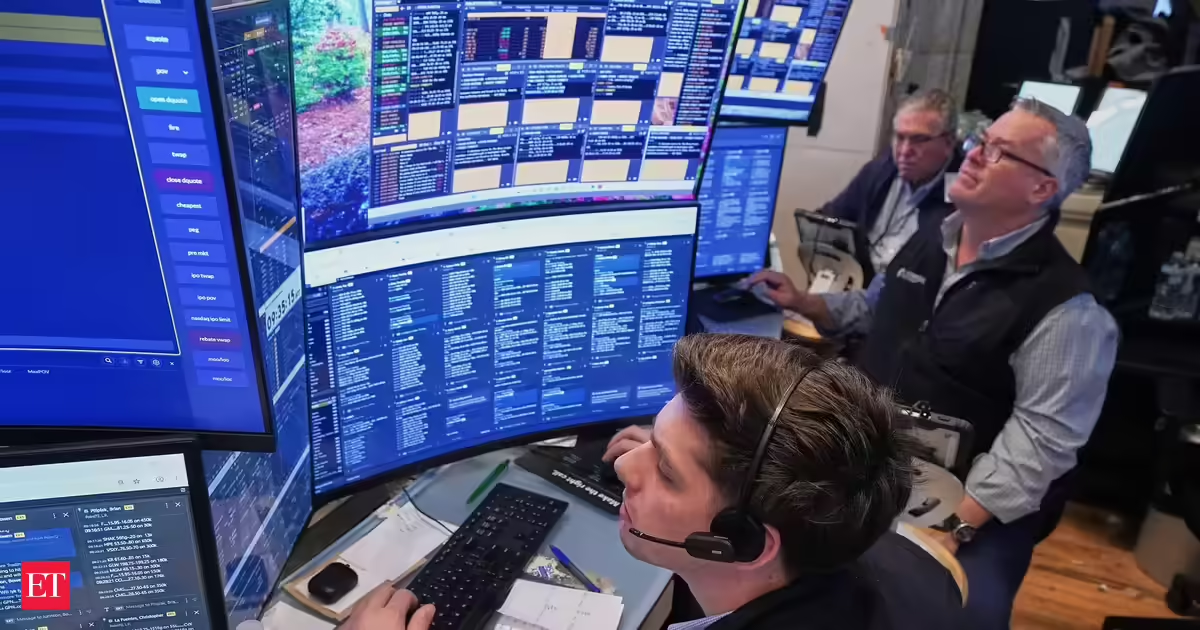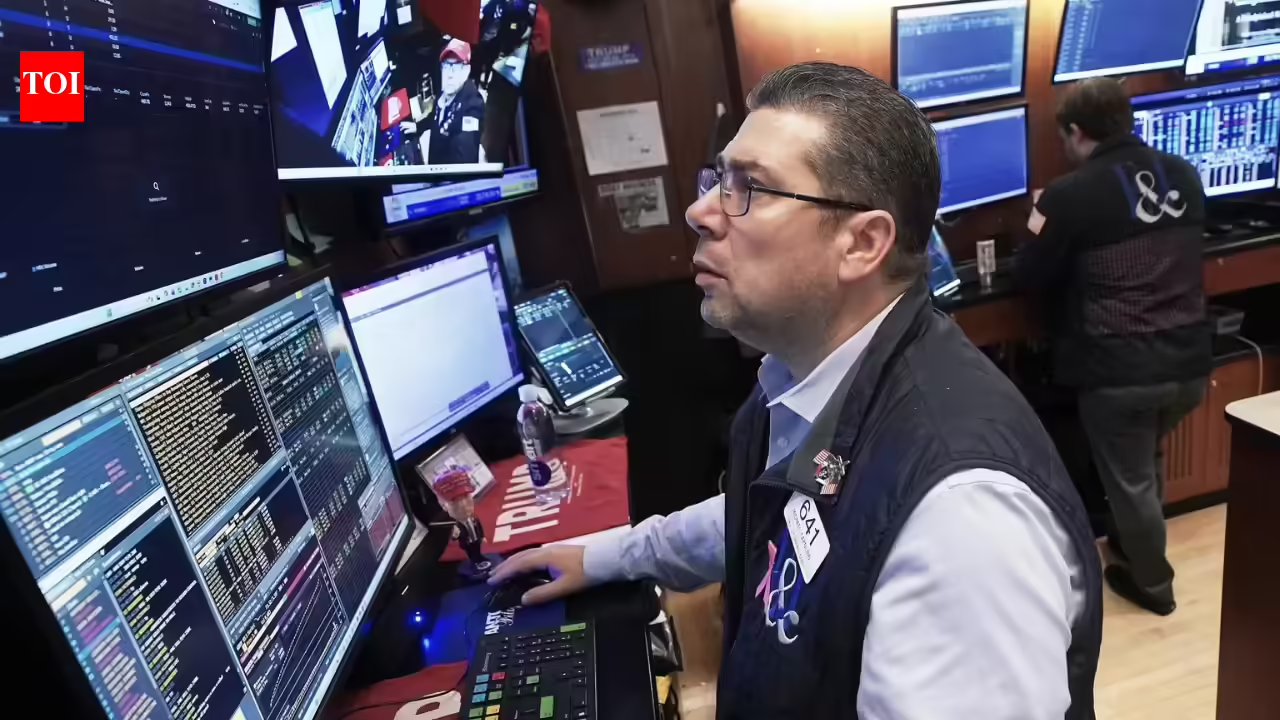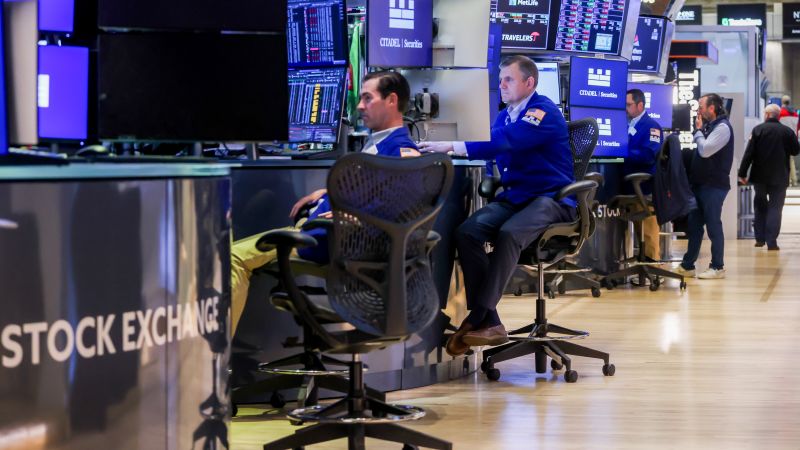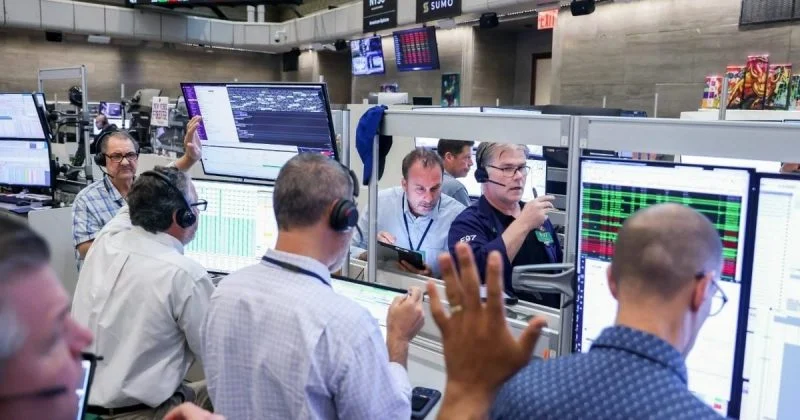
Wall Street just got a painful reminder that good economic news can be very bad market news. US stock futures declined sharply following a brutal tech-led selloff on June 5, triggered by a May jobs report so strong it essentially rewrote the Federal Reserve’s playbook for the rest of 2026.
Nonfarm payrolls surged by 172,000 in May, nearly double the consensus forecast of roughly 86,000. The unemployment rate held steady at 4.3%. In any other context, that would be cause for celebration. In this one, it sent traders scrambling to reprice interest rate expectations, and not in the direction anyone holding risk assets wanted.
The damage on Wall Street
The Nasdaq Composite dropped approximately 4.2% on June 5, a gut punch to a tech sector that had already been wobbling under the weight of rising rate expectations. The S&P 500 fell about 2.6%, marking its worst single-day performance since October.
Before the jobs report landed, CME FedWatch data showed the odds of at least one Fed rate hike by December sitting around 52%. After the report, those odds jumped to somewhere between 68% and 72%. That’s a massive shift in a single trading session, and it explains why futures continued sliding into the following week.