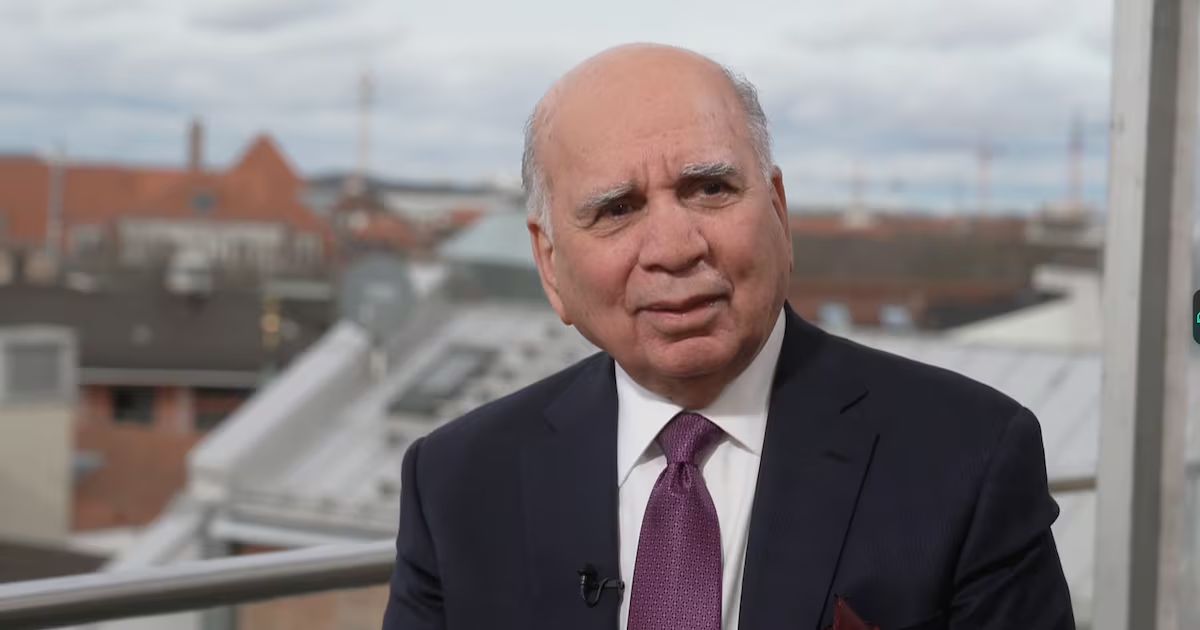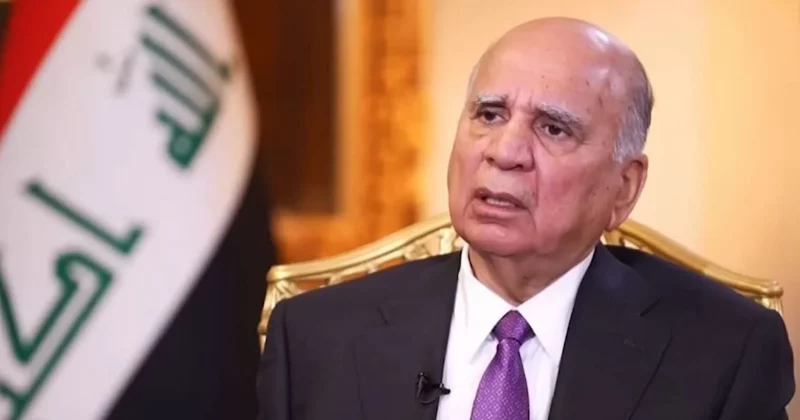
Iraq’s Foreign Minister Fuad Hussein delivered a blunt warning on June 7: if the Strait of Hormuz doesn’t reopen, the government may not be able to pay public-sector salaries next month. For a country where oil revenue funds roughly 90% of the national budget, that’s not hyperbole. It’s arithmetic.
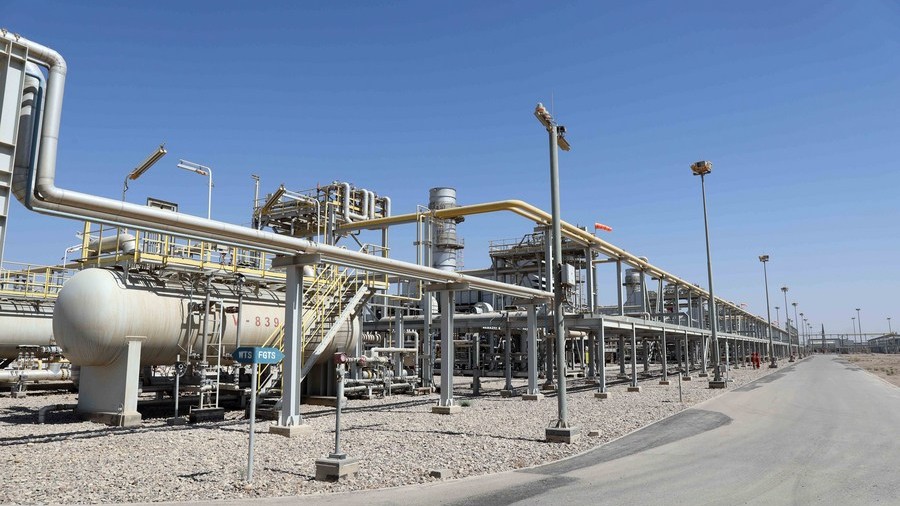
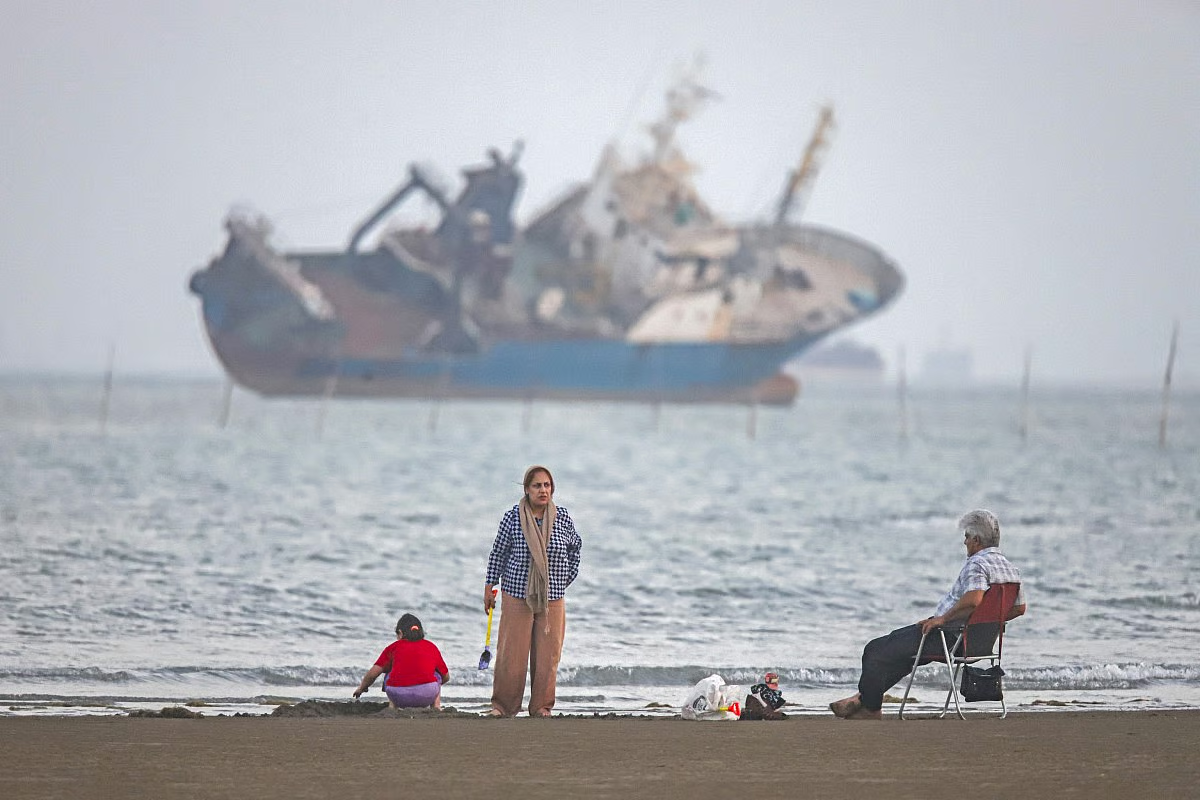
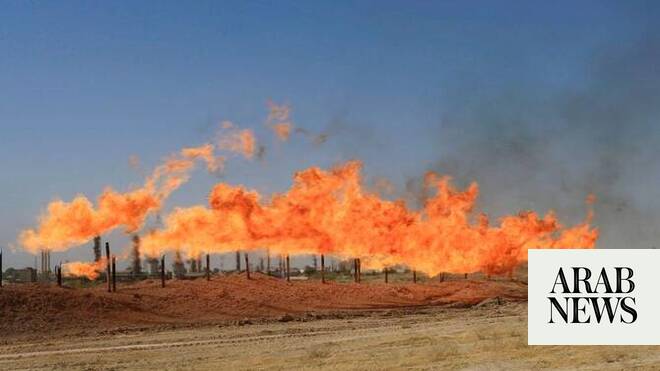
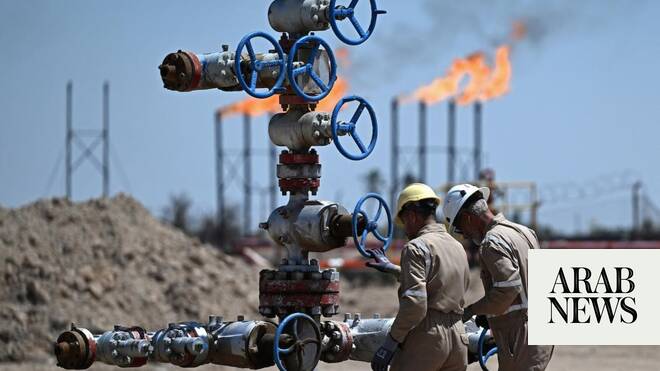
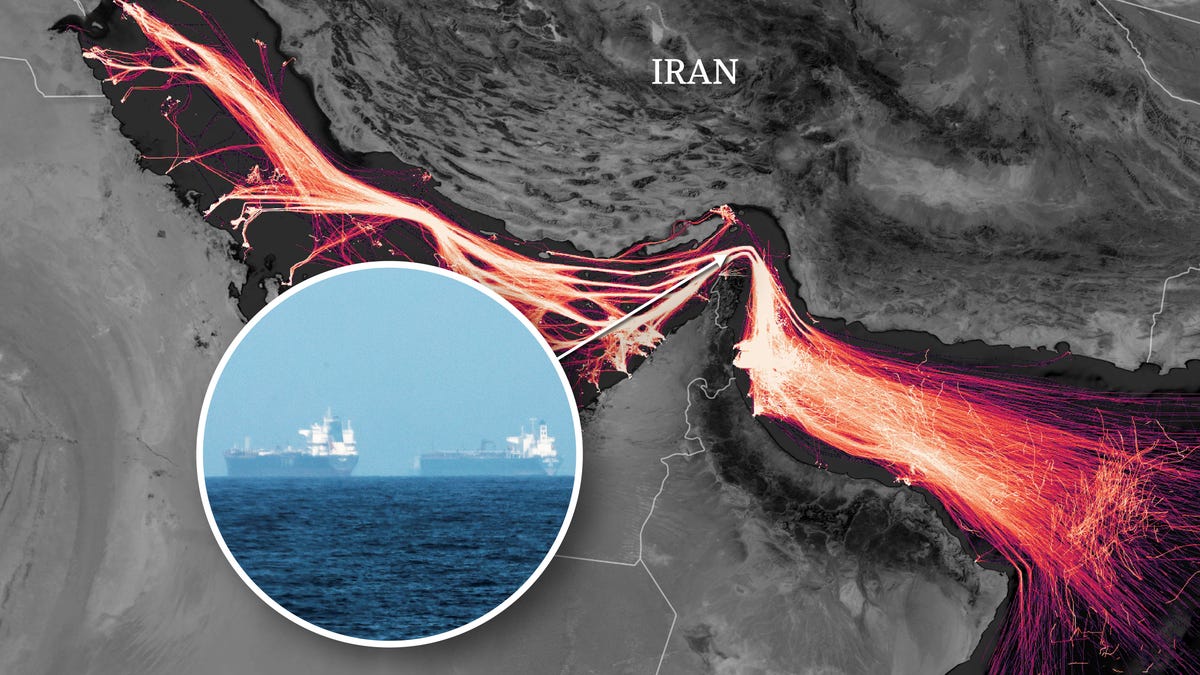
The strait, a narrow chokepoint connecting the Persian Gulf to open ocean, has been effectively shut down amid escalating regional tensions involving Iran. Iraq’s daily oil output has cratered from approximately 4.3 million barrels per day to around 1.4 million. That’s not a dip. That’s a two-thirds collapse in the country’s primary revenue engine.
A government running on printed money
To keep the lights on, Baghdad has resorted to one of the oldest and most dangerous tools in the fiscal playbook: printing money. The Iraqi government has added 25 trillion dinars, roughly $16.3 billion, to the money supply. That’s a 25% increase, pushing the total from 100 trillion to 125 trillion dinars.
Advisors to the Prime Minister have reportedly indicated that austerity measures and external loans may be necessary if oil exports aren’t restored soon.