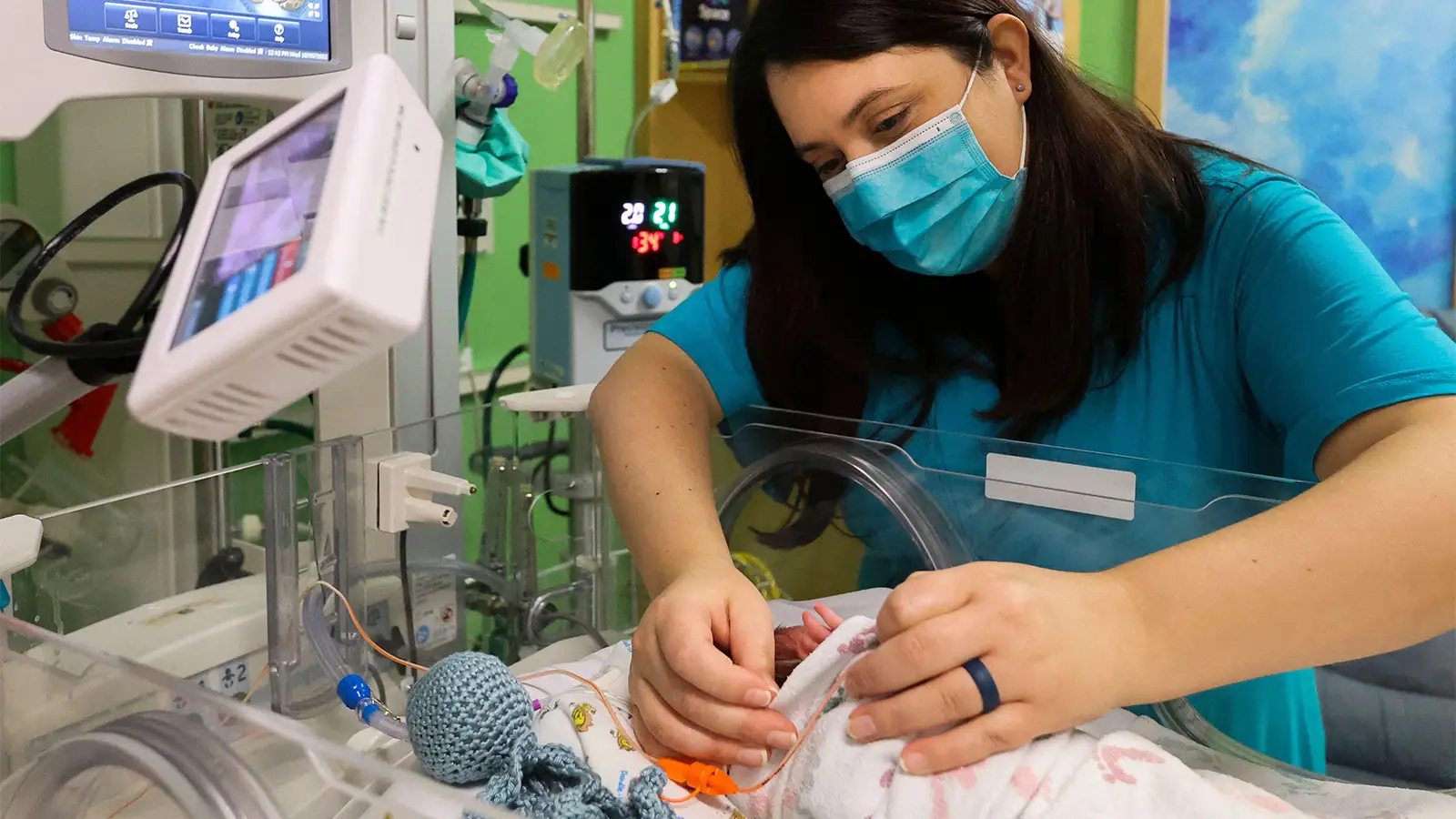
Among U.S. children born after the introduction of rotavirus vaccines, extremely preterm birth predicted 14.6-fold higher odds of not getting vaccinated.The findings suggest that guidelines' strict upper age limit and recommendation against administration in the neonatal intensive care unit (NICU) are significant barriers to immunization.The rotavirus vaccine was downgraded to an immunization based on shared clinical decision-making in a drastic reduction of the number of universally recommended childhood vaccines by the CDC earlier this year.
For U.S. kids born after the rotavirus vaccine was introduced, recommendations against administration in the neonatal intensive care unit (NICU) appeared to be a strong barrier to getting immunized, researchers reported.
Children most likely to not receive a first rotavirus vaccine dose included those with extremely preterm birth (OR 14.6, 95% CI 11.2-20.0), birth soon after introduction of the vaccine (OR 3.3, 95% CI 2.9-3.8), and lack of health insurance (OR 2.2, 95% CI 1.8-2.7), noted Mary Moran, PhD, MPH, of the CDC, and colleagues, in Pediatrics.
The CDC's Advisory Committee on Immunization Practices (ACIP) and the American Academy of Pediatrics (AAP) have recommended a maximum age for a first rotavirus vaccine dose of 14 weeks and 6 days and full series completion by 8 months of age, the research team noted.