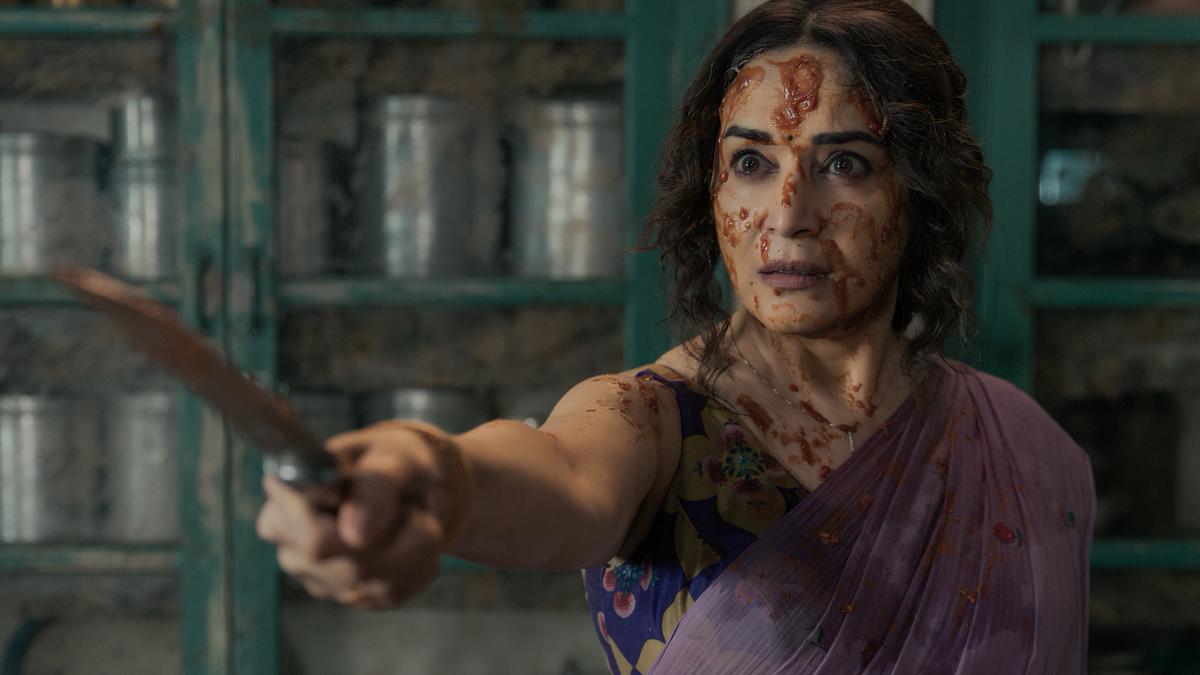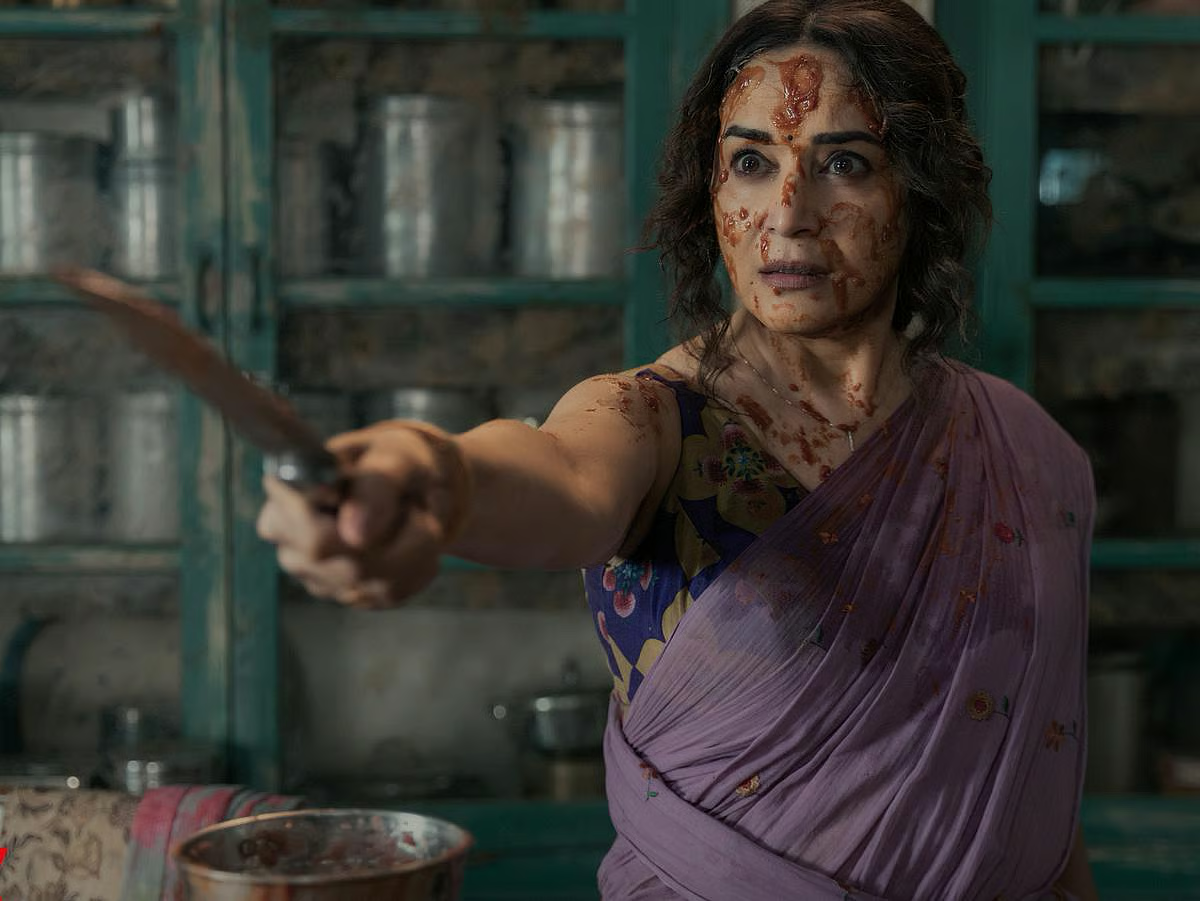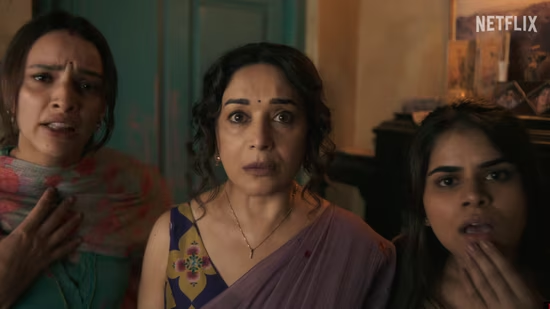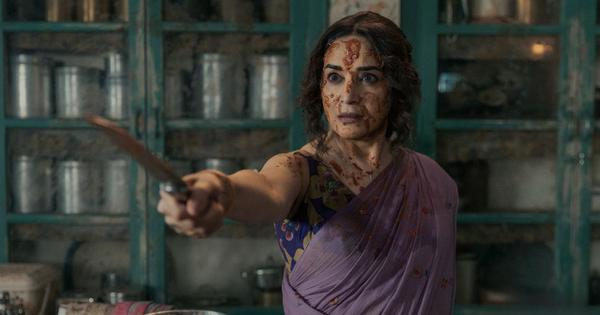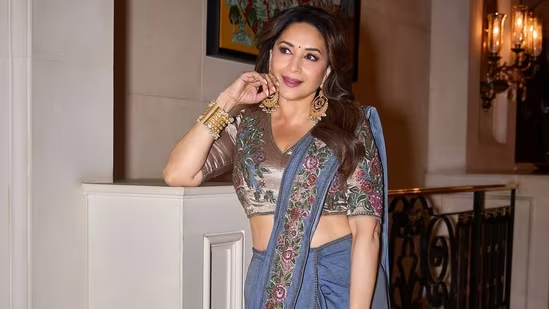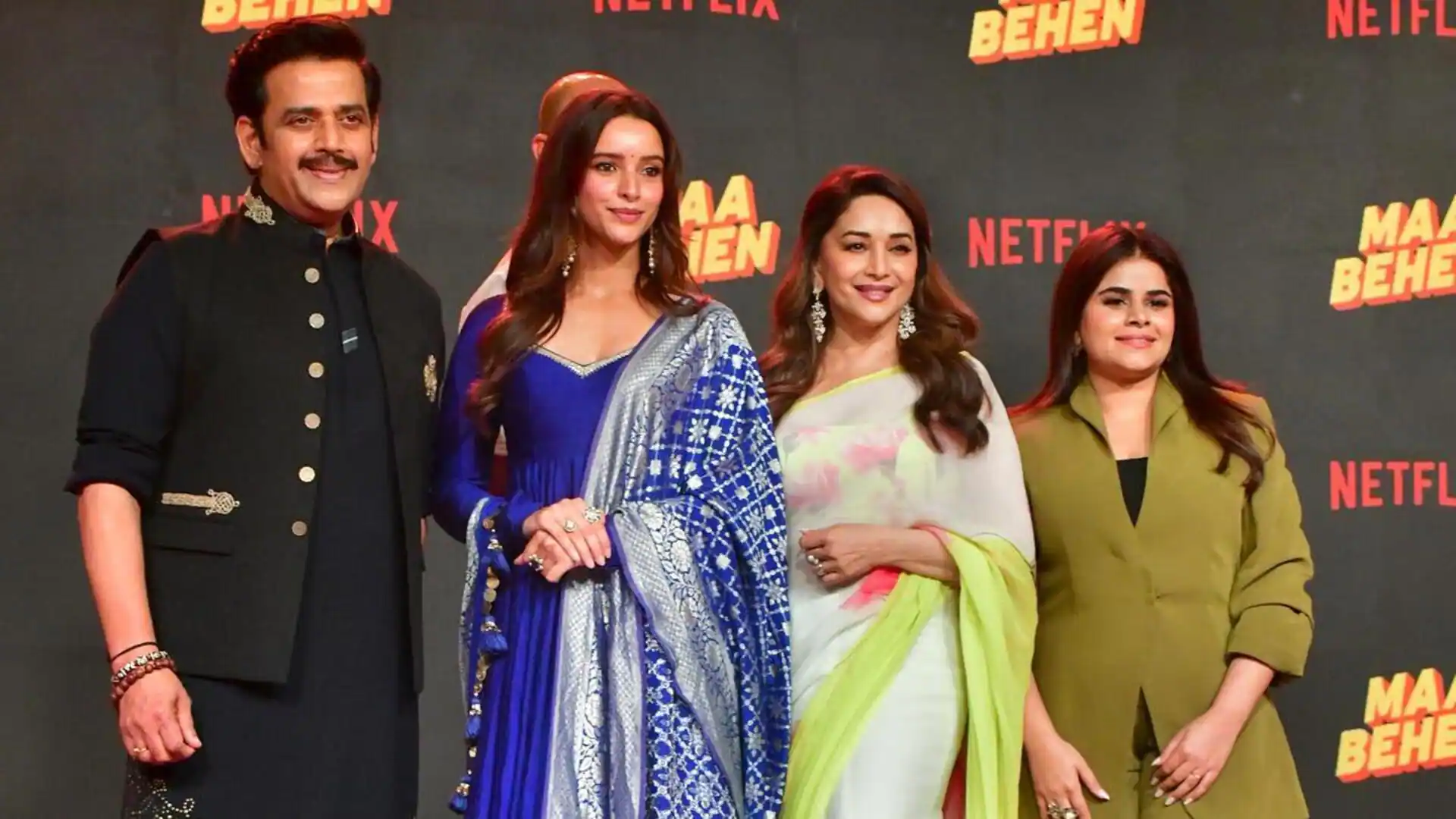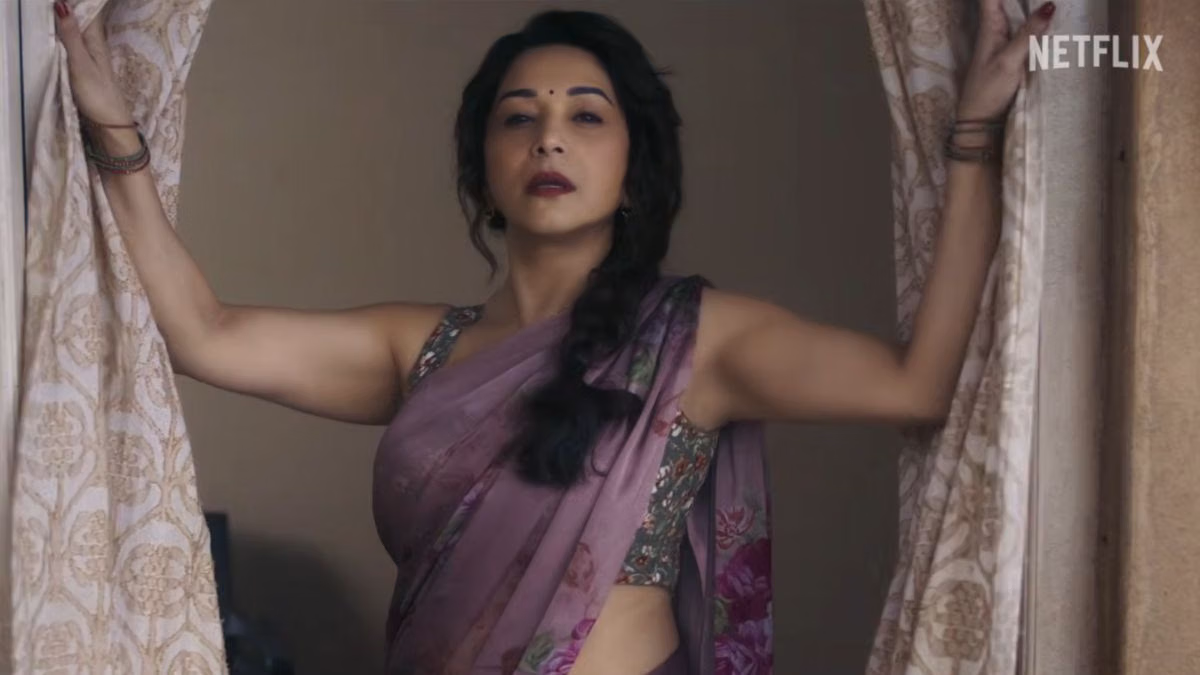
Suresh Triveni’s Netflix film Maa Behen should be renamed as ‘Maa Behen aur Sleeveless Blouse’. The sleeveless blouse donned by Madhuri Dixit’s Rekha draws so much attention, it’s almost a supporting actor.
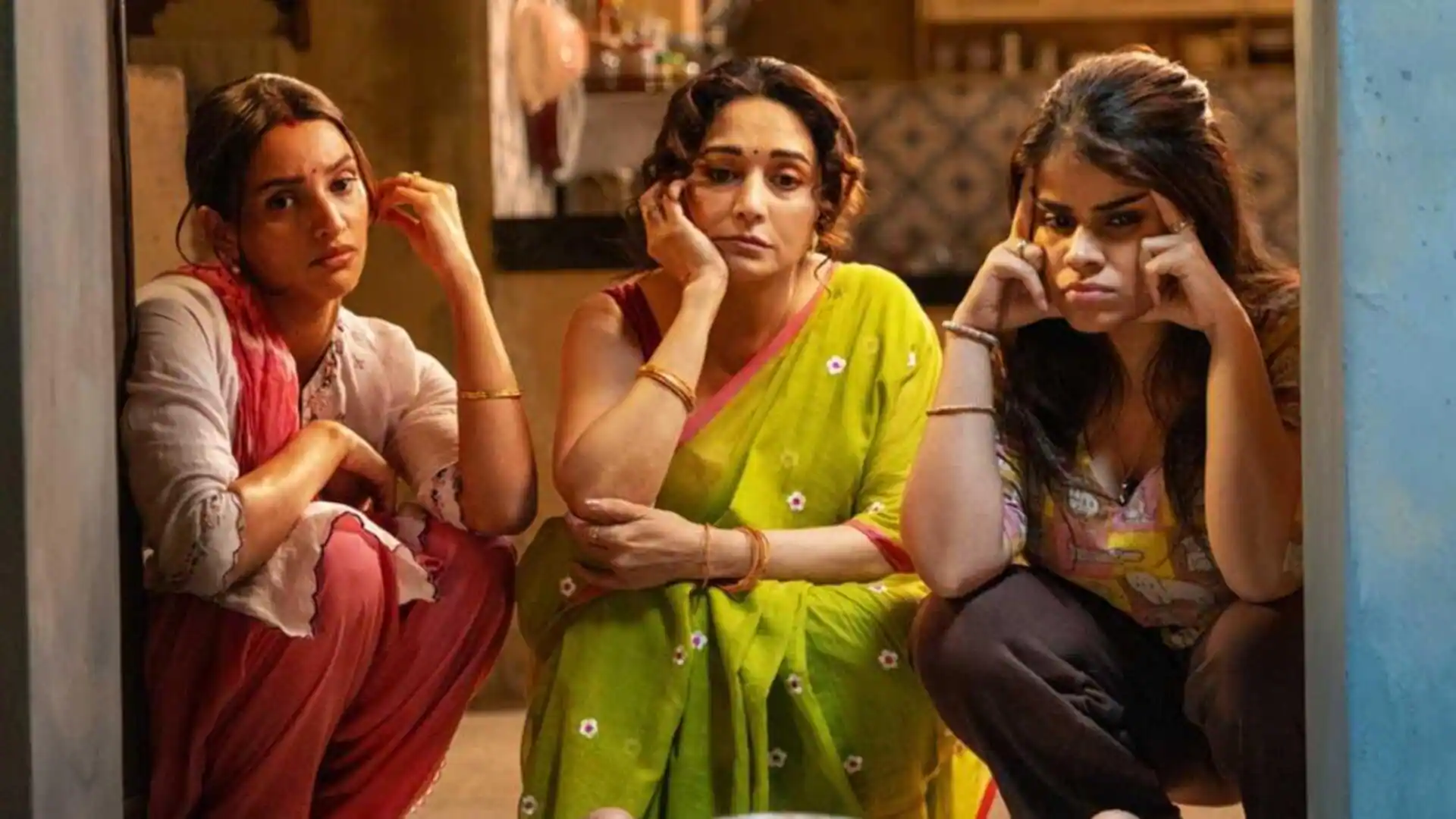
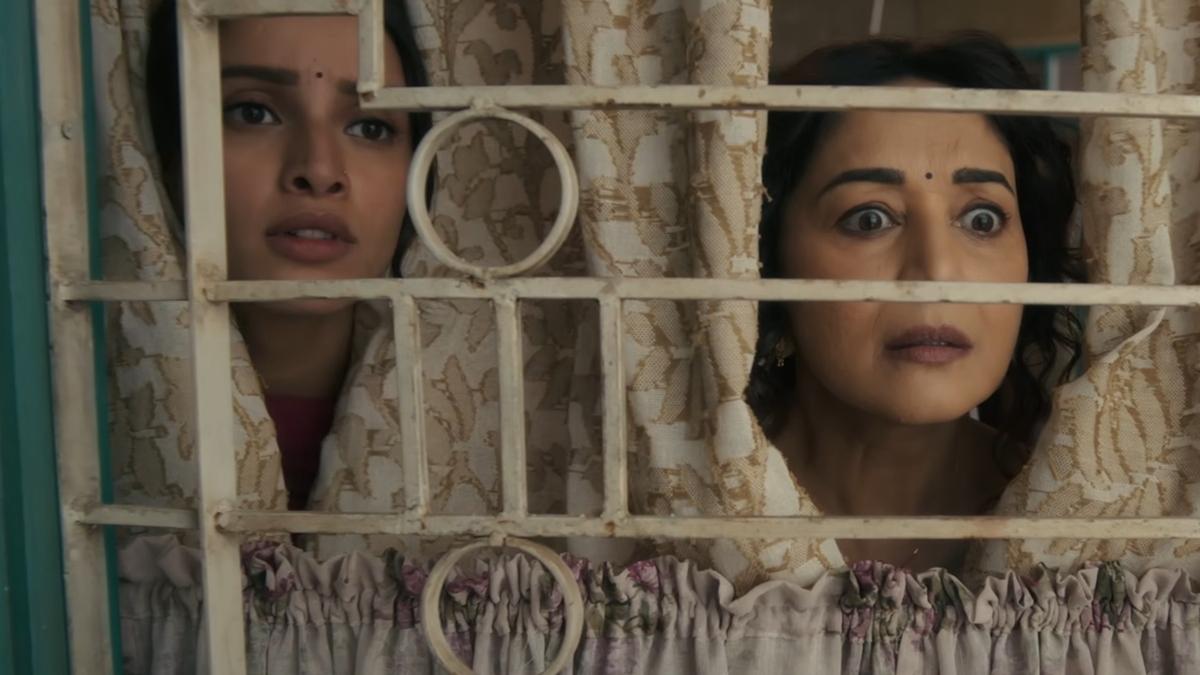
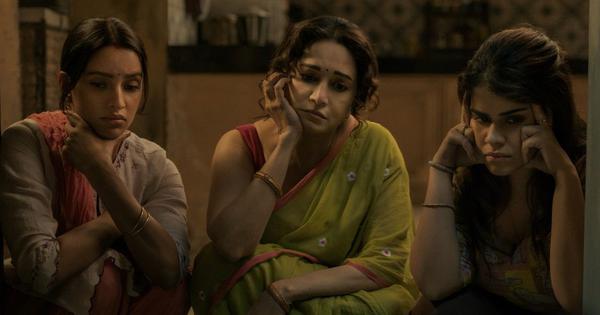
The moment she steps outside her house in Mathura’s Adarsh Colony (perfect name, though), the residents look at one exposed shoulder, and they waste no time in giving her character certificates. According to colony aunties and uncles in the film, the blouse doesn’t just reveal skin, it reveals Rekha’s character too. Even her own daughters, Jaya (Tripti Dimri) and Sushma (Dharna Durga), resent her for wearing it. The problem is not that the film depicts conservatism toward women. Indian society remains deeply invested in policing women’s bodies, particularly those of older women, whose desires, autonomy, and sexuality are often treated as inconveniences. The problem is that Maa Behen chooses an unconvincing symbol through which to stage this conflict.
The film wants us to believe that a sleeveless blouse attracts judgement in an urban neighbourhood today. Have we all time-travelled to the 1970s?I get that Triveni wanted to make a point about patriarchal scrutiny, but in choosing a symbol that no longer carries the social charge it once did, he weakens his own argument.In urban and semi-urban India, the sleeveless blouse has long been stripped of its transgressive power. It is perhaps the least controversial item in the average Indian wardrobe. Sleeveless blouses are everywhere. Your mother wears them. Your aunt wears them. The woman buying bhindi at the local market wears them.If Rekha had walked in wearing something like a strapless blouse, a plunging neckline, or a body-fitting dress that still triggers moral panic, I would have followed along with the film’s logic. But a sleeveless blouse? It makes the entire conflict feel manufactured.