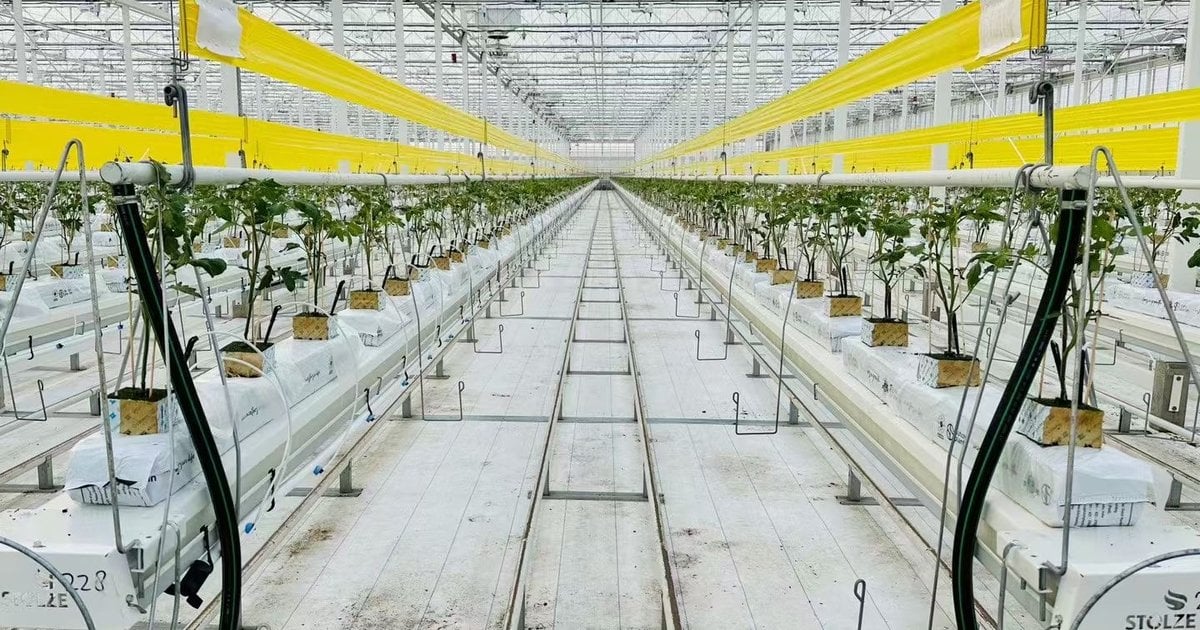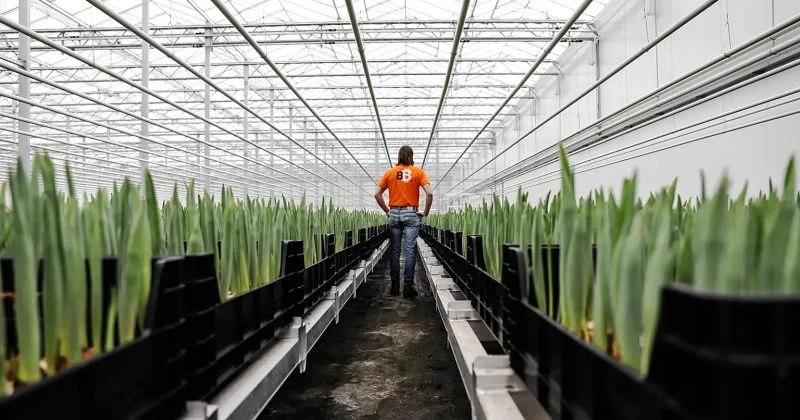
Somewhere on Madeira Island, about 400 meters above sea level, a couple named Fred and Daniela figured out how to make Bitcoin mining rigs do double duty. Their family-run organic farm now uses the waste heat generated by mining equipment to keep greenhouses warm enough for herbs, succulents, and endemic plant species to thrive.
How the setup actually works
Before the mining rigs arrived, Fred and Daniela relied on conventional electric heaters to maintain growing temperatures in their greenhouses. The monthly cost ran into hundreds of euros.
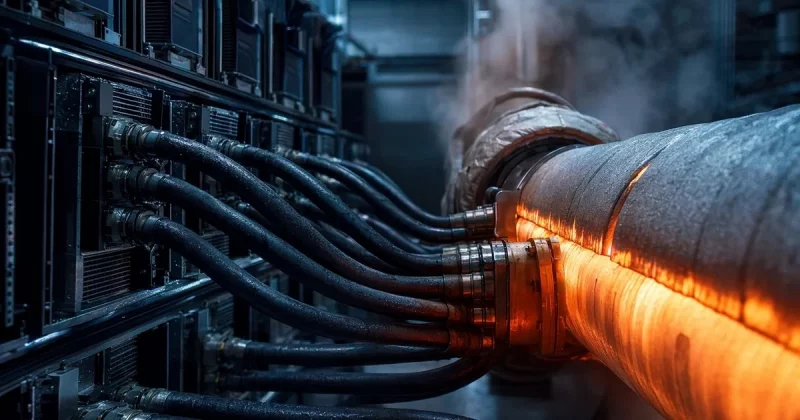
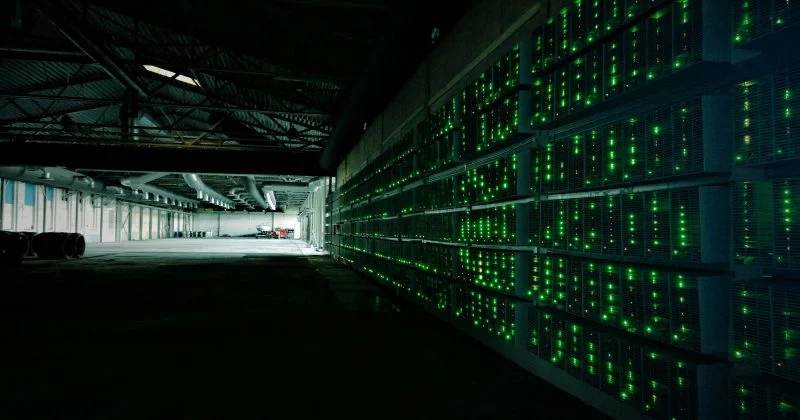
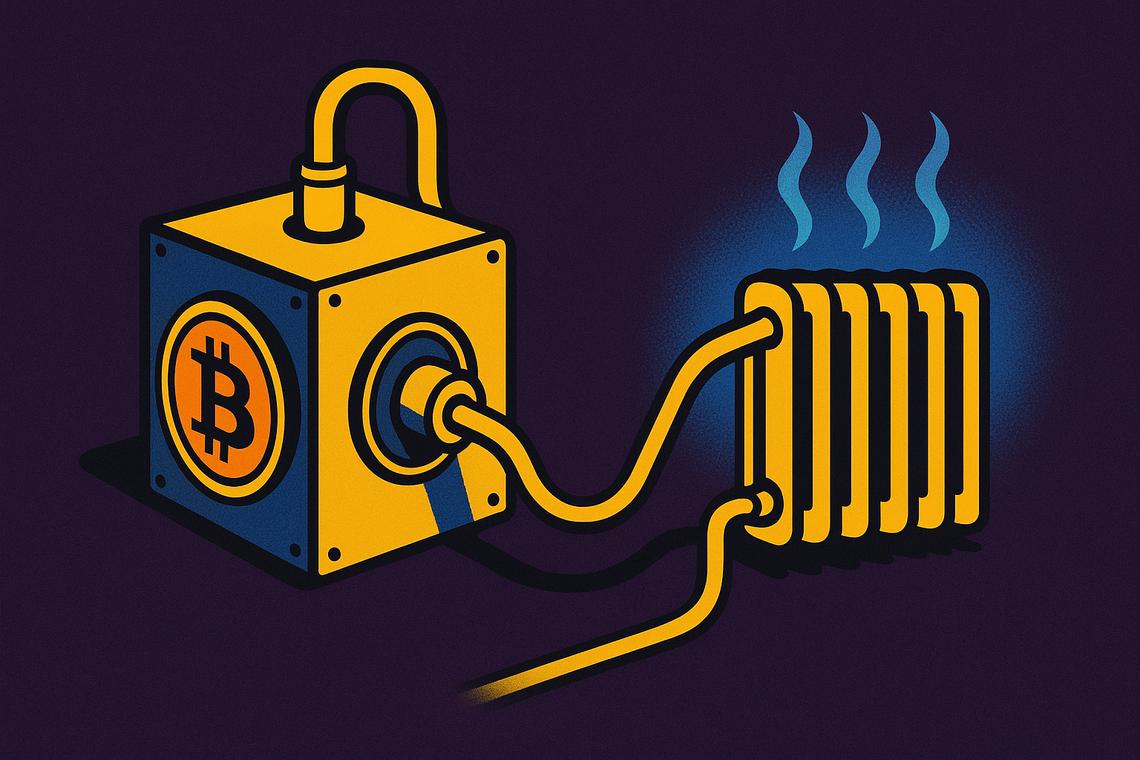
Now the Bitcoin miners serve as the heaters. The machines do what they’ve always done: solve computational puzzles to earn Bitcoin rewards. But instead of venting that thermal byproduct into the open air, the heat circulates through the growing spaces where the couple cultivates plants using permaculture techniques.
During daylight hours, solar panels generate free electricity that powers the mining rigs. At night, the operation pulls from the grid, but the Bitcoin earned during those hours largely offsets the electricity costs.