Read The Diplomat, Know The Asia-Pacific
The return of the Japan-South Korea naval search and rescues exercise after a nine-year hiatus reflects strategic convergence, but history still casts a long shadow.
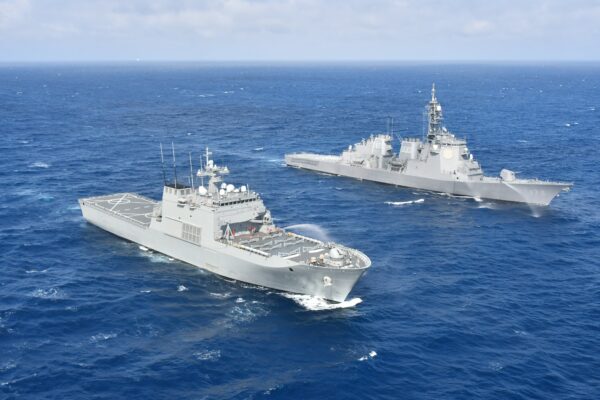
ROK Navy LST-II Cheon Wang Bong-class tank landing ship ROKS Cheon Ja Bong (LST-689) (left) sails alongside JMSDF Kongo-class Aegis destroyer JS Kongo (DDG-173) (right) during a bilateral Search and Rescue Exercise (SAREX) held west of Japan’s Goto Islands on June 7, 2026. The exercise marked the first Japan–South Korea SAREX in nine years.
On June 7, the Japan Maritime Self-Defense Force (JMSDF) and the Republic of Korea Navy (ROKN) conducted a search and rescue exercise (SAREX) west of Japan’s Goto Islands, marking the first such drill between the two navies after a nine-year hiatus.
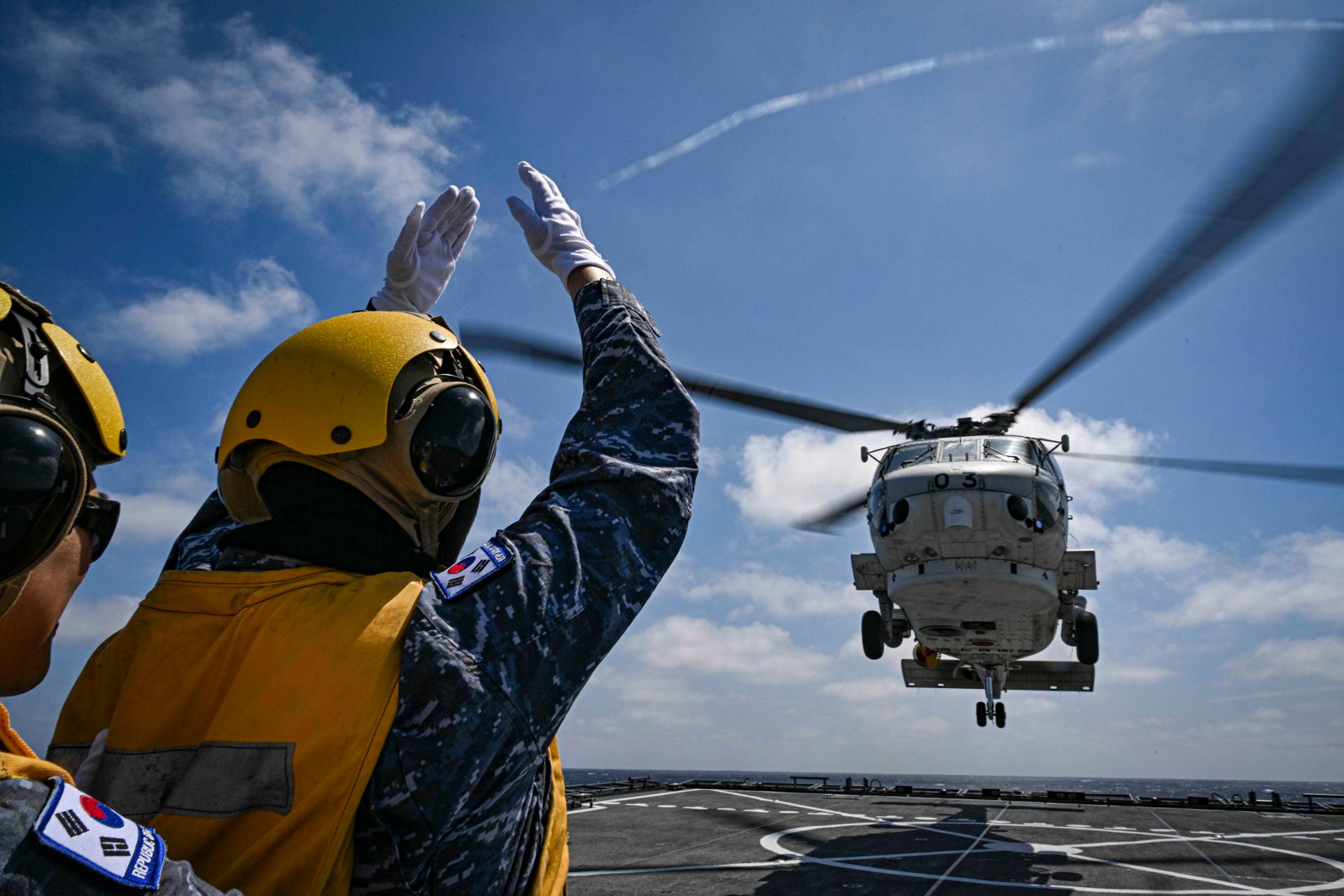
The exercise involved the Kongo-class Aegis destroyer JS Kongo (DDG-173) and an SH-60K helicopter on the Japanese side, while the ROK Navy deployed ROKS Cheon Ja Bong (LST-689), a Cheon Wang Bong-class tank landing ship. In addition to search and rescue operations, the drill included a link exercise (LINKEX) for tactical data sharing between ships and aircraft, cross-deck helicopter operations, and a photo exercise (PHOTOEX) — elements that build the kind of interoperability applicable well beyond humanitarian missions.