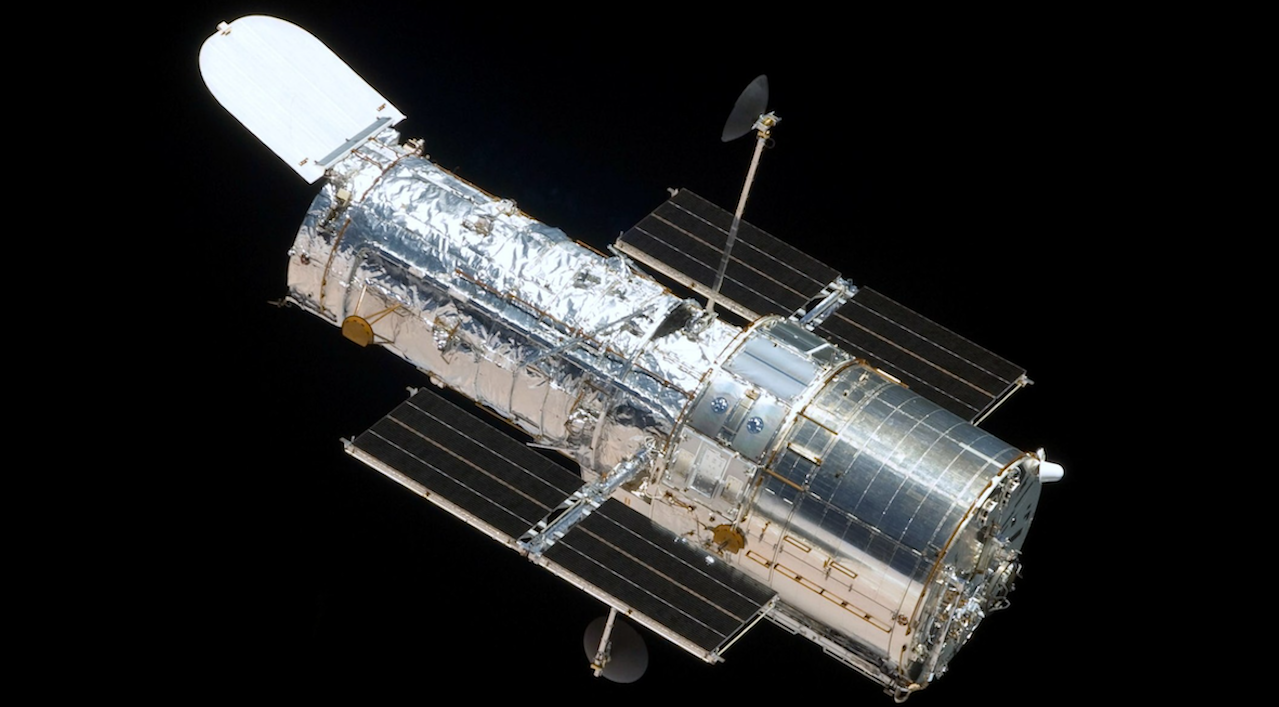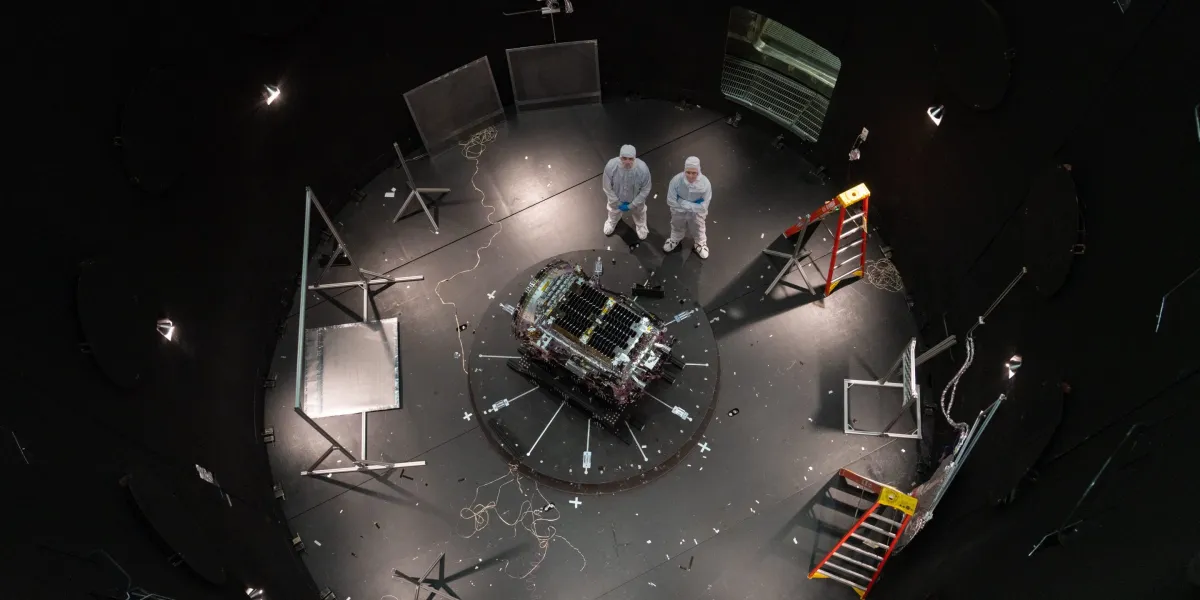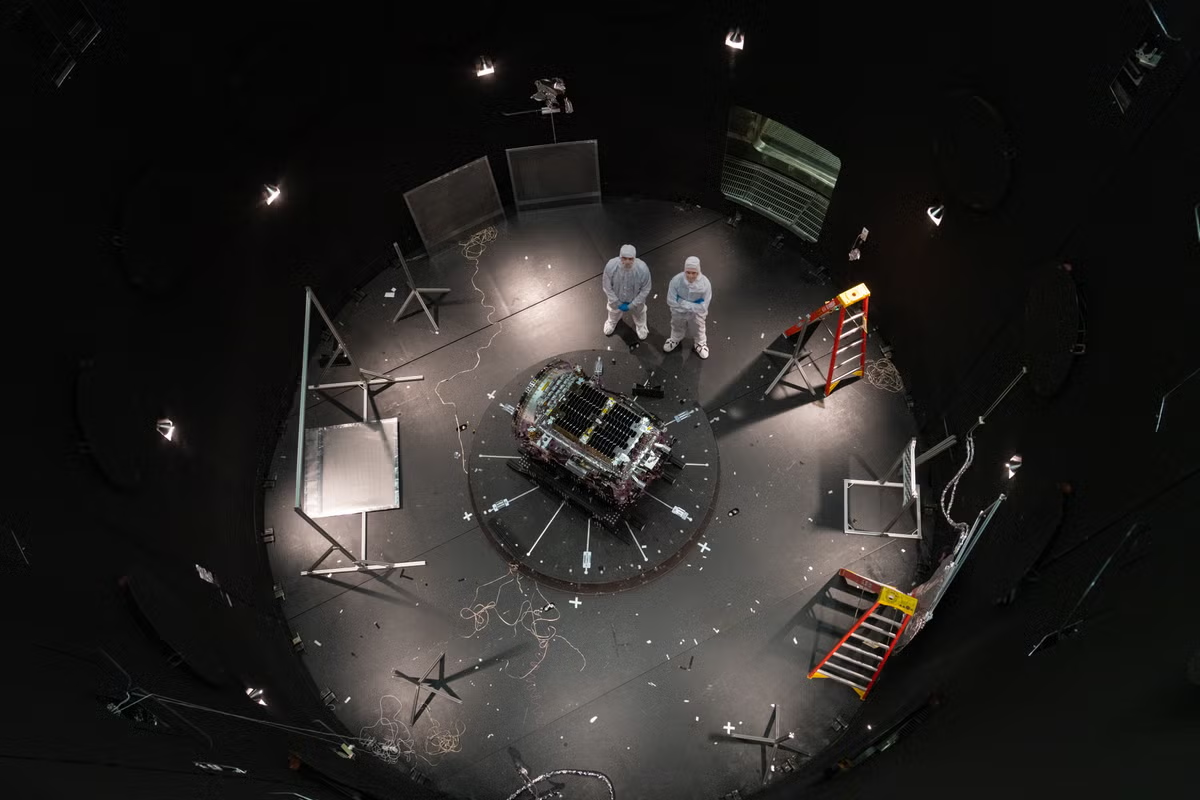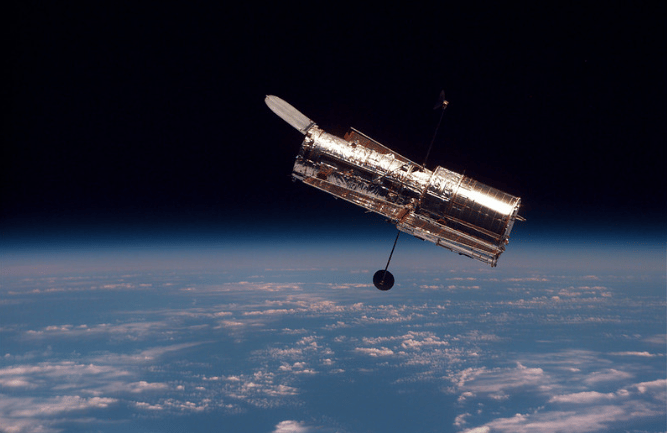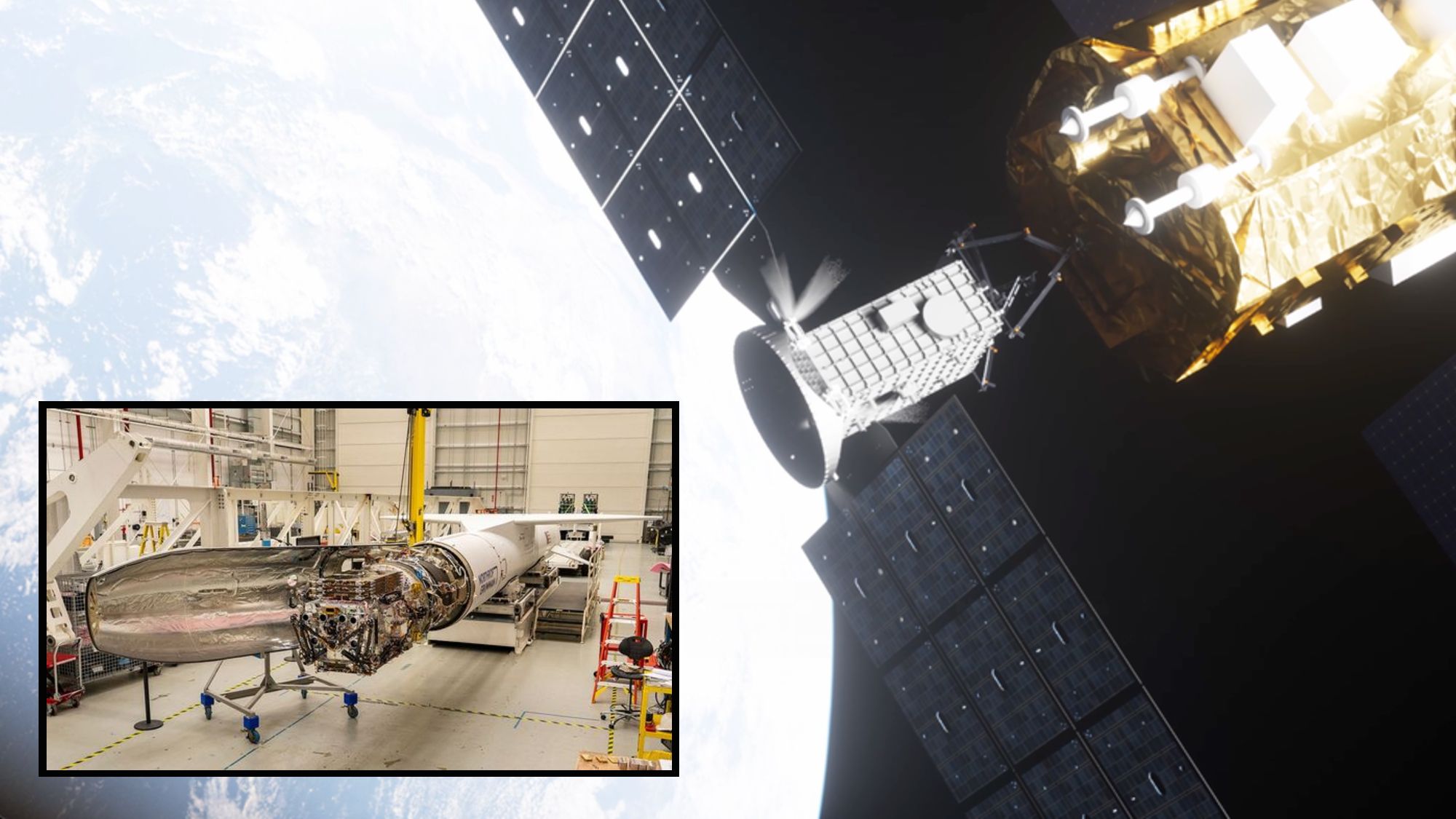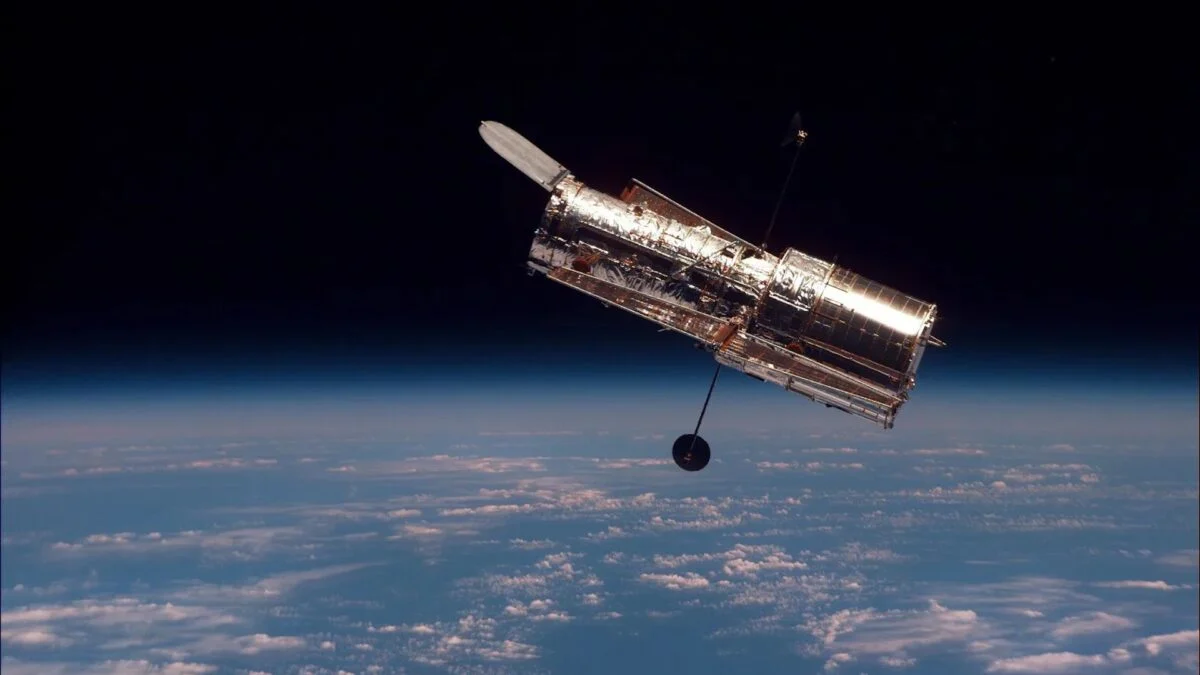
NASA’s Hubble space telescope is running out of time. The aging observatory is slowly being dragged down toward Earth and is estimated to reenter through the atmosphere by 2033. NASA could save it, but only if Hubble becomes more affordable. NASA is currently preparing to extend the lifespan of another Earth-orbiting telescope—the Neil Gehrels Swift Observatory. The agency is launching a rescue mission later this month, aiming to raise Swift’s altitude and shift it into a more stable orbit. The space agency has been considering a similar reboost mission for the Hubble telescope if it can find a way to lower its operating costs. “It was built in a different era, and it’s more costly to maintain and to get the best science out of it,” Shawn Domagal-Goldman, director of NASA’s astrophysics division, said during a recent meeting of the Astronomy and Astrophysics Advisory Committee, SpaceNews reported.
Bigger risk, higher rewards Swift launched toward low-Earth orbit on November 20, 2004, to study the most powerful explosions in the cosmos: gamma-ray bursts. In the two decades since it launched, Swift gradually lost altitude due to atmospheric drag and has a 50% chance of an uncontrolled reentry by mid-2026.