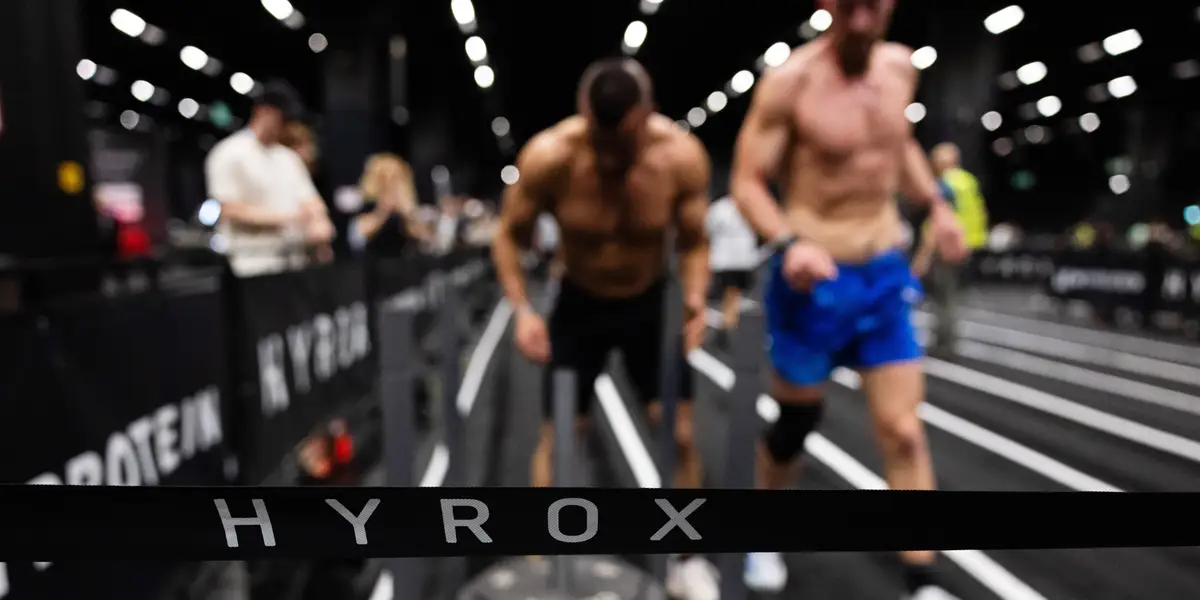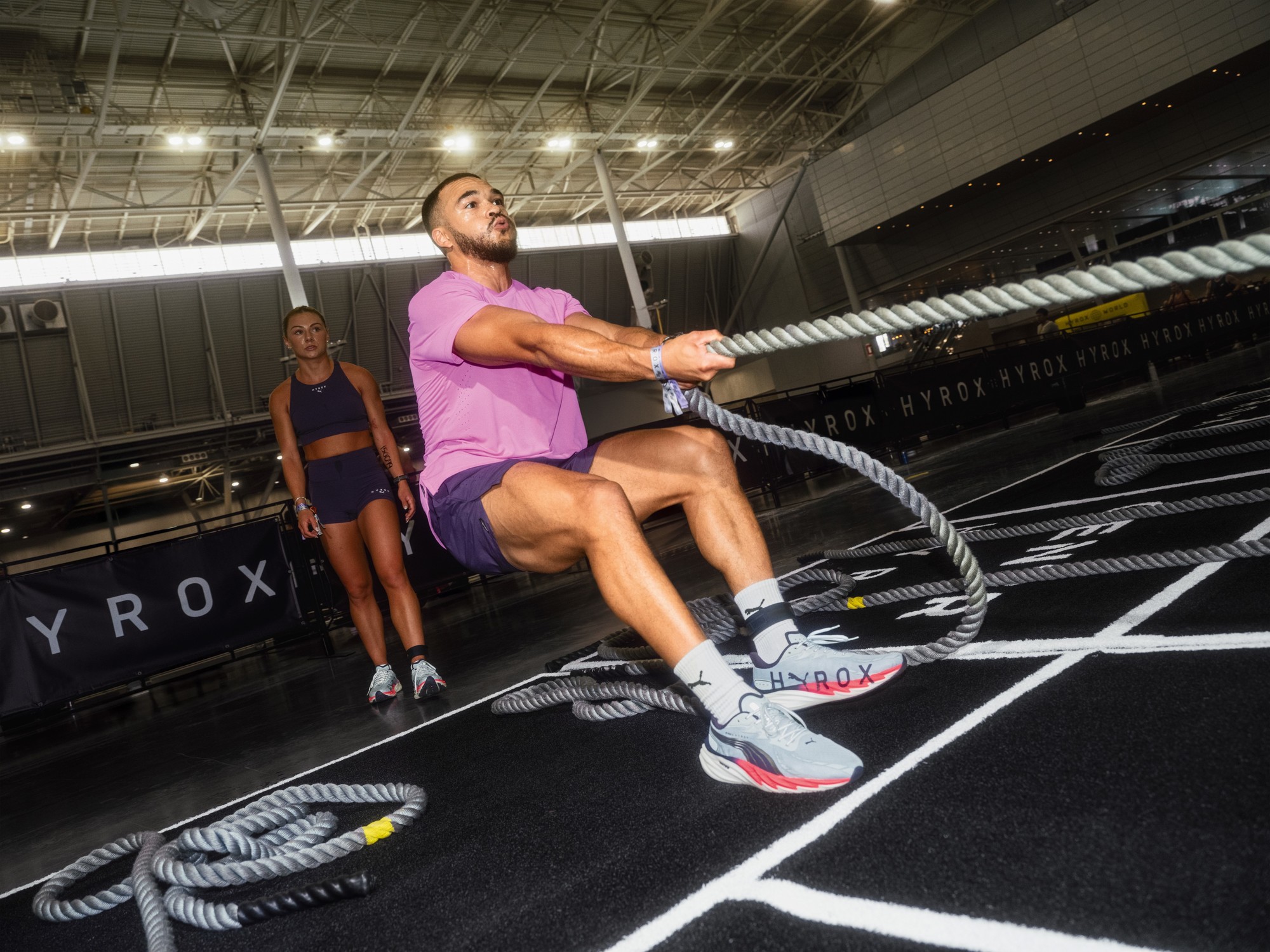
Hyrox is the new Crossfit—but what exactly is it, why do people like it, and what can you expect if you decide to try it?
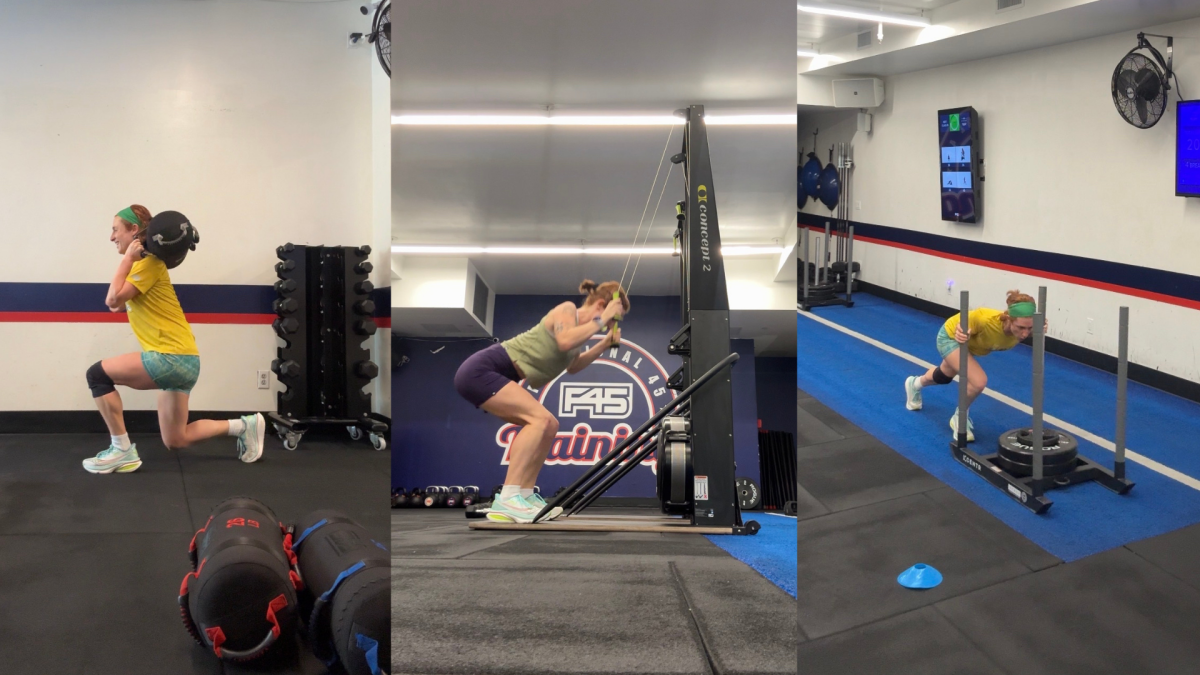
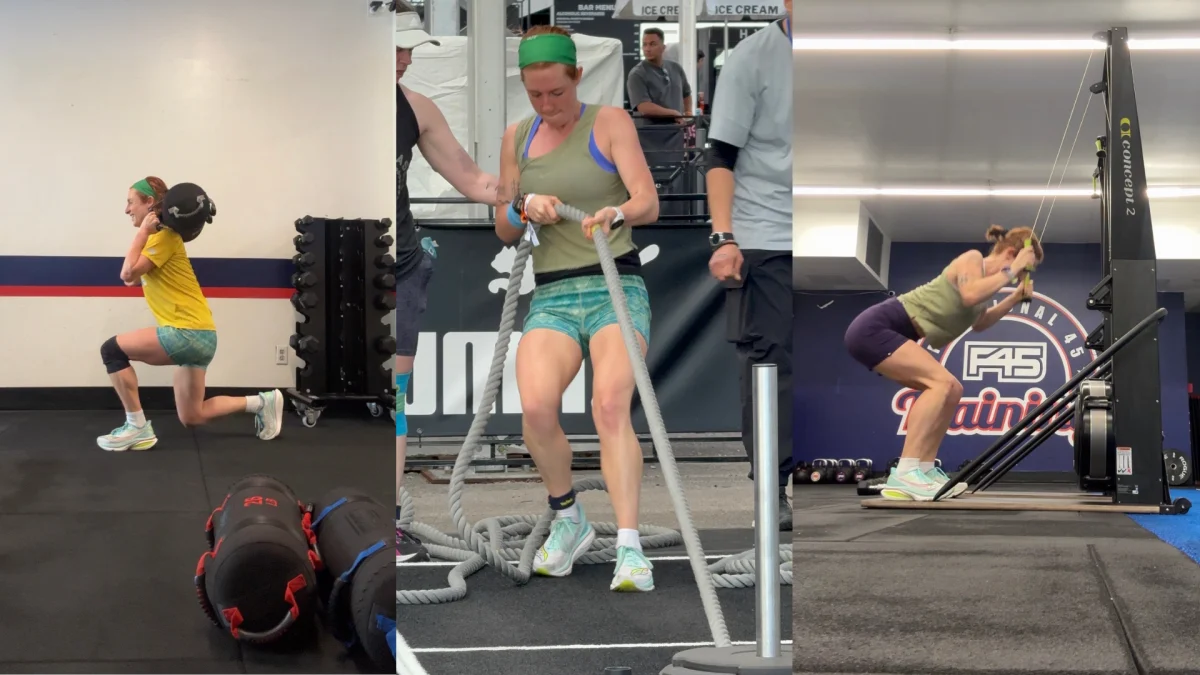
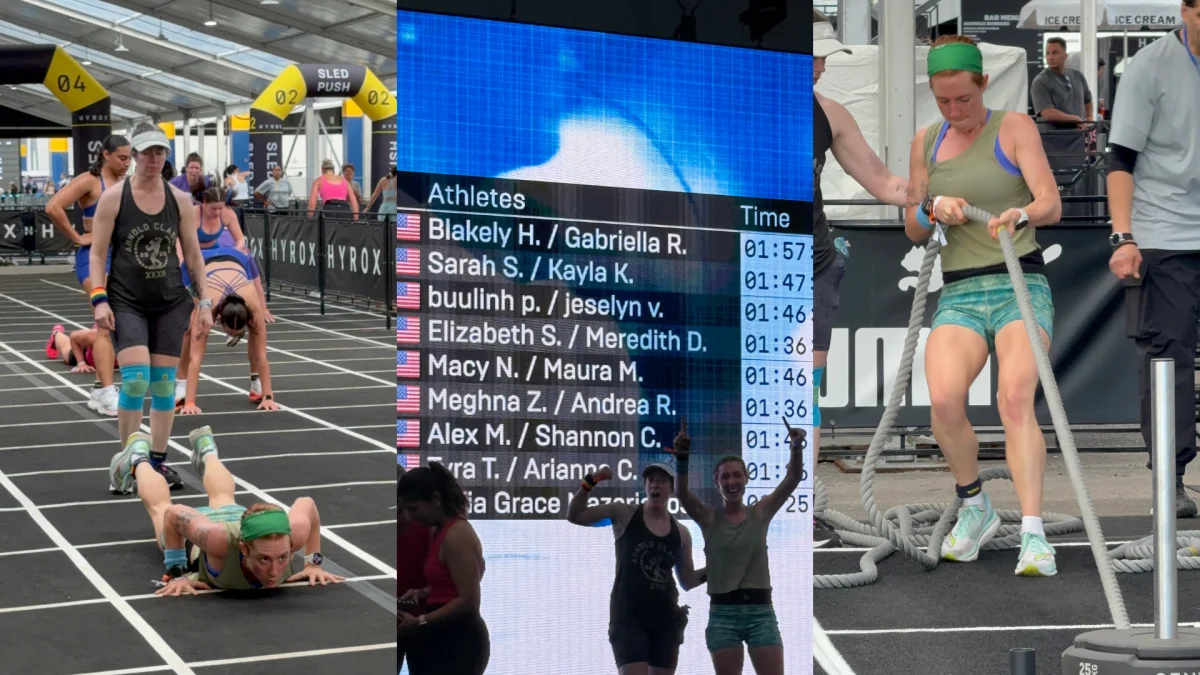
A little over a week ago, my fellow Lifehacker writer Beth Skwarecki and I competed in the women’s doubles at Hyrox New York. Our final time was 01:36:48—not too shabby, considering the average time is 1:24:20 for women’s doubles, and we had pretty minimal training. Still, upon seeing videos of myself at this race, I looked less like a sleek athlete (what I pictured in my head) and a little bit more like a floppy balloon man trying to wave you into a car dealership. Now that we’ve had some time to reflect on our experiences, here's what I wish I had known about Hyrox races going in.Focus on proper form, not just overall fitnessGoing into this, I was most scared of the feats of strength and coordination, while Beth was most afraid of the running. In the five weeks we had to train, I focused mostly on getting my strength up. What I wish I had understood better? This isn't CrossFit! In other words, you don't need to be professionally strong to finish.
By race day, the weight standards weren't as devastating as I feared. For women's doubles in the open division, the sled push comes in at 102 kg (around 225 lbs) including the sled. The sled pull is 78 kg (around 172 lbs) including the sled. Farmers carry uses 2 × 16 kg (around 35.2 lbs) kettlebells for 200 meters. The sandbag lunges are done with a 10 kg (22 lbs) bag for 100 meters. And wall balls use a 4 kg (8.8 lbs) ball thrown to a 2.70 m target for 100 reps.What caught me off guard instead was form and coordination. Some of these were still unfamiliar movement patterns for me, and doing them on fatigued legs made everything feel more awkward. I wish I had focused more on specific movement patterns during my training, so that I didn’t waste so much time navigating basic mechanics mid-race.