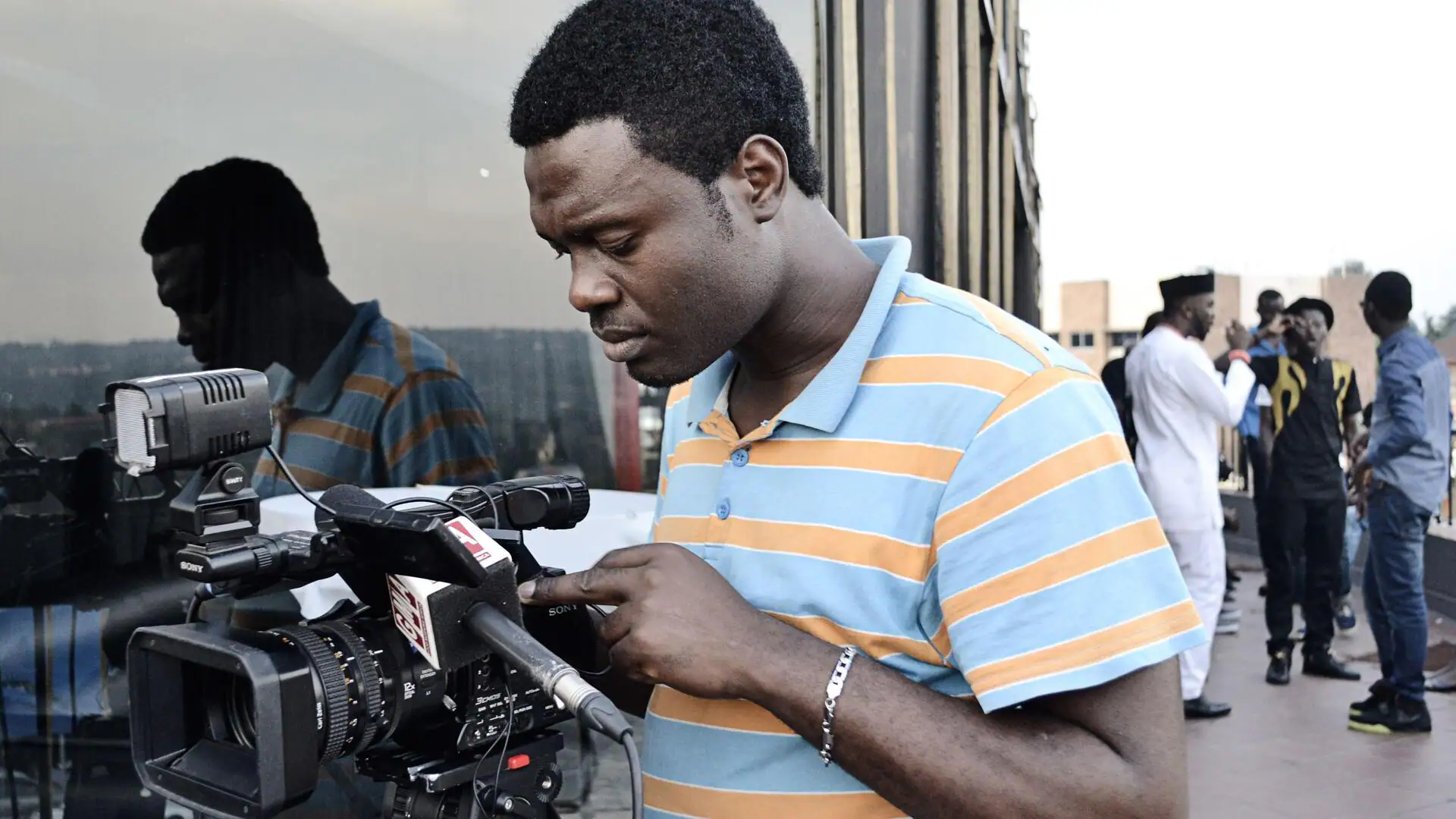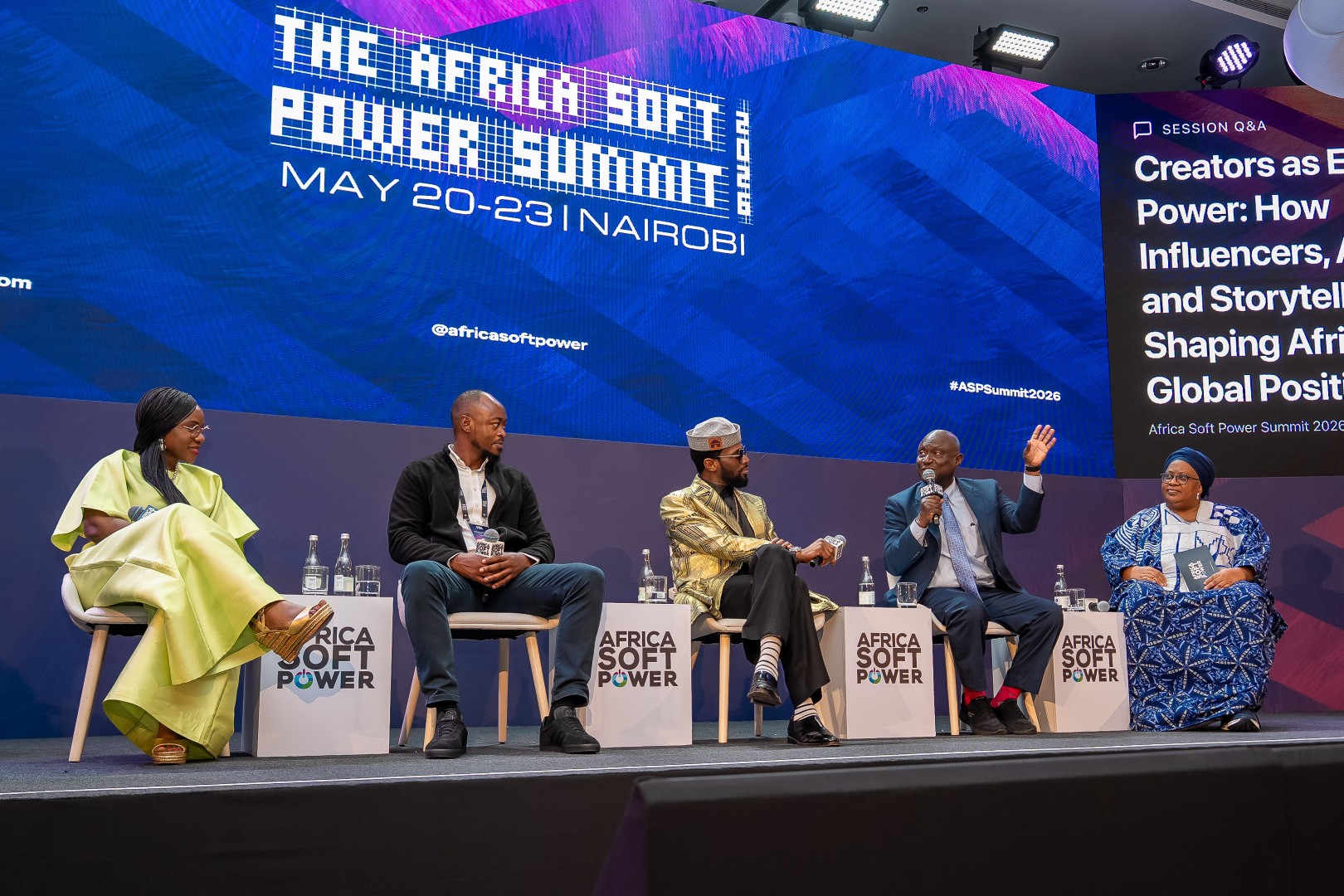
Africa has stories powerful enough to move the world, yet very few African media brands have managed to establish true global influence. This raises an important question for the future of the continent’s media industry: can African media build global brands, or will it remain largely dependent on international platforms to tell its stories?
For decades, global media narratives about Africa have been shaped primarily by international organisations. When major global events occur on the continent, audiences often turn first to international broadcasters for coverage and interpretation. This is not necessarily because African media lacks talent or stories. In many cases, it reflects deeper structural challenges involving investment, scale, technology, and strategy.
Yet the media landscape is changing rapidly, and for the first time in history, African media has an opportunity to compete globally without relying entirely on traditional systems of distribution.
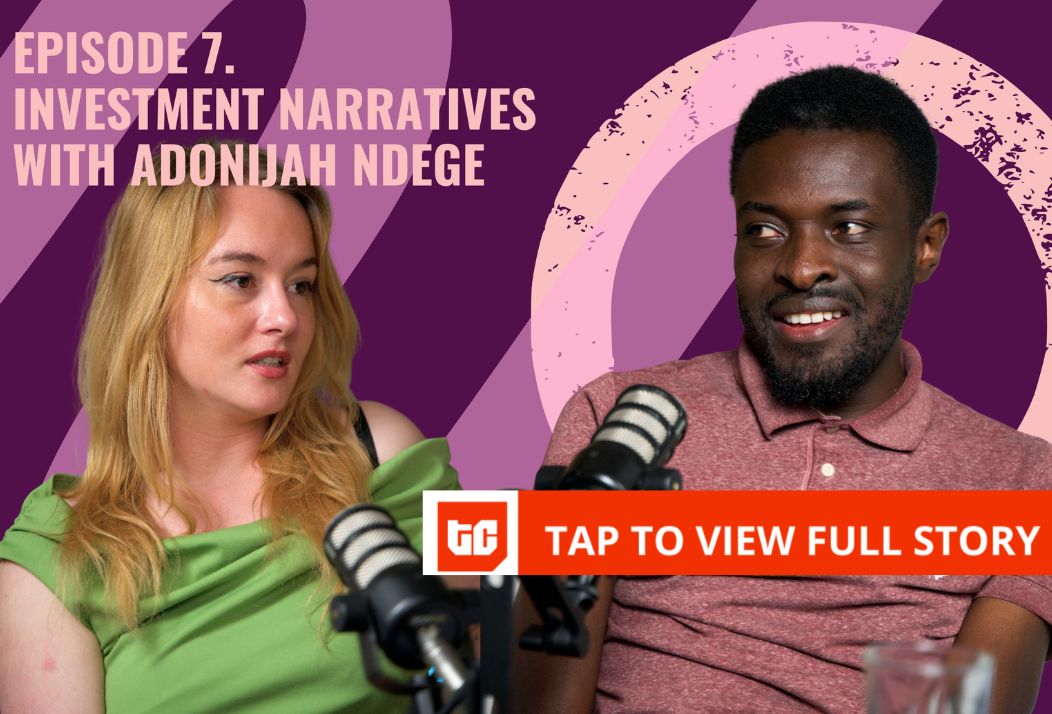
The rise of digital platforms has removed many of the barriers that once limited African content. Today, a podcast recorded in Nairobi, a documentary produced in Lagos, or a Swahili commentary show from Dar es Salaam can reach audiences across continents instantly. Distribution is no longer controlled exclusively by satellite networks and international broadcasters. Smartphones, streaming platforms, YouTube, TikTok, and social media have created a more open playing field.