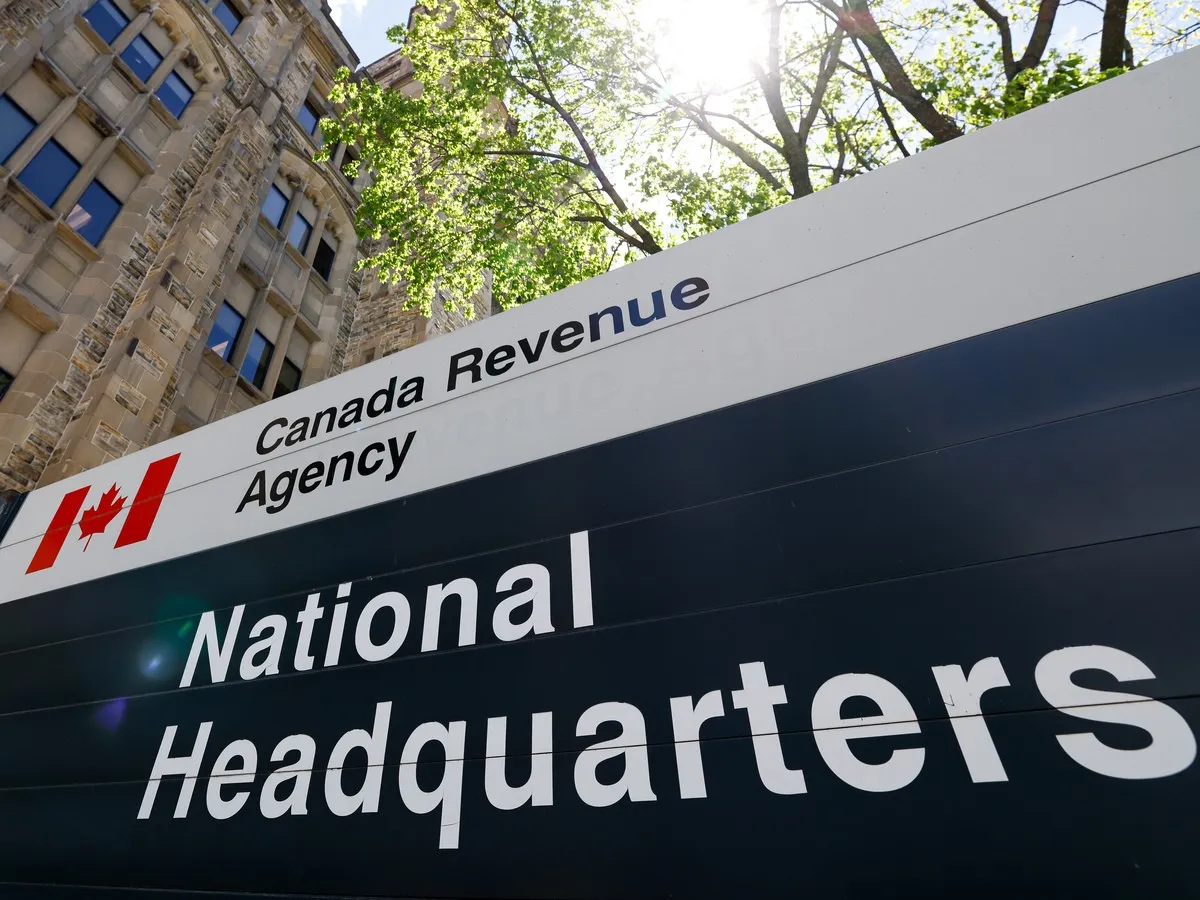
Skip to Content Subscribe Our Offers My Account Manage My Subscriptions FAQ Newsletters Canada Canadian True Crime Canadian Politics Health World Israel & Middle East Financial Post NP Comment Longreads Puzzmo Diversions Comics NP News Quiz New York Times Crossword Horoscopes Life Eating & Drinking Style Sponsored Play for Ontario Travel Travel Canada Travel USA Travel International Cruises Travel Essentials Culture Books Celebrity Movies Music Theatre Television Business Essentials Advice Lives Told Tails Told Shopping Buy Canadian Home Living Outdoor Living Tech Style & Beauty Kitchen & Dining Personal Care Entertainment & Hobbies Gift Guide Travel Guide Deals Savings National Post Store More Sports Hockey Baseball Basketball Football Soccer Golf Tennis Driving Vehicle Research Reviews News Gear Guide Obituaries Place an Obituary Place an In Memoriam Classifieds Place an Ad Celebrations Working Business Ads Archives Healthing Epaper Manage Print Subscription Profile Settings My Subscriptions Saved Articles My Offers Newsletters Customer Service FAQ Newsletters Canada World Financial Post NP Comment Longreads Puzzmo Diversions Life Shopping Epaper Manage Print Subscription HomeNewsCanadaCanadians in all but two provinces have earned enough this year to cover their taxes: studyThe Fraser Institute estimates that the average Canadian family will work 158 days this year before earning enough to cover their tax burden You can save this article by registering for free here. Or sign-in if you have an account.Canada Revenue Agency (CRA) headquarters photographed in Ottawa on Wednesday, May 20, 2026. Photo by HYUNGCHEOL PARK /PostmediaTomorrow, June 9, the average Canadian family will have earned enough in 2026 to cover the taxes imposed on it by the three levels of government, according to a new study by the Fraser Institute.Enjoy the latest local, national and international news.Exclusive articles by Conrad Black, Barbara Kay and others. Plus, special edition NP Platformed and First Reading newsletters and virtual events.Unlimited online access to National Post.National Post ePaper, an electronic replica of the print edition to view on any device, share and comment on.Daily puzzles including the New York Times Crossword.Support local journalism.Enjoy the latest local, national and international news.Exclusive articles by Conrad Black, Barbara Kay and others. Plus, special edition NP Platformed and First Reading newsletters and virtual events.Unlimited online access to National Post.National Post ePaper, an electronic replica of the print edition to view on any device, share and comment on.Daily puzzles including the New York Times Crossword.Support local journalism.Create an account or sign in to continue with your reading experience.Access articles from across Canada with one account.Share your thoughts and join the conversation in the comments.Enjoy additional articles per month.Get email updates from your favourite authors.Create an account or sign in to continue with your reading experience.Access articles from across Canada with one accountShare your thoughts and join the conversation in the commentsEnjoy additional articles per monthGet email updates from your favourite authorsSign In or Create an AccountorThe think tank estimates that the average family will earn $166,790 in 2026 and pay an estimated $72,539 in total taxes, representing 43.5 per cent of their annual income.This means that, if Canadian families had to pay their tax bills upfront, they would need to work for more than five months, or 158 days, before they had earned enough to pay off all the taxes imposed by federal, provincial, and local governments.Get a dash of perspective along with the trending news of the day in a very readable format.By signing up you consent to receive the above newsletter from Postmedia Network Inc.A welcome email is on its way. If you don't see it, please check your junk folder.The next issue of NP Posted will soon be in your inbox.We encountered an issue signing you up. Please try againIn other words, June 9 — which the Fraser Institute has dubbed “Tax Freedom Day” — is when Canadians finally start working for themselves, and not government.Taxes used to compute Tax Freedom Day include income taxes, payroll taxes, health taxes, sales taxes, property taxes, profit taxes, taxes on the consumption of alcohol and tobacco, fuel taxes, motor vehicle license fees, carbon taxes, import duties, natural resource fees, and a host of other levies.This year, Tax Freedom Day arrives one day later than in 2025, when it fell on June 8.According to the Fraser Institute, the later date is because forecasts for personal income are slower than forecasts for growth in income taxes, property taxes and sales taxes, resulting in a higher estimated tax burden than last year.The study estimates that the average Canadian family’s total tax bill increased by $2,098, or three per cent, between 2025 and 2026.However, some areas of the country will have to wait a bit longer before they reach the earnings threshold this year.The Fraser Institute also examined the total annual tax burden at the provincial level and found that Tax Freedom Day varies depending on the extent of taxes levied by provincial and local governments.This is why average Canadian families in Newfoundland and Labrador won’t reach Tax Freedom Day until June 19, while the date falls even later, on June 27, for Quebecers.Meanwhile, Saskatchewan’s Tax Freedom Day was the earliest in the country, on May 20, followed by Alberta (May 25) and Manitoba (May 28).Four more provinces have also already reached Tax Freedom Day this year: British Columbia (June 4), Prince Edward Island (June 5), New Brunswick (June 6) and Ontario (June 8).Nova Scotia’s Tax Freedom Day falls on June 9, matching the national average.“Tax Freedom Day helps put the total tax burden in perspective, and helps Canadians understand just how much of their money they pay in taxes every year,” Jake Fuss, director of fiscal studies at the Fraser Institute, said in a news release on Monday.“Canadians need to decide for themselves whether they are getting their money’s worth when it comes to how governments are spending their tax dollars.”Meanwhile, the Fraser Institute also calculated a “Balanced Budget Tax Freedom Day,” the day on which average Canadians would start working for themselves if governments were obliged to cover current expenditures with current taxation.In 2026, the Balanced Budget Tax Freedom Day falls on June 25.Our website is the place for the latest breaking news, exclusive scoops, longreads and provocative commentary. Please bookmark nationalpost.com and sign up for our daily newsletter, Posted, here. Join the Conversation This website uses cookies to personalize your content (including ads), and allows us to analyze our traffic. Read more about cookies here. By continuing to use our site, you agree to our Terms of Use and Privacy Policy.
Canadians in all but two provinces have earned enough this year to cover their taxes: study
The Fraser Institute estimates the average Canadian family will work 158 days this year before earning enough to cover their tax burden.
1,075 words~5 min read