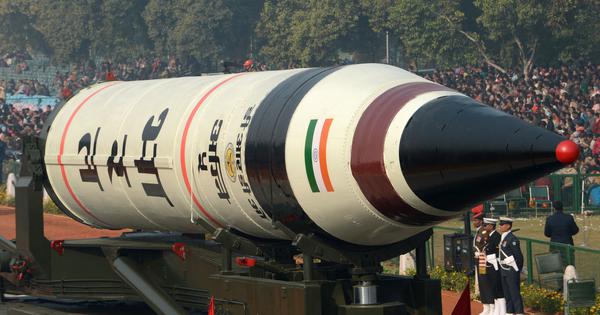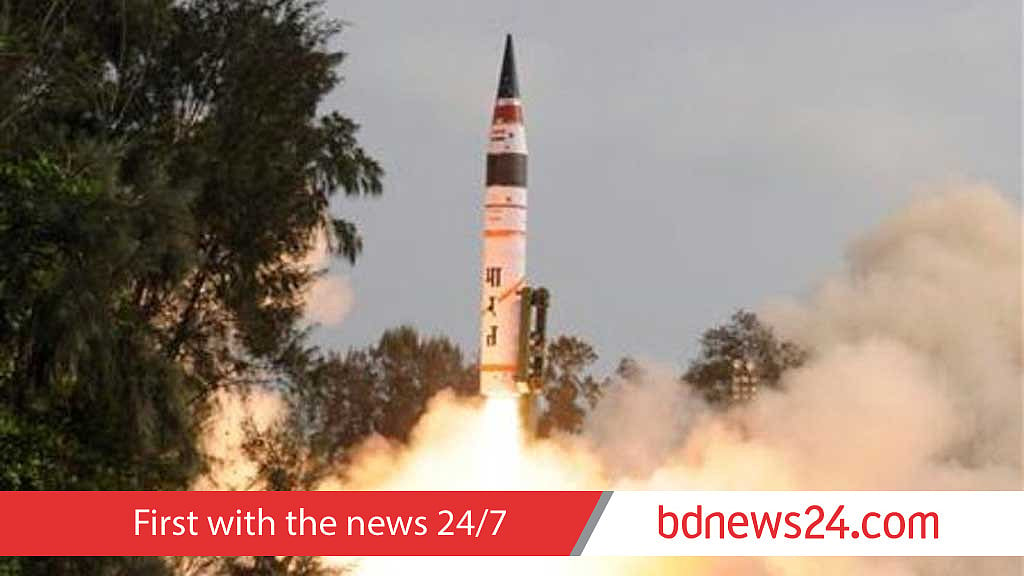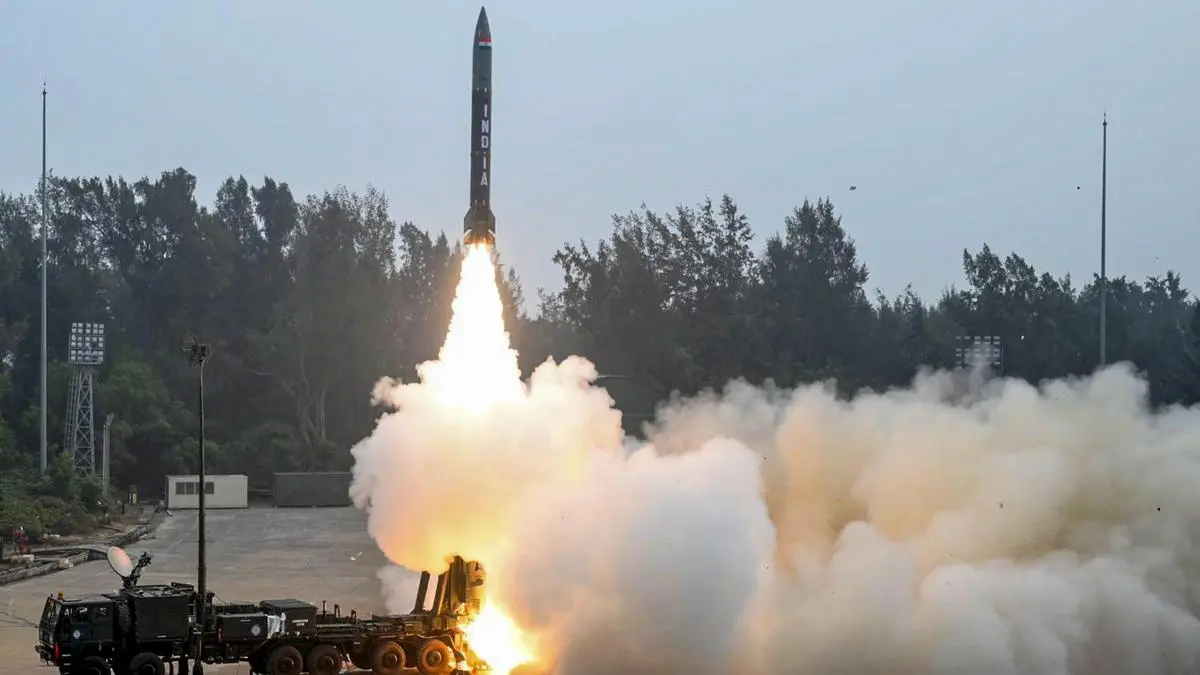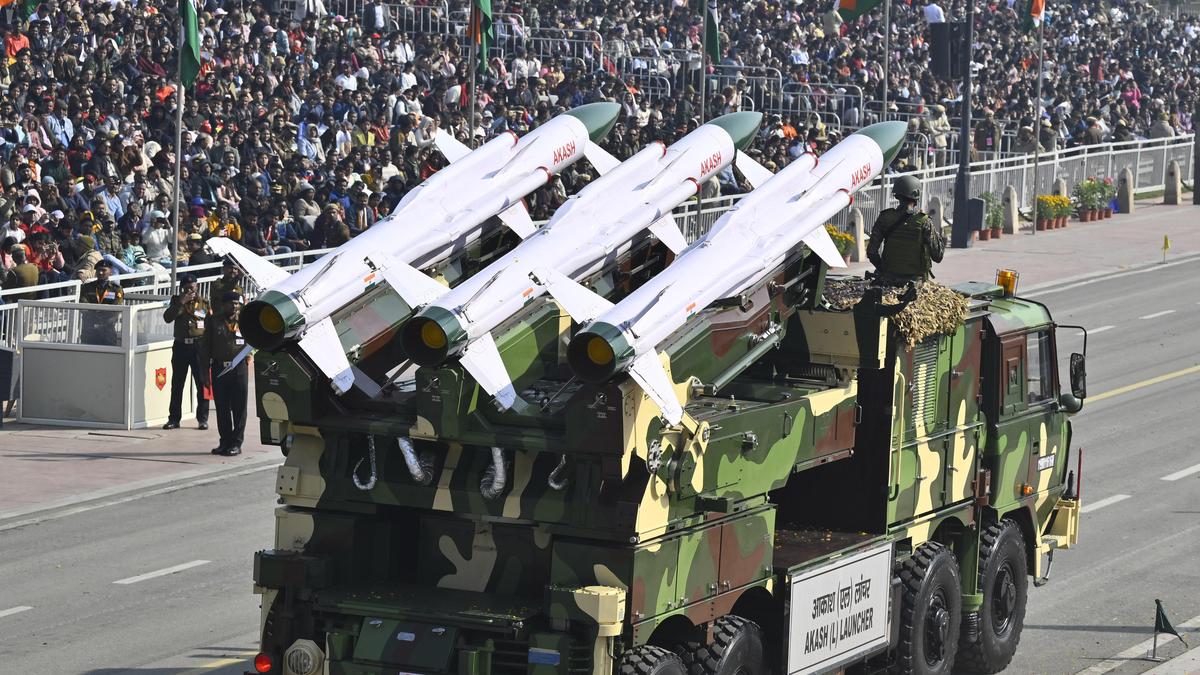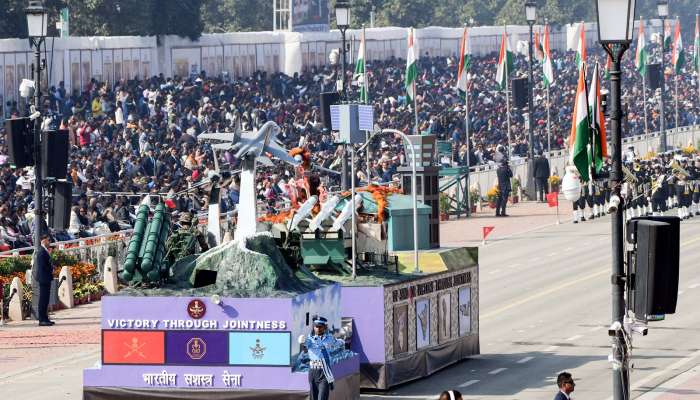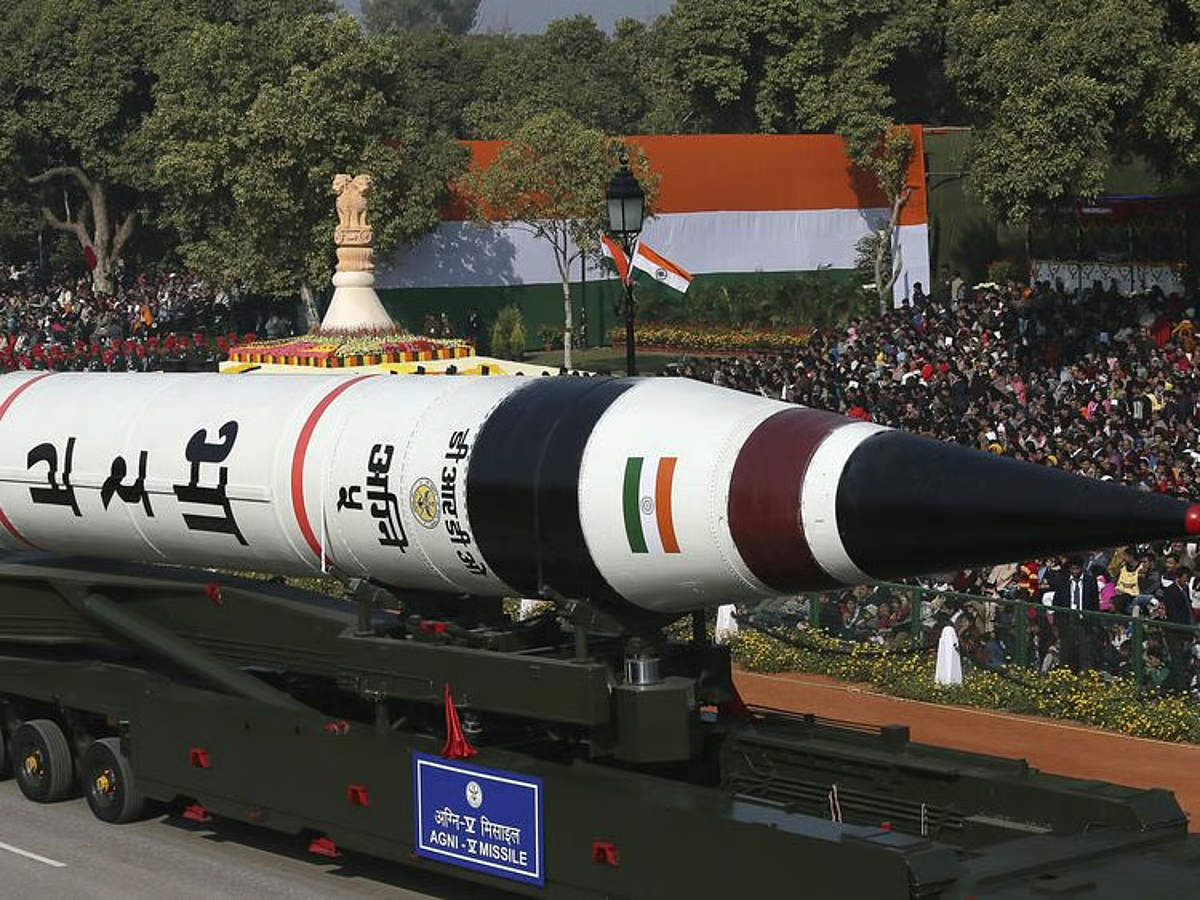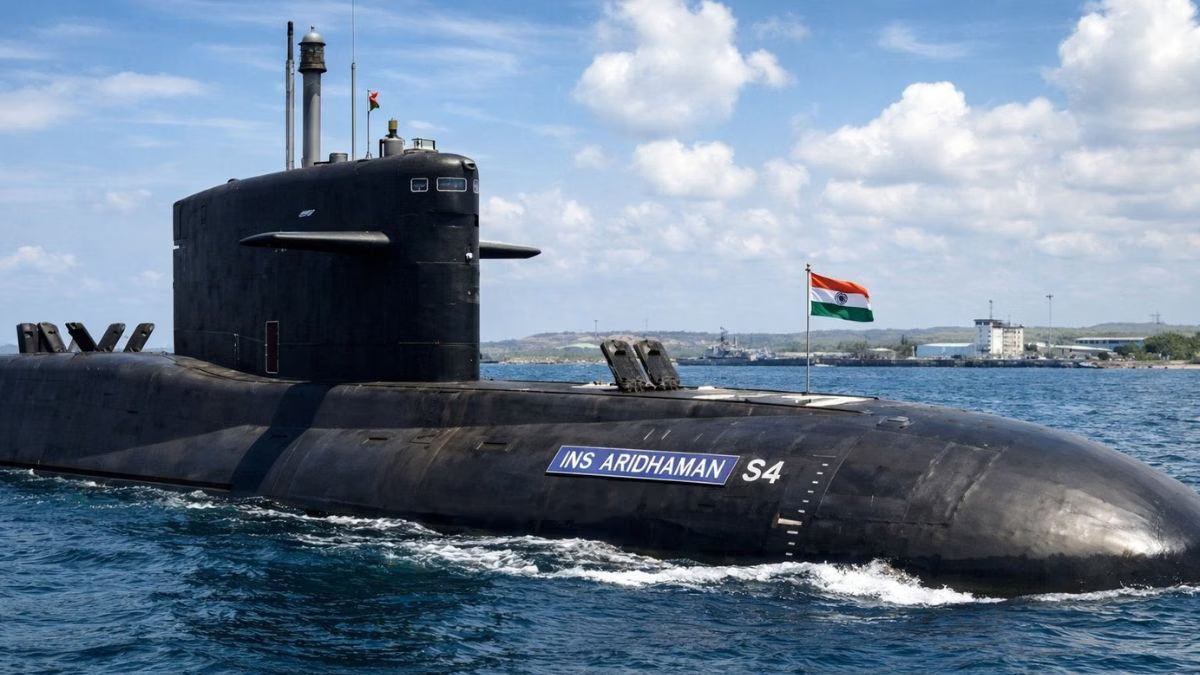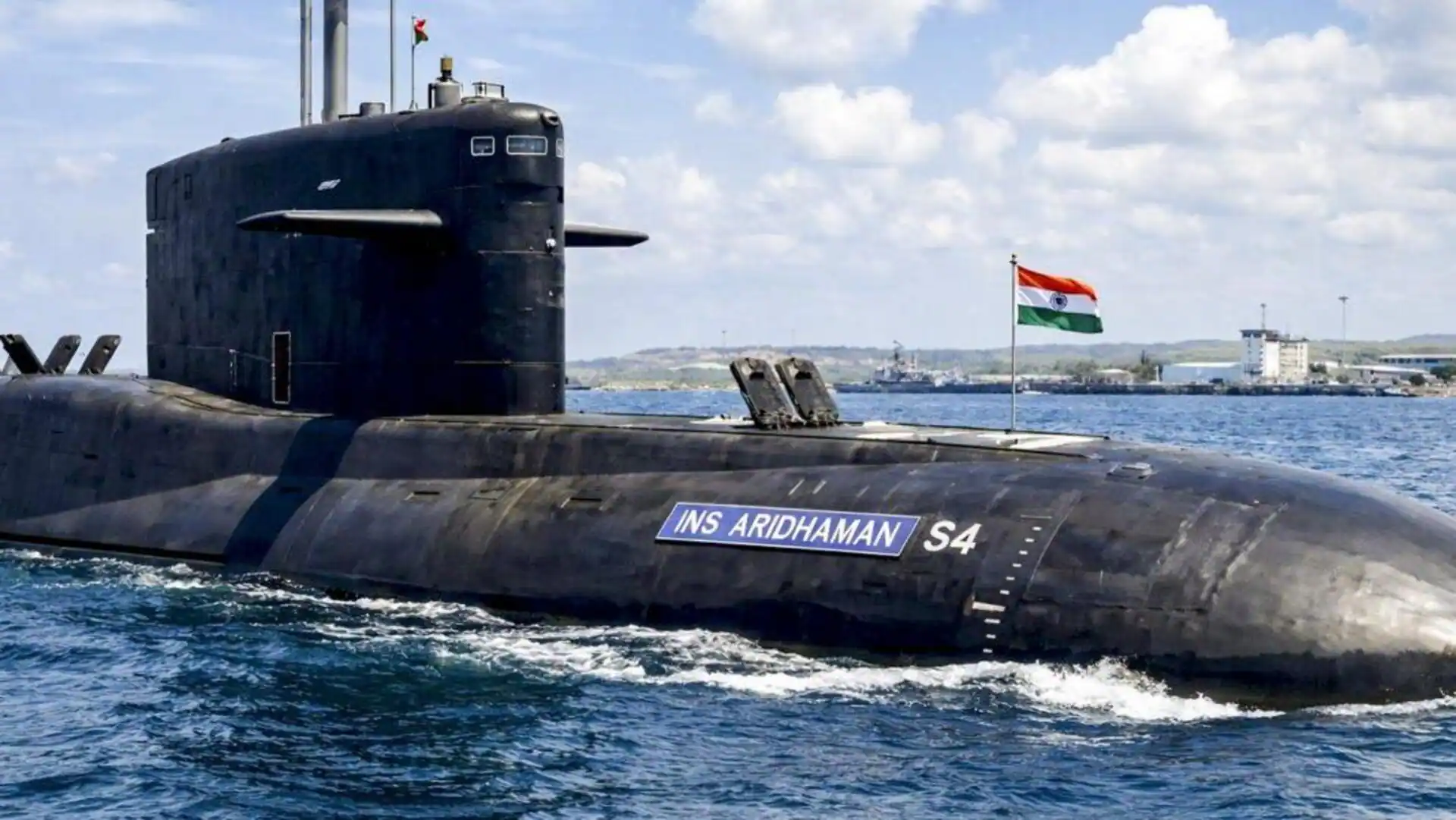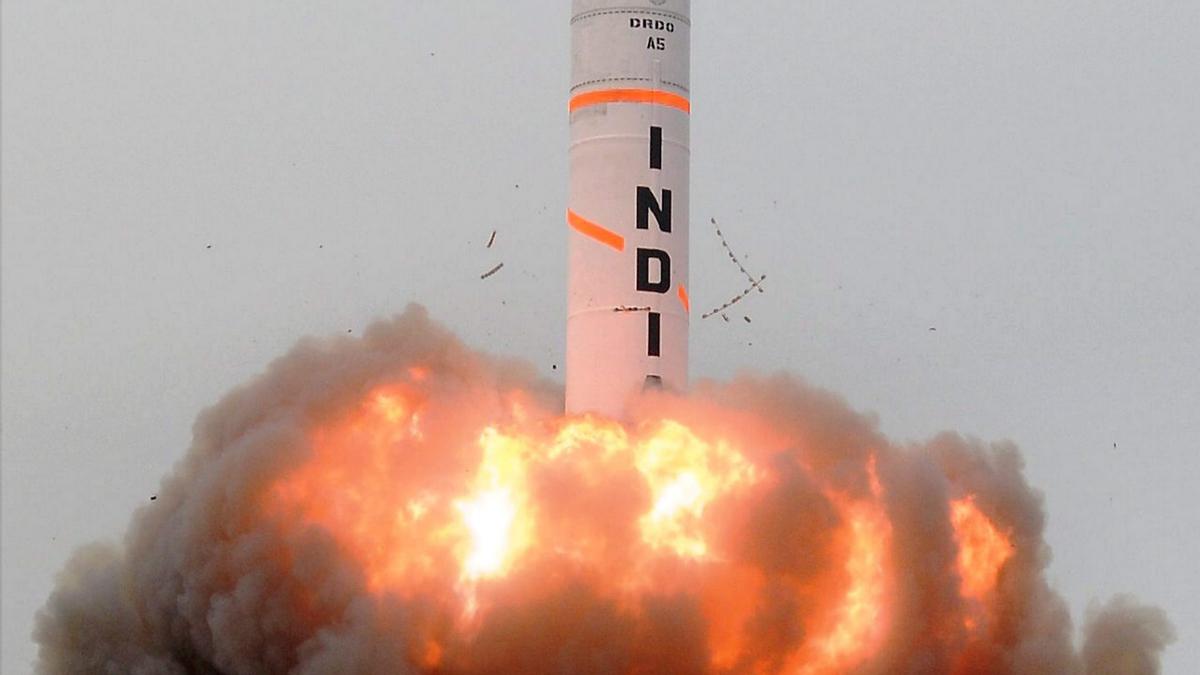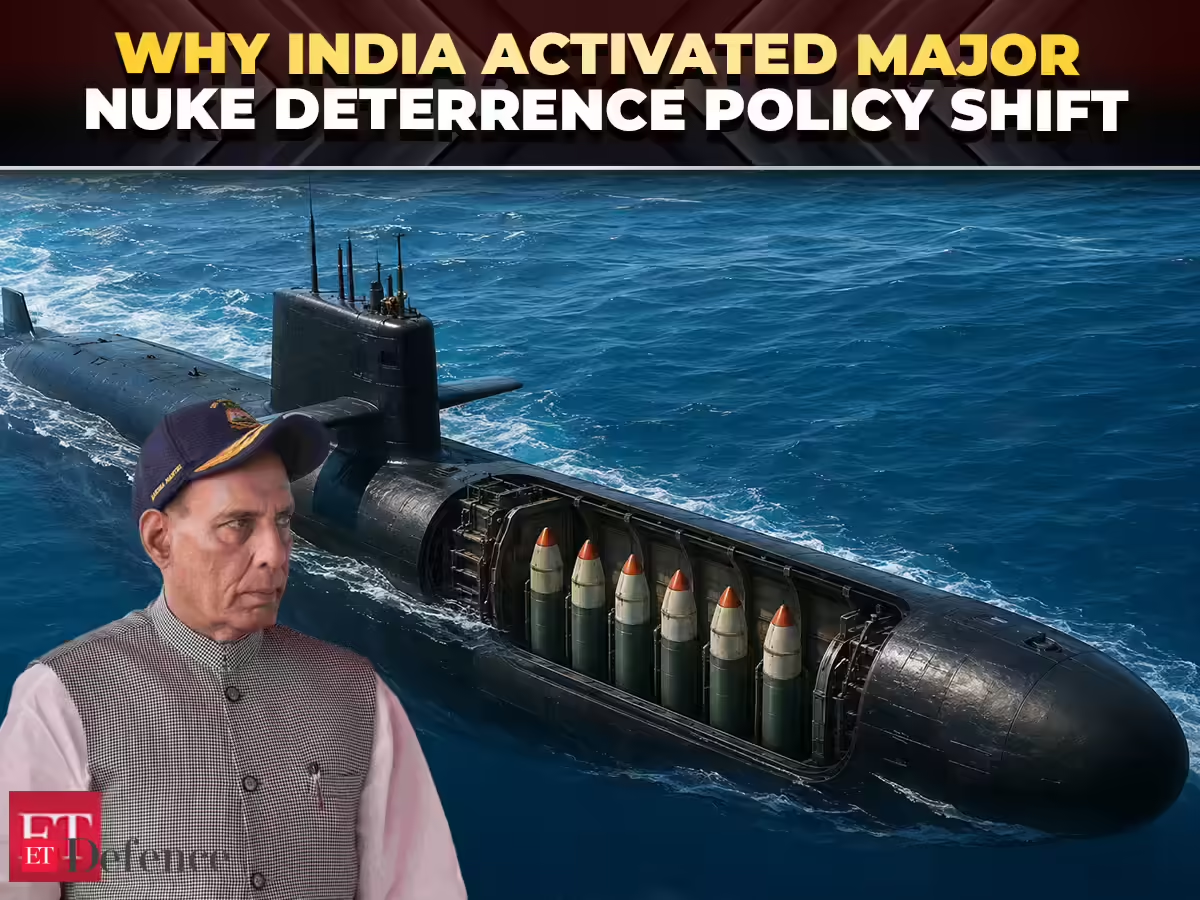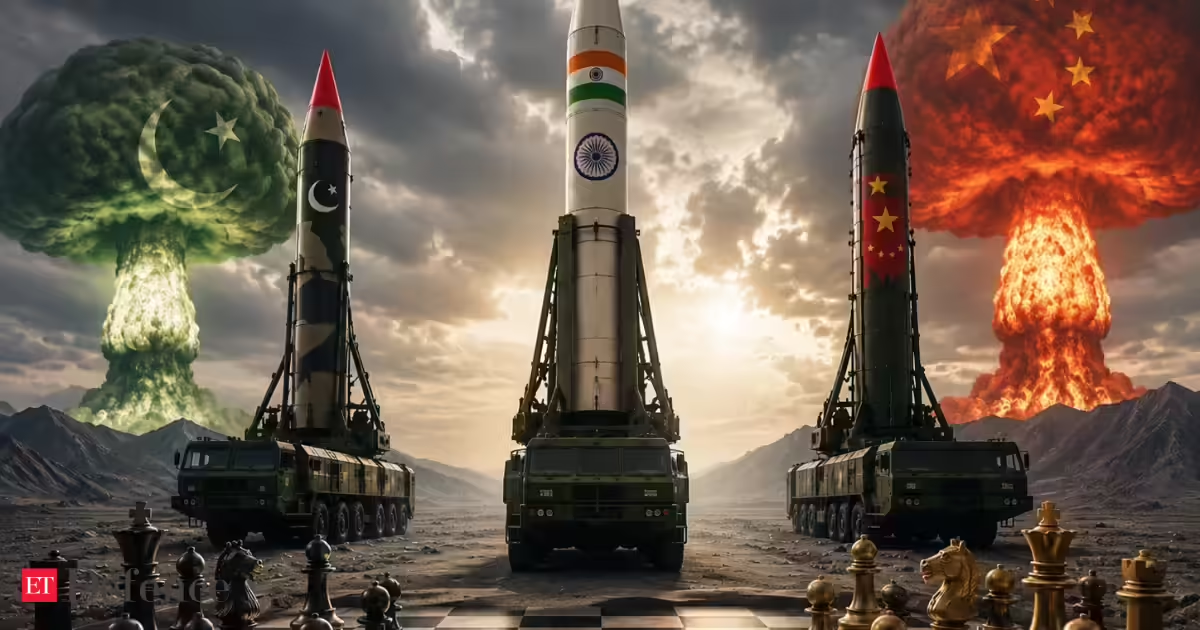
India's nuclear power is often seen through the prism of Pakistan. But that lens is no longer sufficient as China is expanding and modernising its nuclear arsenal at a pace unmatched by any other nuclear power, building new missile silos, deploying longer-range missiles and strengthening its sea-based deterrent.Against that backdrop, a simple comparison of warhead numbers might appear unsettling for India. As per the Stockholm International Peace Research Institute (SIPRI) yearbook released on Monday, China possesses about 620 nuclear warheads against India's 190. India has 20 more warheads than Pakistan but the gap with China is huge.However, nuclear deterrence is not a numbers game alone. The more important question is whether India's arsenal, doctrine and delivery systems remain capable of imposing unacceptable costs on China in the event of a nuclear conflict?Also Read | With approximately 190 warheads, India widens nuke arsenal lead over Pakistan: SIPRI reportChina's nuclear expansion goes far beyond warhead numbersThe Stockholm International Peace Research Institute's latest assessment portrays China as the world's fastest-growing nuclear power. SIPRI estimates that China's nuclear stockpile increased from around 600 warheads in January 2025 to approximately 620 in January 2026. More significantly, it says China is in the midst of a significant modernization and expansion of its nuclear arsenal.The expansion spans nearly every component of China's nuclear forces. SIPRI notes that China continues to develop large missile silo fields and modernise its land-based missile arsenal. It also points to assessments by the United States Department of Defense that China has continued efforts to fill and expand newly constructed silo complexes.China's missile force is becoming more sophisticated as well. SIPRI notes that Beijing has deployed multiple independently targetable re-entry vehicles, or MIRVs, on the DF-5B and DF-41 missile systems. MIRVs allow a single missile to carry multiple warheads aimed at different targets, significantly increasing the effectiveness of a nuclear force without requiring a proportional increase in missile numbers.The report also highlights China's growing emphasis on dual-capable systems. According to SIPRI, China appears to have increased the number of launchers for the DF-26 intermediate-range ballistic missile, a system capable of carrying either conventional or nuclear warheads. Such dual-capable weapons complicate crisis management because an adversary may not know whether a launched missile carries a conventional or nuclear payload.China's technological ambitions extend even further. SIPRI notes that Beijing possesses the world's most expansive arsenal of hypersonic glide vehicles and continues to develop advanced delivery systems designed to improve the survivability and penetration capabilities of its nuclear forces.Also Read | Russia ready to offer Su-57 & air defence systems to India without any limitations: PutinA more mature and operational Indian deterrentIndia's arsenal remains substantially smaller. SIPRI estimates that India possessed approximately 190 nuclear weapons as of January 2026, compared with around 180 a year earlier. Yet the report's most important observations concern not the size of India's arsenal but the evolution of its operational posture. These weapons were assigned to a maturing nuclear triad of aircraft, land-based missiles and SSBNs, SIPRI notes.That assessment reflects years of investment aimed at creating a deterrent capable of surviving a first strike and delivering retaliation. While India has traditionally maintained a relatively recessed nuclear posture, SIPRI suggests that important changes may be underway.One of the most consequential developments identified by the report is canisterisation. SIPRI notes that India's recent moves towards placing missiles in canisters and conducting sea-based deterrence patrols suggest that the country could be shifting in the direction of mating some of its warheads with their launchers in peacetime.Traditionally, India is believed to have stored nuclear warheads separately from delivery systems during peacetime. Canisterised missiles are maintained in sealed launch containers that improve readiness, mobility and survivability. SIPRI's assessment suggests that parts of India's deterrent may be becoming more operationally ready than in the past.The report further assesses that India may already have deployed a small number of nuclear warheads aboard a ballistic missile submarine conducting occasional deterrence patrols.These observations point to a deterrent that is becoming increasingly operational rather than remaining solely a recessed force.The submarine leg takes centrestagePerhaps the clearest indication of India's changing nuclear posture lies beneath the sea. SIPRI identifies the expansion of India's ballistic missile submarine fleet as one of the most significant developments in its nuclear programme. India currently operates the INS Arihant and INS Arighaat. The larger INS Aridhaman reportedly entered service in 2026, while a fourth boat expected to be named INS Arisudan could follow in 2027.According to SIPRI, the Aridhaman and Arisudan are significantly larger than the first two submarines and carry eight missile tubes rather than four. India is also reportedly developing the larger S5-class submarines and could eventually operate between six and eight ballistic missile submarines.The sea-based deterrent is widely regarded as the most survivable component of any nuclear force because submarines operating at sea are difficult to detect and destroy. SIPRI notes that India has continued developing both the K-15 and K-4 submarine-launched ballistic missiles to arm these vessels.China, however, remains ahead in this domain. SIPRI notes that the People's Liberation Army Navy fields six Type 094 ballistic missile submarines and continues work on the next-generation Type 096 class. China also publicly displayed the JL-3 submarine-launched ballistic missile during the 2025 Victory Day parade.The comparison illustrates the broader reality of the India-China nuclear balance. India is strengthening capabilities that were once underdeveloped, but China retains a significant lead in scale and maturity.MIRVs, hypersonics and dual-capable systemsThe competition is increasingly defined by technology rather than warhead numbers alone. China already deploys MIRV-equipped missile systems and continues to integrate advanced technologies into its strategic forces. India is pursuing similar capabilities. SIPRI notes that India's test of the Agni-V involved MIRV technology and the tracking of multiple re-entry vehicles.India is also believed to be developing new dual-capable missile systems, according to SIPRI. The report further notes that India is developing hypersonic cruise missiles that may be capable of carrying either conventional or nuclear payloads. China nevertheless remains ahead in several advanced technologies. SIPRI's assessment that China possesses the world's largest hypersonic glide vehicle arsenal highlights the extent of Beijing's investment in next-generation capabilities.The significance of these developments extends beyond technology itself. MIRVs, hypersonic systems and dual-capable missiles can all complicate an adversary's calculations and strengthen deterrence by increasing uncertainty.The air leg: Another area of contrastThe report also highlights differences in the airborne component of the two countries' nuclear forces. SIPRI notes that China is adding a long-range nuclear capability to aircraft that were previously dedicated primarily to conventional missions. This effort forms part of a broader attempt to strengthen the air-delivered leg of China's nuclear triad.India's airborne deterrent remains centred on dual-capable fighter aircraft capable of delivering either conventional or nuclear weapons. While this provides a credible air-delivered capability, China's efforts to expand the strategic role of its bomber force underline the widening scope of its overall nuclear modernisation programme.Does India need to match China nuke by nuke?The headline figures inevitably invite comparison. China possesses more than three times as many nuclear warheads as India according to SIPRI's estimates. Yet many analysts believe that such comparisons can be misleading. China's nuclear force is not designed solely with India in mind. Beijing's strategic calculations also involve the United States, whose nuclear arsenal remains vastly larger than China's, as well as Russia. China's force requirements therefore differ substantially from India's. India's doctrine, by contrast, has long centred on the principles of credible minimum deterrence and assured retaliation. Under that framework, the objective is not numerical parity but the ability to impose unacceptable costs on an adversary after absorbing a nuclear strike.For this reason, many argue that the key measure of India's deterrent is not whether it can match China's stockpile but whether it can maintain a survivable second-strike capability. The expansion of the submarine fleet, the move towards canisterisation, the development of longer-range missiles and the pursuit of MIRV technology all contribute to that objective.The latest SIPRI assessment leaves little doubt that China enjoys a substantial quantitative advantage and is modernising its nuclear forces at a remarkable pace. Its investments span missile silos, MIRVs, hypersonic systems, dual-capable missiles, ballistic missile submarines and long-range air-delivered nuclear capabilities.At the same time, SIPRI also documents a quieter but important transformation within India's nuclear programme. The country's arsenal has grown modestly, but more importantly its triad is becoming more mature, its submarine fleet is expanding, its missiles are increasingly canisterised and its readiness posture appears to be evolving.SIPRI also notes that over the past decade, India's nuclear planning has placed a greater emphasis on investing more resources in longer-range weapon systems that appear to be focused on China. Pakistan may remain an immediate concern, but China's military rise is increasingly shaping the trajectory of India's nuclear deterrent. The challenge for India is not to replicate China's arsenal. It is to ensure that whatever the size of China's stockpile, India's retaliatory capability remains credible. In the logic of nuclear deterrence, that may ultimately matter far more than the difference between 190 warheads and 620.
190 vs 620: India has nuke edge over Pakistan but can it deter China?
China is rapidly expanding its nuclear arsenal, outpacing India in warhead numbers and technological advancements. India is enhancing its nuclear triad, focusing on a survivable second-strike capability. The expansion of India's submarine fleet and missile readiness are key developments. India's nuclear planning now emphasizes longer-range systems targeting China.
1,499 words~7 min read