READ MORE: Blueberries unpicked: The tiny superfruit that can make a BIG impact on your gut, brain and heart healthSee more Daily Mail on Google - save us as a Preferred SourceBy LUKE CHAFER, HEALTH REPORTER Published: 17:00 BST, 8 June 2026 | Updated: 17:05 BST, 8 June 2026
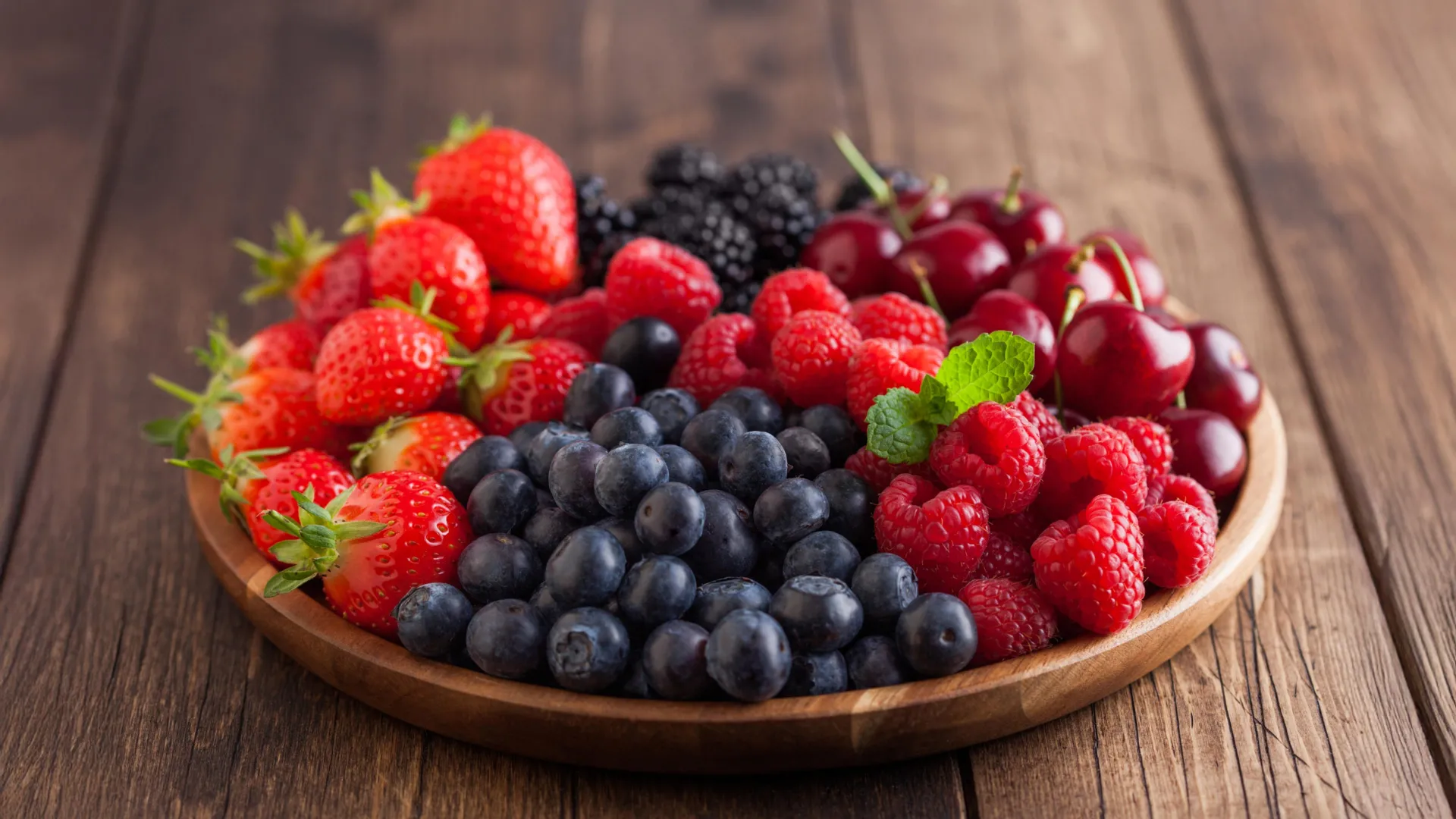
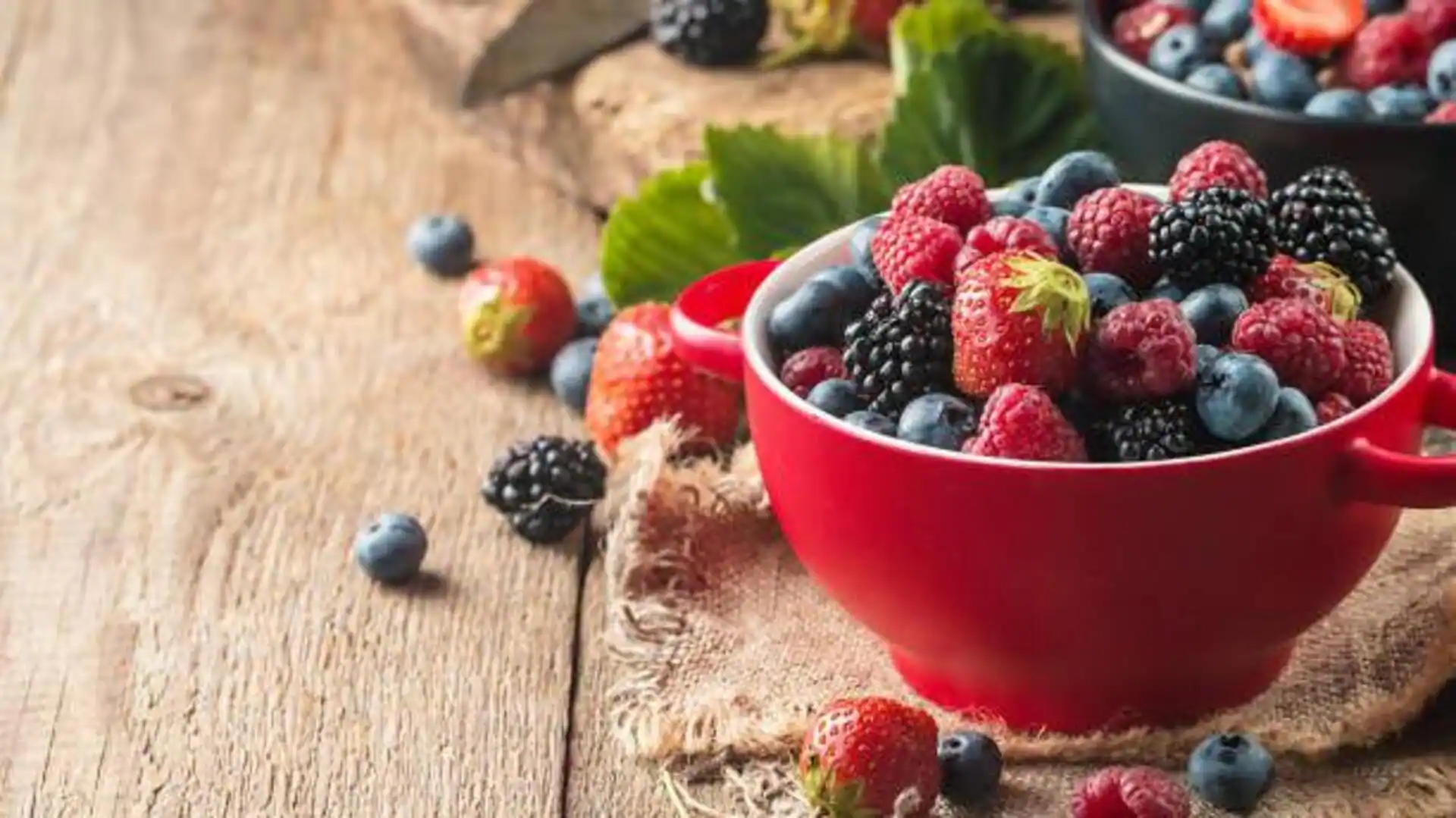
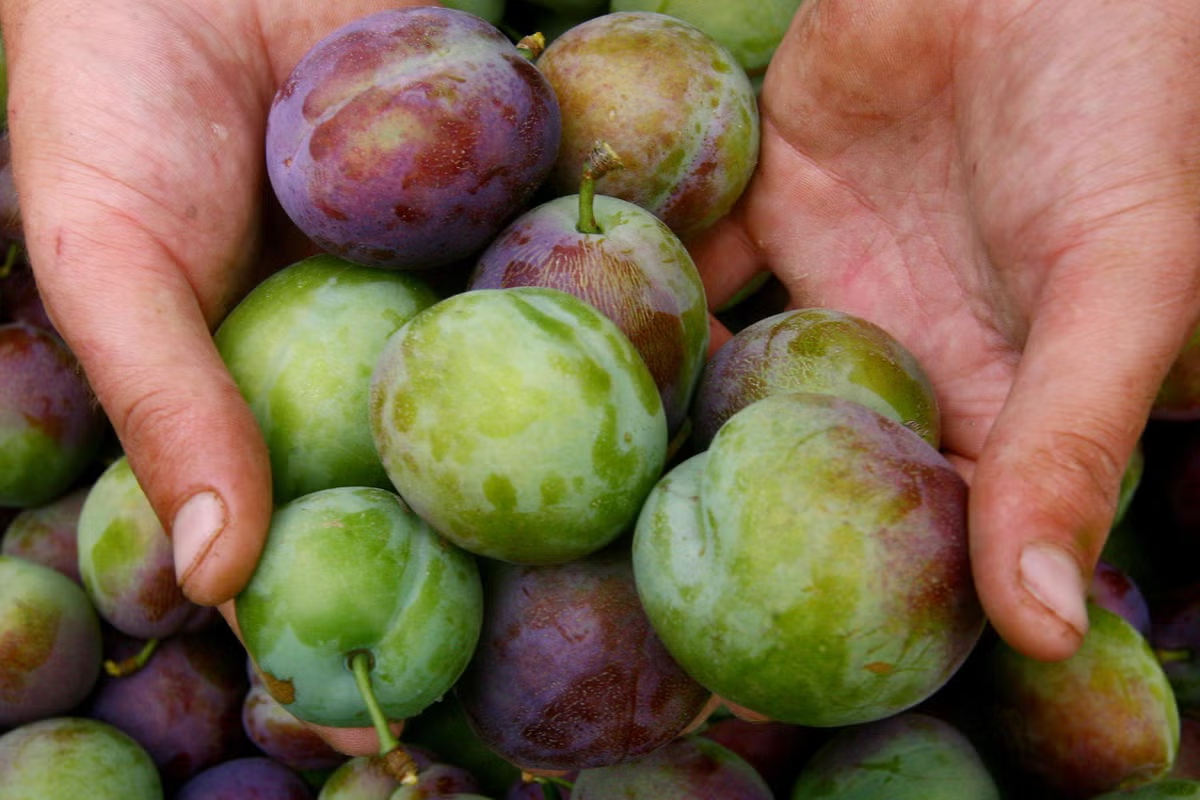
A key nutrient found in plums, blackberries and cranberries can slash the risk of heart disease - but millions of Britons do not get enough, a new study has found.Less than one in five people are consuming the recommended amount of flavanols – a powerful antioxidant also found in apples, strawberries and green tea.The new research also found that even many people who consume five portions of fruit or vegetables are failing to get enough flavanols.Previous studies have shown that eating the recommended amount of flavanols a day reduces the risk of dying from cardiovascular disease by nearly a third.Experts say the findings raise wider questions about whether current dietary recommendations around fruit and vegetable consumption could be made more effective.Professor Gunter Kuhnle of the University of Reading said: ‘Five-a-day is the right message, but we may need to think more carefully about which five.‘Different fruits and vegetables offer very different nutritional benefits beyond vitamins and minerals, and as our understanding of these compounds grows, there is a real opportunity to make dietary guidance more specific and more effective. This research is a step towards understanding what that might look like in practice.’ Plums (500g, roughly one punnet): approximately 450mg of flavanolsThe latest study, published today in the journal Food and Function tracked the diets of more than 30,000 participants across the UK and United States. The foods with the highest flavanol content per portion are: The foods with the highest flavanol content per portion are: Plums (500g, roughly one punnet): approximately 450mg of flavanols Cranberries (250g, roughly one punnet): approximately 300mg of flavanols Blackberries (200g, roughly one punnet): approximately 250mg of flavanols Green tea (one 250ml cup): approximately 200mg of flavanols Broad beans/fava beans (80g, a small handful): approximately 140mg of flavanols Cherries (400g, roughly one punnet): approximately 130mg of flavanols Apples with skin (200g, one medium apple): approximately 110mg of flavanols Strawberries (200g, roughly one punnet): approximately 90mg of flavanols Blueberries (150g, roughly one punnet): approximately 80mg of flavanols Pinto beans (40g, two tablespoons dry): approximately 70mg of flavanol Dr Javier Ottaviani, the paper's lead author, said: ‘Flavanols can significantly reduce the risk of dying from cardiovascular disease, but only if you consume enough of them.‘Most people assume that eating plenty of fruit and vegetables covers this, but what this research shows is that the specific choices you make matter far more than the total amount.‘Including a handful of blackberries, a whole apple or having a cup of green tea alongside your meal could make a real difference to how much of these beneficial compounds you actually consume and absorb from the diet.’The fruits with the highest amount of flavanols are plums, cranberries and blueberries.Experts believe flavanols reduce inflammation in the body and improve the function of blood vessels - lowering the risk of heart issues.As part of the study, researchers from KCL and the University of Reading carried out a randomised, double blind, placebo-controlled trial involving 61 healthy men and women aged 65 to 80.They drank a beverage made with 26g of freeze-dried wild blueberry powder. The other group drank a matching placebo.Over 12 weeks it was found those who consumed the berry powder experienced better memory and improved accuracy on attention tasks, alongside lower blood pressure.The blood pressure of the test group was lower than that of the placebo group and was also shown to have increased flow mediated dilation, which leads to a lower risk of cardiovascular disease.The researchers also found that over the course of twelve weeks, volunteers who consumed the berry powder in drinks experienced better memory and an 8.5 per cent improved performance on an attention task.