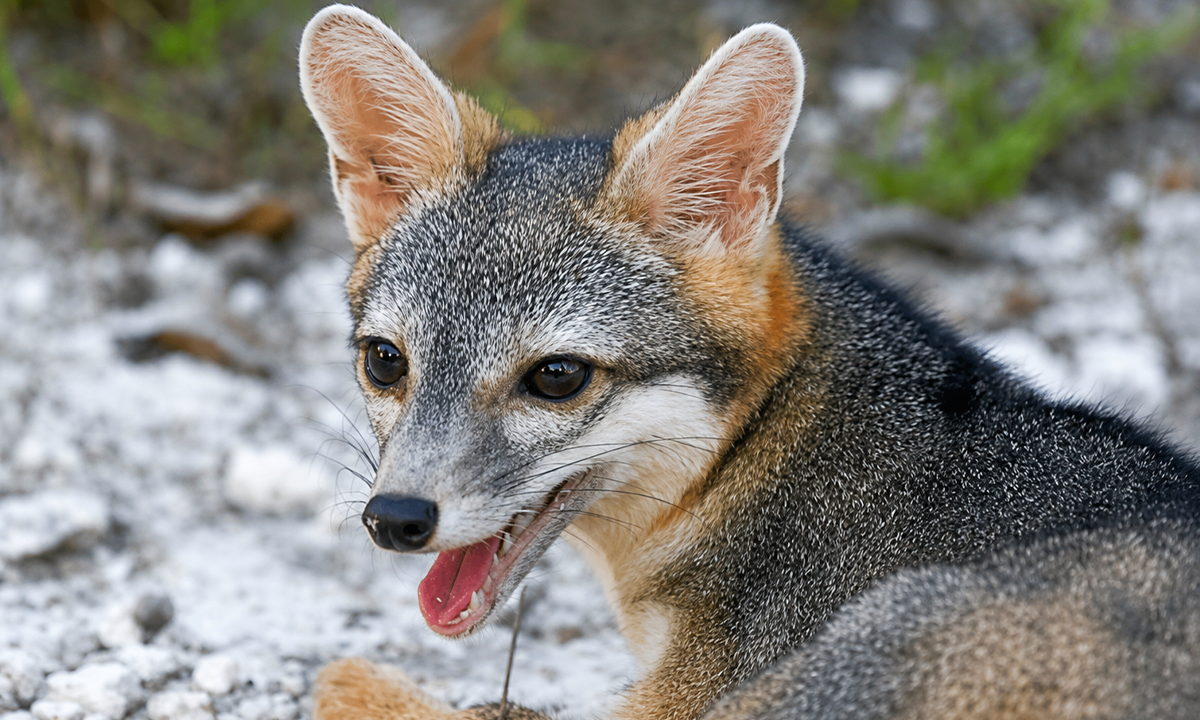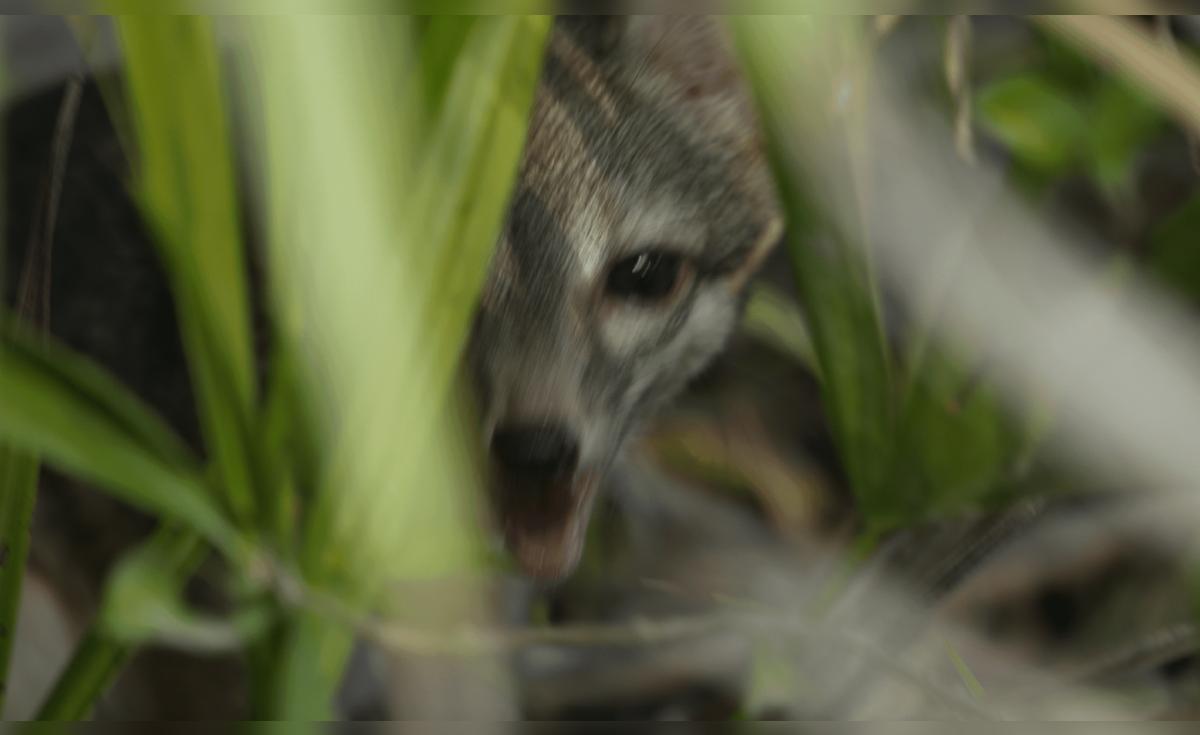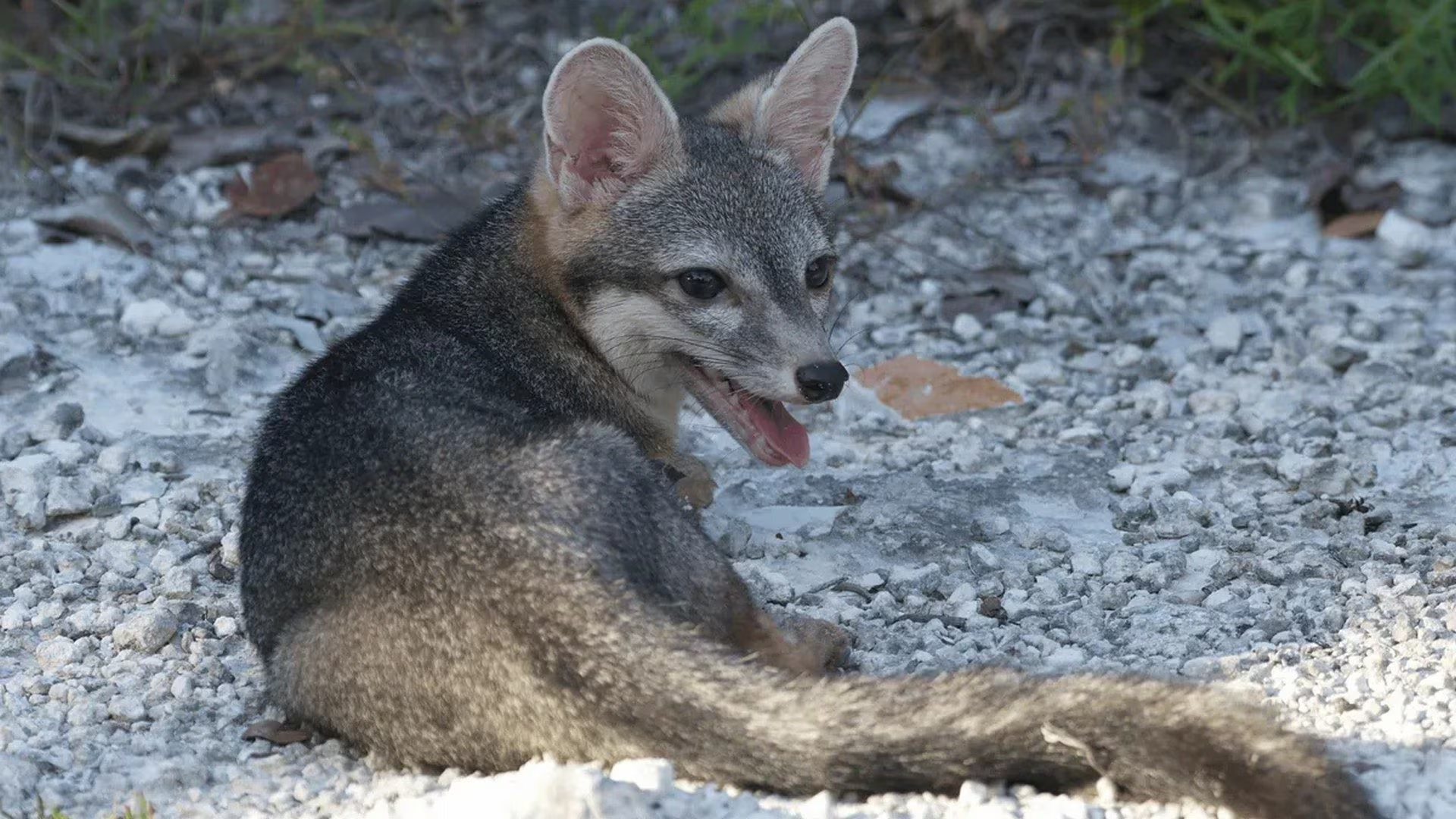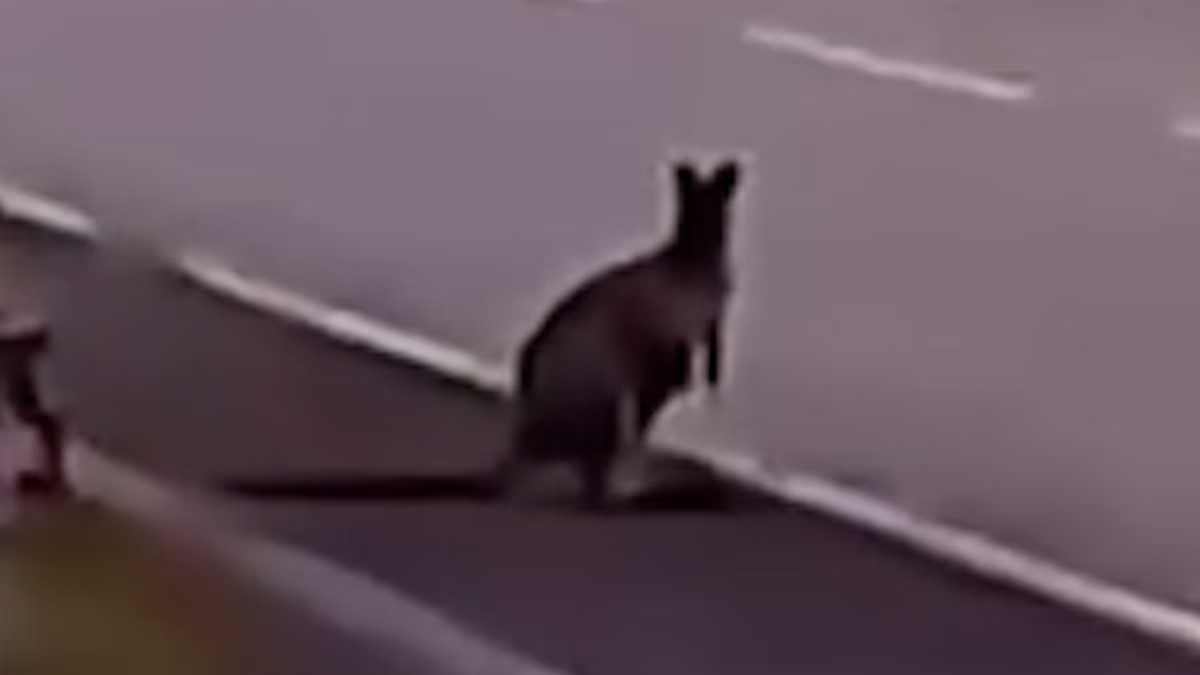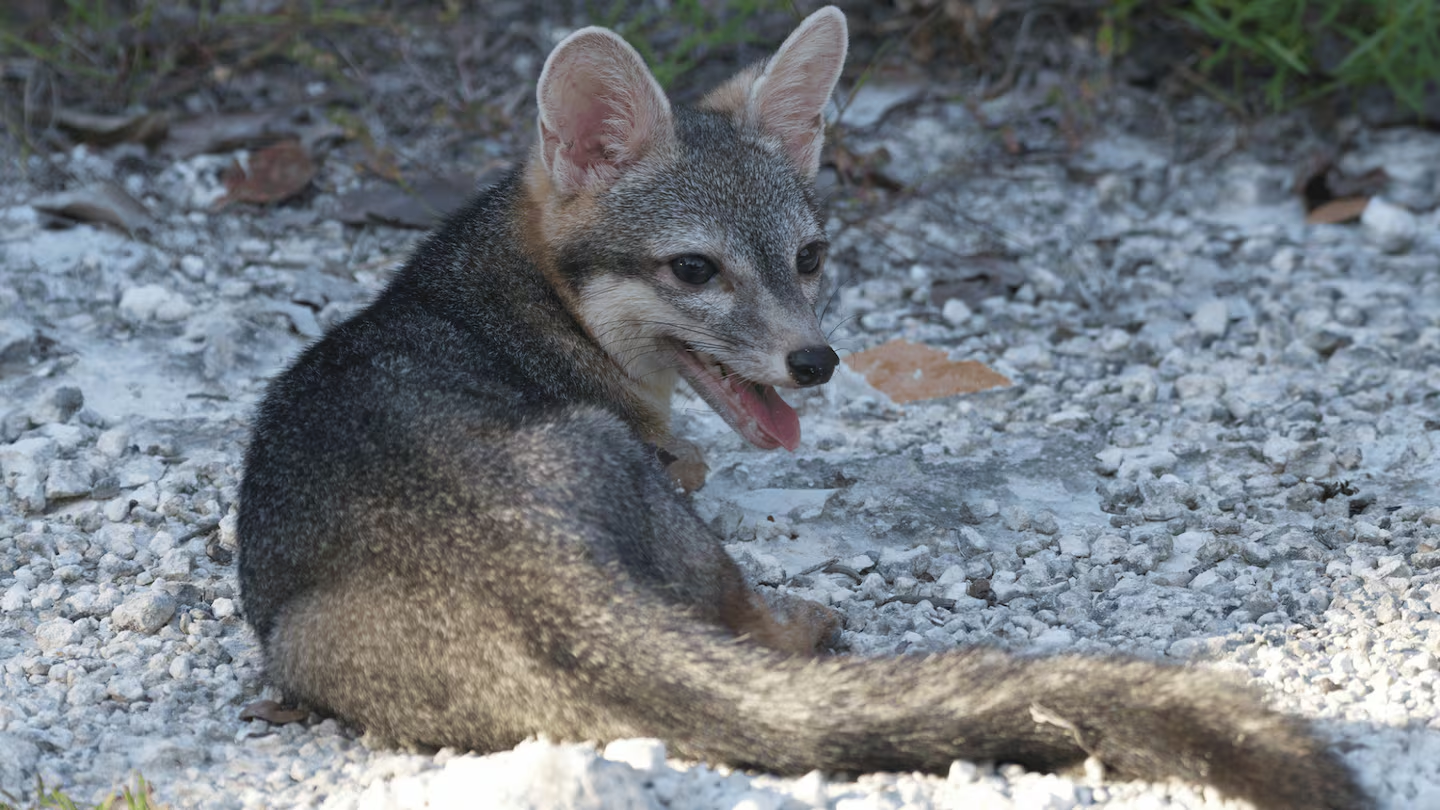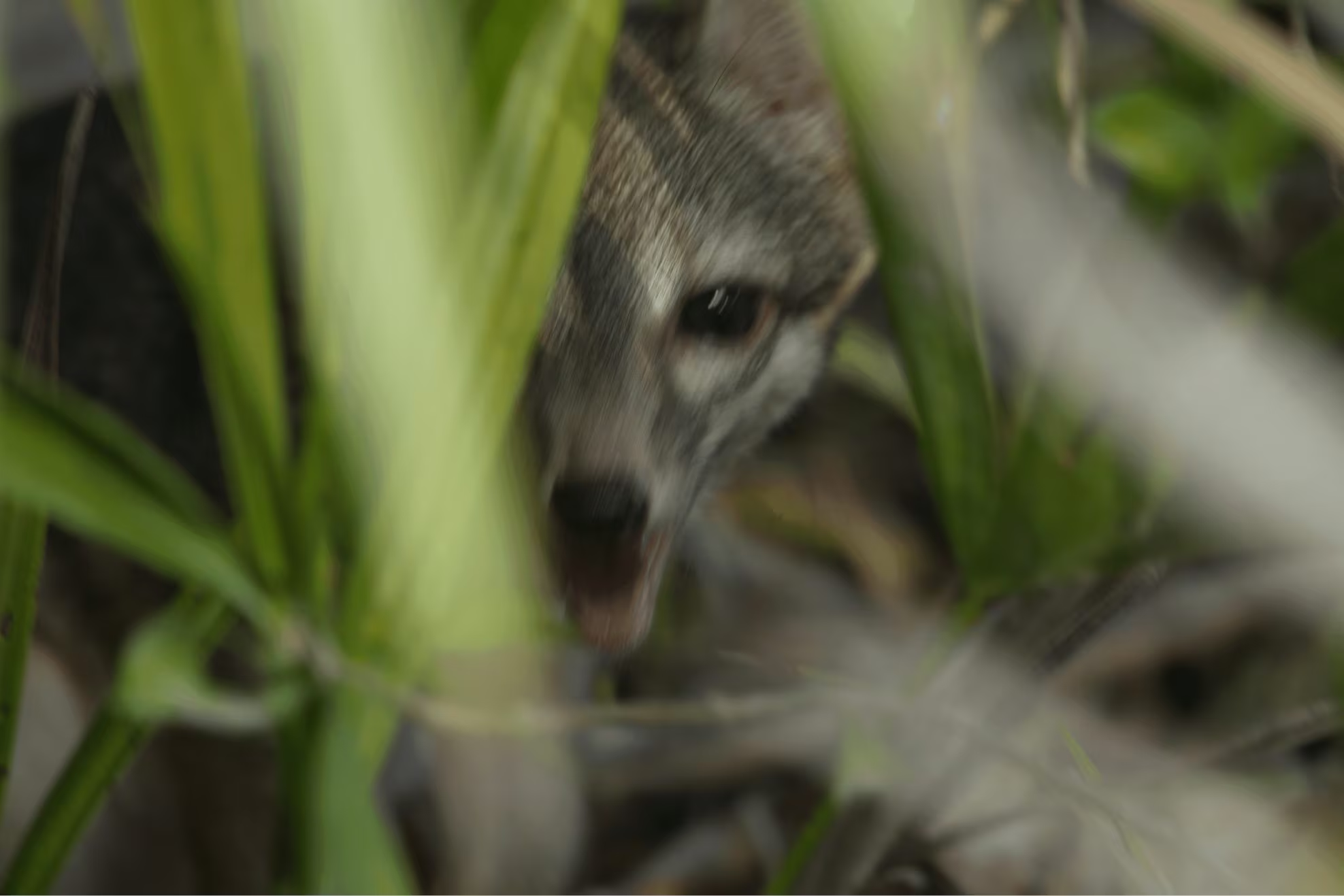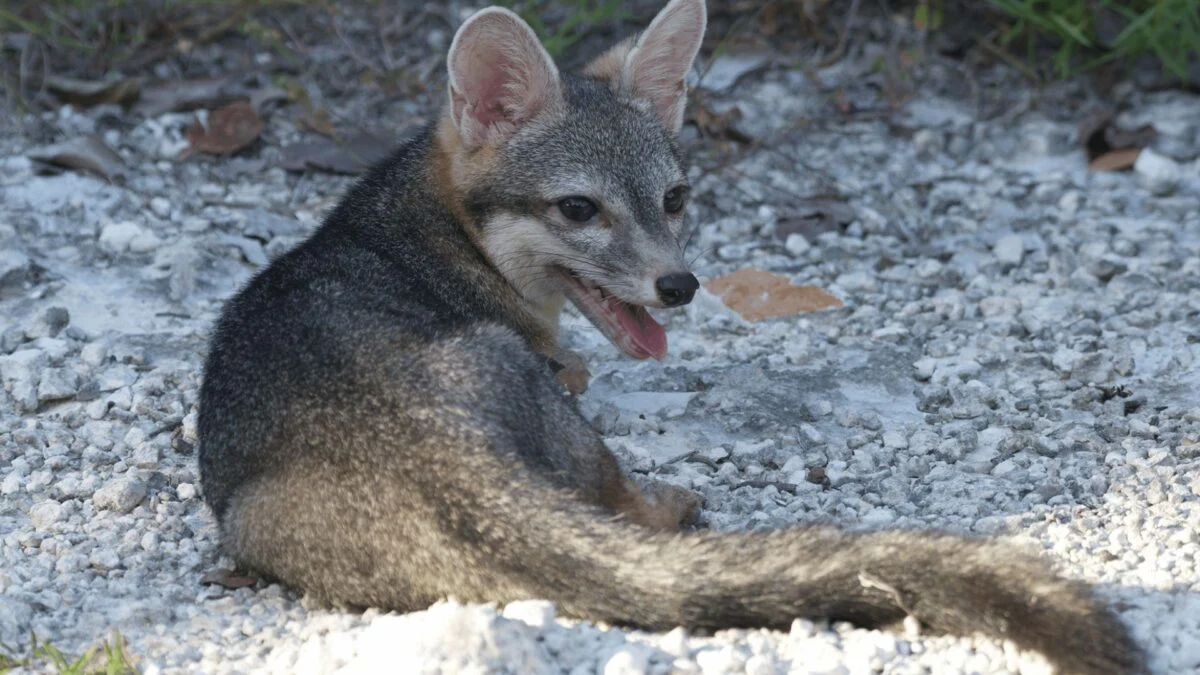
Scientists have finally captured a glimpse of a fox so elusive that it was unclear if the animal still existed. A team of researchers in the United States and Mexico has provided the first objective evidence of a dwarf fox species currently living on the island of Cozumel, Mexico. The researchers and wildlife park officials rescued an adult male dwarf fox on a local highway. Though the fox recovered and was released into a protected reserve, there remains much we don’t know about these animals, including how many are left in the wild. “Here, we report the first photographic record and the first confirmed sighting in over two decades,” the researchers wrote in their paper detailing the discovery, published last month in the journal Neotropical Biology and Conservation. Island dwarfs Since the days of Charles Darwin in the 19th century, scientists have known that the isolated conditions of an island can speed up the evolutionary process in some animals. One common pattern is the formation of dwarf species that are smaller than their mainland counterparts.
This is something that’s already happened with the gray fox (Urocyon cinereoargenteus) in North America and the island fox (Urocyon littoralis). The island fox descended from the gray fox and is only found on six of the eight Channel Islands off California, with each island having a distinct subspecies.