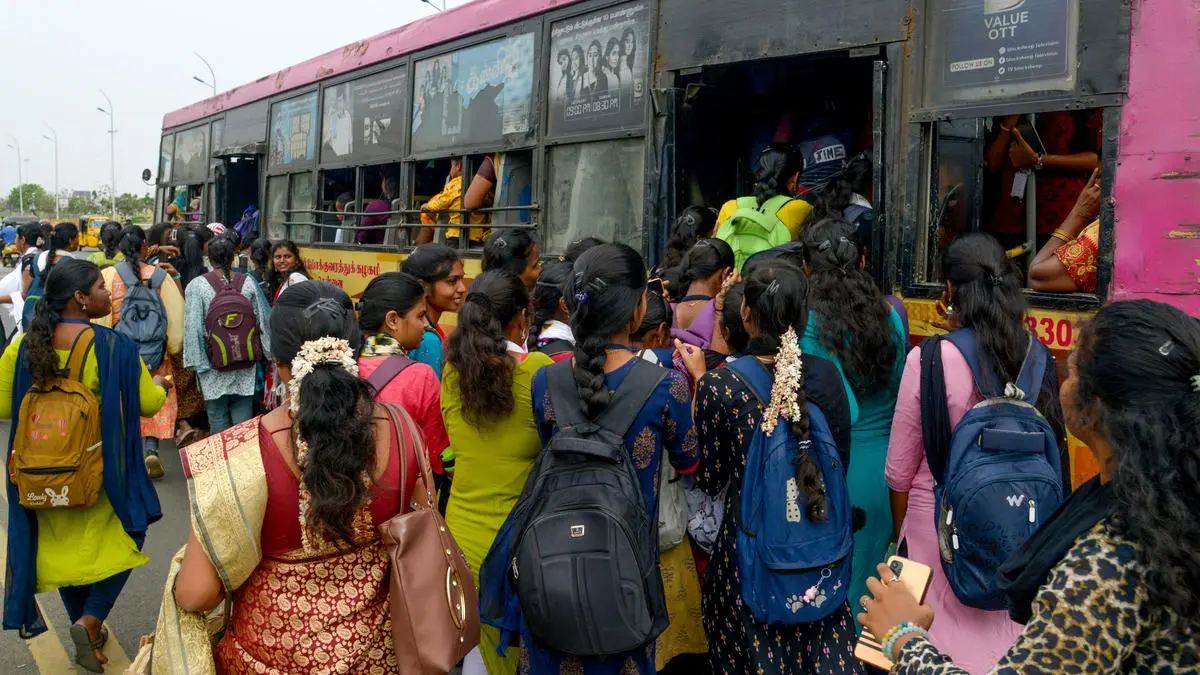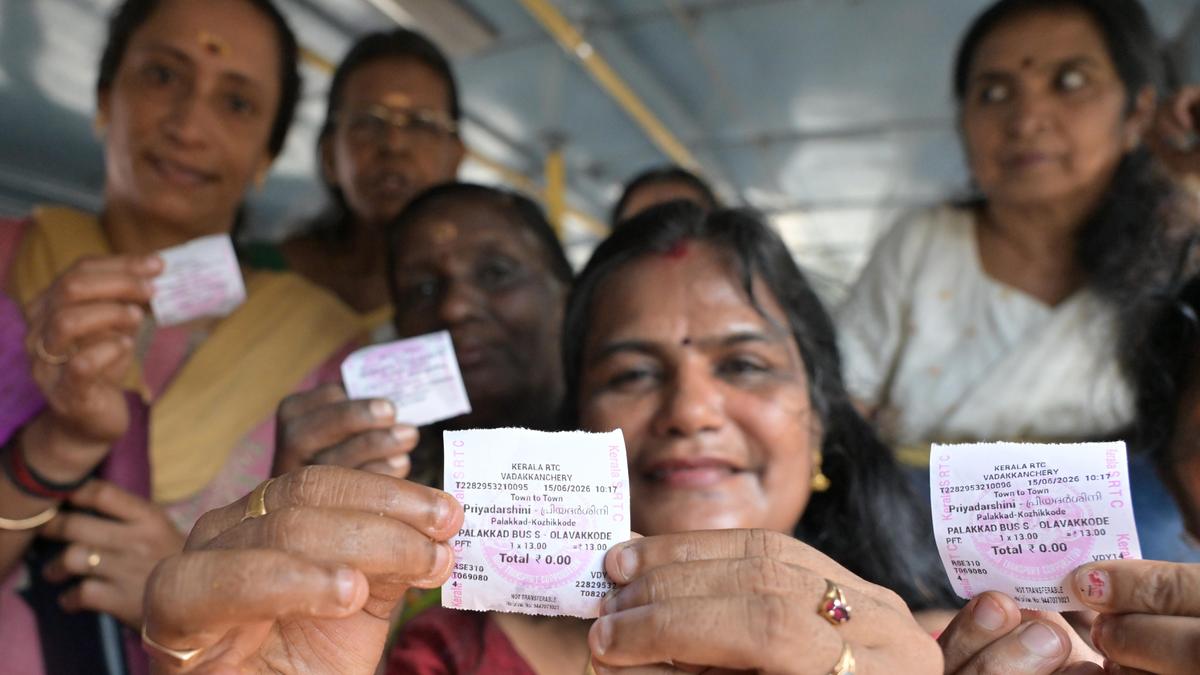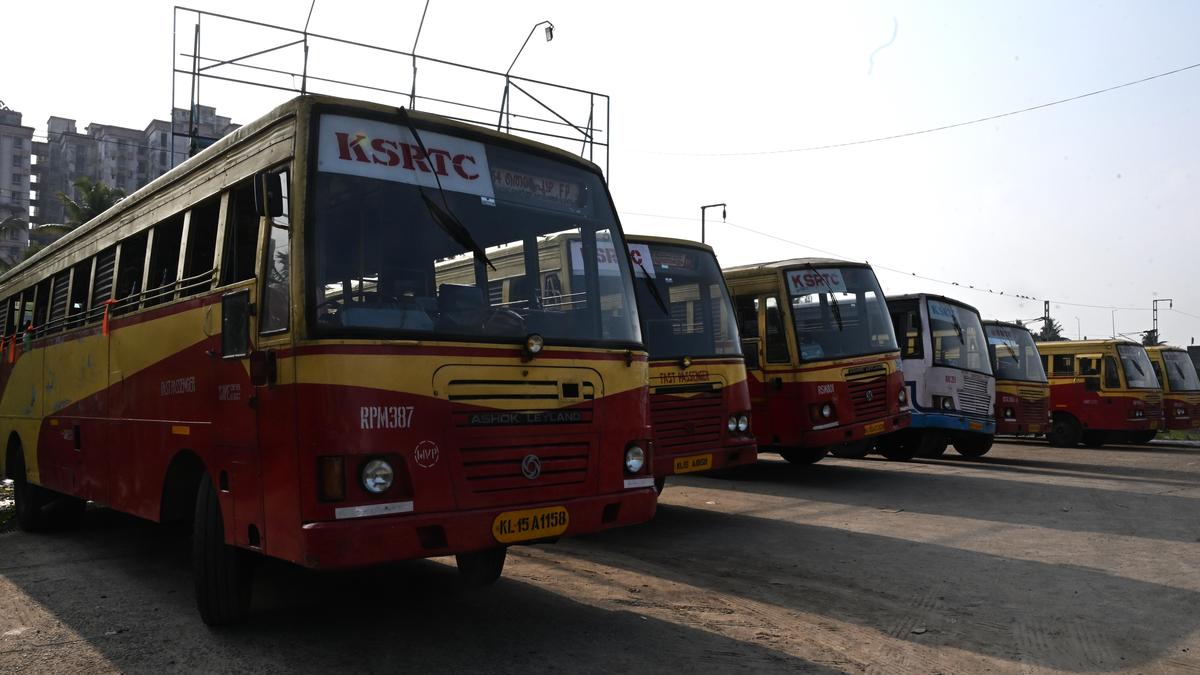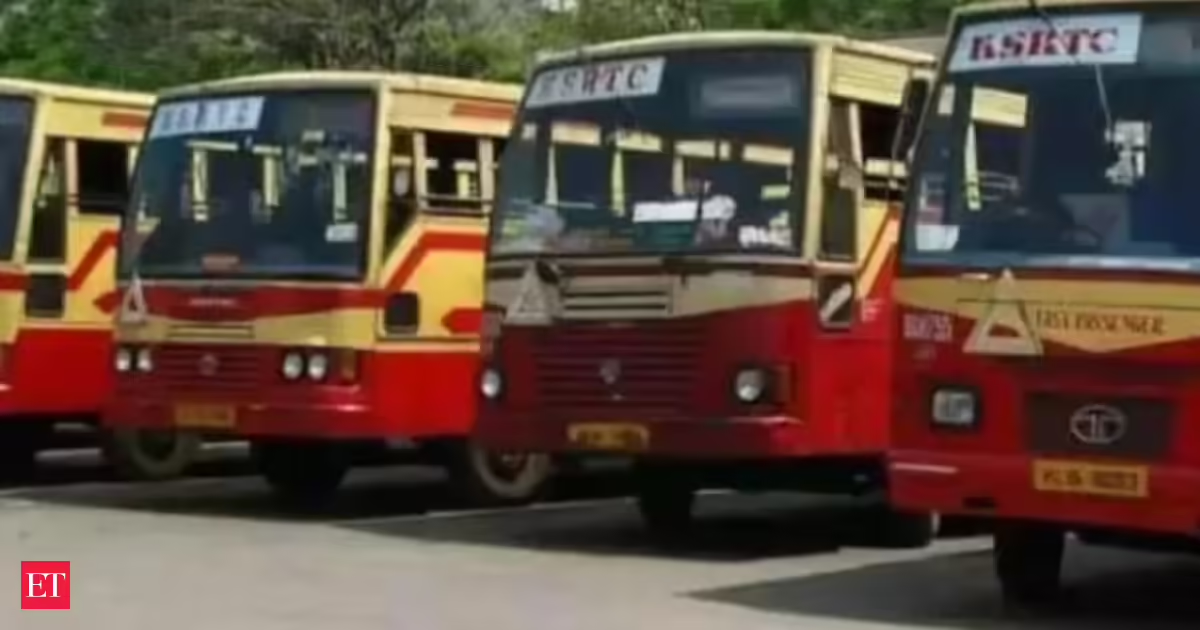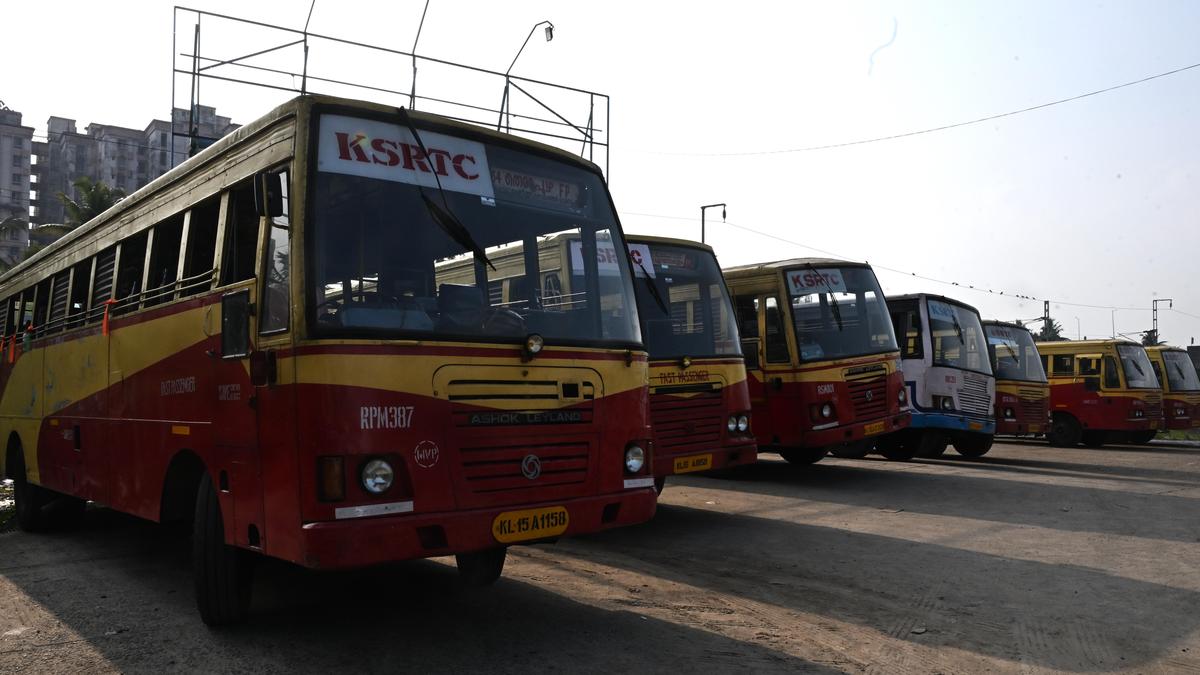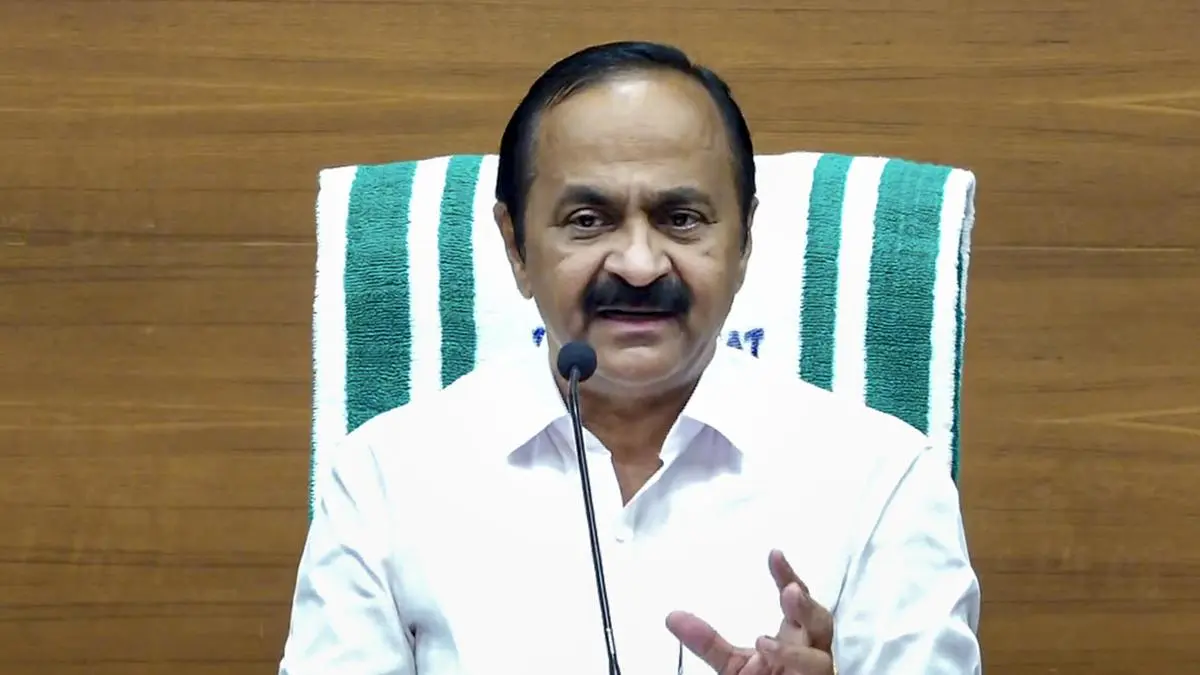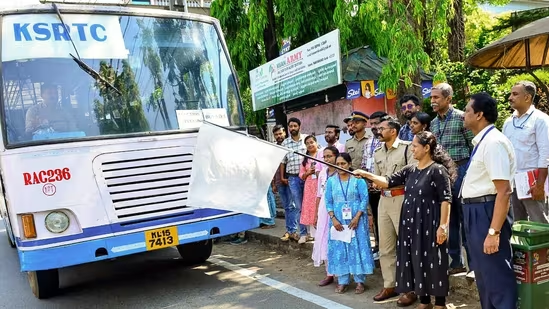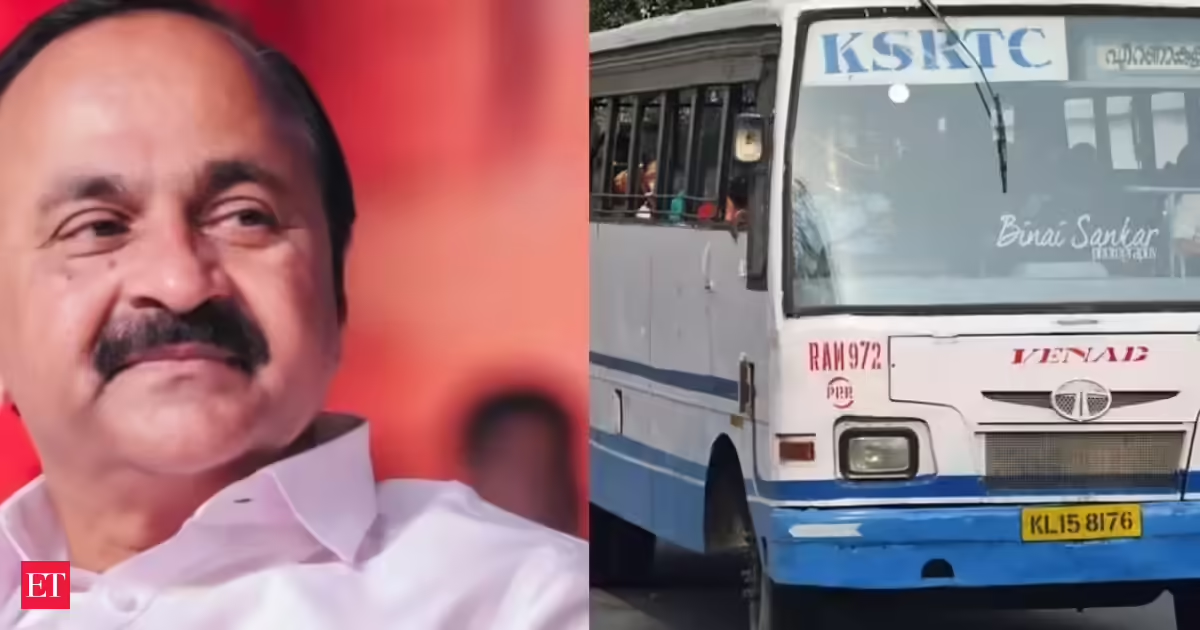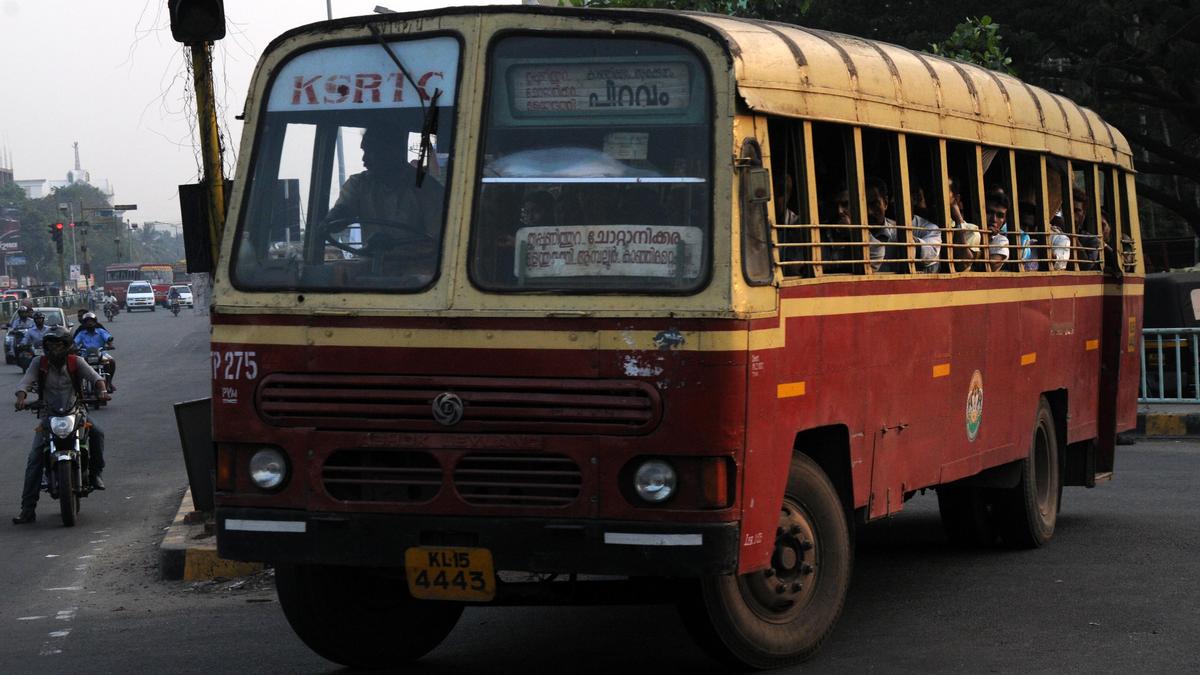
Amid the poor financial health of both the State government and the Kerala State Road Transport Corporation (KSRTC), the decision to implement a free travel scheme for women on KSRTC buses -- initially limited to ordinary services -- has evoked mixed responses from different sections of society in Kerala. Women, in general, have welcomed the decision, as it would enable them to save transportation expenses of around ₹1,000 per month.Welcoming the move, Githa Hari, an employee of a private firm in Thiruvananthapuram, said, “Although the first phase covers only ordinary buses, we are hopeful that the scheme will be extended in phases to city fast, fast, and superfast services. Personally, the scheme would help me save around ₹900 per month, which I can use for other family needs, said Ms. Hari”Experiences from neighbouring States indicate that the free travel scheme could increase the frequency of women’s travel in public spaces across Kerala. Noted economist Prof. K.P. Kannan said that women from poorer sections, the working class, and self-employed groups would benefit the most, as the affluent generally rely on alternative modes of transport. “This could boost economic activity, as the money saved on travel expenses would likely be spent elsewhere in the economy. Increased mobility would also lead to a greater presence of women in public spaces, and this would increase economic activity,” he said. However, a major question remains is that how can such a scheme be implemented without placing an additional burden on the cash-strapped exchequer, he said.Substantial liabilitiesThe previous government had left behind substantial loan liabilities. Therefore, the priority of the new government should be the rationalisation of public expenditure and the strengthening of tax collection measures. These steps, he said, would help the State overcome the financial crisis to some extent.An estimate prepared by KSRTC reveals that the Corporation would incur a revenue loss of around ₹112 crore if the scheme were extended to all categories of buses, and about Rs 57 crore if it remained restricted to ordinary services in 90 days. However, limiting the scheme to ordinary buses alone could invite public criticism in the future. KSRTC currently operates around 4,700 buses, of which nearly 3,000 are ordinary services. A significant number of these buses, however, are more than 15 years old, exceeding the age limit prescribed under the Centre’s vehicle scrappage policy. The State government releases around Rs 80 crore per month to pay the salary and pension bills in the public utility.Private bus operators, who are likely to be adversely affected by the scheme, said that it could sound the death knell for Kerala’s private bus industry, which comprises around 9,000–10,000 buses. The impact would be particularly severe in southern Kerala and parts of central Kerala, where the presence of KSRTC buses are very high, and women account for nearly 60% of bus passengers. “The scheme will attract women passengers to KSRTC services, and eventually many private bus operators may be forced to shut down,” said P. Gopinathan, General Secretary of the All Kerala Bus Operators’ Organisation.According to the State government’s plan, the first phase of the free travel scheme for women in KSRTC buses will be implemented in ordinary services. During the initial 100 days, women will be allowed to travel free only on ordinary buses. After this period, the government is actively considering extending the benefit to additional categories of services, including fast and superfast buses, according to Transport Minister C.P. John, who said this after a meeting with Chief Minister V.D. Satheesan on Monday. Published - June 08, 2026 08:19 pm IST
Free ride for women: A challenging balancing act awaits State, KSRTC
Kerala's free bus travel scheme for women faces financial challenges while promising increased mobility and economic benefits amid mixed societal reactions.
593 words~3 min read