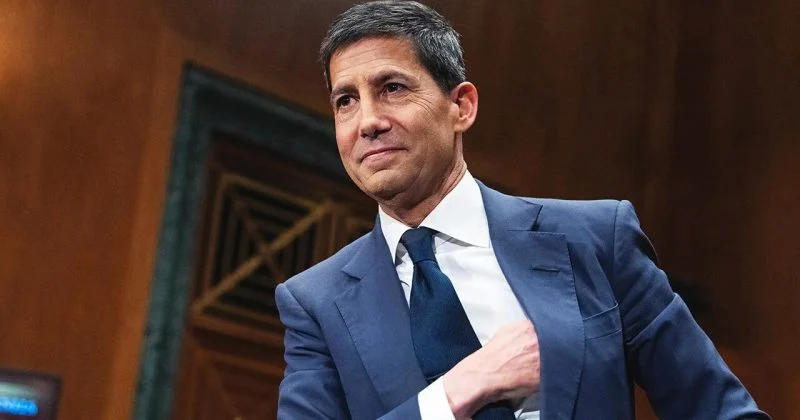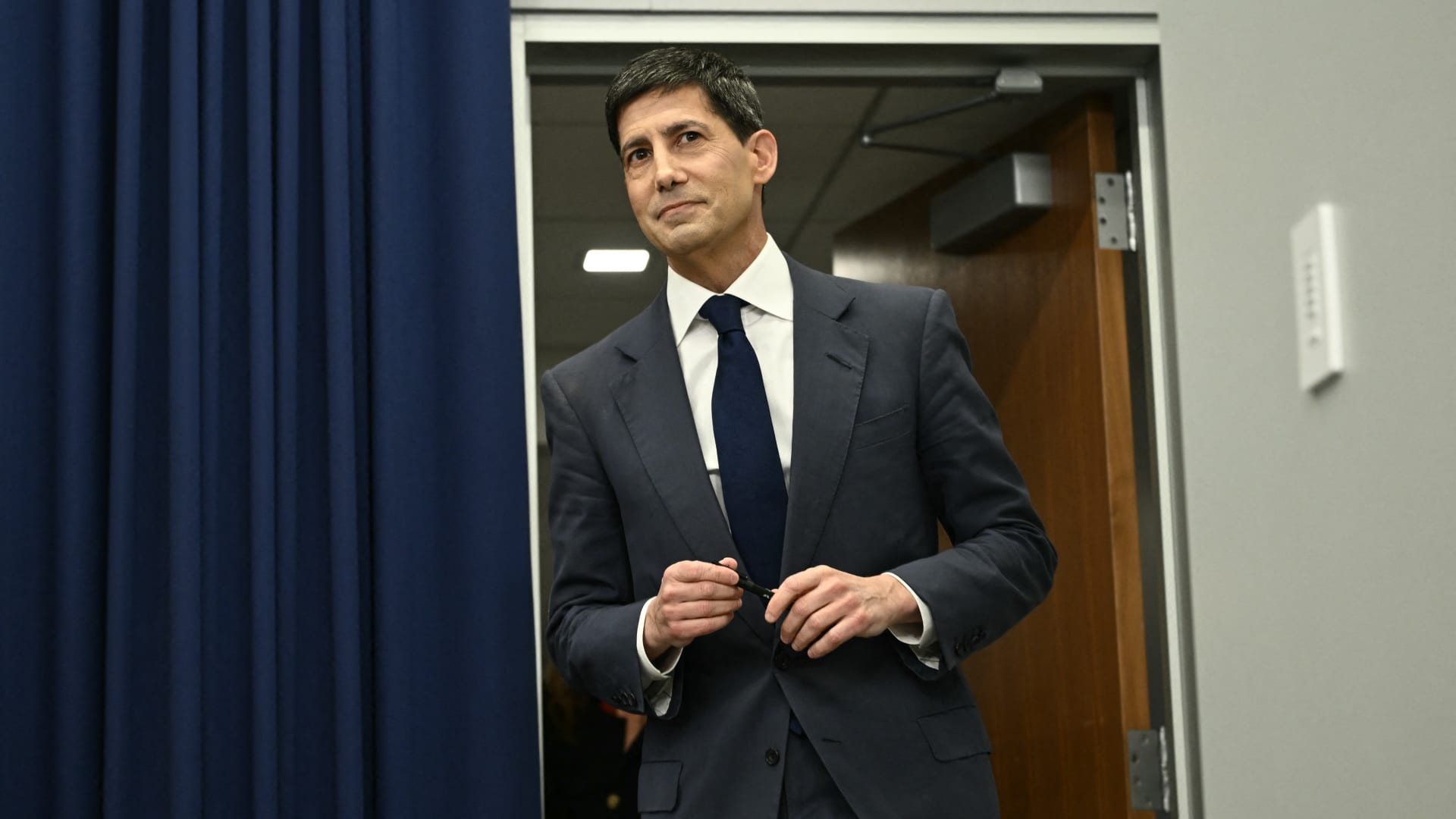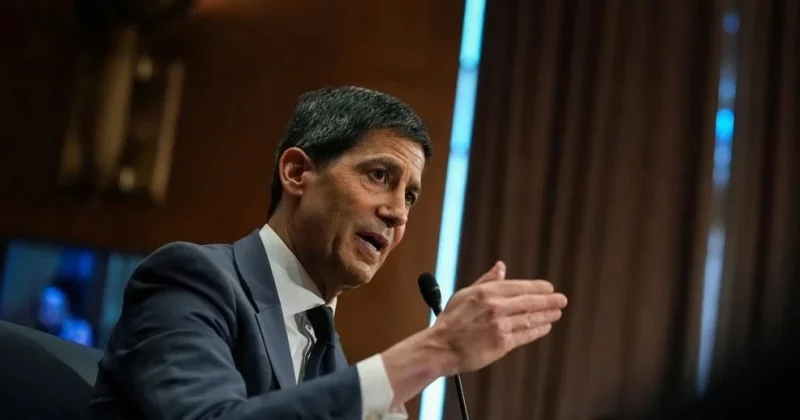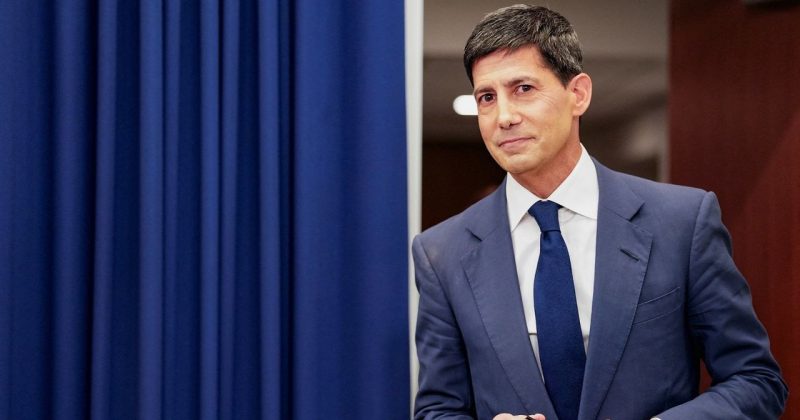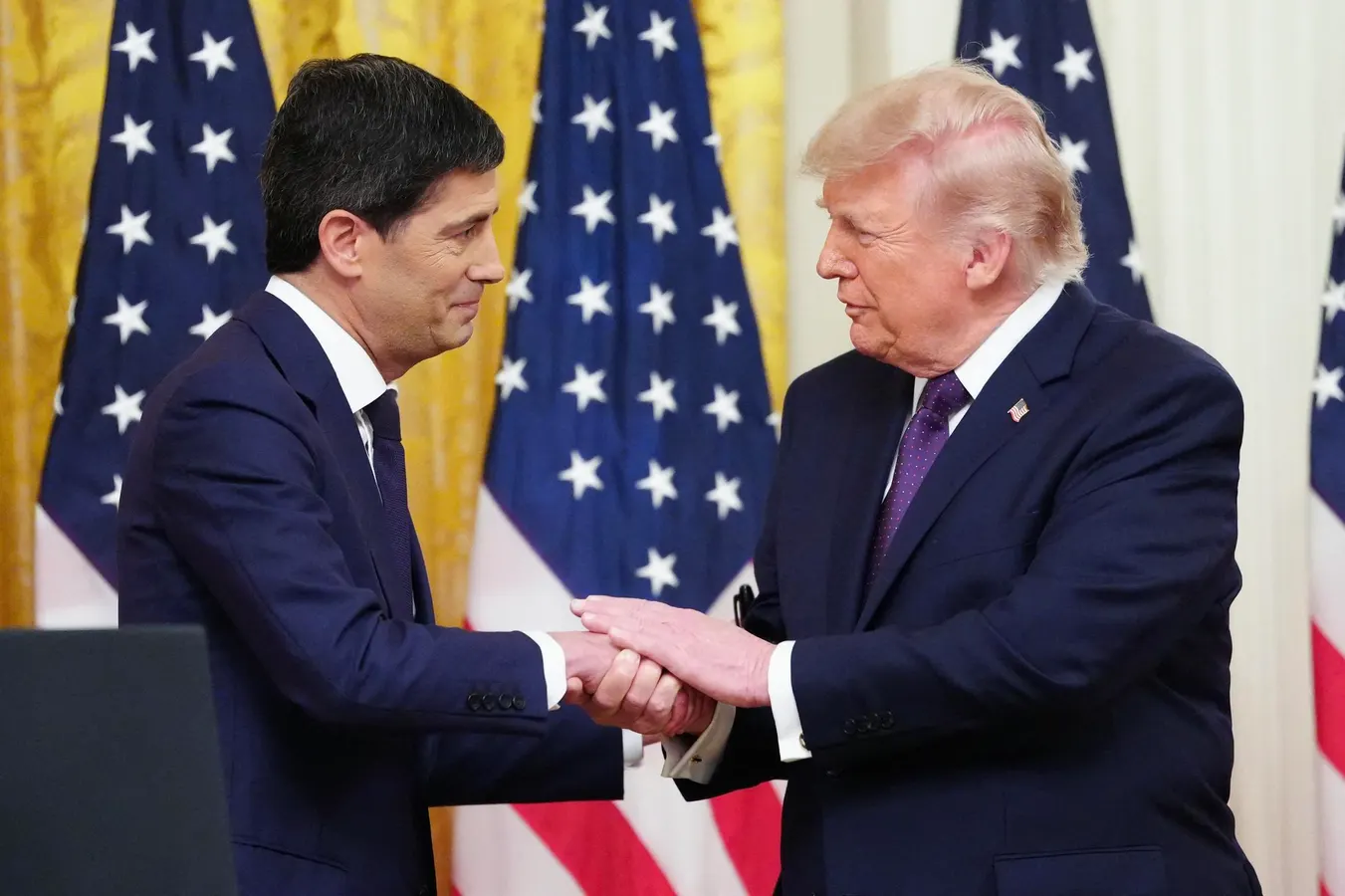
TOPSHOT - US President Donald Trump shakes hands with the new Chairman of the Federal Reserve Kevin Warsh (L) during a swearing in ceremony in the East Room of the White House in Washington, DC on May 22, 2026. The US Senate confirmed Kevin Warsh as the new Federal Reserve Chairman on May 13 to lead a central bank whose independence is under attack and with inflation at a three-year high. (Photo by Aaron Schwartz / AFP via Getty Images)AFP via Getty ImagesKevin Warsh’s first Federal Open Market Committee meeting on June 16–17 is likely to mark a formal shift away from the Fed’s easing bias, opening the door to potential rate hikes later in 2026 as inflation accelerates and labor markets remain firm. The CME FedWatch Tool now assesses one or two hikes as relatively likely in 2026, even though holding rates steady is possible, too. The main change to most forecasts since earlier in 2026 is that interest rate cuts are now seen as highly unlikely this year.What Fed Officials Are SignalingThe move away from cuts towards possible hikes reflects economic data. Fed Gov. Christopher Waller said at a May 22 speech in Frankfurt that, "Recent jobs data show that the labor market appears to be stabilizing and the unemployment rate is fairly low and stable. But higher energy and commodity prices are pushing up headline inflation and prices for other goods. Inflation is not headed in the right direction. Based on this recent data, I would support removing the ‘easing bias’ language in our policy statement to make it clear that a rate cut is no more likely in the future than a rate increase. That doesn’t mean, however, that I think we should be considering rate increases in the near future." Even though fixed-income markets concur that interest rate hikes are not imminent, they project they are somewhat likely at the September or October meeting.After Waller’s speech, his view has been supported with a very strong May jobs report and no real sign that supply bottlenecks in the Middle East are easing. That said, Waller is just one member of the FOMC, and decisions are made by majority vote.How Messaging Could Shift Under WarshIronically, though President Trump has repeatedly attacked Warsh’s predecessor Jerome Powell, it may be Warsh who coordinates interest rate increases in 2026 after Powell cut rates in 2024 and 2025. That said, Warsh also has signaled plans for changing how the Fed conducts guidance and messaging, so it may be that Warsh declines to discuss future policy at his first meeting at the same level of detail as his predecessor.MORE FOR YOUForbesWarsh Signals A New Fed Playbook As Confirmation NearsBy Simon MooreWhat the Economic Outlook ShowsThe Fed focuses primarily on two metrics: maintaining full employment and holding inflation at its 2% annual target. As Waller has noted, the jobs market appears robust. The past three jobs reports for March, April and May have seen strong job creation in contrast to more volatile data in prior months. That means that the FOMC likely has less concern about jobs weakness for now. However, inflation is accelerating. The next Consumer Price Index report for May is due June 10, as April’s reported data saw 3.8% headline inflation and 2.8% core inflation, both above the FOMC’s 2% target. Should accelerating inflation continue, it’s unclear that the FOMC will be able to look through it and may need to raise interest rates in an attempt to bring inflation lower. The FOMC may feel more comfortable raising rates against the backdrop of an apparently strong jobs market.That said, the inflationary environment remains dynamic. If the Strait of Hormuz were broadly opened in the near term, that may ease the potential inflationary risks to some degree.
Fed Signals Shift At June Meeting With Markets Pricing In 2026 Hike
Fed may drop its easing bias at the June meeting as inflation stays high and jobs remain strong, setting up the possibility of 2026 rate hikes.
626 words~3 min read