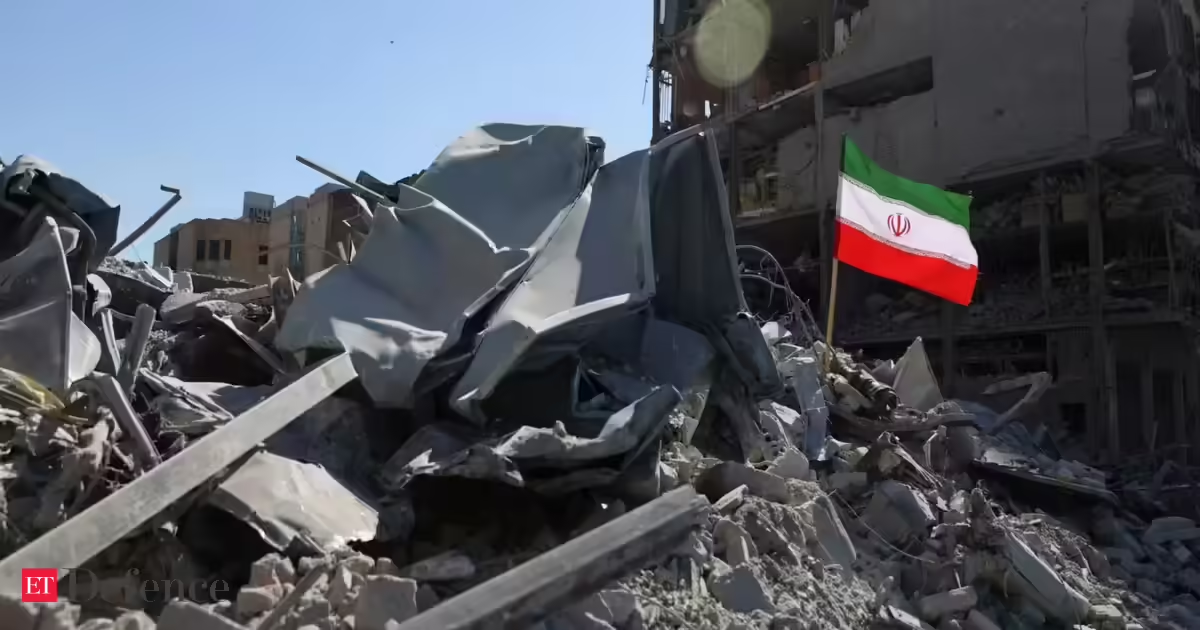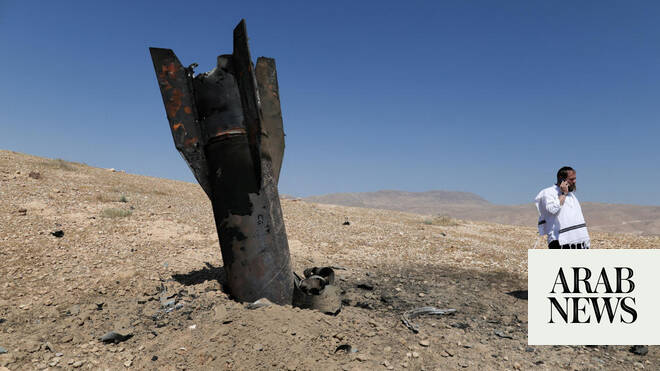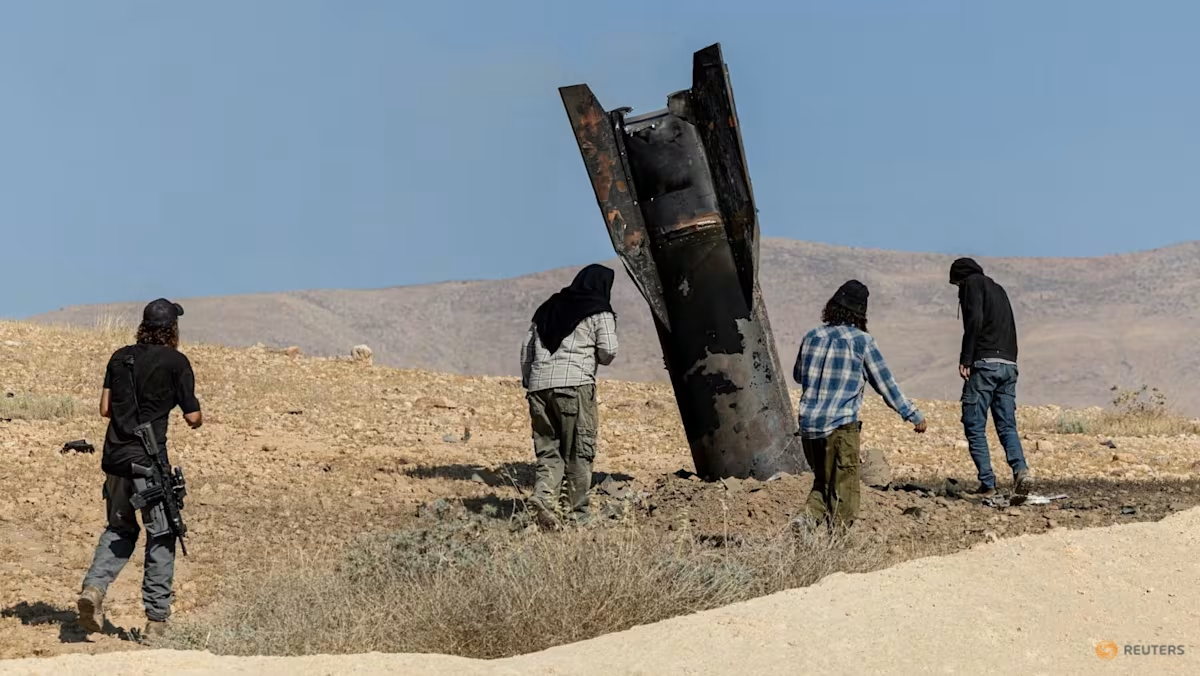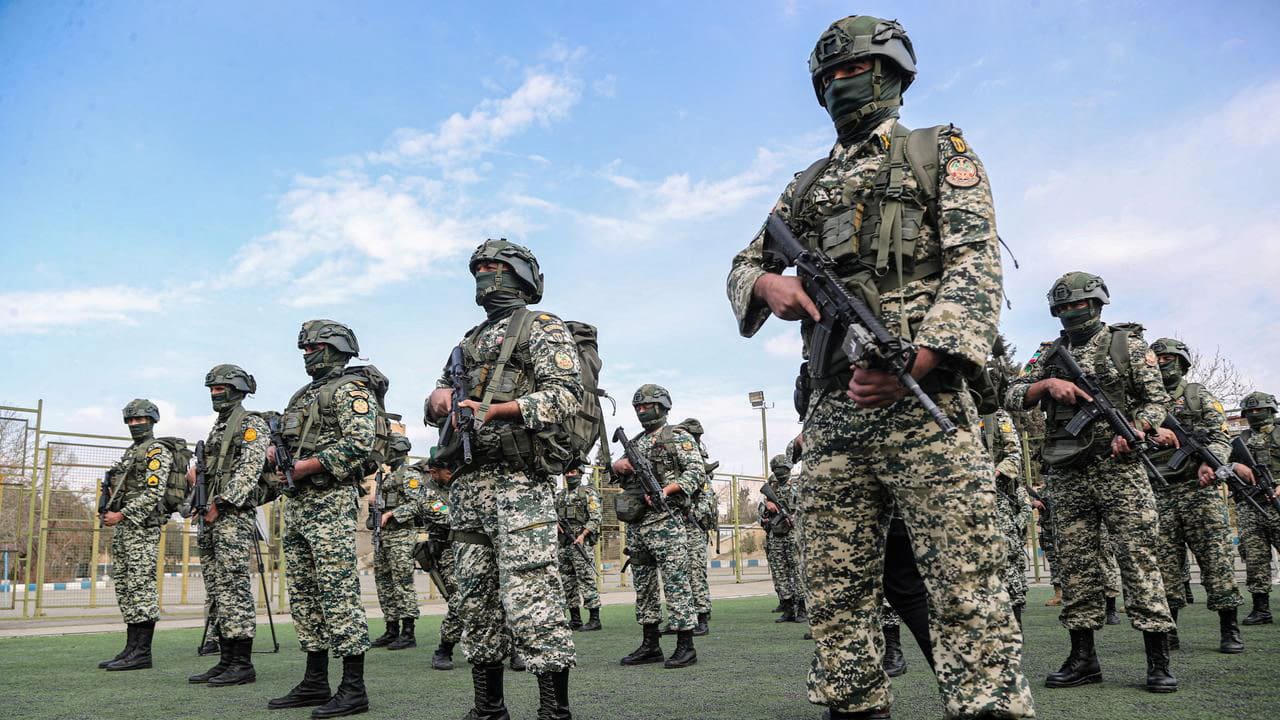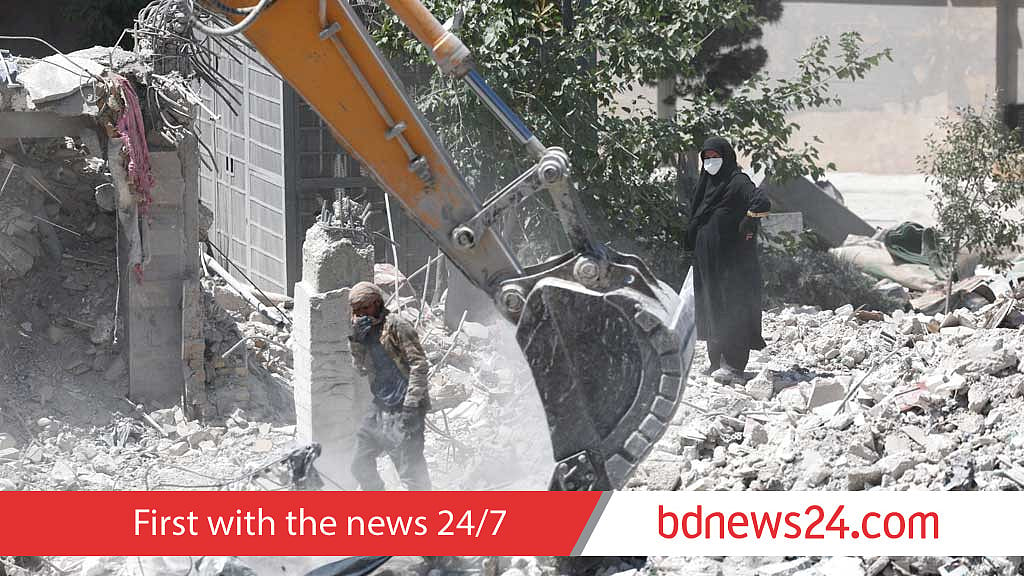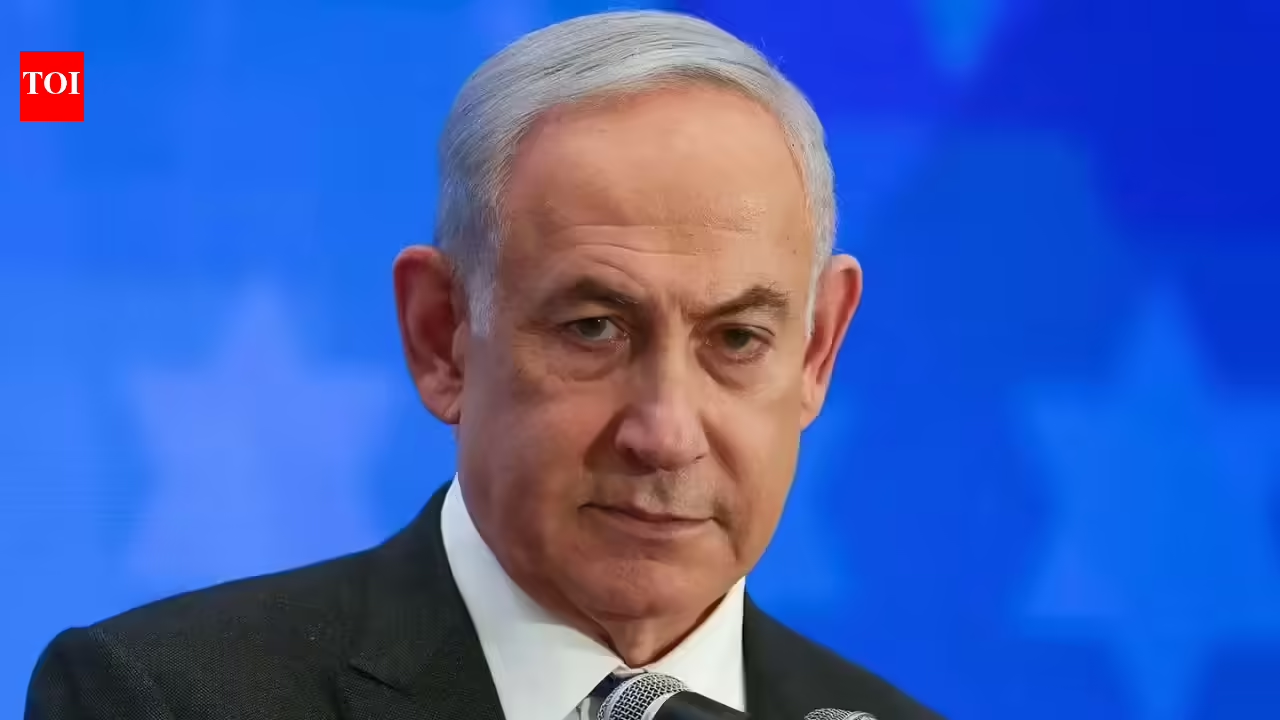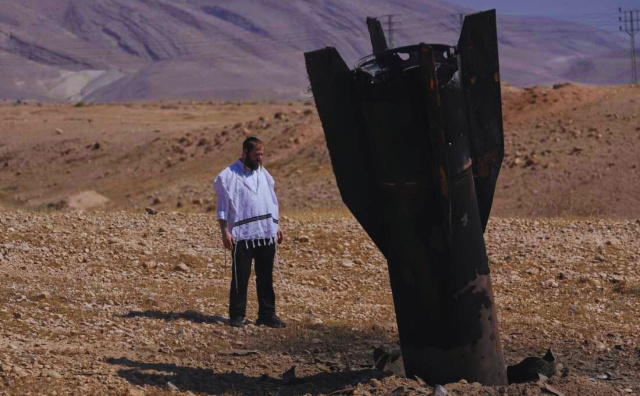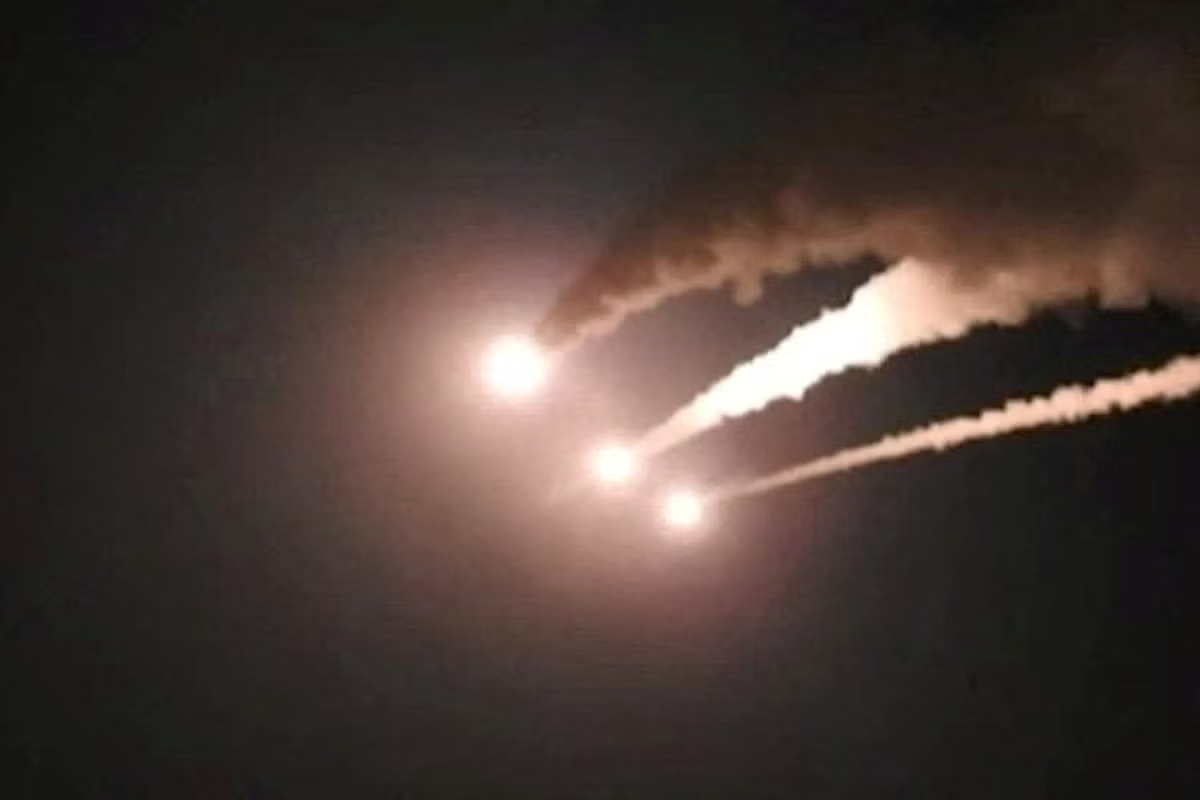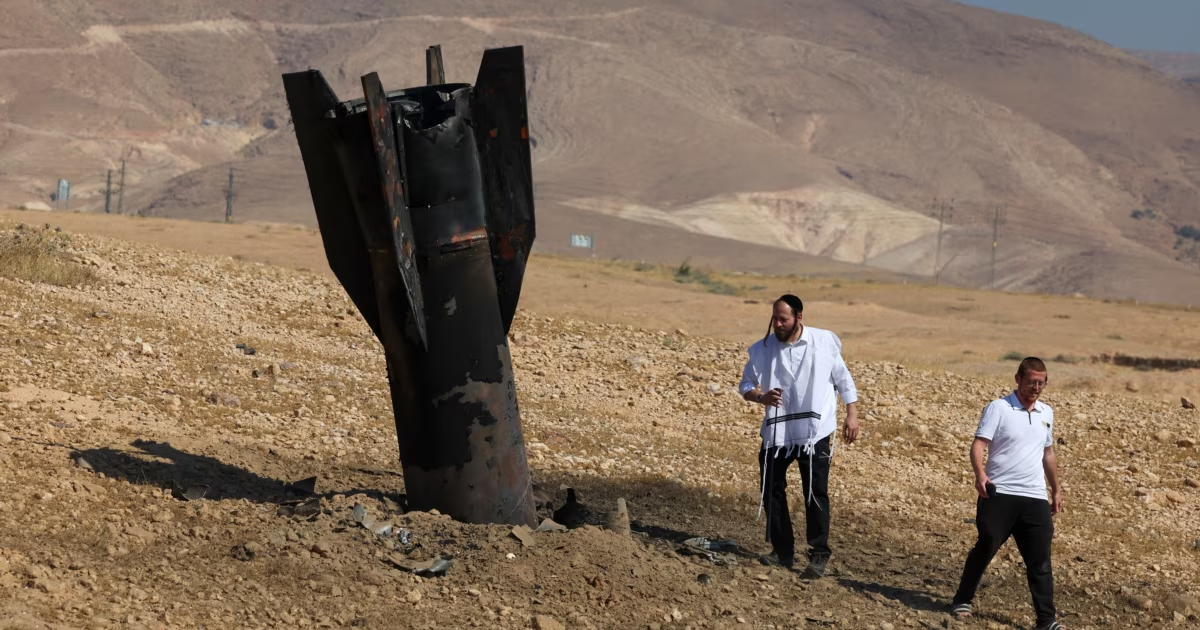
Iran’s military central command has announced a halt to its strikes against Israel, declaring it had delivered a "painful response" to Israel over strikes on Beirut's Dahiyeh district -- but warned that any continuation of Israeli aggression would bring "far more intense and crushing" retaliation.The announcement on June 8 came shortly after US President Donald Trump posted on Truth Social that "both sides, Israel and Iran, are looking to do an immediate cease-fire," adding that final negotiations on a US-Iran peace deal were proceeding and that a US blockade of Iranian ports would remain in place until a final agreement is reached.In its statement, the Khatam Al-Anbiya Central Headquarters didn't announce a cease-fire per se but a completed operation -- with conditions attached. It framed the pause not as de-escalation but as a message delivered, in an attempt to preserve the appearance of strength while taking the off-ramp Washington was signaling.
That is precisely the operation analysts had described even as the strikes were underway. Iran had put a specific threat on the table: attack the Dahiyeh, where Iran’s Lebanese ally is based, and Iran hits northern Israel. When Israel struck Beirut's suburbs, Tehran had little choice but to follow through or lose the credibility of every future threat it makes."This was largely about preserving the credibility of a threat Iran had already made public," Mohammad Ghaedi, a lecturer at George Washington University, told RFE/RL’s Radio Farda. "The responses are limited, and none of the parties want this to lead to an all-out war."