As global investors increasingly scrutinise environmental, social, and governance (ESG) performance, a clear divide is emerging among Nigeria’s largest listed companies. While a handful of firms are embracing international sustainability standards and publishing detailed climate disclosures, others remain stuck with outdated reports and limited transparency, potentially risking investor confidence and access to capital.
The shift comes as sustainability reporting moves from voluntary corporate messaging to a regulatory requirement. In Nigeria, the Financial Reporting Council of Nigeria (FRCN) has mandated the adoption of International Financial Reporting Standards (IFRS) Sustainability Disclosure Standards. Concurrently, Nigerian Exchange Group (NGX) Regulation has introduced Sustainability Disclosure Guidelines aimed at improving transparency and comparability across listed companies.
National ESG compliance trails continental peers
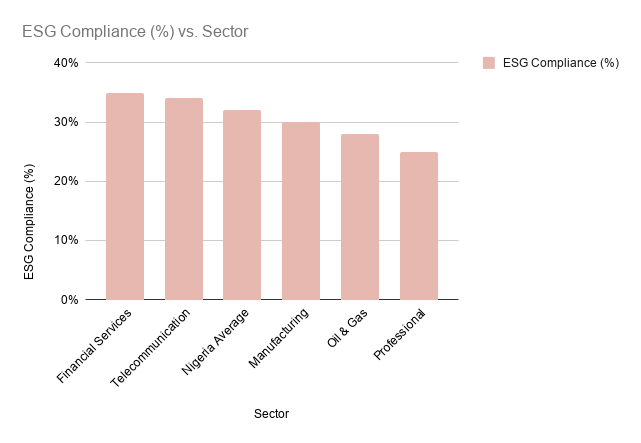
Yet despite the growing regulatory push, Nigeria continues to trail leading African peers. According to the 2025 IPMC ESG Ratings Report released by PwC, which assessed more than 120 companies across the manufacturing, financial services, oil and gas, telecommunications, and professional services sectors, Nigeria ranks third in Africa behind Kenya and South Africa. The country possesses an overall ESG compliance performance level of approximately 32 percent.