Bolivia's turmoil points to a larger question facing Latin America: how should nations engage China without weakening their own institutions? File Photo by Mark R. Christino/EPA
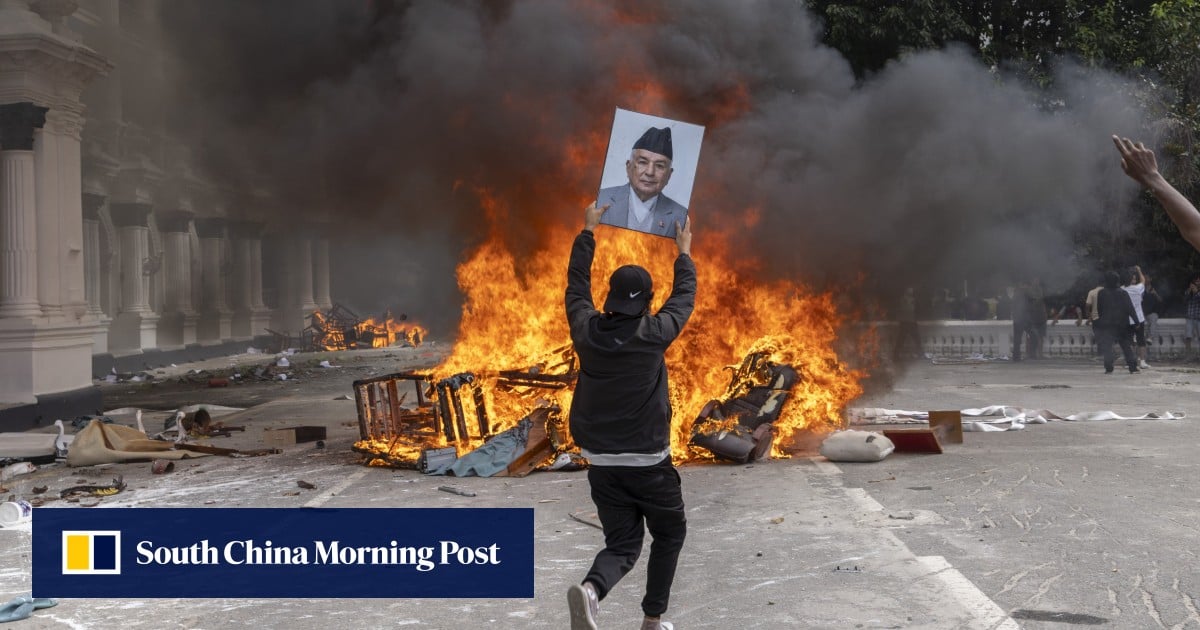
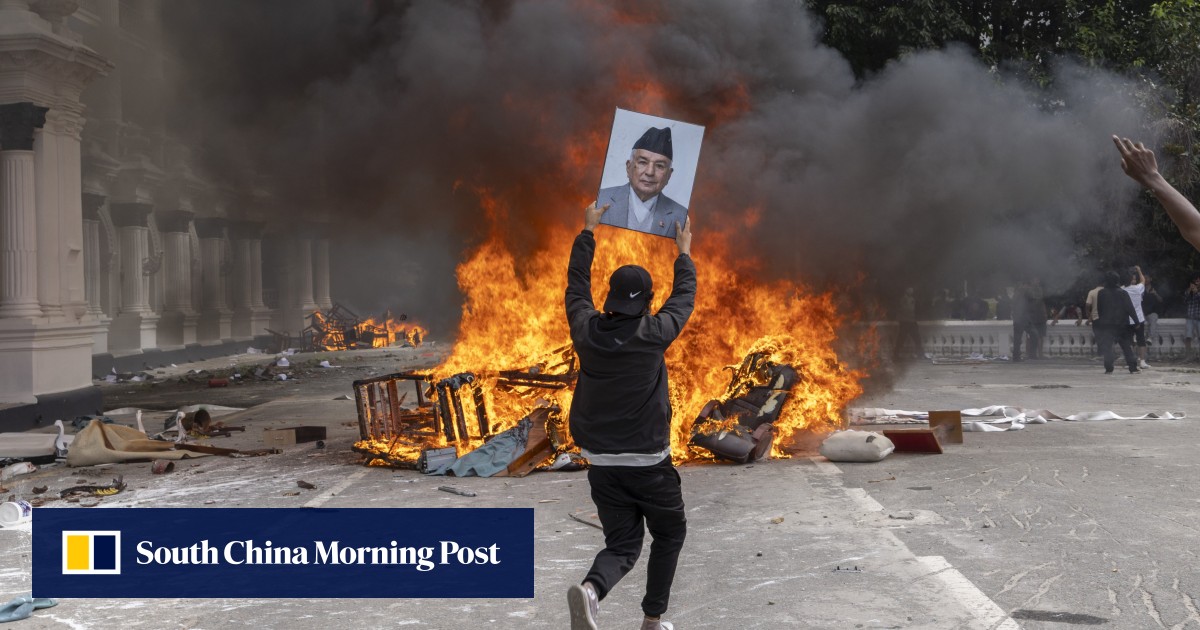
June 8 (UPI) -- Bolivia's political crisis is often described as a domestic struggle over economic hardship and the future of former President Evo Morales' movement. All of that is true. But Bolivia's turmoil also points to a larger question facing much of Latin America: how should nations engage China without weakening their own institutions in the process?
In a piece published this week in The Diplomat, Latin America scholar Dr. R. Evan Ellis, drawing on a May 2026 visit to Bolivia and extensive interviews across its political and business communities, explains why Bolivia's experience with China has become so contentious.
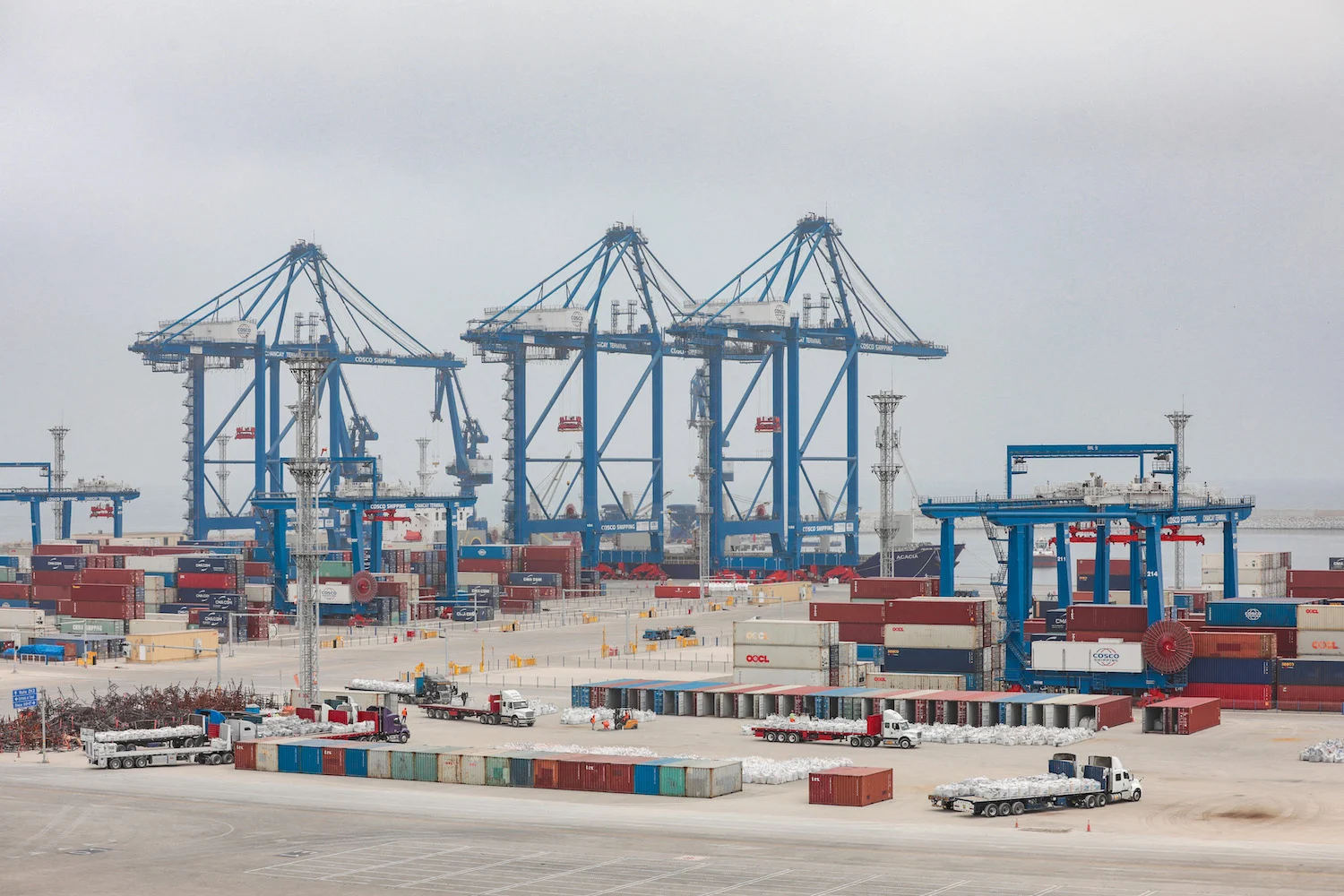
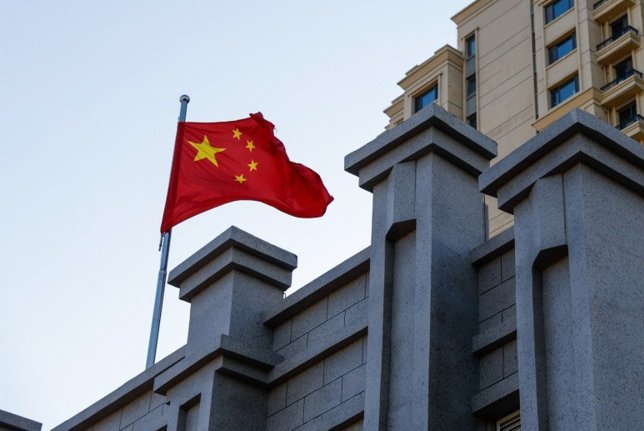
That question matters far beyond La Paz. Across the developing world, governments need infrastructure and access to capital and markets. China has often arrived with capital and momentum. For countries with weak public finances, that can be tempting. Yet Bolivia's experience suggests that foreign investment, when managed through opaque agreements and inadequate oversight, can leave behind more mistrust than development.