Nidhi Kesarwani (left), Joint Secretary, DPIIT, MoC & I, Government of India and Petal Dhillon, Joint Secretary, DOC, MoC & I, Government of India, at a press conference in Chennai.
| Photo Credit:
Bijoy Ghosh
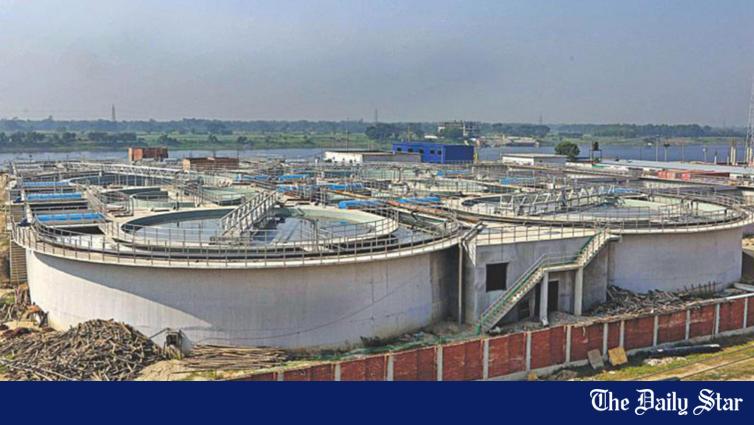
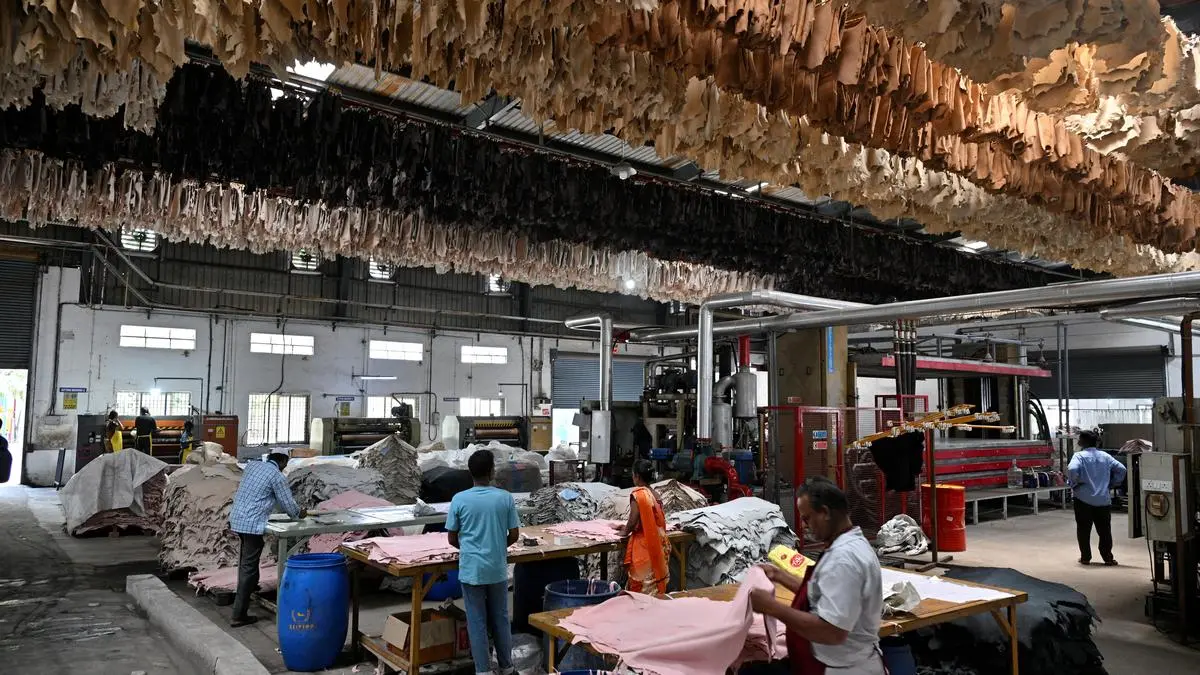
The Centre has sanctioned a ₹50-crore Zero Solid Waste Discharge (ZSWD) facility in the leather cluster at Ranipet in Tamil Nadu, a first-of-its-kind initiative that aims to convert solid waste generated during leather processing into industrial-use salt, while reducing the environmental footprint of the sector, said a senior Central government official.The project, expected to be completed by December this year, is being implemented as a tripartite venture involving the Tamil Nadu government, industry-led special purpose vehicles (SPVs) and the Centre. According to Nidhi Kesarwani, Joint Secretary, Department for Promotion of Industry and Internal Trade (DPIIT), the facility will complement the extensive effluent treatment infrastructure already operating in the State’s leather clusters.“This will be one of its kind in the world and will convert the solid waste generated into industrial-use salt, which is economical for the industry,” she told newsperosns on Monday.The initiative is part of a broader push to make India’s leather industry more sustainable. Tamil Nadu has emerged as the key beneficiary of government-backed environmental infrastructure, with eight of the nine Common Effluent Treatment Plants (CETPs) approved under the Indian Footwear and Leather Development Programme (IFLDP) located in the State.Environmental concernsKesarwani said the sector has already invested heavily in Zero Liquid Discharge (ZLD) systems to address environmental concerns traditionally associated with leather processing. The new Ranipet facility is expected to further strengthen sustainable manufacturing practices while enhancing the global competitiveness of Indian leather exports.The project also aligns with the Centre’s wider efforts to modernise the leather and footwear sector. Under the Mega Leather Footwear and Accessories Cluster Development (MLFACD) scheme, five clusters have been approved, including one at Panapakkam in Ranipet district with an investment of ₹271 crore. More than 2,000 units across the country have also received support for modernisation under various government programmes.Government steps in amid West Asia crisisAlongside its long-term sustainability initiatives, the Centre has been working to mitigate the impact of the West Asia conflict on the footwear and leather industry.Petal Dhillon, Joint Secretary, Department of Commerce, said the government’s response has focused on easing supply-chain disruptions and containing rising logistics costs rather than providing direct financial compensation.The conflict has led to sharp increases in freight and insurance costs, while also affecting the availability of petrochemical-based raw materials used extensively by the non-leather footwear industry.To address these challenges, the government set up an inter-ministerial group comprising officials from the Ministries of External Affairs, Commerce, Shipping and Ports, and the Department of Revenue. The group met regularly to resolve import bottlenecks and facilitate the movement of critical supplies.According to Dhillon, coordinated intervention by multiple government agencies has helped minimise disruptions to production and exports despite the challenges arising from the conflict.Published on June 8, 2026