Read The Diplomat, Know The Asia-Pacific
The rise of majoritarian politics globally, combined with a shifting geopolitical calculus around India, has created openings for the RSS that did not exist a decade ago.
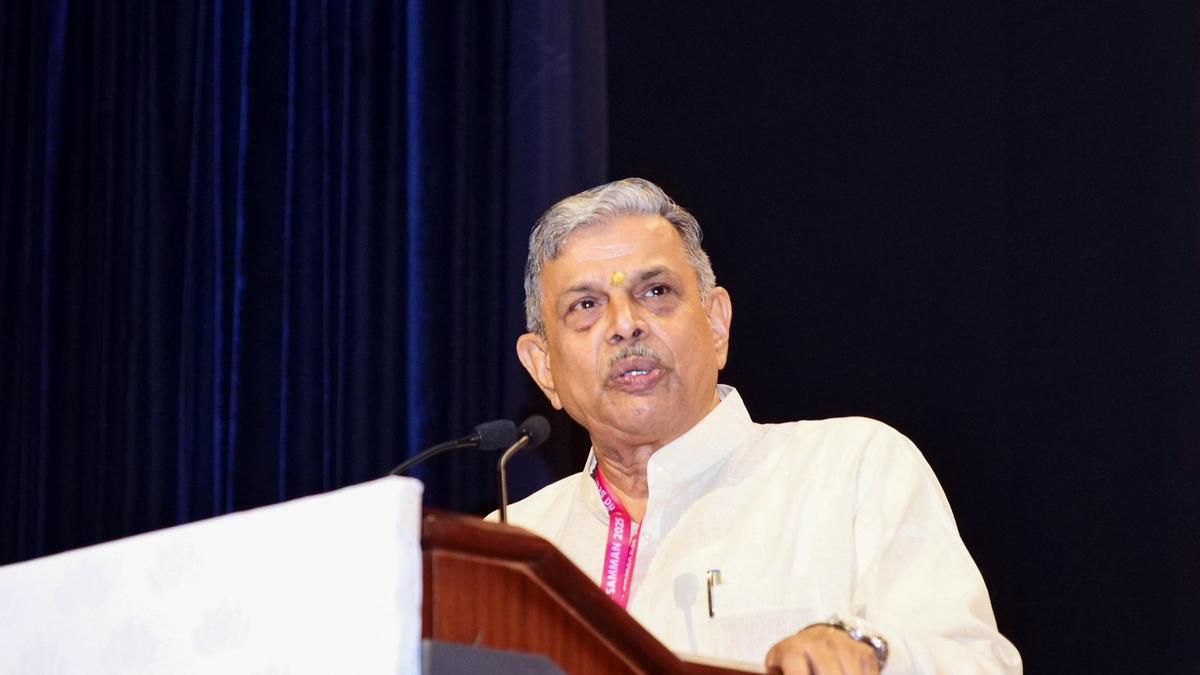
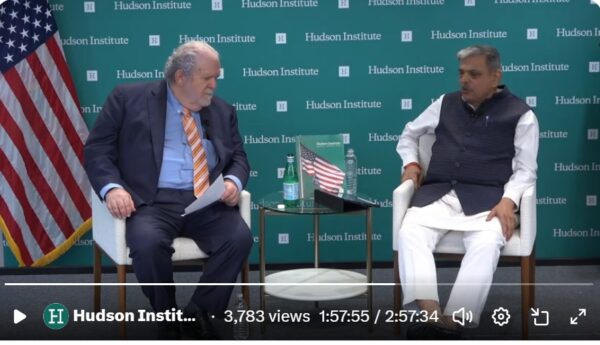
Screenshot of a Hudson Institute video of Rashtriya Swayamsevak Sangh General Secretary Dattatreya Hosabale speaking at a fireside chat event hosted by the Institute on April 23, 2026.
On March 4 this year, the U.S. Commission on International Religious Freedom (USCIRF), a bipartisan, independent U.S. federal body, recommended for the first time that the State Department impose targeted sanctions on the Rashtriya Swayamsevak Sangh (RSS), the Hindu nationalist organization that serves as the ideological parent of India’s ruling Bharatiya Janata Party (BJP). The commission cited the RSS’ “responsibility and tolerance of severe violations of religious freedom,” and urged asset freezes and entry bans.
On April 23, RSS General Secretary Dattatreya Hosabale sat in a fireside chat at the Hudson Institute in Washington, hosted by the think tank’s fellow Walter Russell Mead. No one on stage raised the USCIRF recommendation, the documented record of anti-minority violence, or the RSS’s century-long ideological project. Before the Hudson appearance, Hosabale spoke at the THRIVE 2026 summit at Stanford alongside former National Security Adviser H.R. McMaster.