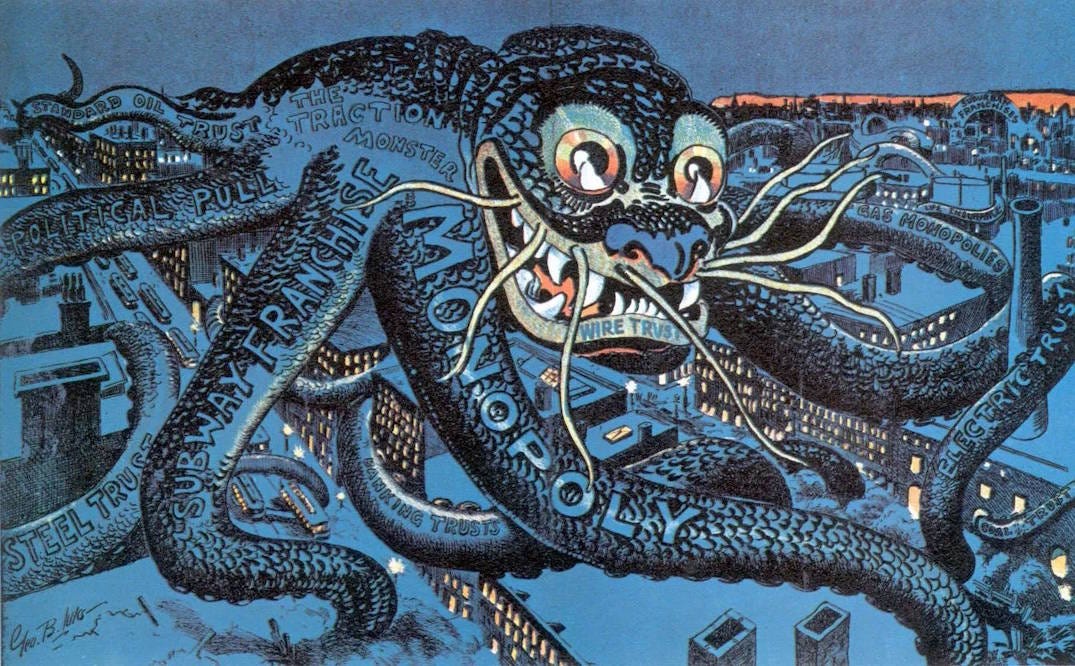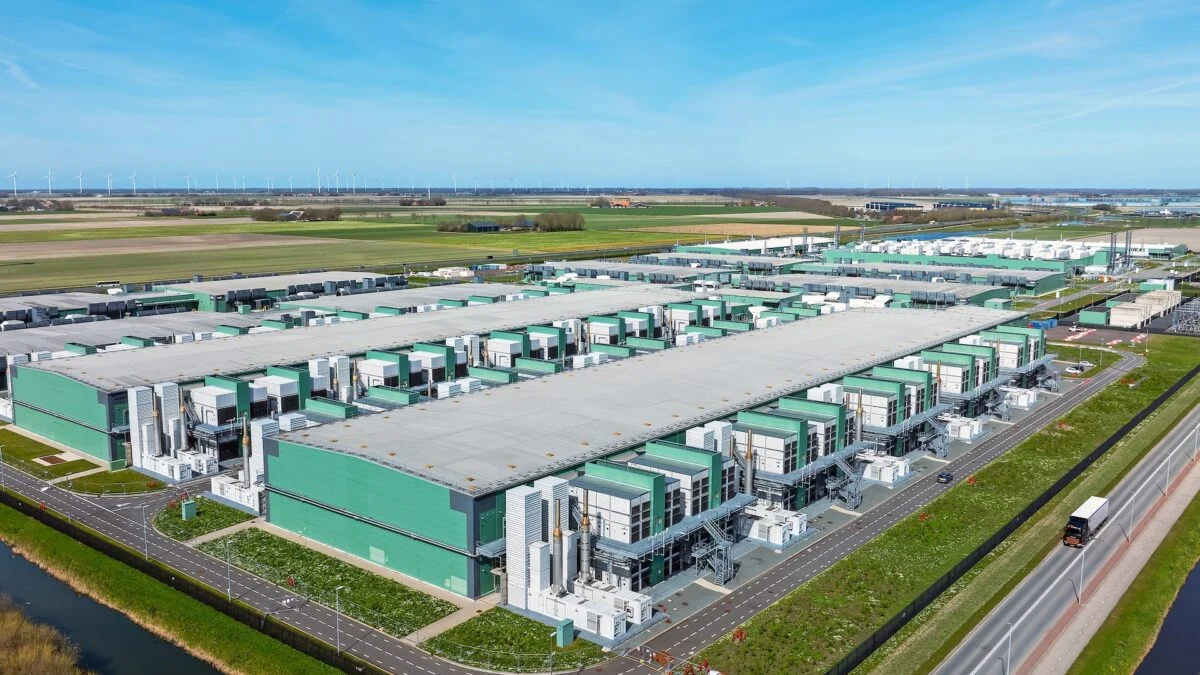
Consumers feel their wallets bleeding with every new purchase, from cars to prescription drugs. Buzzwords such as “affordability” make for good political ads, but they don’t explain much, let alone prescribe a solution. To best serve consumers and their budgets, businesses must look to economize production through the often demonized phenomenon of vertical integration.This term refers to a company internalizing more stages of the production process instead of (or in addition to) working with outside partners. It’s often conflated with a monopoly, where no competition results in one player skimping on quality and naming the price.Monopoly fears need to be set aside, though, because unlike a monopoly, vertical integration benefits both companies and consumers.
DON’T LET GOVERNMENT REGULATORS KILL LOCAL MEDIA
In one sense, this is as simple as human nature. Nobel Prize-winning economist Ronald Coase, in his 1937 paper “The Nature of the Firm,” established that firms expand (or integrate) right up until their internal costs exceed their transaction costs — that is, the cost of using the market. Transaction costs include inconveniences such as negotiating contracts, coordinating across companies, and enforcing patent or IP rights.