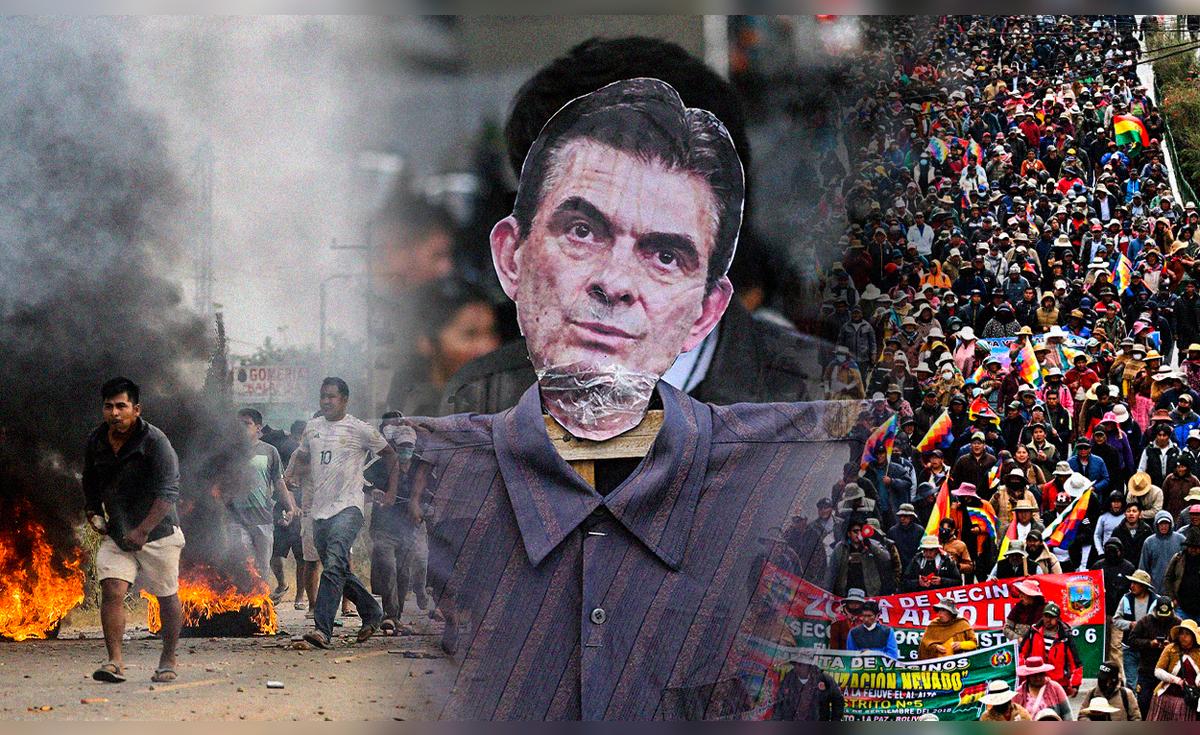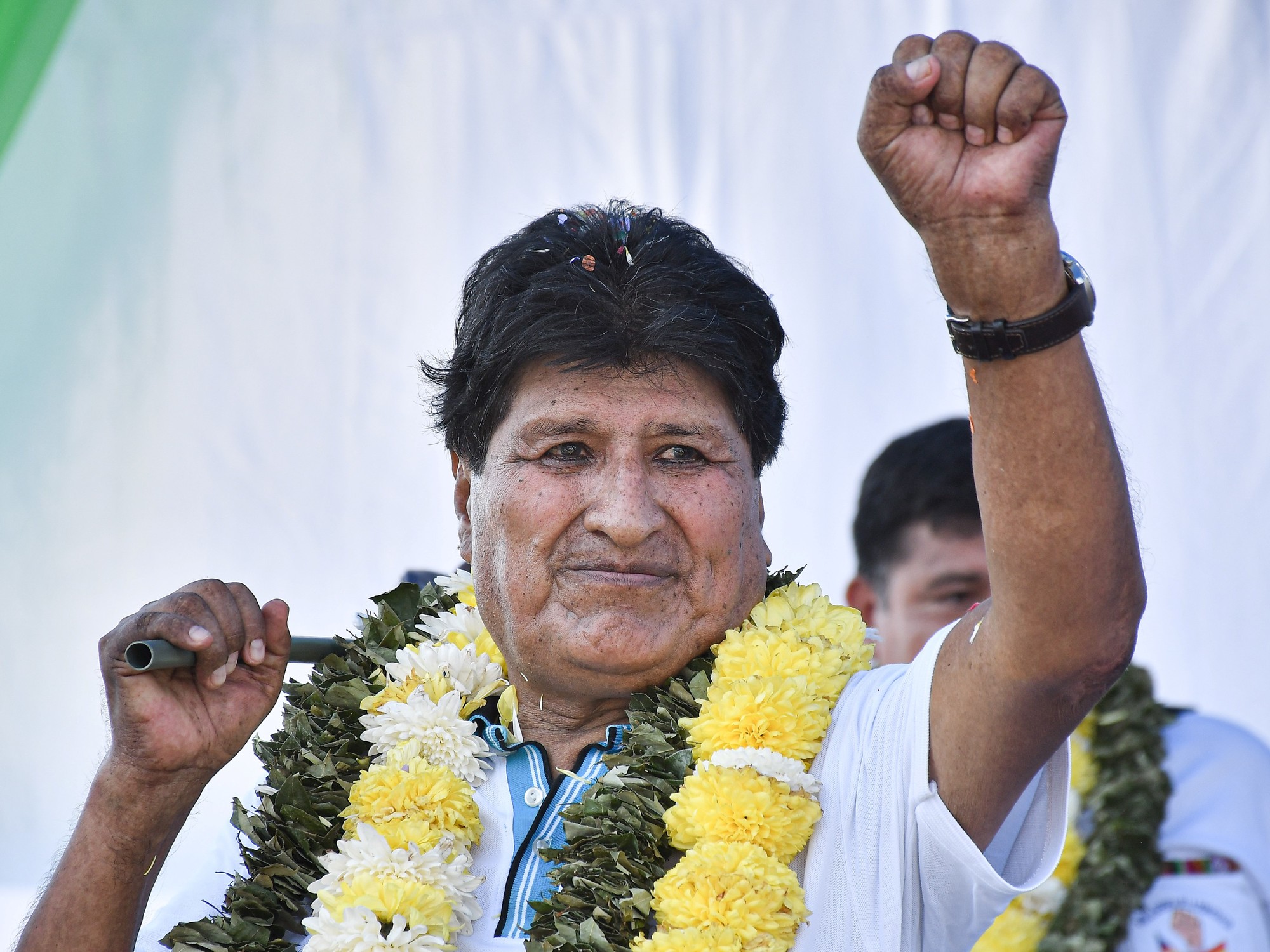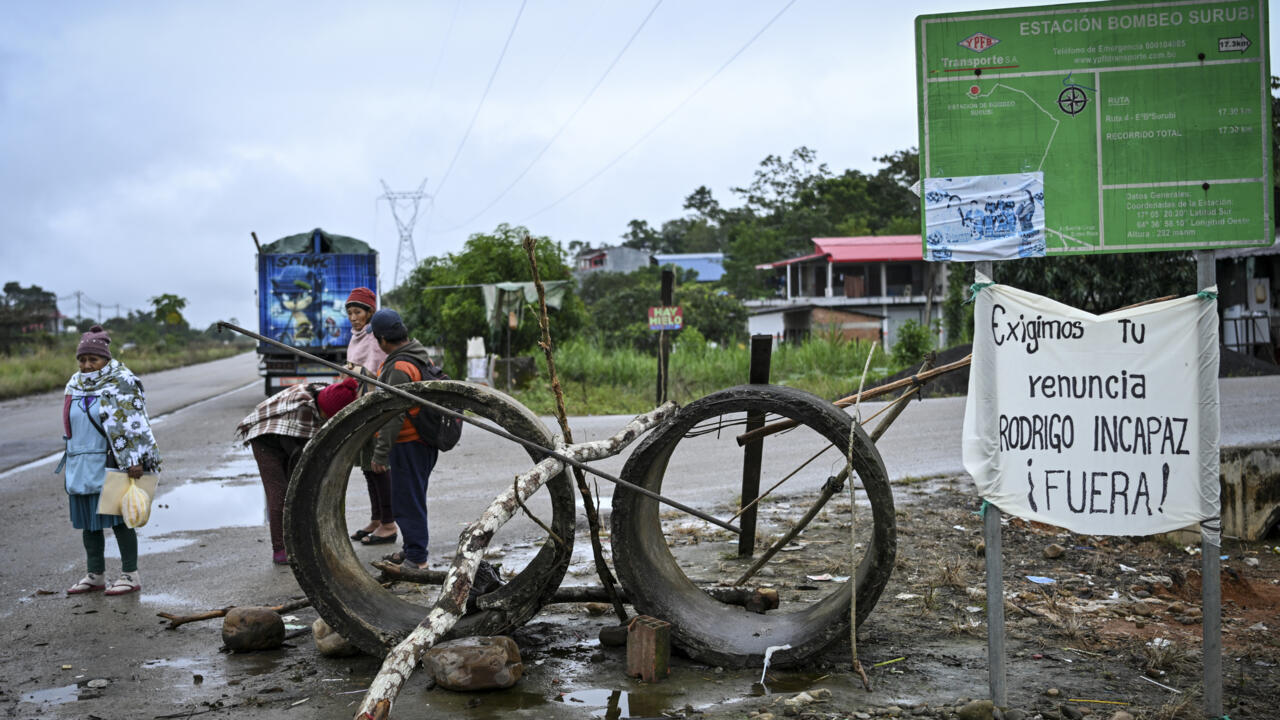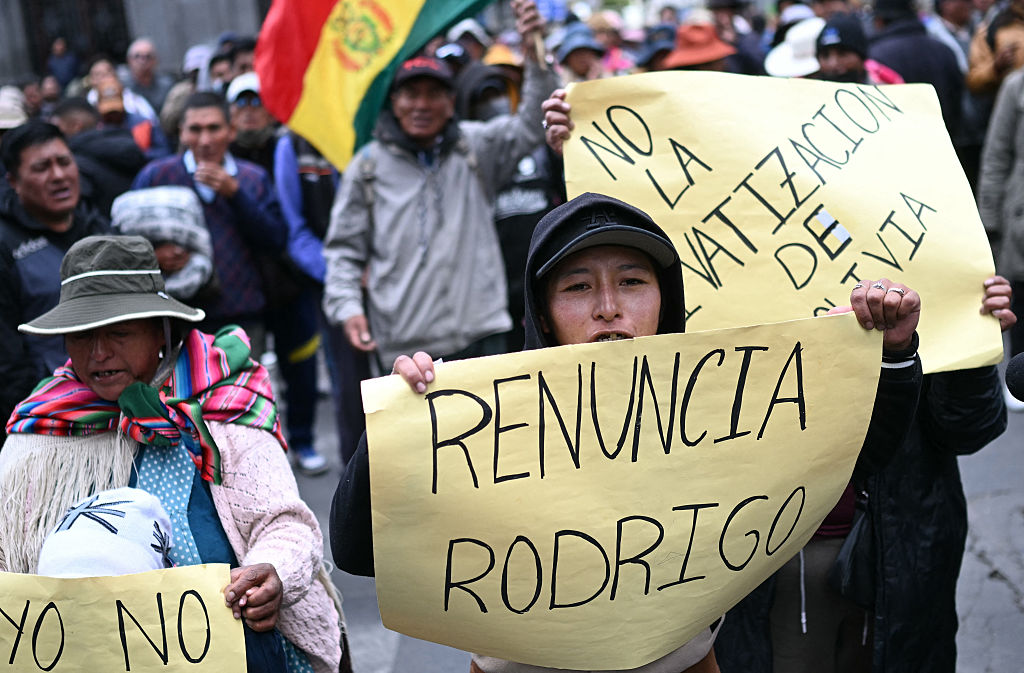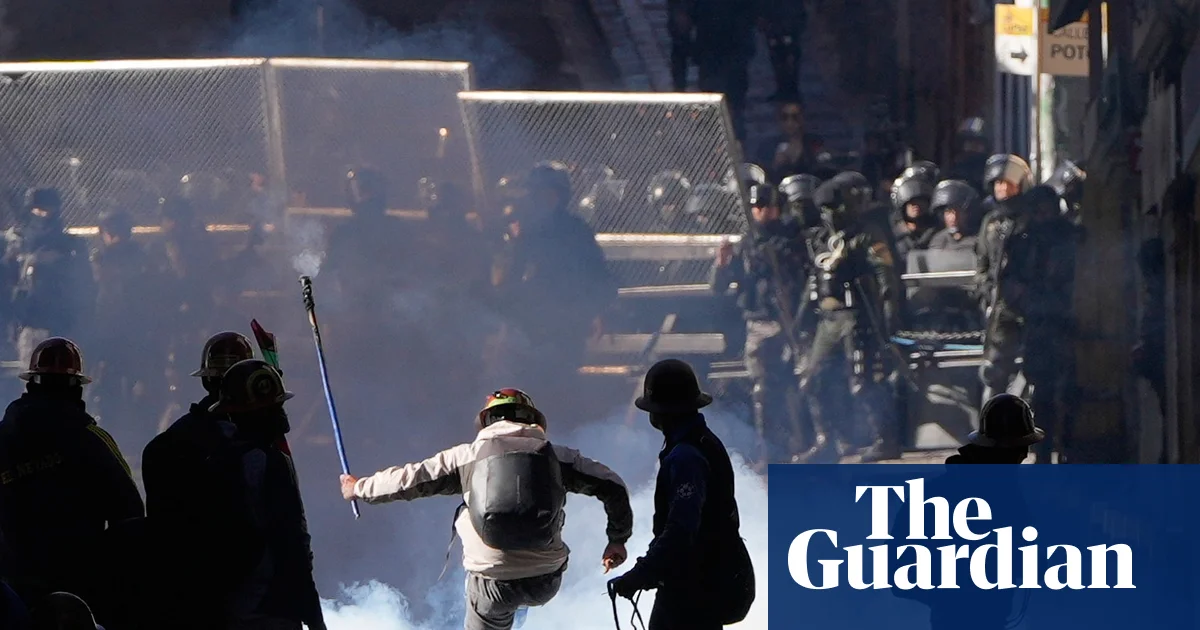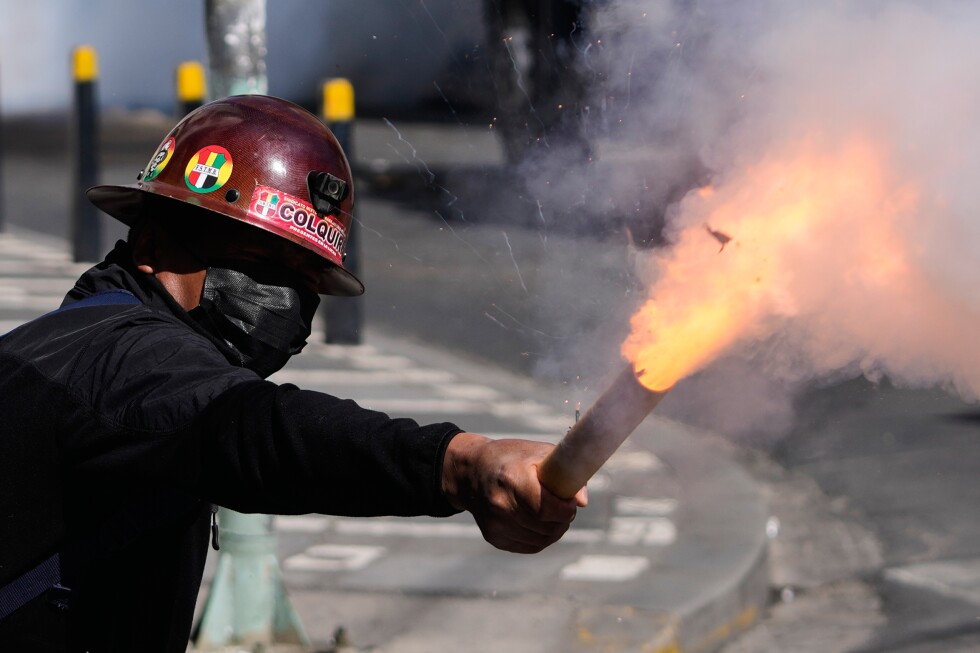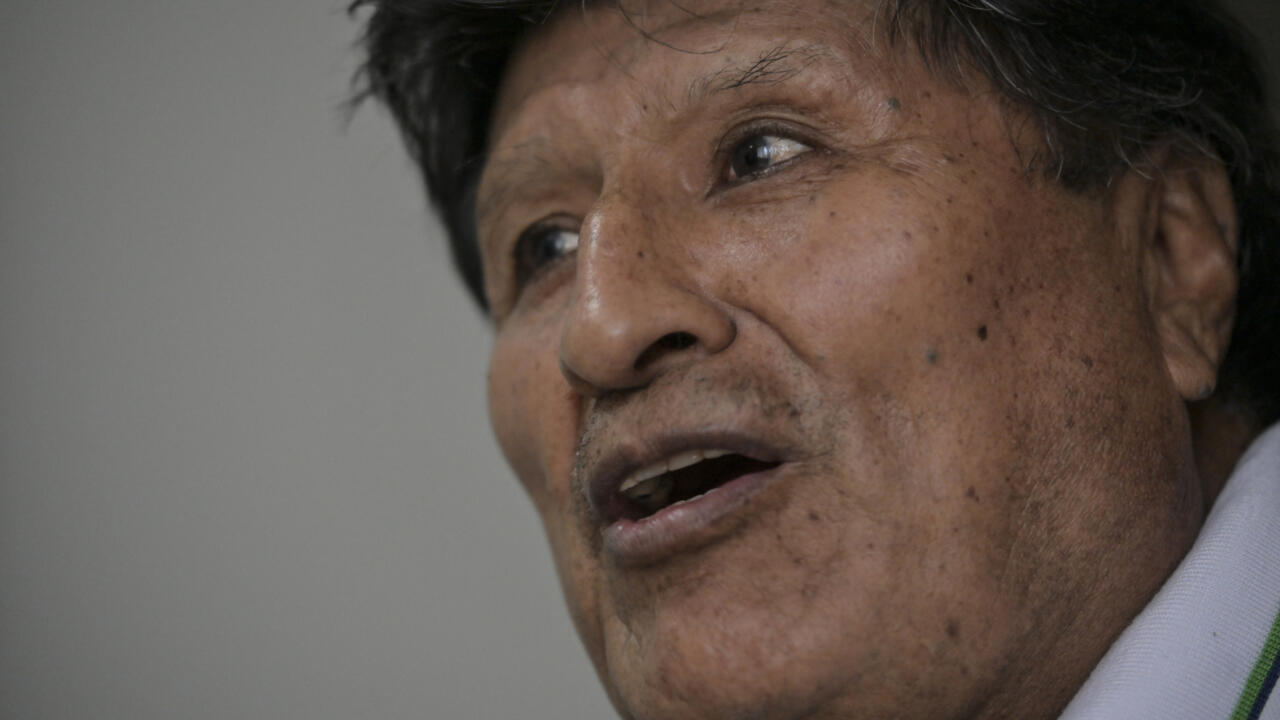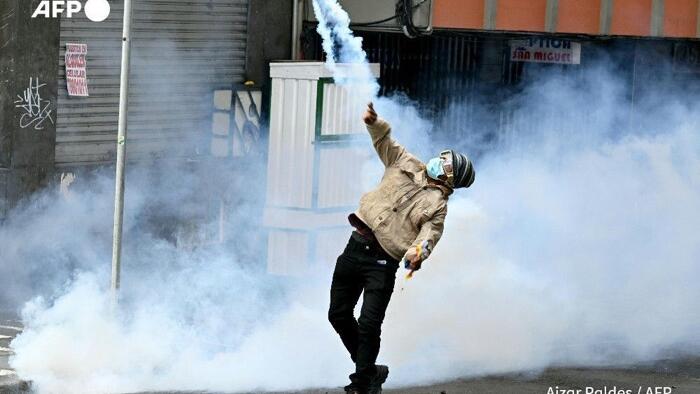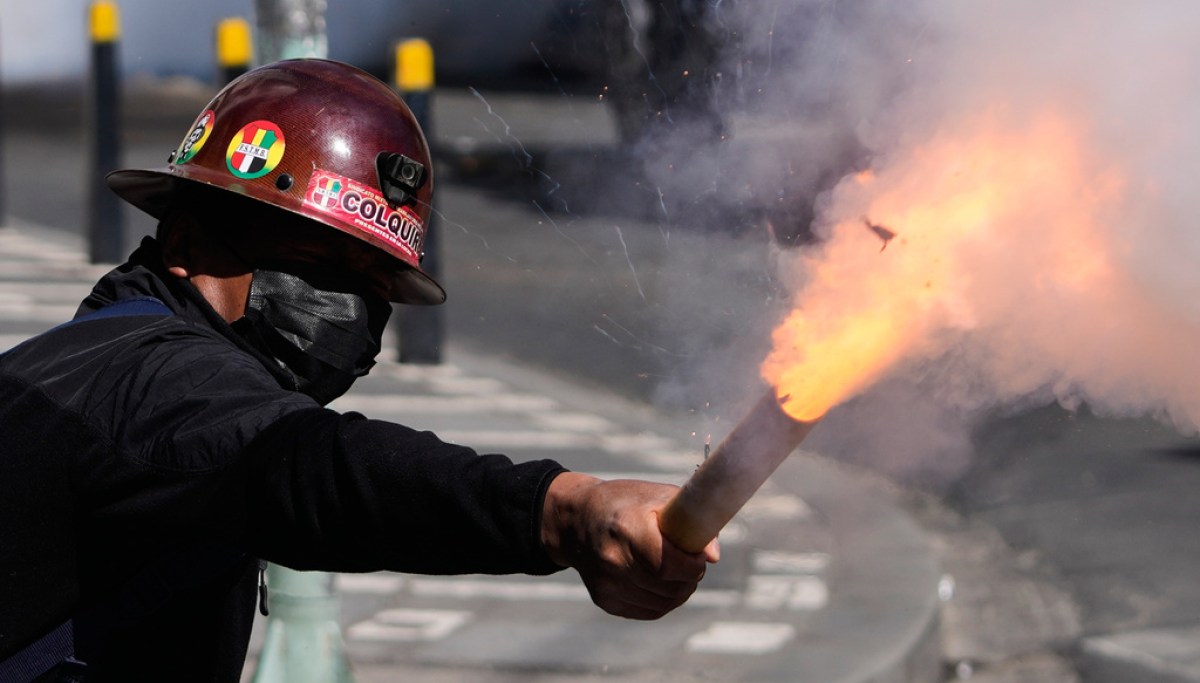
Since gaining independence in 1825, Bolivia has endured over 190 coups, 36 of them since 1945. Protests had begun over economic grievances, cast as a revolt against “neoliberalism,” but turned violent only when supporters of Evo Morales, the former socialist president and leader of the Movimiento al Socialismo (MAS), converged on the capital, La Paz. The march came days after Morales failed to appear at his own child-trafficking trial, where he stands accused of impregnating a girl in her early teens.On X, Morales has called Bolivia’s leaders “invaders” and “neocolonialists and imperialists.”He has since demanded that Rodrigo Paz, the country’s first non-socialist president in nearly two decades, resign within 90 days, holding Bolivia’s roads and economy hostage. As of this writing, 103 blockades operate across seven of nine departments, 13 people have died, and food, medicine, and fuel are running short on the crisis’s 34th day.
US DENOUNCES ATTEMPTED ‘COUP’ IN BOLIVIA AFTER LEFT-WING STRIKERS PARALYZE COUNTRY
Western coverage calls the unrest a one-dimensional labor dispute over wages and fuel. The New York Times blamed teacher pay, contaminated fuel, and a new land law. Reuters pointed to teachers demanding higher wages and transport unions striking over fuel. The Associated Press reported protesters marching as the “economic crisis deepened.” These outlets cannot agree on what sparked the insurrection, because none will name its true cause, Evo Morales.