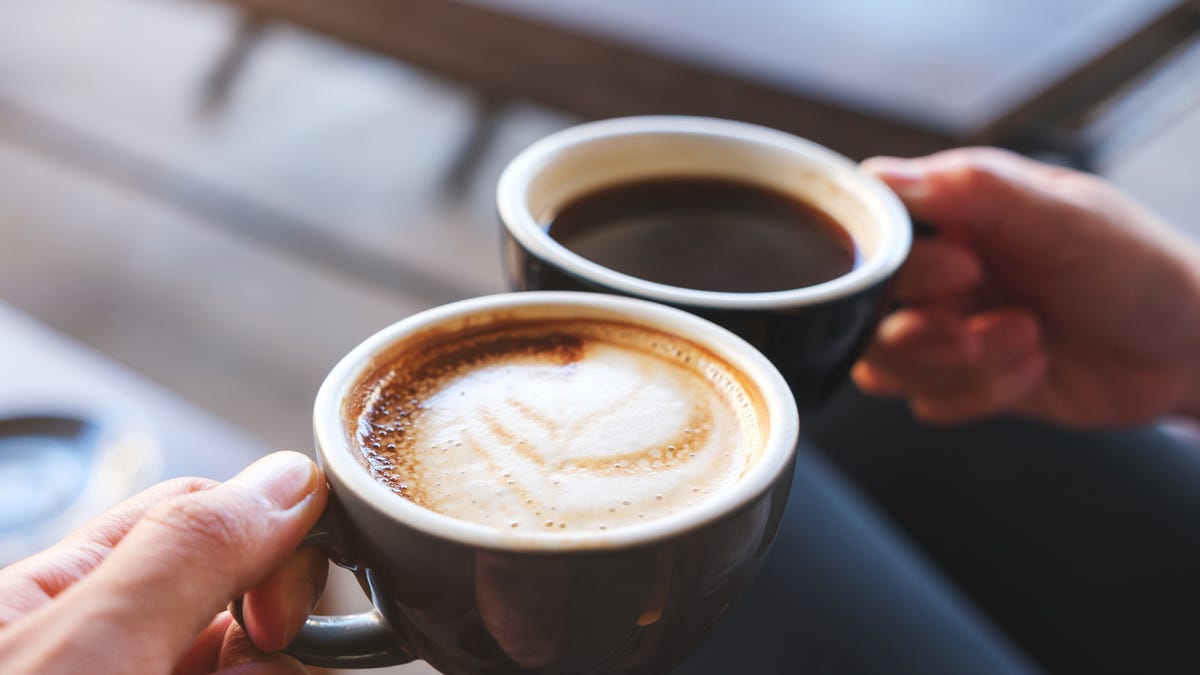
Coffee may be a non-negotiable part of many people's daily routines, but it can elevate anxiety in some. Dr Sood shares how to prevent it. For many people, coffee is a non-negotiable part of the morning routine, providing the energy boost needed to kick-start the day. But while that caffeine hit can leave you feeling more awake and alert, it can also have an unwanted side effect: jitters, a racing heart, restlessness, and even sensations that resemble an anxiety attack. In some individuals, consuming too much caffeine – or simply being more sensitive to it – can amplify the body's stress response and trigger symptoms that feel remarkably similar to anxiety.Read more to find out why coffee makes you jittery and anxious. (Unsplash)Also Read | Doctor explains what happens when you drink coffee later in the day: ‘Reduces sleep quality, not just sleep duration…’Dr Kunal Sood, an anaesthesiologist and interventional pain medicine physician, is shedding light on why coffee may increase anxiety and stress levels in certain individuals. In an Instagram video shared on June 7, he explains the science behind caffeine's effects on the brain and nervous system, as well as simple strategies that may help reduce its anxiety-provoking effects.Why coffee can trigger anxietyAccording to Dr Sood, the very mechanism that makes coffee feel energising can also contribute to feelings of anxiety in some people. He explains that caffeine works by blocking adenosine, a chemical that helps regulate the sleep-wake cycle and signals the brain when it is time to rest. By suppressing adenosine's effects, caffeine reduces feelings of tiredness and increases alertness. However, this heightened state of wakefulness also activates the nervous system, which can lead to symptoms such as a racing heart, jitters, restlessness, and, in some individuals, increased anxiety.The physician notes, “The same chemical that makes coffee wake you up can also make your body feel like it's anxious. Caffeine works by blocking adenosine, which is one of the brain signals that builds sleep pressure and helps you feel tired. When that signal is blocked, you feel more alert, but your nervous system can also become more activated. That's why caffeine can cause a racing heart, jitters, sweating, shakiness, or that ‘something feels wrong’ feeling that looks a lot like anxiety.”How to prevent this?Dr Sood notes that for most healthy adults, the typical upper limit is around three to four cups of coffee per day, although the exact amount can vary depending on the strength of the brew. However, some people may be far more sensitive to caffeine, with factors such as genetics, sleep quality, stress levels, medications, and conditions like panic disorder influencing how much they can tolerate. He also points out that consuming coffee on an empty stomach may intensify caffeine's effects, making symptoms such as jitters, nervousness, and anxiety more pronounced.He explains, “For most healthy adults, up to about 400 milligrams of caffeine per day is considered the usual upper limit, which is roughly three to four cups of coffee, depending on how strong it is, but your personal limit may be much lower. Genetics, sleep deprivation, stress levels, medications, panic disorder, and drinking coffee on an empty stomach can all make caffeine hit harder.”However, Dr Sood emphasises that the more important question is not how much caffeine is considered safe in general, but how much your individual body can tolerate. If coffee is triggering anxiety, jitters, or other unwanted symptoms, he recommends reducing your intake, having it after a meal rather than on an empty stomach, switching to decaf or half-caf options, and avoiding caffeine later in the day to minimise its effects.He highlights, “The real question is not how much caffeine is allowed, it's how much can I drink without symptoms or sleep disruption. If coffee makes you anxious, try lowering the dose, eating first, switching to half-caf, and avoiding caffeine later in the day.”Note to readers: This article is for informational purposes only and not a substitute for professional medical advice. It is based on user-generated content from social media. HT.com has not independently verified the claims and does not endorse them.Eshana Saha is a fresh face in lifestyle and cultural journalism, bringing a refined, multidisciplinary perspective to the intersection of entertainment, fashion and holistic wellbeing. With less than a year of professional experience, she has quickly adapted to high-pressure editorial environments and currently works full-time with HT Media. Prior to this, she interned for nearly six months with Hindustan Times’ entertainment and lifestyle vertical, where she gained hands-on experience in digital reporting, trend analysis and editorial storytelling.
Does drinking coffee make you feel anxious? Doctor explains why this happen and shares simple ways to prevent it
Coffee may be a non-negotiable part of many people's daily routines, but it can elevate anxiety in some. Dr Sood shares how to prevent it. | Health
1,013 words~5 min read