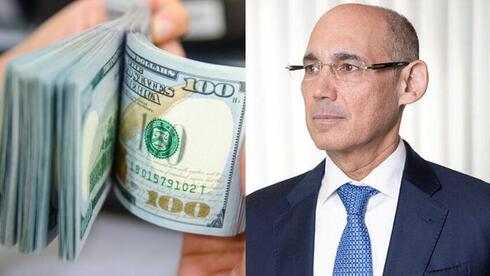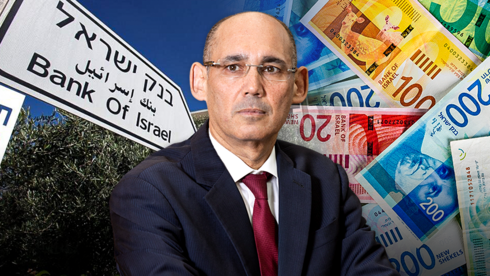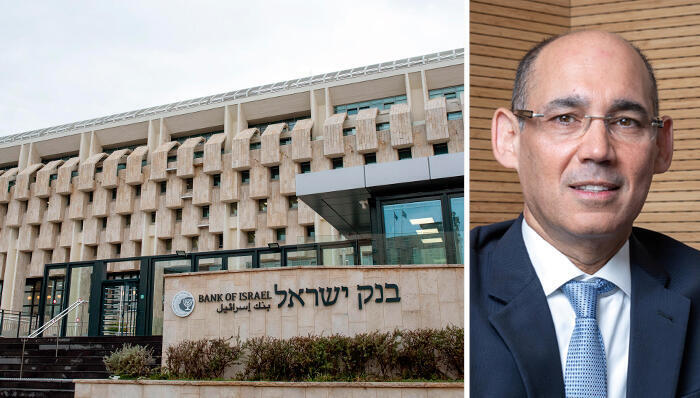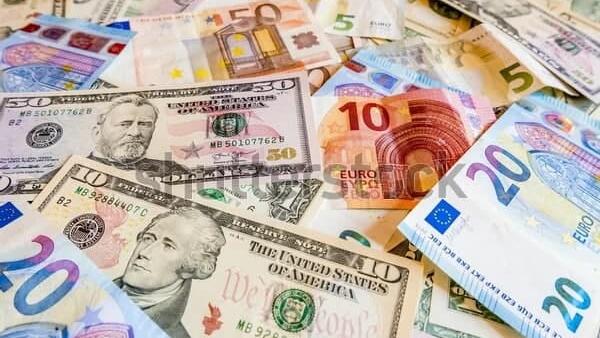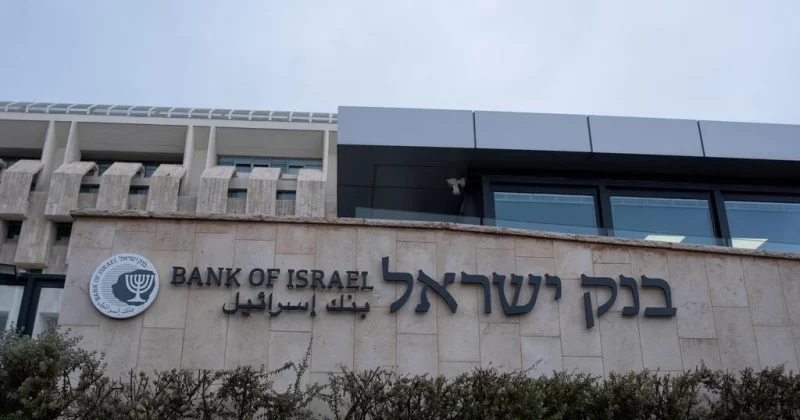
The Bank of Israel stepped back into the foreign exchange ring in May, scooping up $801 million in foreign currency to push back against a shekel that was getting uncomfortably strong. It was the central bank’s first direct currency intervention since 2022, a move that underscores just how much pressure a surging shekel has been putting on the country’s export-driven economy.
The shekel had been trading near a 33-year peak against the US dollar, a level that sounds impressive on paper but was quietly devastating for Israeli companies that earn revenue in foreign currencies.
What the numbers look like
Israel’s total foreign exchange reserves climbed to a record $238.681 billion by the end of May 2026. That’s a monthly increase of $2.953 billion, though the $801 million in direct purchases only tells part of the story.
The lion’s share of the reserve growth, roughly $2.685 billion, came from revaluation gains. In English: the existing assets the central bank was already holding became more valuable, largely due to shifts in global currency values and asset prices.